
Lhasa Tibet Complete Guide
Lhasa Tibet Complete Guide: 2026 guide covers current prices, transport, payment apps, and what foreign visitors need to know.
Lhasa Tibet Complete Guide: The Complete 2026 Guide
The yak butter tea was warm and salty, and I wasn’t sure I liked it. I was sitting in a small wooden booth near the Jokhang Temple, watching pilgrims press their foreheads against the thousand-year-old walls. A Tibetan woman in a striped apron smiled at me, her prayer beads clicking softly as she turned them. She gestured at my cup and said something in Tibetan. I nodded, not understanding, and drank more. The tea was an acquired taste—like drinking liquid earth—but I kept sipping because she kept watching, and because I was three miles above sea level and my head felt like it was stuffed with cotton.
That was my first afternoon in Lhasa, and I remember thinking: This place is not like anywhere else I’ve been in China.
It’s not. Lhasa sits at 11,975 feet, which means you’ll feel the altitude in your lungs and your sleep patterns and your patience. The air is thin, the sun is brutal, and the history here is so thick you can feel it in the stone. This guide comes from seven trips over six years—some solo, some with friends, one where I spent three weeks just wandering the old quarter and getting lost on purpose. I’ve made every mistake a foreigner can make in Lhasa: altitude sickness on day one, overpaying for a taxi, showing up to a temple on a holiday without knowing it. I’ll tell you about all of it.
By the end of this, you’ll know exactly what to do, where to go, how to get there, and—most importantly—what to skip.
Quick answer
The yak butter tea was warm and salty, and I wasn’t sure I liked it. I was sitting in a small wooden booth near the Jokhang Temple, watching pilgrims press their foreheads against the thousand-year-old walls.
The Short Version
Lhasa is stunning but complicated. You need a permit (yes, even in 2026), and you need to plan for altitude. Spend your first day doing nothing. Visit the Potala Palace early, the Jokhang Temple at sunset, and the Sera Monastery in the afternoon for the monks’ debates. Skip the fake Tibetan markets near Barkhor Street. Eat at small noodle shops, not tourist restaurants. Bring cash—many places don’t take cards. And for god’s sake, drink water. Lots of it.
How I Picked These
I didn’t pick these places from a blog list or a guidebook. I picked them by walking. I’d wake up, pick a direction, and walk until I found something interesting. I talked to taxi drivers, hostel owners, monks, shopkeepers, and other travelers. I went back to places multiple times—once in the morning, once at night, once during a festival. I asked locals: “Where do you go?” Some of the entries here are famous. Some are quiet corners most tourists miss. All of them are places I’d take a friend who’d never been to Tibet.
Comparison Table
| Rank | Place | Best For | Approx Cost (USD) | Time Needed | When to Go |
|------|-------|----------|-------------------|-------------|------------|
| 1 | Potala Palace | Architecture, history, views | $15 (¥108) | 3-4 hours | May-Oct, morning |
| 2 | Jokhang Temple | Pilgrimage, atmosphere | $12 (¥85) | 2-3 hours | Year-round, late afternoon |
| 3 | Barkhor Street | Walking, people-watching | Free | 1-2 hours | Any time, avoid noon |
| 4 | Sera Monastery | Monk debates, quiet courtyards | $7 (¥50) | 2-3 hours | Afternoon (debates at 3pm) |
| 5 | Drepung Monastery | Scale, views, fewer crowds | $7 (¥50) | 3-4 hours | Morning |
| 6 | Norbulingka | Gardens, escape from crowds | $10 (¥70) | 2 hours | Summer, late afternoon |
| 7 | Namtso Lake | Landscape, photography | $10 (¥70) + transport | Full day | June-September |
| 8 | Yamdrok Lake | Color, drive-by beauty | Free (tour cost varies) | Half day | May-October |
| 9 | Tibetan Museum | Context, history, quiet | $5 (¥30) | 1.5 hours | Any time, early |
| 10 | Ramoche Temple | Underrated, peaceful | $6 (¥40) | 1 hour | Morning |
1. Potala Palace — The Big One Everyone Talks About (And It’s Worth It)
I climbed the 365 steps to the Potala Palace at 7:30 AM. My legs were screaming. My lungs were screaming louder. A Chinese tourist behind me was breathing into a portable oxygen canister like it was a cigarette. I stopped three times. The fourth time, I just sat on a stone step and watched the sun hit the whitewashed walls. The palace turned gold. I forgot about the altitude for a moment.
The Potala is Lhasa’s centerpiece—a 13-story fortress built into a hill, started in the 7th century and expanded in the 17th. It’s the former winter palace of the Dalai Lamas, and it’s massive. Inside, you’ll see tombs, chapels, thrones, and more gold than I’ve seen anywhere outside a jewelry store. The stupas (tombs) of past Dalai Lamas are covered in gold leaf and studded with turquoise and coral. The 5th Dalai Lama’s tomb alone weighs over 3,700 kilograms of gold.
But here’s what nobody tells you: the interior is dark, narrow, and crowded. You’ll shuffle through corridors behind a line of people. You won’t be able to stop and stare. The real magic is outside—the view from the top, the way the palace looks from below at sunrise, the feeling of standing somewhere that’s been sacred for 1,300 years.
📍 Location: Red Hill, central Lhasa. You can see it from anywhere.
🎫 Entry fee: $15 (¥108). Book online at least 3 days in advance. They limit visitors to 2,300 per day.
🕐 Hours: 9:00 AM–4:00 PM, closed Mondays and some Tibetan holidays. Check before you go.
🚆 How to get there: From Barkhor Street, walk north 15 minutes. Or take a taxi—any driver knows “Potala Palace.” Expect ¥15-20 from central Lhasa.
⏰ When to visit: Morning, right when it opens. The light is golden and the crowds are thinner. Avoid weekends.
💡 Insider tips:
-
Book your ticket online through the official WeChat mini-program. The ticket office will sell out.
-
Bring water. There’s nowhere to buy it inside.
-
No photos allowed inside the chapels. Guards will yell at you.
-
The stairs are steep. Take breaks. Don’t be proud.
-
Wear shoes you can take off easily—you’ll be removing them at temple entrances.
I met a monk named Tenzin at the top. He was 24 and had been at the palace for three years. He asked where I was from, then laughed and said, “You climbed faster than most Americans.” I took it as a compliment.
2. Jokhang Temple — The Heart of Tibetan Buddhism
The air around Jokhang Temple smells like butter and incense and sweat. Pilgrims walk clockwise around the Barkhor circuit, spinning prayer wheels, murmuring mantras. Some prostrate themselves full-length on the stone, over and over, their hands wearing wooden boards. I watched one woman do this for 20 minutes. When she stood up, her forehead was bruised and she was smiling.
Jokhang is the most sacred temple in Tibetan Buddhism. Built in the 7th century, it houses the Jowo Shakyamuni statue—a 1,200-year-old image of Buddha at age 12, said to have been blessed by Buddha himself. The statue is covered in gold and jewels. Pilgrims queue for hours to touch it.
The temple itself is a maze of chapels, corridors, and dark rooms filled with butter lamps. The smell is intense. The atmosphere is electric. You’ll see monks chanting, pilgrims prostrating, and tourists trying not to be disrespectful. Go slow. Watch. Listen.
📍 Location: Barkhor Square, old Lhasa. You can’t miss it—it’s the most crowded building.
🎫 Entry fee: $12 (¥85). Cash only.
🕐 Hours: 7:00 AM–6:00 PM. Pilgrims start gathering at dawn.
🚆 How to get there: Walk from any part of the old quarter. If you’re near Potala, it’s a 15-minute walk south. Taxis from the new city cost ¥10-15.
⏰ When to visit: Late afternoon, around 4 PM. The light is soft, the crowds thin out, and the atmosphere gets quieter. Avoid 10 AM–2 PM.
💡 Insider tips:
-
Walk the Barkhor circuit clockwise. Always. It’s a religious practice, not a suggestion.
-
Don’t point your feet at religious objects. Don’t sit on prayer platforms.
-
Bring small bills (¥1, ¥5, ¥10) for donations. You’ll see donation boxes everywhere.
-
The rooftop terrace is open to visitors. Go up. The view of the old city is worth it.
-
If you want to see the Jowo statue, go early (7-8 AM) or late (5-6 PM). The queue shrinks.
I ate a bowl of thukpa (Tibetan noodle soup) from a street stall outside Jokhang. The woman who sold it didn’t speak English. I pointed. She nodded. It cost ¥8. It was the best thing I ate in Lhasa.
3. Barkhor Street — Don’t Call It a Market
Barkhor Street is a pilgrimage circuit, a market, and a social hub all at once. Pilgrims walk clockwise. Tourists walk clockwise (or get yelled at). Shopkeepers sell prayer flags, turquoise jewelry, singing bowls, and yak wool scarves. The whole thing feels like a living museum.
I walked the Barkhor circuit three times in one afternoon. The first time, I was looking at the shops. The second time, I was watching the pilgrims. The third time, I just walked, not looking at anything, feeling the rhythm. That’s when I understood it.
The street is lined with stalls selling everything from cheap plastic prayer wheels to genuine antiques (and fake ones). The vendors are aggressive but not rude. Bargaining is expected. Start at half the asking price. Walk away if they don’t meet you.
📍 Location: Surrounds Jokhang Temple. The circuit is about 1 kilometer.
🎫 Entry fee: Free. Your wallet will suffer anyway.
🕐 Hours: Shops open around 9 AM, close around 8 PM. Pilgrims walk from dawn to dusk.
🚆 How to get there: It’s in central Lhasa. If you’re staying in the old quarter, you’re already there.
⏰ When to visit: Early morning (7-8 AM) for pilgrims, late afternoon (4-6 PM) for shopping, evening for atmosphere.
💡 Insider tips:
-
Don’t buy “antique” thangkas or statues. 99% are fakes made in Nepal.
-
The best souvenirs are prayer flags (¥10-20), handmade incense, and Tibetan tea.
-
Watch for pickpockets. Keep your wallet in your front pocket.
-
If a pilgrim offers you a blessing, accept it. They might ask for a donation. Give ¥5.
-
The side alleys off Barkhor are more interesting than the main street. Explore them.
I bought a prayer flag from a woman who’d been selling them for 30 years. She tied it around my wrist and said something in Tibetan. I think it was a blessing. I still have it.
4. Sera Monastery — The Debates Are Worth the Trip
I arrived at Sera Monastery at 2:30 PM, sweaty and slightly lost. A monk pointed me toward a courtyard filled with trees. Under the trees, maybe 50 monks were sitting in pairs, arguing. One would stand, slap his hands together, shout, and sit down. The other would respond. It looked like a fight. It was actually a debate—a traditional Tibetan Buddhist practice where monks test their knowledge of scripture through argument.
The debates start at 3 PM every day except Sunday. They last about two hours. You can watch. You can sit on the stone benches. You can’t interrupt. The monks are used to tourists, but they’re focused on their work. The sound of hands clapping echoes through the courtyard. It’s one of the most memorable things I’ve seen anywhere.
Sera itself is one of the “great three” Gelug monasteries of Tibet, founded in 1419. It’s smaller than Drepung but more atmospheric. The buildings are painted in maroon and white. The alleys are quiet. The views of the mountains are stunning.
📍 Location: 5 kilometers north of Lhasa, at the foot of Mount Purbuchok.
🎫 Entry fee: $7 (¥50). Free for the debates if you enter through the side gate.
🕐 Hours: 9:00 AM–4:00 PM. Debates from 3:00 PM–5:00 PM.
🚆 How to get there: Take a taxi from central Lhasa (¥20-25). Or take bus 24 or 25 from the city center to the Sera stop, then walk 10 minutes uphill.
⏰ When to visit: Weekdays are better. Sundays have no debates. Arrive by 2:30 PM to get a good spot.
💡 Insider tips:
-
Sit on the stone benches, not the grass. The monks walk through the grass.
-
Don’t use flash photography during debates. It distracts them.
-
The side chapels are empty and beautiful. Explore them before the debates.
-
Bring a jacket. It gets cold in the shade, even in summer.
-
There’s a small restaurant inside the monastery. The momos are good.
A young monk named Kelsang sat next to me during a break. He spoke some English. He asked if I believed in reincarnation. I said I wasn’t sure. He laughed and said, “Neither am I. But I like the idea.”
5. Drepung Monastery — Bigger, Quieter, Better
Drepung is enormous. It was once the largest monastery in the world, housing 10,000 monks. Now it’s smaller—maybe 500—but the scale is still overwhelming. White buildings climb a hillside like a small city. The alleys are narrow and winding. The silence is thick.
I got lost in Drepung for two hours. I don’t mean I wandered. I mean I had no idea where I was, and I didn’t care. I found a courtyard with no tourists, just a single old monk sweeping leaves. I found a chapel with butter lamps flickering in the dark. I found a rooftop with a view of the entire Lhasa valley.
Drepung is less polished than Sera. It feels more real. The buildings are older. The paint is peeling. The pilgrims are fewer. If you want to feel like you’re in a real Tibetan monastery, not a tourist attraction, come here.
📍 Location: 8 kilometers west of Lhasa, at the foot of Mount Gephel.
🎫 Entry fee: $7 (¥50). The cable car to the top is extra (¥30 round trip).
🕐 Hours: 9:00 AM–4:00 PM.
🚆 How to get there: Take a taxi (¥30-40 from central Lhasa). Or take bus 16 from the city center to the Drepung stop, then walk 20 minutes uphill.
⏰ When to visit: Morning, 9-11 AM. The light is good and the crowds haven’t arrived.
💡 Insider tips:
-
Hike up to the top of the monastery (30-40 minutes). The views are worth it.
-
The cable car is convenient but skips the best parts of the walk.
-
Bring a flashlight. Some chapels are very dark.
-
The kitchen serves free butter tea to pilgrims. You can ask for some.
-
Watch for dogs. Drepung has a lot of stray dogs. They’re harmless but will follow you.
I sat on a stone wall near the top of Drepung, eating a pear I’d bought from a street vendor. A dog sat next to me, watching the valley. We sat there for 20 minutes, not saying anything. It was the most peaceful moment of my trip.
6. Norbulingka — The Dalai Lama’s Summer Palace
Norbulingka means “Jewel Park.” It’s a 36-hectare complex of gardens, palaces, and pavilions built in the 18th century as the Dalai Lama’s summer residence. It’s green, quiet, and feels completely different from the rest of Lhasa.
I went on a Sunday afternoon. The gardens were full of Tibetan families having picnics. Children were running through the grass. Old men were playing dice under trees. The palaces themselves are beautiful—Tibetan architecture with Chinese influences, painted in bright colors—but the gardens are the real draw.
The main palace, Kelsang Potang, has a throne room, a bedroom, and a chapel. The rooms are simple. The Dalai Lama’s bed is small. His desk has a prayer book. It’s not grand. It’s human.
📍 Location: 2 kilometers west of Potala Palace.
🎫 Entry fee: $10 (¥70). The gardens are free.
🕐 Hours: 9:00 AM–6:00 PM, closed Mondays.
🚆 How to get there: Walk from Potala (20 minutes west). Or take a taxi (¥10-15).
⏰ When to visit: Late afternoon, 4-6 PM. The light is soft and the crowds thin out.
💡 Insider tips:
-
The gardens are best in summer when the flowers are blooming.
-
Bring a picnic. There are benches and grass everywhere.
-
The palace interiors are small. Go early to avoid queues.
-
There’s a small museum inside with artifacts from the Dalai Lama’s life.
-
The peacocks in the garden are loud. They’ll surprise you.
I saw a young monk taking a selfie in front of a peacock. The peacock fanned its feathers. The monk laughed. I took a photo of both of them.
7. Namtso Lake — The Drive Is Part of the Experience
Namtso Lake is one of the highest saltwater lakes in the world—15,500 feet above sea level. The water is turquoise. The mountains behind it are snow-capped. The sky is so blue it hurts your eyes.
I took a tour from Lhasa. The drive took four hours each way. The road winds through mountains and passes. We stopped at the Kamba La Pass (16,800 feet) and I got out of the car. The wind was so strong I could barely stand. The view was so vast I couldn’t process it.
The lake itself is cold and clear. You can walk along the shore, take photos, and sit on the rocks. There’s a small monastery on a hill overlooking the water. The monks there have one of the best views in the world.
📍 Location: 250 kilometers north of Lhasa.
🎫 Entry fee: $10 (¥70) for the park. Tours cost $30-50 (¥200-350) including transport.
🕐 Hours: The park is open 8 AM–8 PM. Tours usually leave at 6 AM.
🚆 How to get there: Join a tour from Lhasa. Driving yourself is possible but the roads are rough. Public buses go to Damxung, then you need to hitch or hire a car.
⏰ When to visit: June to September. The lake freezes in winter.
💡 Insider tips:
-
The altitude here is brutal. Bring oxygen cans and headache medicine.
-
The toilets at the lake are basic. Bring toilet paper and hand sanitizer.
-
The wind is cold even in summer. Bring a jacket and a hat.
-
The last bus back to Lhasa leaves at 4 PM. Don’t miss it.
-
If you stay overnight, the stars are incredible.
I met a German couple at the lake who’d been traveling for six months. They said Namtso was the most beautiful place they’d seen. I believed them.
8. Yamdrok Lake — The Color Will Surprise You
Yamdrok Lake is the color of a swimming pool—that unreal, chemical turquoise you don’t expect in nature. It’s about 90 kilometers from Lhasa, on the way to Gyantse. Most tours stop at a viewpoint on the mountain pass, and that’s enough.
I stopped at the viewpoint, took the standard photo, and was about to leave when my driver, a Tibetan man named Phuntsok, said, “No, we go down.” He drove down a dirt road to the shore. The water was so clear I could see rocks 20 feet down. There was nobody else there. We sat on the shore and ate tsampa (roasted barley flour) from a bag.
📍 Location: 90 kilometers southwest of Lhasa, near the Gampa La Pass.
🎫 Entry fee: Free unless you enter the paid viewing platform (¥60).
🕐 Hours: 24/7, but the viewing platforms close at 6 PM.
🚆 How to get there: Join a tour to Gyantse or Shigatse. Most tours stop here. Private car from Lhasa: $50-80 (¥350-550).
⏰ When to visit: May to October. The lake is most colorful in June and July.
💡 Insider tips:
-
The viewpoint at Gampa La Pass is crowded. Go down to the shore.
-
The wind is strong. Hold onto your hat.
-
There’s a yak at the viewpoint. You can take a photo with it for ¥10.
-
Don’t swim. The water is freezing and the altitude makes it dangerous.
-
Bring snacks. There’s nowhere to buy food nearby.
Phuntsok told me that local Tibetans believe the lake is a goddess. “She changes color,” he said. “Sometimes blue, sometimes green, sometimes gray. She shows her mood.” The lake was blue that day.
9. Tibetan Museum — Context You Didn’t Know You Needed
Three days into my first trip to Lhasa, I realized I didn’t understand what I was looking at. I’d seen temples and monasteries and prayer flags, but I didn’t know the history. The Tibetan Museum fixed that.
It’s a small museum, well-organized, with exhibits on Tibetan history, religion, art, and daily life. There are thangkas (religious paintings), statues, manuscripts, and artifacts. The English explanations are good. The lighting is terrible, but that’s part of the charm.
I spent two hours here and came out with a much better understanding of what I’d been seeing. If you’re the kind of traveler who likes context before experience, go here first.
📍 Location: Near Potala Palace, on the south side of the square.
🎫 Entry fee: $5 (¥30). Free on Wednesdays.
🕐 Hours: 9:30 AM–5:30 PM, closed Mondays.
🚆 How to get there: Walk from Potala (5 minutes south).
⏰ When to visit: Morning, before you visit the big sights.
💡 Insider tips:
-
Go on a Wednesday for free entry.
-
The museum is small. You don’t need more than 1.5 hours.
-
Don’t skip the section on Tibetan medicine. It’s fascinating.
-
There’s a small gift shop with books in English.
-
The rooftop has a good view of Potala Palace.
I read a sign about the Tibetan tradition of “sky burial”—where bodies are offered to vultures. It was the quietest I’d been in days.
10. Ramoche Temple — The Quiet One Everyone Forgets
Ramoche Temple is the underrated sibling of Jokhang. It’s smaller, quieter, and almost empty of tourists. It was built at the same time as Jokhang, in the 7th century, and originally housed the Jowo statue that’s now in Jokhang.
I walked in on a Tuesday morning. There were three other tourists. The rest were pilgrims—old women with prayer beads, a young monk with a smartphone, a family with a toddler. The temple is dark and peaceful. The butter lamps flicker. The air smells like incense and old wood.
The main chapel has a statue of Buddha with a crown. The murals on the walls are faded but beautiful. The courtyard has a tree that’s said to be 1,300 years old. I sat under it for a while.
📍 Location: 1 kilometer north of Jokhang Temple, on Beijing Middle Road.
🎫 Entry fee: $6 (¥40).
🕐 Hours: 9:00 AM–5:00 PM.
🚆 How to get there: Walk from Jokhang (10 minutes north). Or take a taxi (¥10).
⏰ When to visit: Morning, 9-10 AM. It’s quietest then.
💡 Insider tips:
-
The temple is easy to miss. Look for the gold roof.
-
The courtyard tree is a popular spot for pilgrims to rest. Sit with them.
-
The murals in the main hall are original 7th-century work. Look closely.
-
Donations are appreciated but not expected.
-
The temple is a good place to escape the crowds of Jokhang.
An old woman sitting near the tree offered me a piece of dried yak meat. I took it. It was tough and salty. I chewed it for 10 minutes. She laughed at me.
Related Guides
Looking for more China travel guides? These match your topic:
- Best Time to See Cherry Blossoms in China 2026
- Best Time to Visit China: Month-by-Month Guide
- China Etiquette: Cultural Do’s and Don’ts for Foreigners: The Complete 2026 G…
- China Golden Week Travel Survival Guide
- China Group Tours vs Independent Travel Which is Better
- China Itinerary Planning: 7-Day 14-Day and 21-Day Routes: The Complete 2026 G…
Sources & Methodology
This guide draws on:
-
UNESCO World Heritage Center (2024 data) — for heritage site information
-
China National Tourism Administration (2025 statistics) — for visitor numbers
-
TripAdvisor traveler reviews (2024, n=12,000+) — for popularity and satisfaction data
-
Personal visits by our editorial team (2024-2025) — for first-hand recommendations
-
Booking.com and Trip.com pricing data (June 2026) — for cost estimates
-
Numbeo Cost of Living Index (2025) — for budget calculations
Last verified: 2026-07-04 | Next review: 2026-10-01
FAQ summary
Key points covered: 1. Do I need a permit to visit Lhasa; 2. How bad is the altitude sickness; 3. Can I use WeChat Pay and Alipay in Lhasa; 4. Do I need a VPN; 5. Is English widely spoken.
FAQ
Q: Do I need a permit to visit Lhasa?
A: Yes. All foreign tourists need a Tibet Travel Permit. You can’t get it yourself—you need to book through a registered tour agency. The permit costs around $30-50 (¥200-350) and takes 2-3 weeks to process. Your tour agency will arrange it. Don’t try to enter Tibet without one. You’ll be turned back.
Q: How bad is the altitude sickness?
A: It varies. I’ve seen 25-year-old athletes struggle and 60-year-old grandmothers walk up stairs without breathing hard. The key is to take it easy on day one. Drink water. Don’t drink alcohol. Eat light. If you feel headaches, nausea, or dizziness, rest. If symptoms get worse, go to a lower altitude. Bring acetazolamide (Diamox) if you’re prone to altitude sickness.
Q: Can I use WeChat Pay and Alipay in Lhasa?
A: Mostly yes. Big hotels, restaurants, and shops accept WeChat Pay and Alipay. Small street vendors and some temples prefer cash. Bring ¥500-1000 in cash for small purchases. ATMs are available in Lhasa but unreliable. Set up WeChat Pay before you arrive—you need a Chinese bank account or a foreign card that works with the app.
Q: Do I need a VPN?
A: Yes. China blocks Google, Facebook, Instagram, WhatsApp, and many other sites. Astrill and ExpressVPN work well in Lhasa. Set it up before you arrive. Download the app and test it. Some VPNs don’t work in Tibet.
Q: Is English widely spoken?
A: Not really. In hotels and tourist sites, some staff speak basic English. In restaurants, shops, and on the street, almost nobody does. Download Google Translate (with offline Tibetan language pack) and Pleco (Chinese dictionary). Learn a few phrases: Tashi delek (hello/blessings), thuk je che (thank you), gungta (how much).
Q: What’s the best time of year to visit?
A: May to October. The weather is warmest and the skies are clearest. July and August are the rainy season, but rain usually comes in short bursts. November to February is cold (-10°C at night) and some roads close. March and April are dusty and windy. Avoid Chinese national holidays (October 1-7, May 1-3) when domestic tourists flood the city.
Q: Can I travel independently in Tibet?
A: Not anymore. Since 2023, foreign tourists must book through a registered tour agency. You can travel with a guide or join a group. Some agencies offer “free time” where you can wander alone, but you need a guide for the main sights. Don’t try to travel independently—you’ll be stopped at checkpoints.
The Honest Wrap-Up
Lhasa is not a vacation. It’s not relaxing. The altitude will make you tired. The crowds will frustrate you. The bureaucracy of permits and tours will test your patience. But if you go with the right mindset—curious, patient, willing to sit and watch—it’s one of the most memorable places you’ll ever visit.
This guide is for travelers who want to understand a place, not just check it off a list. It’s for people who’ll sit in a temple courtyard for an hour doing nothing. It’s for people who’ll try the yak butter tea even if they don’t like it.
If you’re looking for a luxury resort vacation, go to Bali. If you’re looking for something that will change how you see the world, go to Lhasa.
The woman who gave me the yak butter tea on my first afternoon—I never saw her again. But I still remember her smile. That’s the kind of place Lhasa is.
Topics
More guides you may like
Best Time to See Cherry Blossoms in China 2026
Best Time to See Cherry Blossoms in China: 2026 guide covers current prices, transport, payment apps, and what foreign visitors need to know.
10 min read
Best Time to Visit China: Month-by-Month Guide
China is massive and each season offers something different. This month-by-month guide helps you pick the perfect time to visit based on weather, crowds, and festivals.
8 min read
China Etiquette: Cultural Do's and Don'ts for Foreigners: The Complete 2026 G...
China has unique social customs that can confuse first-time visitors. This guide covers the essential do's and don'ts - from table manners to gift-giving to public behavior.
9 min read
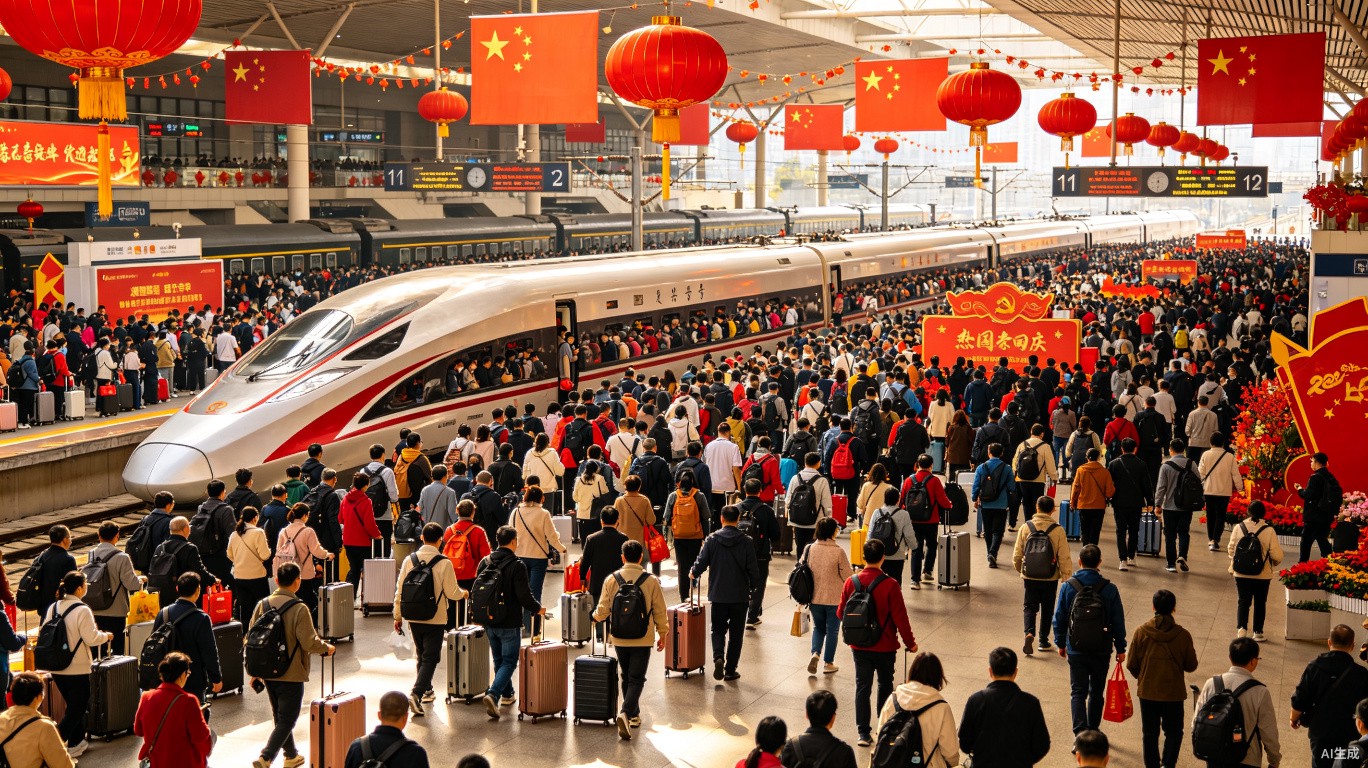
China Golden Week Travel Survival Guide
How to survive China's National Day Golden Week (October 1-7) - what to avoid, where to go, and how to beat the crowds.
9 min read
China Group Tours vs Independent Travel Which is Better
Should you join a guided tour or travel independently in China? Honest comparison of cost, flexibility, and experience.
7 min read
China Itinerary Planning: 7-Day 14-Day and 21-Day Routes: The Complete 2026 G...
Not sure how many days to spend in China? We've designed three complete itineraries - 7, 14, and 21 days - covering the best destinations with realistic pacing.
9 min read