
Hukou Waterfall Yellow River: The Complete 2026 Guide
The cab dropped me at the entrance to the scenic area, and before I even paid the driver, I heard it.
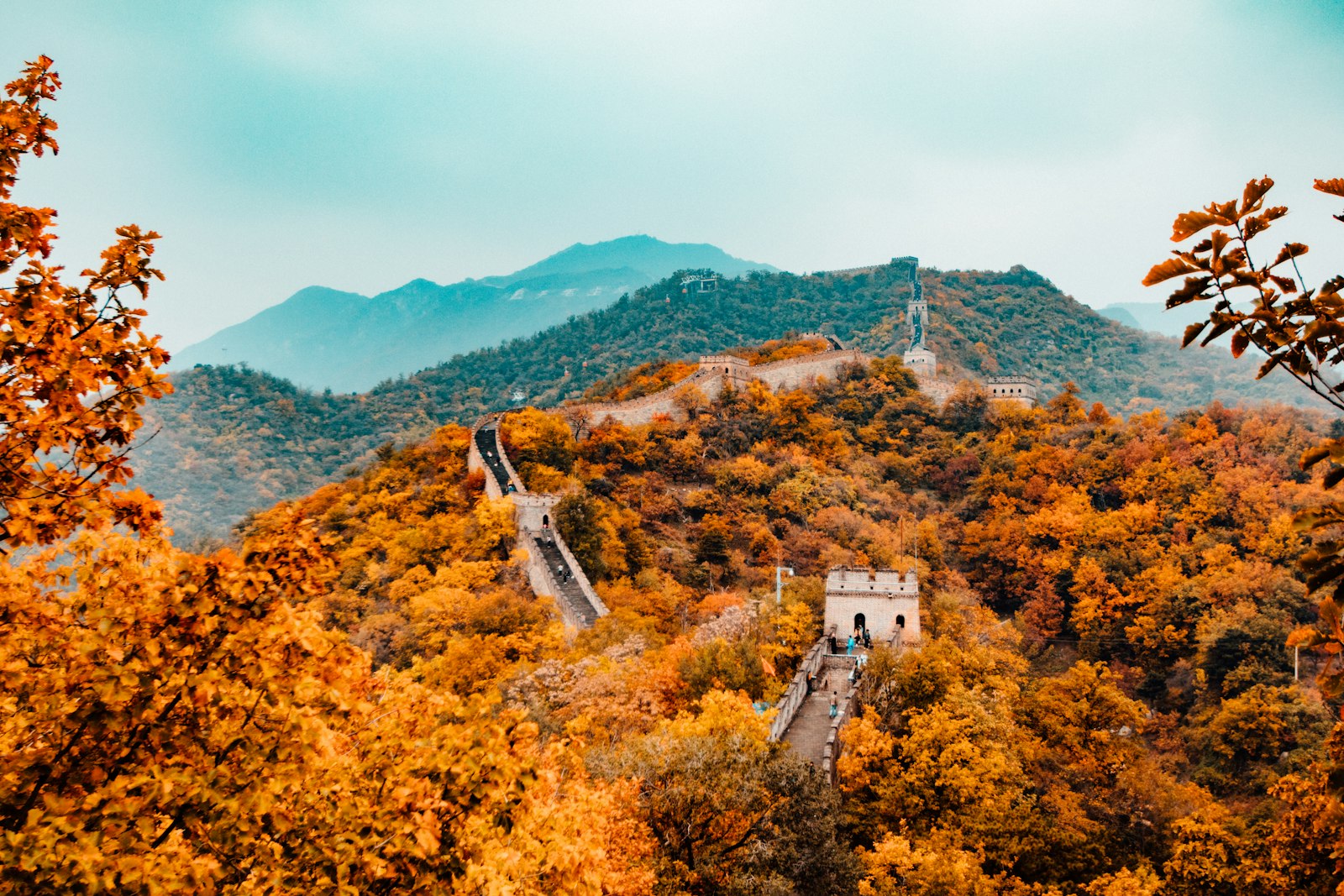
The cab dropped me at the entrance to the scenic area, and before I even paid the driver, I heard it. A low, constant rumble that felt less like a sound and more like a vibration in my chest. I walked the path toward the river, and the ground started to tremble slightly under my feet. Then I turned the corner and saw it: the Yellow River, this massive brown artery of a river, suddenly squeezed from a width of 300 meters into a narrow gorge just 50 meters wide. The water didn’t just flow; it threw itself off the edge with a roar that made conversation impossible.
This is Hukou Waterfall, the second-largest waterfall in China and the only yellow waterfall on Earth. It’s not Niagara, and it’s not Iguazu. It’s something else entirely. It’s violent, muddy, and utterly mesmerizing. I’ve stood at the edge of the Yellow River in Lanzhou where it’s calm and wide, and I’ve seen it in Zhengzhou where it’s a flat, industrial waterway. But here, on the border of Shaanxi and Shanxi provinces, the river finally shows its temper.
This guide covers everything you need to know to visit: how to get there, which side to choose, what it costs, and the mistakes I made so you don’t have to.
Quick answer
Hukou Waterfall is a 50-meter-wide, 20-meter-tall waterfall on the Yellow River, located 45 km west of Yan’an in Shaanxi Province and 165 km south of Taiyuan in Shanxi Province. The best time to visit is mid-April to mid-May (spring flood) or September to November (autumn, when the water is at its most powerful and the river turns a deep red-brown). The entry fee is approximately $13.80 (CNY 100), and you can visit either the Shaanxi side or the Shanxi side. The Shaanxi side is easier to reach from Xi’an, while the Shanxi side offers a closer, more dramatic view of the waterfall’s main drop.
The Short Version
If you only have 90 seconds, here’s the deal. Go in autumn, not summer. The water volume peaks after the rainy season, and the river turns a spectacular reddish-brown. Choose the Shaanxi side if you’re coming from Xi’an (it’s a 4-hour drive) and want the classic panoramic view. Choose the Shanxi side if you want to stand almost directly under the spray and feel the water hit your face. Budget a full day for travel from either city. The waterfall itself is a 2-hour visit. Don’t skip the “Underground Gorge” viewpoint on the Shaanxi side. And bring a rain jacket even on sunny days. The spray is relentless.
How I Picked These
I’ve been to Hukou three times. Once in May, once in August, and once in late October. The first trip was a disaster. I went from Xi’an without booking a driver, ended up on a chaotic local bus, and arrived just as a sandstorm hit. I learned the hard way. The second time I went with a group of Chinese friends from Beijing who showed me the tricks: which side to pick, when to arrive, and how to avoid the worst crowds. The third time I went solo with a notebook and a camera, talking to the ticket sellers, the shuttle bus drivers, and a retired teacher from Xi’an who was photographing the waterfall for the tenth time. This guide is the result of those three trips, plus conversations with locals in Yan’an and Jixian County who’ve lived with the river their whole lives.
Comparison Table
| Rank | Place | Best For | Approx Cost (USD) | Time Needed | When to Go |
|---|---|---|---|---|---|
| 1 | Shaanxi Side (Yichuan) | First-timers, panoramic views, accessibility from Xi’an | $13.80 entry (CNY 100) + $2.80 shuttle (CNY 20) | 2-3 hours | April-May, Sept-Nov |
| 2 | Shanxi Side (Jixian) | Getting close to the water, dramatic spray, photographers | $13.80 entry (CNY 100) + $2.80 shuttle (CNY 20) | 2-3 hours | April-May, Sept-Nov |
| 3 | Underground Gorge Viewpoint | Unique perspective, fewer crowds | Included in Shaanxi entry | 30-45 min | Any time, avoid peak holidays |
| 4 | Longwang Temple (Dragon King Temple) | History, quiet reflection | $3.50 (CNY 25) | 30 min | Morning, before crowds |
| 5 | Qikou Ancient Town | Historic riverside town, local culture | Free entry | Half day | Spring or autumn |
| 6 | Hukou Waterfall Bridge | Crossing between provinces, river views | Free | 15 min | Sunset |
| 7 | Mengmen Mountain | Hiking, elevated views of the gorge | $6.90 (CNY 50) | 2-3 hours | Morning |
| 8 | Yichuan County Town | Local food, overnight stay | Free (food extra) | Overnight | Any time |
| 9 | Jixian County Town | Base for Shanxi side, local markets | Free (food extra) | Overnight | Any time |
| 10 | Yan’an Revolutionary Sites | History, Red Tourism | $2.80-5.50 (CNY 20-40) | Half day | Spring or autumn |
1. Shaanxi Side (Yichuan) 鈥?The Classic View That Delivers
I remember standing on the wooden boardwalk on the Shaanxi side, gripping the railing, and watching the river compress into the gorge. The water didn’t seem to be falling so much as being swallowed. The roar was so loud I could feel it in my teeth. This is the side most tourists choose, and for good reason. The view is wide and unobstructed. You see the full breadth of the river as it narrows and plunges.
The Shaanxi side is the better choice if you’re coming from Xi’an. The road is better, the shuttle bus system is more organized, and the viewing platforms are built for crowds. It’s also where the main “Hukou Waterfall” sign is, the one everyone photographs. The downside? You’re further from the water. The spray is less intense, and you don’t get that visceral sense of being right at the edge.
The Underground Gorge viewpoint is the hidden gem here. You descend a narrow staircase into a cave-like opening and emerge at river level, looking up at the waterfall from below. The perspective is completely different. You see the water churning and boiling at your feet, and the walls of the gorge tower above you. It’s worth the extra 20 minutes.
- 馃搷 Location: Yichuan County, Yan’an, Shaanxi Province. About 4 hours by car from Xi’an.
- 馃帿 Entry fee: $13.80 (CNY 100) for the scenic area. The shuttle bus from the parking lot is an additional $2.80 (CNY 20) round trip. You can walk instead, but it’s a 30-minute uphill slog.
- 馃晲 Opening hours: 7:00 AM to 6:30 PM in summer (April-October), 8:00 AM to 5:30 PM in winter (November-March). Last entry is usually 30 minutes before closing.
- 馃殕 How to get there: From Xi’an North Station, take a high-speed train to Yan’an (about 2.5 hours, $28-42 / CNY 200-300). From Yan’an, take a bus or hire a driver for the 2-hour trip to Yichuan. Alternatively, there are direct tourist buses from Xi’an during peak season (April-November), leaving from the Xi’an Tourist Distribution Center. Book these through your hotel or a local travel agency. The bus takes about 5 hours and costs around $28 (CNY 200) round trip.
- 鈴?When to visit: Arrive at opening time (7:00 AM in summer, 8:00 AM in winter). The light is better, the crowds are thinner, and the spray creates rainbows in the morning sun. Weekdays are significantly quieter than weekends.
- 馃挕 Insider tips:
- The shuttle bus drops you at the top of the hill. Walk down to the waterfall first, then visit the Underground Gorge on your way back. The uphill walk at the end is easier if you’ve already seen the main attraction.
- Bring a waterproof cover for your phone and camera. The spray reaches the upper viewing platforms on windy days.
- The “Dragon’s Mouth” viewpoint, at the southern end of the boardwalk, is where the water is most violent. Most tourists stop at the main platform and miss it.
- If you want a photo without other people in it, wait until 11:30 AM when the tour groups break for lunch.
- The local specialty is Yellow River carp. The restaurants near the entrance all serve it, but the ones further from the gate are cheaper and just as good.
I met a retired teacher from Xi’an who was photographing the waterfall with a massive telephoto lens. He told me he’d been coming every autumn for ten years. “The river changes every time,” he said. “It’s never the same water, and it’s never the same waterfall.”
2. Shanxi Side (Jixian) 鈥?Get Closer to the Roar
The first time I crossed to the Shanxi side, I didn’t expect the difference to be so dramatic. But it was. On the Shaanxi side, you watch the waterfall from a distance. On the Shanxi side, you stand almost inside it. The viewing platform juts out into the gorge, and the water crashes just meters below your feet. The spray soaks you within minutes. It’s loud, wet, and absolutely thrilling.
The Shanxi side is the choice for photographers and people who want to feel the power of the river. The main platform is lower than the Shaanxi side, which means you’re closer to the water level. On windy days, the spray can reach the upper walkways, and you’ll see people running for cover with their cameras wrapped in plastic bags. But the close-up view of the main drop is unmatched.
The downside is accessibility. The Shanxi side is harder to reach. There’s no high-speed rail station nearby. You’ll need to get to Linfen (about 2.5 hours from Taiyuan by train) and then take a bus or hire a car for another 2 hours to Jixian County. It’s a longer journey, but if you’re already in Shanxi Province, it’s worth the extra effort.
- 馃搷 Location: Jixian County, Linfen, Shanxi Province. About 4.5 hours by car from Taiyuan.
- 馃帿 Entry fee: $13.80 (CNY 100) for the scenic area. Shuttle bus is $2.80 (CNY 20) round trip. The shuttle is more essential here because the parking lot is further from the waterfall.
- 馃晲 Opening hours: Same as the Shaanxi side. 7:00 AM to 6:30 PM in summer, 8:00 AM to 5:30 PM in winter.
- 馃殕 How to get there: From Taiyuan South Station, take a high-speed train to Linfen West (about 1.5 hours, $20-28 / CNY 150-200). From Linfen, take a bus to Jixian County (about 2 hours, $5.50 / CNY 40), then a local bus or taxi to the scenic area (30 minutes). Alternatively, hire a private driver from Linfen for the day. Expect to pay around $70-100 (CNY 500-700) including waiting time.
- 鈴?When to visit: The Shanxi side is best in the afternoon when the sun is behind you, illuminating the spray and creating rainbows. Morning visits mean the sun is in your eyes.
- 馃挕 Insider tips:
- The closest viewpoint to the main drop is at the end of the lower walkway. It’s slippery. Wear shoes with good grip.
- Buy a cheap poncho from the vendors near the entrance. They cost about $1.40 (CNY 10) and will save your clothes.
- The “Water Curtain Cave” on this side is a natural cave behind the waterfall. It’s not always open, but when it is, it’s a surreal experience. Ask the ticket staff if it’s accessible.
- There’s a pedestrian bridge connecting the two sides, but it’s a 40-minute walk from the main viewing areas. It’s worth it if you want to cross without going back to the parking lots.
- The local specialty here is “Hukou noodles” (饸饹面), a buckwheat noodle dish served with a spicy meat sauce. Try it at a small restaurant in Jixian town, not at the tourist area.
I made the mistake of wearing white sneakers on the Shanxi side. By the time I left, they were brown. The mud from the Yellow River is fine-grained and stains everything. I still have those sneakers, and they still have a faint yellow tint.
3. Underground Gorge Viewpoint 鈥?The Secret Most Tourists Miss
I almost skipped this. I was tired, my feet hurt, and the main waterfall view had already blown me away. But a shuttle bus driver pointed at a small sign and said, “Go down. It’s worth it.” He was right.
The Underground Gorge is a series of walkways and platforms built at the base of the gorge, below the main viewing level. You descend a steep staircase into a narrow canyon where the river surges past at eye level. The water is so close you can touch it, though I wouldn’t recommend trying. The current is deceptively strong, and the rocks are slick.
This is where you truly understand the power of the Yellow River. From above, the waterfall is a spectacle. From below, it’s a force of nature. The sound is deafening, the air is thick with moisture, and the water churns and boils like liquid mud. It’s primal in a way that’s hard to describe.
- 馃搷 Location: Within the Shaanxi side scenic area, at the southern end of the main boardwalk.
- 馃帿 Entry fee: Included in the Shaanxi side entry fee ($13.80 / CNY 100).
- 馃晲 Opening hours: Same as the Shaanxi side scenic area.
- 馃殕 How to get there: From the main waterfall viewing platform, walk south along the boardwalk for about 10 minutes. You’ll see a staircase descending into the gorge. Follow it down.
- 鈴?When to visit: Go early in the morning before the tour groups arrive. The walkways are narrow, and it gets crowded by 10:00 AM.
- 馃挕 Insider tips:
- The stairs are steep and wet. Take your time and hold the handrails.
- The platforms at the bottom are the best spot for photos of the waterfall from below. Use a wide-angle lens if you have one.
- There’s a small cave at the far end of the walkway. It’s a natural alcove where you can stand behind the waterfall’s spray. The view is unique.
- Don’t bring a backpack with expensive gear. The mist gets everywhere.
- This is the quietest part of the scenic area. If you want a moment of solitude with the river, come here.
I stood at the bottom of the gorge for a long time, just watching the water. A Chinese couple asked me to take their photo, and we ended up talking for half an hour. They were from Chengdu and had driven eight hours to see the waterfall. “We have waterfalls in Sichuan,” the husband said, “but nothing like this. This one has a personality.”
4. Longwang Temple (Dragon King Temple) 鈥?A Quiet Corner of History
Perched on a cliff overlooking the waterfall, the Longwang Temple is easy to miss. Most tourists walk right past the entrance, focused on getting to the main viewing platform. But this small temple has been here for centuries, watching the river do its thing.
The temple is dedicated to the Dragon King, the deity who controls rain and water in Chinese mythology. Locals have worshipped here for generations, praying for good harvests and safe passage on the river. The current building dates from the Qing Dynasty, though there’s been a temple on this spot for much longer.
What I love about this place is the contrast. You step out of the chaos of the waterfall, with its roar and spray, and into a quiet courtyard with incense smoke curling into the sky. The temple is small, maybe a five-minute visit, but it offers a different perspective on the river. From here, you can see the waterfall from above and to the side, a view most people never get.
- 馃搷 Location: On the Shaanxi side, on the cliff above the waterfall’s main drop.
- 馃帿 Entry fee: $3.50 (CNY 25) for the temple itself. Some tickets include it, so check yours.
- 馃晲 Opening hours: 8:00 AM to 5:30 PM.
- 馃殕 How to get there: From the main scenic area entrance, follow the path uphill to the left. The temple entrance is about 200 meters from the main ticket gate.
- 鈴?When to visit: Morning, before the crowds arrive. The temple is quietest between 8:00 AM and 9:30 AM.
- 馃挕 Insider tips:
- The temple has a small balcony with the best elevated view of the waterfall. Most people don’t realize it’s there.
- You can buy incense at the temple for about $0.70 (CNY 5) and make an offering. It’s a nice way to connect with local culture.
- The temple keeper is a friendly old man who speaks no English but will happily show you around with gestures and smiles.
- There’s a small teahouse next to the temple. The tea is overpriced, but the view is worth it.
The temple keeper, an old man with a weathered face, gestured for me to look at the waterfall from his favorite spot. He pointed at the river, then at the sky, and made a rain gesture with his hands. I nodded. He smiled and offered me a cigarette. I declined, but we stood there together for a while, watching the water.
5. Qikou Ancient Town 鈥?Where the River Meets History
Qikou is not directly at the waterfall, but it’s close enough to include in a Hukou trip, and it’s one of the most underrated places in this region. This ancient riverside town sits at the confluence of the Yellow River and the Qinshui River, and it was once a major port for goods traveling between the north and south.
The town has been preserved remarkably well. Stone streets wind between traditional courtyard houses, many of which date from the Ming and Qing dynasties. There are no ticket booths, no tour groups, no souvenir shops selling the same plastic trinkets you see everywhere else. Just a living town that happens to be ancient.
I spent an afternoon wandering the streets, watching old men play chess in the shade, and eating a bowl of noodles at a tiny restaurant run by a grandmother who refused to let me pay. “You’re a guest,” she said through a translator app. “Guests don’t pay.”
- 馃搷 Location: Qikou Town, Lin County, Shanxi Province. About 1.5 hours by car from Jixian County.
- 馃帿 Entry fee: Free. Some of the individual courtyard houses charge a small fee ($1.40-2.80 / CNY 10-20) to enter.
- 馃晲 Opening hours: Always open. The town is a living community, not a museum.
- 馃殕 How to get there: From Jixian County, take a local bus or hire a taxi for the 1.5-hour drive. The road follows the river, and the scenery is beautiful.
- 鈴?When to visit: Spring or autumn. Summer is hot, and winter is cold and windy. Weekdays are quiet; weekends see a trickle of domestic tourists.
- 馃挕 Insider tips:
- The best views of the town are from the riverbank on the opposite side. Cross the suspension bridge and look back.
- The local specialty is “potato cake” (土豆饼), a fried potato dish served with a garlic sauce. It’s simple, filling, and delicious.
- Stay overnight if you can. There are a few guesthouses in the old town, and the evening atmosphere, when the day-trippers leave, is magical.
- The town has a small museum dedicated to the Yellow River’s history. It’s not well-signposted, but it’s worth finding.
- Don’t expect English signage. Download a translation app before you come.
The grandmother who wouldn’t let me pay for my noodles insisted on taking a photo with me afterward. She held my hand and smiled for the camera, then patted my cheek and said something I didn’t understand. Her granddaughter translated: “She says you look hungry and need to eat more.”
6. Hukou Waterfall Bridge 鈥?The Border Crossing
The bridge across the Yellow River at Hukou is not a tourist attraction in the traditional sense. It’s a functional road bridge connecting Shaanxi and Shanxi provinces. But it offers a view of the waterfall that you can’t get from either side.
From the middle of the bridge, you see the river from directly above. The water narrows and accelerates as it approaches the drop, then disappears into the gorge. It’s a different perspective, more about the river’s movement than the waterfall itself.
The bridge is also a practical way to cross between the two sides without going back through the scenic areas. If you want to see both the Shaanxi and Shanxi sides in one day, the bridge is your shortcut. It’s about a 40-minute walk from the main viewing areas, or a quick drive if you have a car.
- 馃搷 Location: On the border between Yichuan County (Shaanxi) and Jixian County (Shanxi).
- 馃帿 Entry fee: Free.
- 馃晲 Opening hours: Always open.
- 馃殕 How to get there: From either scenic area, follow the road toward the river. The bridge is clearly visible from both sides.
- 鈴?When to visit: Sunset. The light on the river is beautiful, and the crowds have thinned out.
- 馃挕 Insider tips:
- The bridge is narrow and has no pedestrian walkway. Walk facing the traffic and be careful.
- The best photo spot is about a third of the way across, where you can see the river narrowing ahead.
- There’s a small parking area at the Shaanxi end of the bridge. You can leave your car there and walk across.
- Vendors sell snacks and drinks at both ends of the bridge. The prices are reasonable.
I crossed the bridge at sunset on my second visit. A group of Chinese cyclists were resting at the Shaanxi end, their bikes loaded with panniers. One of them, a woman in her fifties, told me she was cycling from Xi’an to Beijing. “The Yellow River is the hard part,” she said, laughing. “Everything after this is flat.”
7. Mengmen Mountain 鈥?The View From Above
Mengmen Mountain is the highest point near the waterfall, offering a bird’s-eye view of the entire gorge. It’s a bit of a climb, but the payoff is worth it.
The mountain is named after the “Mengmen” (猛门), which translates to “Fierce Gate,” a reference to the narrow gorge where the river forces its way through. From the summit, you can see the river winding through the landscape, the waterfall hidden in the gorge below, and the bridge connecting the two provinces.
The hike takes about an hour from the base to the summit. The trail is well-maintained but steep in places. There are a few rest areas with benches and shade, and a small pavilion at the top.
- 馃搷 Location: On the Shanxi side, about 15 minutes by car from the main scenic area.
- 馃帿 Entry fee: $6.90 (CNY 50). Includes access to the mountain trail and the summit pavilion.
- 馃晲 Opening hours: 8:00 AM to 5:00 PM.
- 馃殕 How to get there: From Jixian County, take a taxi or local bus toward the scenic area. The mountain entrance is on the left, about 2 km before the waterfall.
- 鈴?When to visit: Early morning, before the heat of the day. The light is also better for photography.
- 馃挕 Insider tips:
- Wear hiking shoes. The trail is rocky and uneven in places.
- Bring water. There are no shops on the mountain.
- The summit pavilion has a 360-degree view. Don’t just look at the river; look at the surrounding hills and farmland.
- The trail is not crowded. You’ll likely have the mountain to yourself.
- If you’re lucky, you’ll see eagles circling above the gorge.
I hiked Mengmen Mountain with a local guide named Wang, who pointed out the different rock layers in the gorge walls. “Each layer is a different dynasty,” he joked. “The river has been writing history here for millions of years.”
8. Yichuan County Town 鈥?The Base Camp
Yichuan is not a beautiful town. It’s a functional county seat, the kind of place where people live and work and don’t think twice about the waterfall 45 minutes away. But it’s the most practical base for visiting the Shaanxi side, and it has a few surprises.
The town’s main street is lined with restaurants, hotels, and shops. The food is local and honest: hand-pulled noodles, lamb skewers, and the famous Yellow River carp. The hotels are basic but clean, and the prices are reasonable.
What I like about Yichuan is the authenticity. This is not a tourist town. The people here are farmers, shopkeepers, and government workers. They go about their daily lives, and if you’re curious, they’ll talk to you. It’s a glimpse of rural China that most tourists never see.
- 馃搷 Location: Yichuan County, Yan’an, Shaanxi Province.
- 馃帿 Entry fee: Free. Food and accommodation are extra.
- 馃晲 Opening hours: Always open. The town is a living community.
- 馃殕 How to get there: From Yan’an, take a bus or hire a car for the 2-hour drive. The bus station is in the center of town.
- 鈴?When to visit: Any time. The town is quiet and unremarkable, which is exactly its charm.
- 馃挕 Insider tips:
- The night market, near the bus station, is the best place to eat. Try the lamb skewers and the fried noodles.
- The local specialty is “Yichuan fried rice” (宜川炒饭), a simple dish of rice, eggs, and vegetables that’s surprisingly good.
- Hotels in Yichuan are cheaper than those near the waterfall. Book in advance during peak season.
- The town has a small park along the river. It’s a nice place for an evening walk.
- If you need a SIM card or to top up your phone, there are several mobile phone shops on the main street. For more on staying connected in China, check out this SIM card and internet guide.
I had dinner at a small restaurant in Yichuan, and the owner, a woman in her forties, sat down at my table to chat. She asked where I was from, what I did, and whether I liked Chinese food. When I said yes, she brought out a free plate of dumplings. “For the foreigner,” she said, laughing.
9. Jixian County Town 鈥?The Other Side’s Base
Jixian is the Shanxi equivalent of Yichuan, and it’s even less touristy. This is a working county town, home to farmers, coal miners, and government workers. The streets are dusty, the buildings are utilitarian, and the food is hearty.
I stayed in Jixian for two nights on my second visit, using it as a base for the Shanxi side of the waterfall and for Qikou Ancient Town. It was a good decision. The town is quiet, the people are friendly, and the prices are low.
The highlight of Jixian is the food. The local specialty is “Hukou noodles” (饸饹面), a buckwheat noodle dish served with a spicy meat sauce. It’s simple, filling, and delicious. I ate it three times in two days.
- 馃搷 Location: Jixian County, Linfen, Shanxi Province.
- 馃帿 Entry fee: Free. Food and accommodation are extra.
- 馃晲 Opening hours: Always open.
- 馃殕 How to get there: From Linfen, take a bus or hire a car for the 2-hour drive. The bus station is on the edge of town.
- 鈴?When to visit: Any time. The town is quiet and unremarkable.
- 馃挕 Insider tips:
- The best Hukou noodles are at a small restaurant called “Lao Wang’s” (老王饸饹面) on the main street. It’s not marked in English, so look for the red sign with yellow characters.
- The morning market, near the bus station, is a great place to see local life. Farmers sell vegetables, eggs, and live chickens.
- Jixian has a few small hotels. They’re basic but clean. Book in advance during peak season.
- The town is a good base for visiting Qikou Ancient Town. Buses leave from the bus station every hour.
- If you’re driving, be careful on the mountain roads. They’re narrow and winding.
I asked my hotel receptionist in Jixian for restaurant recommendations. She wrote down three names in Chinese and drew a map. “This one is the best,” she said, pointing to the first. “But go early. They run out of noodles by 7 PM.”
10. Yan’an Revolutionary Sites 鈥?History Before the Waterfall
Yan’an is the city where the Chinese Communist Party established its base after the Long March, and it’s a place of pilgrimage for many Chinese tourists. The revolutionary sites here are not for everyone, but they offer a fascinating glimpse into modern Chinese history.
The main sites include the Yan’an Revolutionary Memorial Hall, the Yangjialing Revolutionary Site, and the Fenghuang Mountain Revolutionary Site. They’re spread across the city, and most are free or have a small entry fee.
I visited Yan’an on my first trip to Hukou, and I’m glad I did. The history is complex, but the sites themselves are well-preserved and thoughtfully presented. Even if you’re not interested in Chinese revolutionary history, the cave dwellings where Mao Zedong lived are worth seeing.
- 馃搷 Location: Yan’an, Shaanxi Province. The sites are spread across the city.
- 馃帿 Entry fee: $2.80-5.50 (CNY 20-40) depending on the site. Some are free.
- 馃晲 Opening hours: 8:00 AM to 5:30 PM. Some sites close on Mondays.
- 馃殕 How to get there: From Yan’an Railway Station, take a taxi or local bus to the sites. They’re all within the city limits.
- 鈴?When to visit: Spring or autumn. Summer is hot, and winter is cold.
- 馃挕 Insider tips:
- The Yan’an Revolutionary Memorial Hall is the best starting point. It provides context for the other sites.
- The cave dwellings at Yangjialing are the most interesting. You can go inside and see how Mao lived.
- Hire a guide or download an audio guide app. The signage is in Chinese only.
- Yan’an is a good base for visiting Hukou. The high-speed train from Xi’an takes about 2.5 hours.
- The local specialty is “Yangjialing chicken” (杨家岭鸡), a spicy chicken dish named after the revolutionary site.
I visited the cave dwellings at Yangjialing with a group of Chinese students who were on a school trip. One of them, a teenage girl, asked me in English if I knew who Mao Zedong was. I said yes. She looked relieved. “Good,” she said. “My English teacher said foreigners don’t know about him.”
FAQ summary
Hukou Waterfall is accessible from two sides: the Shaanxi side (near Yichuan, easier from Xi’an) and the Shanxi side (near Jixian, closer to the water). The entry fee is approximately $13.80 (CNY 100) per side, with an additional $2.80 (CNY 20) for the shuttle bus. The best time to visit is April-May or September-November, when water levels are high. The waterfall is open year-round, but winter visits are cold and the spray can freeze. Most visitors spend 2-3 hours at the waterfall itself, with a full day needed for travel from either Xi’an or Taiyuan. Payment apps like Alipay and WeChat Pay are essential, as cash is rarely accepted at ticket booths or restaurants.
FAQ
Q: Is Hukou Waterfall worth visiting? A: Yes, if you have an extra day in your itinerary. It’s one of China’s most dramatic natural sights, and it’s unlike any other waterfall you’ll see. The Yellow River’s muddy water and the narrow gorge create a unique spectacle that’s worth the travel time.
Q: Which side of Hukou Waterfall is better, Shaanxi or Shanxi? A: The Shaanxi side offers a wider, more panoramic view and is easier to reach from Xi’an. The Shanxi side gets you closer to the water and is more dramatic, but it’s harder to reach. If you have time, visit both sides.
Q: How do I get from Xi’an to Hukou Waterfall? A: Take a high-speed train from Xi’an North Station to Yan’an (about 2.5 hours, $28-42 / CNY 200-300), then a bus or private car for the 2-hour drive to the waterfall. Direct tourist buses from Xi’an also operate during peak season.
Q: What is the best time of year to visit Hukou Waterfall? A: Mid-April to mid-May and September to November are the best times. The water volume is highest after the rainy season, and the weather is pleasant. Avoid Chinese national holidays (early October) when crowds are enormous.
Q: Do I need to book tickets in advance for Hukou Waterfall? A: It’s recommended during peak season and holidays. You can book through the official WeChat mini-program or through your hotel. Walk-up tickets are usually available on weekdays.
Q: Can I visit Hukou Waterfall in winter? A: Yes, but be prepared for cold weather and icy walkways. The waterfall partially freezes, creating a different kind of beauty. The spray can freeze on the railings and steps, so wear sturdy shoes.
Q: Do I need a VPN for my phone in China? A: Yes, if you want to access Google, Instagram, WhatsApp, or other blocked sites. You’ll also need a local SIM card or an eSIM. Check out this China SIM card and internet guide for details.
Q: Is Hukou Waterfall accessible for people with mobility issues? A: Partially. The main viewing platforms on the Shaanxi side are accessible by shuttle bus and have ramps. The Underground Gorge and the Shanxi side’s lower walkways require stairs. If you have mobility issues, stick to the main platforms.
The Honest Wrap-up
This list is for travelers who want to see something genuinely spectacular, not just check off
Topics
More guides you may like
Top 10 Bridges in China
China's bridges are engineering marvels spanning mountains, rivers, and seas. Here are 10 of the most spectacular, from ancient stone to modern steel.
8 min read

Top 10 Buddhist Sites in China
From the Leshan Giant Buddha to the Dunhuang Caves, these 10 Buddhist sites represent 2,000 years of China's spiritual heritage.
9 min read

Top 10 Day Trips from Beijing You Shouldn't Miss
Beijing is packed with history, but some of China's best experiences are just a few hours away. Here are 10 day trips that will transform your visit.
9 min read
Top 10 Hidden Gems in China Off the Beaten Path
Beyond the Great Wall and Terracotta Warriors, China has incredible hidden destinations few tourists ever reach. Here are 10 underrated gems worth the detour.
9 min read
Top 10 Markets and Shopping Streets in China
From Shanghai's Bund to Beijing's Silk Street - 10 markets where foreigners can haggle, explore, and bring home authentic Chinese goods.
9 min read
Top 10 Museums in China You Shouldn't Miss
China's museums span 5,000 years of civilization. These 10 - from the Palace Museum to Xi'an's terracotta gallery - are unmissable for culture lovers.
9 min read