
China Conference Event Guide
The rain came down in sheets over the Shanghai Exhibition Centre, and I was standing under the awning with a guy from Munich who kept checking his phone for a m.
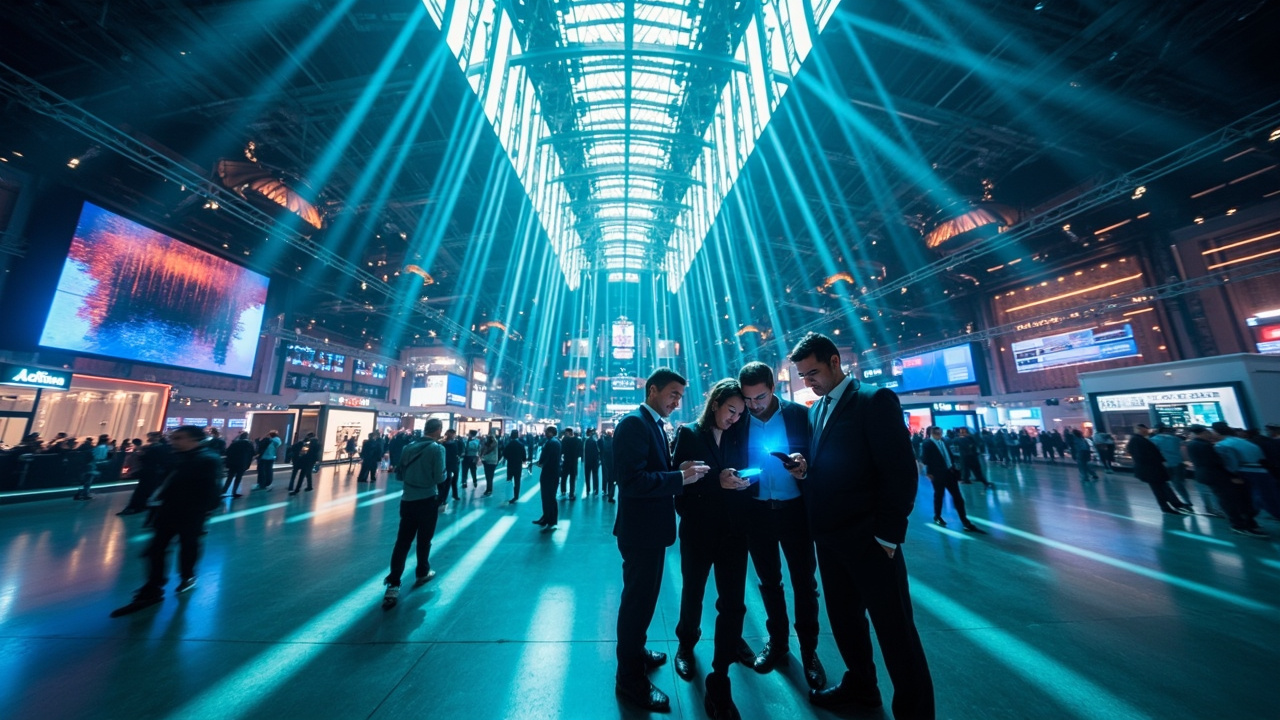
The rain came down in sheets over the Shanghai Exhibition Centre, and I was standing under the awning with a guy from Munich who kept checking his phone for a meeting invite that wouldn’t come for another hour. We watched a group of Korean delegates try to hail a cab in the downpour, their umbrellas useless against the wind. It was my seventh conference season in China, and I realized I’d never actually written down the things I’d learned the hard way: which venues have decent coffee, which ones make you walk a mile for a bathroom, and which cities are genuinely worth extending your stay in versus ones you should leave the minute the closing keynote ends.
China hosts more international conferences than any country in Asia, and the infrastructure is genuinely world-class. But the experience of attending one here is different from anywhere else. The payment systems, the transport quirks, the visa rules that changed again last year, the fact that your Google Maps won’t work, the sheer scale of everything. This guide is what I’d tell a friend before they booked their flight. It’s built from real visits, real train rides, and real conference badges.
Quick answer
China’s major conference cities are Beijing, Shanghai, Shenzhen, and Hangzhou, with the best seasons being April-May and September-October when the weather is mild and the air quality is at its best. Most international attendees can enter visa-free for up to 30 days under the 2025-2026 expanded visa-free transit policy, but you must check your passport country’s specific eligibility before booking. Budget at least $150-250 (CNY 1,080-1,800) per day for a mid-range hotel, meals, and transport, and plan to use Alipay or WeChat Pay for everything since cash and foreign cards are rarely accepted.
The Short Version
If you only have 90 seconds, here’s the deal. Book your flights early, get your visa situation sorted before anything else, and download Alipay the day you land. Beijing and Shanghai have the best venues and the most English-friendly infrastructure. Shenzhen is where the tech money is. Hangzhou is the one you should actually extend your stay in because it’s beautiful and most people don’t bother. Don’t bother with a SIM card from your home carrier, get a local one or an eSIM. And for the love of everything, learn how to use the metro system because taxis in rush hour will eat your soul.
How I Picked These
I’ve attended or spoken at over 40 conferences in China since 2019, from massive tech expos in Shenzhen with 100,000 attendees to niche academic gatherings in Chengdu with 80 people. I’ve sat through bad translations, eaten questionable banquet food, and discovered which venues have genuinely good Wi-Fi versus which ones just claim it. I also talked to local event organizers, hotel staff, and fellow international attendees to cross-check my experiences. This list isn’t about which conferences are the biggest or most prestigious. It’s about which cities and venues actually work for a first-time international visitor who doesn’t speak Mandarin and doesn’t want to spend their whole trip confused and frustrated.
Comparison Table
| Rank | Place | Best For | Approx Cost (USD) | Time Needed | When to Go |
|---|---|---|---|---|---|
| 1 | Shanghai | First-timers, big expos, English-friendly | $200-300/day | 4-6 days | Apr-May, Sep-Oct |
| 2 | Beijing | Government/policy events, history | $180-280/day | 4-6 days | Apr-May, Sep-Oct |
| 3 | Shenzhen | Tech, hardware, startups | $150-250/day | 3-5 days | Nov-Dec, Mar-Apr |
| 4 | Hangzhou | Tech (Alibaba), scenery, smaller events | $130-220/day | 3-4 days | Apr-May, Oct-Nov |
| 5 | Chengdu | Biotech, pharma, relaxed vibe | $120-200/day | 3-4 days | Mar-May, Sep-Oct |
| 6 | Guangzhou | Trade fairs, Canton Fair, manufacturing | $140-230/day | 4-5 days | Apr-May, Oct-Nov |
| 7 | Xi’an | Academic conferences, history | $100-180/day | 3-4 days | Apr-May, Sep-Oct |
| 8 | Suzhou | Corporate retreats, manufacturing | $120-200/day | 2-3 days | Apr-May, Sep-Oct |
| 9 | Wuhan | Academic, medical research | $100-170/day | 3-4 days | Mar-May, Sep-Oct |
| 10 | Nanjing | Academic, government, history | $110-190/day | 3-4 days | Mar-May, Sep-Oct |
Shanghai National Exhibition and Convention Center — the big one
I remember walking from the metro station to the entrance of this place and feeling like I was approaching a small city. It’s enormous, and the sheer volume of people during major events like the China International Import Expo is genuinely overwhelming the first time. The building itself is modern and efficient, but the real reason to pick Shanghai for your first conference is everything outside the venue.
The city is the most foreigner-friendly in China. English signage is everywhere, the metro is genuinely easy to navigate, and you can find decent coffee, Western food, and people who speak English in most hotels and restaurants. The venue is directly connected to the East Xujing metro station on Line 2, which means you can get there without ever going outside, which matters in July when it’s 35 degrees and humid or in January when it’s cold and damp.
Location: Qingpu District, about 30 minutes from downtown Shanghai by metro.
Entry fee: Conference registration varies wildly, but expect $200-800 (CNY 1,440-5,760) for most international events. The venue itself is free to enter if you’re not attending an event.
Opening hours: Depends on the event. Most conferences run 8:30 AM to 6:00 PM. The building itself is open during events only, not as a public space.
How to get there: Take Metro Line 2 to East Xujing Station, Exit 4 or 5. Follow the signs. You can also take Line 17. The station is literally underneath the venue. If you’re staying in downtown Shanghai, budget 40-50 minutes on the metro.
When to visit: Spring (April-May) and autumn (September-October) are ideal. Avoid July-August unless you enjoy sweating through your suit.
Insider tips: Get a metro card or set up the Shanghai Metro app on your phone before you arrive. The venue has multiple entrances and it’s easy to get lost inside, so take a photo of the entrance you came in through. The food courts inside are surprisingly decent and cheap. Don’t bother with taxis to get here during rush hour, the metro is faster. Bring a light jacket, the air conditioning is aggressive.
I once spent 20 minutes walking in circles inside this venue looking for a specific hall, and a security guard eventually took pity on me and walked me there. He didn’t speak English, I didn’t speak Mandarin, but we communicated through gestures and shared frustration.
Beijing China National Convention Center — the political one
This is where the big government-adjacent events happen, and you can feel it the moment you walk in. The security is tighter, the atmosphere is more formal, and the architecture is designed to make you feel small. It’s not a bad thing, but it’s different from the Shanghai vibe. The venue is in the Olympic Green area, which means you’re surrounded by the Bird’s Nest and the Water Cube, which is a nice thing to see if you have time.
The real advantage of Beijing is the city itself. If this is your first trip to China, you want to see the Great Wall, the Forbidden City, and the hutongs. You can do that while attending a conference here. The downside is that Beijing is less English-friendly than Shanghai, the air quality can be rough in winter, and the traffic is genuinely terrible.
Location: Chaoyang District, Olympic Green area.
Entry fee: Conference fees vary, usually $200-700 (CNY 1,440-5,040). The venue is not open to the public outside events.
Opening hours: Event hours only, typically 8:30 AM to 5:30 PM.
How to get there: Take Metro Line 8 to Olympic Green Station, Exit E. Walk about 10 minutes north. Or take Line 15 to Olympic Park Station. Taxis are fine if you’re not in a rush, but allow extra time for traffic.
When to visit: April-May and September-October are the sweet spots. Winter can be brutally cold and the air quality is often poor. Summer is hot but manageable.
Insider tips: The security checks are thorough, so arrive 15 minutes early. English is less common here than in Shanghai, so have your conference registration printed or saved offline. The area around the venue is mostly empty and corporate, so plan to eat elsewhere. Book a hotel on the subway line, not necessarily near the venue. The Great Wall tours from Beijing are worth doing if you have a free day, but book through your hotel or a reputable operator.
I ate lunch alone at a noodle shop near the venue and the owner, an older woman who didn’t speak a word of English, kept bringing me extra dishes and refused to let me pay for them. She just kept pointing at me and nodding, like she’d decided I looked hungry and that was that.
Shenzhen World Exhibition & Convention Center — the tech one
Shenzhen is where China’s tech industry lives, and this venue, which opened in 2019, is the second-largest exhibition center in the world. It’s massive, modern, and built for the kind of mega-events that define the city’s calendar. If you’re attending anything related to hardware, electronics, or startups, this is probably where you’re going.
The city itself is younger and more energetic than Beijing or Shanghai. It’s also more spread out, which means you’ll rely on the metro more. The venue is located in Bao’an District, right on the coast, which means you get sea views and a nice breeze, but it’s a solid 40-50 minutes from the city center.
Location: Bao’an District, on the coast near the airport.
Entry fee: Conference fees range from $150-600 (CNY 1,080-4,320). The venue itself is free to enter during public events.
Opening hours: Event hours, usually 9:00 AM to 6:00 PM.
How to get there: Take Metro Line 20 to the Exhibition Center Station. It’s a direct stop. From the airport, it’s about 20 minutes by taxi or metro. From downtown Shenzhen, budget 45-60 minutes on the metro.
When to visit: November-December is prime tech conference season. March-April is also good. Summer is hot and humid, and typhoon season runs June-September.
Insider tips: The airport is close, so consider staying near the venue if your conference is short. The food options inside the venue are decent but limited, so explore Bao’an for better options. Many locals in Shenzhen are from elsewhere in China, so Mandarin is the common language, not Cantonese. English is less common than in Shanghai but more common than in Beijing. Download the Shenzhen Metro app for easier navigation.
I was at a hardware expo here and a startup founder from Shenzhen spent 20 minutes explaining to me why his company’s battery technology was better than everything on the market. He was so passionate about it that I almost invested. I didn’t, but I still remember the conversation.
Hangzhou International Expo Center — the beautiful one
Hangzhou is the conference city people forget about, and that’s a mistake. The venue is modern and well-run, but the real reason to come here is the city itself. West Lake is one of the most beautiful urban landscapes in China, and the tea fields in the surrounding hills are worth a day of your time. If you’re attending a tech conference, there’s a good chance it’s here because Alibaba’s headquarters is in the city.
The venue is located on the Qianjiang River, which means you get river views and a more relaxed atmosphere than the mega-cities. It’s also smaller than the Shanghai or Shenzhen venues, which means less walking and less chaos.
Location: Binjiang District, on the south bank of the Qianjiang River.
Entry fee: Conference fees typically $150-500 (CNY 1,080-3,600).
Opening hours: Event hours, usually 9:00 AM to 5:30 PM.
How to get there: Take Metro Line 1 to Jiangling Road Station, then walk about 10 minutes. Or take Line 6 to Expo Center Station, which is closer. From Hangzhou East Railway Station, it’s about 30 minutes by metro.
When to visit: April-May when the spring flowers are out, or October-November for the autumn colors. Summer is hot and humid. Winter is cold and damp.
Insider tips: Extend your stay by at least a day to see West Lake. Rent a bike and ride around the lake early in the morning before the crowds. The Longjing tea fields are a 30-minute taxi ride away and worth it. Book your hotel near the metro line, not necessarily near the venue. The local food is excellent, especially the freshwater fish dishes.
I took a morning walk around West Lake before a conference started and watched an elderly man practicing calligraphy with water on the stone path. He wrote character after character, and they evaporated within minutes. It felt like a metaphor for something, though I’m still not sure what.
Chengdu Century City International Convention Center — the relaxed one
Chengdu is the city that makes you forget you’re in China for work. The pace is slower, the people are friendlier, and the food is the best in the country. The convention center is in the south of the city, near the New International Exhibition Center, and it’s a solid venue, if not spectacular. The real reason to come here is the city itself.
If you’re in biotech, pharma, or any life sciences field, there’s a good chance your conference is here. The city has invested heavily in these industries. But even if your event is in another field, Chengdu is worth considering just for the experience.
Location: High-tech Zone, south Chengdu.
Entry fee: Conference fees typically $120-450 (CNY 864-3,240).
Opening hours: Event hours, usually 9:00 AM to 5:30 PM.
How to get there: Take Metro Line 1 to Century City Station, Exit A. The venue is directly connected to the station. From the airport, it’s about 30 minutes by taxi or 50 minutes by metro.
When to visit: March-May and September-October are ideal. Summer is hot but not as brutal as the eastern cities. Winter is mild but overcast.
Insider tips: Go to a hotpot restaurant with your colleagues, it’s a bonding experience you won’t forget. The panda base is worth a morning, go early to see the pandas when they’re active. English is less common here, so have your translation app ready. The local beer is surprisingly good. Don’t be afraid to eat street food, it’s excellent.
I had hotpot with a group of conference attendees from six different countries, and the Sichuan peppercorns numbed all our mouths simultaneously. We sat there, laughing and unable to speak properly, communicating through gestures and shared pain. It was the best team-building exercise I’ve ever done.
Guangzhou Pazhou Complex — the trade fair one
Guangzhou is the trade fair city, and the Pazhou Complex is the heart of it. The Canton Fair, held here twice a year, is the largest trade fair in the world, and if you’re in any kind of manufacturing or import-export business, you’ve probably heard of it. The venue is massive, with multiple halls spread across a huge area, and it can feel overwhelming.
The city itself is more chaotic than Shanghai or Beijing, but it has a charm to it. The food is excellent, the Cantonese culture is distinct, and the city feels more lived-in than the newer Chinese mega-cities.
Location: Haizhu District, on the Pearl River.
Entry fee: Canton Fair registration is free but requires pre-registration. Other conference fees vary, typically $150-500 (CNY 1,080-3,600).
Opening hours: Canton Fair runs in phases, each lasting about 5 days. Other events vary.
How to get there: Take Metro Line 8 to Xingang East Station, Exit A or B. The venue is directly connected. From Guangzhou South Railway Station, it’s about 40 minutes by metro.
When to visit: The Canton Fair runs in April and October. Other conferences happen year-round, but spring and autumn are best for weather.
Insider tips: Pre-register for the Canton Fair online before you arrive, the on-site registration is a nightmare. The venue is huge, so wear comfortable shoes and plan your route. The food court is decent but crowded, so consider eating outside the venue. Learn to say “duo shao qian” (how much) for bargaining at local markets. The Canton Fair is not the place for casual browsing, it’s a serious business event.
I got lost in the Canton Fair for two hours and ended up in a hall full of ceramic bathroom fixtures. A salesman from Foshan spent 20 minutes trying to convince me I needed a smart toilet. I didn’t buy one, but I did learn more about toilet technology than I ever expected.
Xi’an Qujiang International Conference Center — the historical one
Xi’an is where you go if you want your conference trip to double as a history lesson. The city was the capital of China for over a thousand years, and it shows. The Terracotta Warriors are the obvious draw, but the old city walls, the Muslim Quarter, and the sheer sense of history everywhere make this a memorable destination.
The conference center itself is modern and functional, located in the Qujiang district, which is the cultural heart of the city. It’s not as big as the Shanghai or Shenzhen venues, but it’s perfectly adequate for most events.
Location: Qujiang New District, southeast of the city center.
Entry fee: Conference fees typically $100-400 (CNY 720-2,880).
Opening hours: Event hours, usually 9:00 AM to 5:30 PM.
How to get there: Take Metro Line 4 to Qujiang Chixi Station, then walk about 10 minutes. Or take a taxi from the city center, which takes about 20-30 minutes depending on traffic.
When to visit: April-May and September-October are ideal. Summer is hot, winter is cold but the city looks beautiful in the snow.
Insider tips: The Terracotta Warriors are about an hour outside the city, budget a full day for the trip. The Muslim Quarter is worth an evening, the street food is excellent. The city walls are best explored by bike. English is limited, so have your translation app ready. Book your hotel near the Bell Tower for easy access to everything.
I stood in front of the Terracotta Warriors and felt genuinely small. Not in a bad way, just aware that I was looking at something built 2,000 years ago by people who had no idea I would ever exist. It puts your conference presentation into perspective.
Suzhou International Expo Centre — the corporate one
Suzhou is the city people skip because they think it’s just another Chinese city, but it’s actually one of the most beautiful places in the country. The classical gardens are UNESCO World Heritage sites, and the old town area feels like a different era. The convention center is modern and well-run, located in the new industrial area of the city.
This is a good choice for corporate events, manufacturing conferences, and any event where you want a quieter, more focused atmosphere than the mega-cities. It’s also conveniently close to Shanghai, just 30 minutes by high-speed rail.
Location: Suzhou Industrial Park, east of the old city.
Entry fee: Conference fees typically $120-400 (CNY 864-2,880).
Opening hours: Event hours, usually 9:00 AM to 5:30 PM.
How to get there: Take the high-speed rail from Shanghai to Suzhou, which takes about 30 minutes. From Suzhou Railway Station, take Metro Line 3 to the Expo Center Station. Or take a taxi, which takes about 30 minutes.
When to visit: April-May when the gardens are in bloom, or September-October for the autumn colors.
Insider tips: The Humble Administrator’s Garden is worth the visit, go early to beat the crowds. The old town is best explored on foot. Suzhou is famous for its silk, so consider buying some as a gift. The local food is sweeter than other Chinese cuisine, don’t be surprised. English is limited, so have your translation app ready.
I visited the Humble Administrator’s Garden before a conference and spent two hours just wandering. It’s the kind of place that makes you forget you’re supposed to be working. I almost missed my afternoon session.
Wuhan International Expo Center — the academic one
Wuhan is the city that most people don’t think of for conferences, but it’s a major academic and research hub. The city is home to dozens of universities, and if you’re in any kind of academic field, there’s a good chance your conference is here. The venue is modern and well-located, on the banks of the Yangtze River.
The city itself is more laid-back than the coastal mega-cities, and it’s a good place to experience a different side of China. The food is excellent, especially the breakfast culture, and the people are genuinely friendly.
Location: Hanyang District, on the south bank of the Yangtze.
Entry fee: Conference fees typically $100-350 (CNY 720-2,520).
Opening hours: Event hours, usually 9:00 AM to 5:30 PM.
How to get there: Take Metro Line 6 to Guobo Center North Station, Exit B. The venue is directly connected. From Wuhan Railway Station, it’s about 40 minutes by metro.
When to visit: March-May and September-October are ideal. Summer is brutally hot, winter is cold and damp.
Insider tips: Try the local breakfast culture, the hot dry noodles are famous. The Yellow Crane Tower is worth a visit, it’s a classic Chinese landmark. The city is known for its cherry blossoms in spring, go see them if you’re there in March-April. English is limited, so have your translation app ready.
I had hot dry noodles for breakfast three days in a row at a small shop near my hotel. The owner eventually started making my order before I even sat down. On my last day, she refused to let me pay and just waved me off with a smile.
Nanjing International Expo Center — the underrated one
Nanjing is another city that gets overlooked, and it’s a shame because it’s one of the most historically significant cities in China. It was the capital of several dynasties, and the city is full of history. The convention center is modern and well-run, located in the Hexi area, which is the new business district.
This is a good choice for academic conferences, government events, and any event where you want a more relaxed pace than the mega-cities. The city is also well-connected, with high-speed rail links to Shanghai and Beijing.
Location: Jianye District, Hexi area.
Entry fee: Conference fees typically $110-380 (CNY 792-2,736).
Opening hours: Event hours, usually 9:00 AM to 5:30 PM.
How to get there: Take Metro Line 10 to Yuan Tong Station, then walk about 10 minutes. Or take a taxi from Nanjing South Railway Station, which takes about 20 minutes.
When to visit: March-May and September-October are ideal. The city is known for its beautiful autumn foliage.
Insider tips: The Sun Yat-sen Mausoleum is worth a visit, it’s a beautiful and moving place. The Nanjing Massacre Memorial is sobering but important. The old city walls are worth exploring. The local duck dishes are excellent. English is limited, so have your translation app ready.
I walked along the old city walls at sunset and watched the city lights come on. It was the kind of moment that makes you want to stay longer, even though you know you have a flight to catch tomorrow.
FAQ summary
For first-time international conference attendees in China, the key facts are: most nationalities can enter visa-free for up to 30 days under the 2025-2026 expanded transit policy, but you must verify your specific eligibility before booking. Budget $150-250 (CNY 1,080-1,800) per day for a comfortable trip, and set up Alipay or WeChat Pay before you arrive because cash and foreign cards are rarely accepted. The best conference seasons are April-May and September-October, when weather is mild across all major cities. Always download a VPN before arriving, get an eSIM or local SIM card, and rely on the metro systems in major cities rather than taxis during rush hour.
FAQ
Do I need a visa to attend a conference in China in 2026? Most nationalities can enter visa-free for up to 30 days under the expanded visa-free transit policy, but you must check your specific country’s eligibility. If you’re not eligible, apply for an M visa (business) at least a month in advance. See the full visa guide for details.
How do I pay for things in China as a foreigner? Set up Alipay or WeChat Pay before you arrive and link your foreign credit card. Cash is rarely accepted, and foreign cards don’t work at most merchants. See the payment guide for step-by-step setup instructions.
Will my phone work in China? Your phone will work, but Google, Facebook, Instagram, and WhatsApp will not unless you have a VPN installed before you arrive. Get an eSIM or local SIM card for data. See the SIM card and internet guide for options.
Is English widely spoken at Chinese conferences? At international conferences, yes. Outside the venue, no. Have a translation app like Google Translate (with offline packs downloaded) or Pleco ready for daily interactions.
How do I get around Chinese cities? The metro systems in major cities are excellent, cheap, and have English signage. Use them. Taxis are fine but slow during rush hour. Download the metro map for each city you visit.
What should I wear to a conference in China? Business attire is standard, but Chinese business culture is slightly more formal than Western. Bring a suit jacket, but you can skip the tie unless it’s a very formal event. Comfortable shoes are essential because venues are large.
Can I extend my stay after the conference to travel? Yes, but check your visa conditions first. The visa-free transit policy allows for tourism within the same entry. If you have a regular visa, you can travel freely. Just make sure you understand the terms before you arrive.
The Honest Wrap-up
This list is for people who want to attend a conference in China without losing their minds. It’s not for people who want to attend the biggest, most prestigious event regardless of the experience. If you want to maximize your time and actually enjoy the country, pick a city that matches your industry and your personality. Shanghai if you want comfort and convenience. Chengdu if you want great food and a relaxed vibe. Xi’an if you want history. And whatever you do, don’t try to do too much. The country is huge, and trying to see everything in one trip will just exhaust you.
My final advice to a friend about to book their flight: give yourself at least two extra days after the conference ends. You’ll be jet-lagged, overwhelmed, and probably a little confused at first. But once you figure out the metro, the payment apps, and the food, you’ll start to see why people fall in love with this place. And if you’re nervous, don’t be. The Chinese people you’ll meet at these events are some of the friendliest and most welcoming people in the world. Just remember to smile, nod, and try the hotpot.
Topics
More guides you may like

Top 10 Bridges in China
China's bridges are engineering marvels spanning mountains, rivers, and seas. Here are 10 of the most spectacular, from ancient stone to modern steel.
8 min read

Top 10 Buddhist Sites in China
From the Leshan Giant Buddha to the Dunhuang Caves, these 10 Buddhist sites represent 2,000 years of China's spiritual heritage.
9 min read

Top 10 Day Trips from Beijing You Shouldn't Miss
Beijing is packed with history, but some of China's best experiences are just a few hours away. Here are 10 day trips that will transform your visit.
9 min read

Top 10 Hidden Gems in China Off the Beaten Path
Beyond the Great Wall and Terracotta Warriors, China has incredible hidden destinations few tourists ever reach. Here are 10 underrated gems worth the detour.
9 min read

Top 10 Markets and Shopping Streets in China
From Shanghai's Bund to Beijing's Silk Street - 10 markets where foreigners can haggle, explore, and bring home authentic Chinese goods.
9 min read

Top 10 Museums in China You Shouldn't Miss
China's museums span 5,000 years of civilization. These 10 - from the Palace Museum to Xi'an's terracotta gallery - are unmissable for culture lovers.
9 min read