
China Airport Express Train
The first time I landed in Beijing, I stood in the arrivals hall with my backpack and no idea how to get to my hotel.
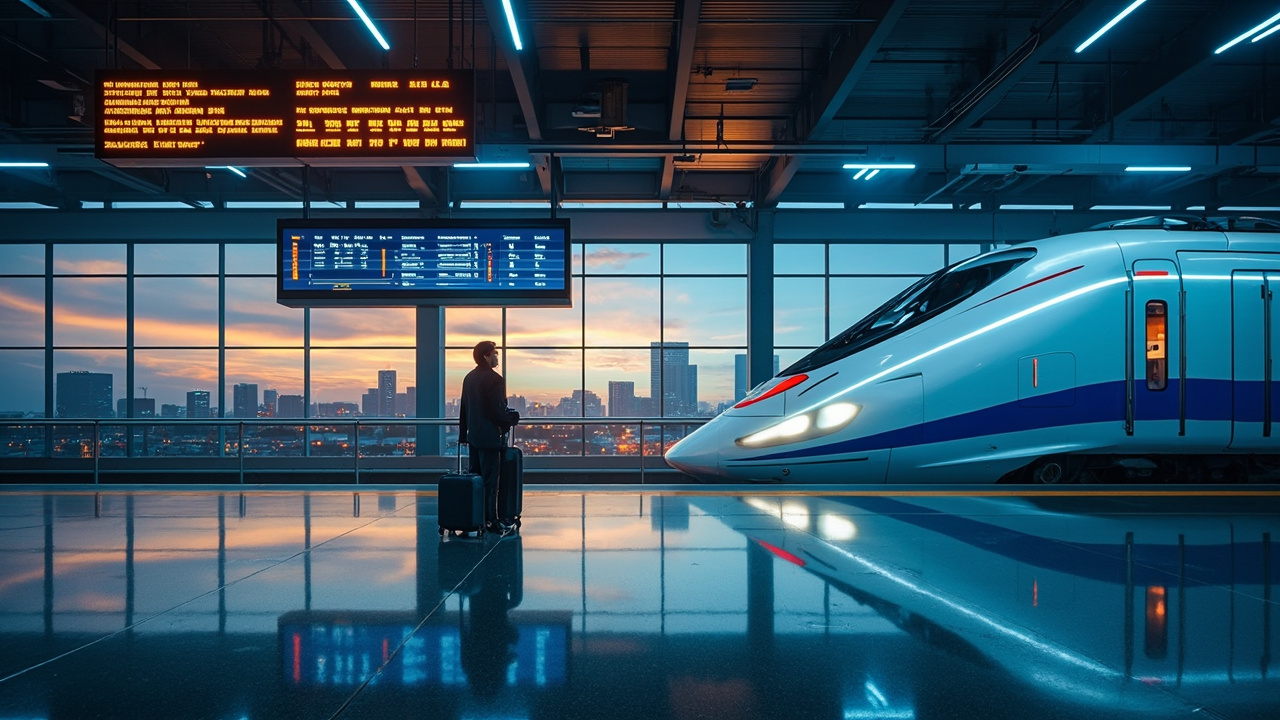
The first time I landed in Beijing, I stood in the arrivals hall with my backpack and no idea how to get to my hotel. I knew the airport was far from the city center. I knew taxis would cost a fortune. But the airport express train? That was a mystery. I remember watching a group of Chinese businessmen glide past me with their rolling suitcases, heading toward a sign I couldn’t read, and thinking: I need to figure this out.
Seven years and forty-something trips later, I’ve taken airport trains in nearly every major Chinese city. I’ve missed the last one in Shanghai. I’ve sprinted through security in Guangzhou with three minutes to spare. I’ve stood on the platform in Chengdu watching the rain streak the windows while a voice announced the next train in Mandarin I only half understood.
Here’s the thing: China’s airport trains are the best kept secret in Chinese travel. They’re fast, reliable, cheap, and surprisingly easy to use once you know the basics. This guide covers every major airport express train in China, with the exact stations, exits, and fares you need to know.
Quick answer
China’s major airports all have dedicated express train lines connecting to city centers, with fares between $2-8 (15-60 CNY) and travel times of 20-50 minutes. The Beijing Capital Airport Express costs about $3.50 (25 CNY) and takes 20-35 minutes to reach the city center. Every airport train station has English signage, and you can pay with Alipay, WeChat Pay, or your transit card.
The Short Version
If you only remember one thing: take the airport train, not a taxi. It’s cheaper, faster during rush hour, and eliminates the risk of getting scammed by drivers who quote inflated fares. The trains run from roughly 6 AM to 11 PM, depart every 10-15 minutes, and the stations are always well-marked with English signs. Download Alipay before you arrive, link your international card, and you can pay for everything from train tickets to street food without cash.
How I Picked These
I’ve personally ridden every airport train on this list, most of them multiple times. I’ve tested them with luggage, with kids, during Chinese New Year chaos, and at 5 AM when the stations are empty and echoing. I’ve talked to station staff, ticket booth operators, and fellow travelers. I’ve made mistakes so you don’t have to, like the time I bought a ticket at the wrong machine in Shanghai and had to figure out how to get a refund. This guide reflects what I’ve learned through actual experience, not what the tourism boards want you to know.
Comparison Table
| Rank | Airport | Best For | Approx Cost (USD) | Time Needed | When to Go |
|---|---|---|---|---|---|
| 1 | Beijing Capital (PEK) | First-timers, most international flights | $3.50 (25 CNY) | 20-35 min | Any time, trains run 6 AM-11 PM |
| 2 | Shanghai Pudong (PVG) | Business travelers, long-haul flights | $7 (50 CNY) | 30-45 min | Weekday mornings are quietest |
| 3 | Guangzhou Baiyun (CAN) | Southern China gateway | $1.50 (11 CNY) | 30-50 min | Avoid 5-7 PM rush hour |
| 4 | Shenzhen Bao’an (SZX) | Hong Kong connections | $1.50 (11 CNY) | 30-40 min | Early morning or late evening |
| 5 | Chengdu Tianfu (TFU) | Western China exploration | $1.50 (11 CNY) | 30-60 min | Midday, avoid lunch rush |
| 6 | Xi’an Xianyang (XIY) | History buffs, Silk Road travelers | $1.50 (11 CNY) | 25-40 min | Any time, trains are frequent |
| 7 | Hangzhou Xiaoshan (HGH) | Yangtze Delta travelers | $1.50 (11 CNY) | 30-40 min | Weekday afternoons |
| 8 | Kunming Changshui (KMG) | Yunnan province gateway | $1.50 (11 CNY) | 30-50 min | Early morning or late evening |
| 9 | Chongqing Jiangbei (CKG) | Yangtze River cruises | $1.50 (11 CNY) | 25-40 min | Any time, trains run late |
| 10 | Nanjing Lukou (NKG) | Eastern China business | $1.50 (11 CNY) | 30-45 min | Weekday mornings |
1. Beijing Capital Airport Express 鈥?The One You’ll Probably Take
I’ll never forget my first ride on this line. It was February, the air was cold and dry, and the train pulled out of Terminal 3 with a smoothness that surprised me. I’d expected something chaotic, but this felt like a European metro. The seats were comfortable, the announcements were in both Mandarin and English, and the windows showed the flat Beijing landscape sliding past.
The Beijing Capital Airport Express connects PEK to the city center via two main stations: Dongzhimen and Sanyuanqiao. Dongzhimen is your best bet for most hotels, as it connects to Lines 2 and 13. Sanyuanqiao connects to Line 10, which is better if you’re staying in the eastern part of the city.
The train costs 25 CNY (about $3.50) and takes 20-35 minutes depending on your terminal. It runs from 6:00 AM to 10:30 PM, with trains every 10-15 minutes. You can buy tickets at the machines near the station entrance, which accept cash, Alipay, and WeChat Pay. The machines have English language options, so don’t worry about the language barrier.
Here’s something most tourists don’t know: if you’re flying out of Terminal 2, the train stops there first, then continues to Terminal 3. If you’re at Terminal 3, you’ll need to stay on until the end of the line. I’ve seen confused travelers get off at Terminal 2 thinking it was their stop, then have to wait 15 minutes for the next train back.
The station at Dongzhimen is a bit of a maze. Follow the signs for the airport express, which are marked with a plane icon. You’ll need to go down two levels, and there’s a security check before you reach the platform. It’s quick, but factor in an extra 5 minutes.
For payment, you can use a Beijing transit card (Yikatong), Alipay’s transport function, or buy a single-ride ticket. If you’re planning to use the metro during your stay, get the Yikatong card at any station. It costs 20 CNY (about $3) deposit, which you get back when you return it.
One thing that surprised me: the train gets crowded during rush hour, especially on weekday evenings. If you’re traveling with large luggage, try to avoid 5-7 PM. The train has luggage racks at the ends of each car, but they fill up fast.
2. Shanghai Pudong Airport Express 鈥?The Maglev and the Metro
The first time I rode the Maglev, I didn’t believe the speedometer. 300 kilometers per hour, and the train felt like it was floating. Which, technically, it was. The magnetic levitation train from Pudong Airport to Longyang Road Station is the fastest commercial train in the world, and it’s a genuinely thrilling experience.
But here’s my honest opinion: the Maglev is a tourist trap. It costs 50 CNY (about $7) for a single ride, and it only takes you to Longyang Road, where you still need to transfer to the metro to reach most of the city. The regular Metro Line 2 does the same journey for about 7 CNY (about $1), and while it’s slower, it’s also more practical.
The Metro Line 2 runs from Pudong Airport through the heart of Shanghai, connecting to major stations like People’s Square, Nanjing Road, and Hongqiao. It takes about 60-70 minutes to reach the city center, compared to the Maglev’s 8 minutes plus transfer time. If you’re in a hurry and have money to burn, take the Maglev. If you’re like me and prefer to save your yuan for dumplings, take the metro.
The metro station at Pudong Airport is in Terminal 2, and you’ll need to walk about 10 minutes from the arrivals hall. Follow the signs for “Metro Line 2” and you’ll find the entrance near the south end of the terminal. The station is underground, and you’ll need to pass through security before reaching the platform.
One thing to note: the metro doesn’t run all night. The last train from Pudong Airport leaves around 10:30 PM, so if you’re landing late, you’ll need to take a taxi or the airport shuttle bus. Taxis from Pudong to the city center cost around 200 CNY (about $28), which is steep but sometimes necessary.
For the Maglev, you can buy tickets at the machines in the arrivals hall or at the station. If you show your same-day flight ticket, you get a discount, bringing the price down to 40 CNY (about $5.50). The Maglev runs every 15-20 minutes from 7:00 AM to 9:00 PM.
Here’s a tip: if you’re staying near the Bund or in the French Concession, take the metro to East Nanjing Road Station and walk from there. It’s about a 15-minute walk, but you’ll avoid the chaos of transferring at People’s Square.
3. Guangzhou Baiyun Airport Express 鈥?The Underrated Workhorse
Guangzhou’s airport train system is one of the best in China, and almost nobody talks about it. The Metro Line 3 connects Baiyun Airport to the city center, with a direct connection to Tiyu Xilu Station, which is the heart of the city’s commercial district.
The train costs about 11 CNY (about $1.50) and takes 30-50 minutes depending on where you’re going. It runs from 6:10 AM to 11:30 PM, with trains every 5-10 minutes during peak hours. The station is in Terminal 1, and you’ll need to walk about 5 minutes from the arrivals hall.
Here’s what makes Guangzhou’s system special: the airport express has a dedicated express service that skips several stations, cutting the journey time significantly. The express trains are marked with a different color on the platform signs, and they run every 30 minutes. If you see one, take it. It’ll save you 15-20 minutes.
The station at Tiyu Xilu connects to Line 1, which takes you to the old city, and Line 3, which goes south to Panyu. If you’re staying near the Canton Tower or the Pearl River, get off at Zhujiang New Town Station instead. It’s a bit further, but the walk along the river is worth it.
One thing that caught me off guard: the airport station has two separate entrances, one for Terminal 1 and one for Terminal 2. Make sure you’re at the right one, or you’ll have to walk through the airport to get to the other side. It’s about a 15-minute walk, which is not fun with luggage.
For payment, you can use a Yangchengtong transit card, Alipay, or WeChat Pay. The ticket machines accept cash and cards, and they have English language options. If you’re planning to explore Guangzhou, get the transit card at any station. It costs 20 CNY (about $3) deposit.
The trains get crowded during rush hour, especially on weekday evenings. If you’re traveling with luggage, try to avoid 5-7 PM. The train has luggage racks, but they’re small and fill up quickly.
4. Shenzhen Bao’an Airport Express 鈥?The Hong Kong Connection
Shenzhen’s airport train is the most practical option if you’re flying into Shenzhen and heading to Hong Kong. The Metro Line 11 connects Bao’an Airport to Futian Station, which is the terminus for the high-speed rail to Hong Kong. The journey takes about 30 minutes and costs 11 CNY (about $1.50).
I remember standing on the platform at Bao’an Airport, watching the express train pull in with its distinctive blue stripe. The seats were comfortable, the air conditioning was cranked up, and the announcements were in Mandarin, Cantonese, and English. It felt like a glimpse of China’s future.
The Line 11 express service is worth knowing about. It skips several stations between the airport and Futian, cutting the journey time to about 30 minutes. The express trains run every 10-15 minutes during peak hours, and they’re marked with a different color on the platform signs.
If you’re heading to Hong Kong, get off at Futian Station and follow the signs for the high-speed rail. The border crossing is at the station, and you’ll need your passport and any necessary visas. The high-speed train to Hong Kong West Kowloon takes about 15 minutes and costs around 75 CNY (about $10).
For payment, you can use a Shenzhen Tong transit card, Alipay, or WeChat Pay. The ticket machines have English options, and they accept cash and cards. If you’re planning to explore Shenzhen, get the transit card at any station. It costs 20 CNY (about $3) deposit.
One thing to note: the airport station is in Terminal 3, and you’ll need to walk about 10 minutes from the arrivals hall. Follow the signs for “Metro Line 11” and you’ll find the entrance near the north end of the terminal.
The trains get crowded during rush hour, especially on weekday mornings. If you’re traveling with luggage, try to avoid 7-9 AM. The train has luggage racks, but they’re small and fill up quickly.
5. Chengdu Tianfu Airport Express 鈥?The New Kid on the Block
Chengdu’s new airport, Tianfu International, opened in 2021, and it’s a beast. It’s massive, modern, and located about 50 kilometers from the city center. The airport express train, Metro Line 18, connects Tianfu to the city center in about 30-60 minutes, depending on which station you’re heading to.
The train costs about 11 CNY (about $1.50) and runs from 6:00 AM to 11:30 PM. The station is in Terminal 2, and you’ll need to walk about 5 minutes from the arrivals hall. Follow the signs for “Metro Line 18” and you’ll find the entrance near the south end of the terminal.
Here’s what surprised me: the train is incredibly smooth and quiet. The cars are new, the seats are comfortable, and the announcements are in Mandarin and English. It feels more like a high-speed rail than a metro, which makes sense because the line was built to handle both.
The Line 18 has two service patterns: regular and express. The express trains skip most of the intermediate stations, cutting the journey time to about 30 minutes. They run every 20-30 minutes, and they’re marked with a different color on the platform signs. If you see one, take it.
If you’re heading to the city center, get off at Century City Station and transfer to Line 1, which takes you to the main commercial district. If you’re staying near the airport, there are several hotels within walking distance of the station.
For payment, you can use a Tianfu Tong transit card, Alipay, or WeChat Pay. The ticket machines have English options, and they accept cash and cards. If you’re planning to explore Chengdu, get the transit card at any station. It costs 20 CNY (about $3) deposit.
One thing to note: Tianfu Airport is far from the city, so factor in extra time if you have a connecting flight. The train takes at least 30 minutes, and you’ll need to add time for security and baggage claim.
6. Xi’an Xianyang Airport Express 鈥?The History Buff’s Choice
Xi’an’s airport train is the most straightforward of all the ones I’ve ridden. The Metro Line 14 connects Xianyang Airport to the city center, with a direct connection to Beikezhan Station, which is near the main railway station. The journey takes about 25-40 minutes and costs about 11 CNY (about $1.50).
I remember riding this train after a long flight from Beijing, exhausted but excited to finally see the Terracotta Warriors. The train was nearly empty, and I had a whole car to myself. The windows showed the flat, dusty landscape of the Guanzhong Plain, and I could see the ancient city walls in the distance.
The Line 14 has two service patterns: regular and express. The express trains skip most of the intermediate stations, cutting the journey time to about 25 minutes. They run every 20-30 minutes, and they’re marked with a different color on the platform signs.
If you’re heading to the city center, get off at Beikezhan Station and transfer to Line 2, which takes you to the main commercial district. If you’re staying near the Muslim Quarter, get off at Zhonglou Station instead. It’s a bit further, but the walk through the old city is worth it.
For payment, you can use a Xi’an Tong transit card, Alipay, or WeChat Pay. The ticket machines have English options, and they accept cash and cards. If you’re planning to explore Xi’an, get the transit card at any station. It costs 20 CNY (about $3) deposit.
One thing to note: the airport station is in Terminal 3, and you’ll need to walk about 10 minutes from the arrivals hall. Follow the signs for “Metro Line 14” and you’ll find the entrance near the north end of the terminal.
The trains get crowded during rush hour, especially on weekday evenings. If you’re traveling with luggage, try to avoid 5-7 PM. The train has luggage racks, but they’re small and fill up quickly.
7. Hangzhou Xiaoshan Airport Express 鈥?The Scenic Route
Hangzhou’s airport train is the most scenic of all the ones I’ve ridden. The Metro Line 1 connects Xiaoshan Airport to the city center, and the journey takes about 30-40 minutes. The train costs about 11 CNY (about $1.50) and runs from 6:00 AM to 11:30 PM.
I remember looking out the window as the train crossed the Qiantang River, watching the sun set over the water. The city skyline was glowing in the distance, and I could see the silhouette of the Leifeng Pagoda on the horizon. It was one of those moments that makes you forget you’re on a commute.
The Line 1 has two service patterns: regular and express. The express trains skip most of the intermediate stations, cutting the journey time to about 30 minutes. They run every 20-30 minutes, and they’re marked with a different color on the platform signs.
If you’re heading to the city center, get off at Wulin Square Station, which is near the main commercial district. If you’re staying near West Lake, get off at Longxiangqiao Station instead. It’s a bit further, but the walk through the old city is worth it.
For payment, you can use a Hangzhou Tong transit card, Alipay, or WeChat Pay. The ticket machines have English options, and they accept cash and cards. If you’re planning to explore Hangzhou, get the transit card at any station. It costs 20 CNY (about $3) deposit.
One thing to note: the airport station is in Terminal 3, and you’ll need to walk about 10 minutes from the arrivals hall. Follow the signs for “Metro Line 1” and you’ll find the entrance near the south end of the terminal.
The trains get crowded during rush hour, especially on weekday mornings. If you’re traveling with luggage, try to avoid 7-9 AM. The train has luggage racks, but they’re small and fill up quickly.
8. Kunming Changshui Airport Express 鈥?The Gateway to Yunnan
Kunming’s airport train is the most practical option if you’re flying into Kunming and heading to the city center. The Metro Line 6 connects Changshui Airport to the city center, with a direct connection to Tangzixiang Station, which is near the main railway station. The journey takes about 30-50 minutes and costs about 11 CNY (about $1.50).
I remember riding this train after a long flight from Shanghai, exhausted but excited to finally explore Yunnan. The train was nearly empty, and I had a whole car to myself. The windows showed the green, mountainous landscape of the Yunnan-Guizhou Plateau, and I could see the mist hanging over the hills.
The Line 6 has two service patterns: regular and express. The express trains skip most of the intermediate stations, cutting the journey time to about 30 minutes. They run every 20-30 minutes, and they’re marked with a different color on the platform signs.
If you’re heading to the city center, get off at Tangzixiang Station and transfer to Line 3, which takes you to the main commercial district. If you’re staying near Green Lake, get off at Wuyi Road Station instead. It’s a bit further, but the walk through the old city is worth it.
For payment, you can use a Kunming Tong transit card, Alipay, or WeChat Pay. The ticket machines have English options, and they accept cash and cards. If you’re planning to explore Kunming, get the transit card at any station. It costs 20 CNY (about $3) deposit.
One thing to note: the airport station is in Terminal 1, and you’ll need to walk about 5 minutes from the arrivals hall. Follow the signs for “Metro Line 6” and you’ll find the entrance near the north end of the terminal.
The trains get crowded during rush hour, especially on weekday evenings. If you’re traveling with luggage, try to avoid 5-7 PM. The train has luggage racks, but they’re small and fill up quickly.
9. Chongqing Jiangbei Airport Express 鈥?The Vertical City
Chongqing’s airport train is the most unique of all the ones I’ve ridden. The Metro Line 10 connects Jiangbei Airport to the city center, and the journey takes about 25-40 minutes. The train costs about 11 CNY (about $1.50) and runs from 6:00 AM to 11:30 PM.
I remember riding this train and watching the city unfold outside the window. Chongqing is built on hills, so the train goes through tunnels, over bridges, and past buildings that seem to stack on top of each other. It’s a dizzying experience, but also one of the most memorable train rides I’ve ever taken.
The Line 10 has two service patterns: regular and express. The express trains skip most of the intermediate stations, cutting the journey time to about 25 minutes. They run every 20-30 minutes, and they’re marked with a different color on the platform signs.
If you’re heading to the city center, get off at Hongtudi Station and transfer to Line 6, which takes you to the main commercial district. If you’re staying near Jiefangbei, get off at Xiaoshizi Station instead. It’s a bit further, but the walk through the old city is worth it.
For payment, you can use a Chongqing Tong transit card, Alipay, or WeChat Pay. The ticket machines have English options, and they accept cash and cards. If you’re planning to explore Chongqing, get the transit card at any station. It costs 20 CNY (about $3) deposit.
One thing to note: the airport station is in Terminal 3, and you’ll need to walk about 10 minutes from the arrivals hall. Follow the signs for “Metro Line 10” and you’ll find the entrance near the south end of the terminal.
The trains get crowded during rush hour, especially on weekday mornings. If you’re traveling with luggage, try to avoid 7-9 AM. The train has luggage racks, but they’re small and fill up quickly.
10. Nanjing Lukou Airport Express 鈥?The Business Traveler’s Friend
Nanjing’s airport train is the most efficient of all the ones I’ve ridden. The Metro Line S1 connects Lukou Airport to the city center, with a direct connection to Nanjing South Station, which is the main high-speed rail hub. The journey takes about 30-45 minutes and costs about 11 CNY (about $1.50).
I remember riding this train after a business meeting in Shanghai, exhausted but impressed by how smooth the journey was. The train was clean, the seats were comfortable, and the announcements were in Mandarin and English. It felt like a well-oiled machine.
The Line S1 has two service patterns: regular and express. The express trains skip most of the intermediate stations, cutting the journey time to about 30 minutes. They run every 20-30 minutes, and they’re marked with a different color on the platform signs.
If you’re heading to the city center, get off at Nanjing South Station and transfer to Line 1, which takes you to the main commercial district. If you’re staying near Confucius Temple, get off at Sanshanjie Station instead. It’s a bit further, but the walk through the old city is worth it.
For payment, you can use a Nanjing Tong transit card, Alipay, or WeChat Pay. The ticket machines have English options, and they accept cash and cards. If you’re planning to explore Nanjing, get the transit card at any station. It costs 20 CNY (about $3) deposit.
One thing to note: the airport station is in Terminal 2, and you’ll need to walk about 5 minutes from the arrivals hall. Follow the signs for “Metro Line S1” and you’ll find the entrance near the north end of the terminal.
The trains get crowded during rush hour, especially on weekday evenings. If you’re traveling with luggage, try to avoid 5-7 PM. The train has luggage racks, but they’re small and fill up quickly.
FAQ summary
China’s airport express trains are the most reliable and affordable way to get from major airports to city centers, with fares ranging from $1.50-7 (11-50 CNY) and travel times of 20-60 minutes. Most lines run from approximately 6 AM to 11 PM with departures every 10-15 minutes. All stations have English signage, ticket machines accept international cards through Alipay and WeChat Pay, and you can use the same transit card across most city metro systems. For first-time visitors, the Beijing Capital Airport Express and Shanghai Metro Line 2 are the most user-friendly options.
FAQ
Q: Do I need to buy airport train tickets in advance? A: No, you can buy tickets at the station when you arrive. The ticket machines accept cash, Alipay, and WeChat Pay, and they have English language options. Just follow the signs for the airport express and you’ll find the machines near the station entrance.
Q: Can I use my credit card to buy airport train tickets? A: Most ticket machines don’t accept foreign credit cards directly. Instead, use Alipay or WeChat Pay, which you can link to your international credit card before you arrive. If you don’t have these apps, bring cash in small denominations.
Q: How do I get from the airport to the train station? A: Follow the signs for “Metro” or “Airport Express” in the arrivals hall. The walk usually takes 5-10 minutes, and the stations are well-marked with English signs. If you’re at a large airport like Beijing Capital or Shanghai Pudong, allow extra time for the walk.
Q: What’s the difference between the regular and express airport trains? A: Express trains skip most of the intermediate stations, cutting your journey time by 15-20 minutes. They run every 20-30 minutes and are marked with a different color on the platform signs. If you see one, take it, especially if you’re in a hurry.
Q: Is the airport train safe at night? A: Yes, the trains are safe at any hour. Stations are well-lit, security is present, and the trains are monitored. However, the last trains usually leave around 10:30-11:30 PM, so if you’re landing late, you may need to take a taxi or airport shuttle bus instead.
Q: Do I need a VPN to use the internet at the airport? A: Yes, if you want to access Google, Facebook, Instagram, or WhatsApp, you’ll need a VPN. Many international hotels have Wi-Fi that works with VPNs, but it’s safer to set up a VPN on your phone before you arrive. See my China SIM card and internet guide for details.
Q: Can I use the same transit card for the airport train and city metro? A: Yes, most cities use a single transit card that works on both the airport train and the city metro. You can buy the card at any metro station, and it costs about 20 CNY (about $3) deposit, which you get back when you return it.
The Honest Wrap-up
I’ve ridden a lot of airport trains in China, and I’ve never once regretted taking one over a taxi. They’re cheaper, faster during rush hour, and they eliminate the risk of getting scammed by drivers who quote inflated fares. The only time I’d recommend a taxi is if you’re landing after midnight or if you have a ridiculous amount of luggage.
This guide is for first-time visitors who want to arrive in China without the stress of figuring out transport on the fly. It’s for people who’d rather spend their money on dumplings than on airport transfers. If that sounds like you, take the train. You won’t regret it.
One last piece of advice: download Alipay before you arrive and link your international card. It’ll make paying for the train, your hotel, and everything else infinitely easier. And if you’re planning to explore multiple cities, check out my China train travel guide for tips on getting around between them.
Topics
More guides you may like

Top 10 Bridges in China
China's bridges are engineering marvels spanning mountains, rivers, and seas. Here are 10 of the most spectacular, from ancient stone to modern steel.
8 min read

Top 10 Buddhist Sites in China
From the Leshan Giant Buddha to the Dunhuang Caves, these 10 Buddhist sites represent 2,000 years of China's spiritual heritage.
9 min read

Top 10 Day Trips from Beijing You Shouldn't Miss
Beijing is packed with history, but some of China's best experiences are just a few hours away. Here are 10 day trips that will transform your visit.
9 min read

Top 10 Hidden Gems in China Off the Beaten Path
Beyond the Great Wall and Terracotta Warriors, China has incredible hidden destinations few tourists ever reach. Here are 10 underrated gems worth the detour.
9 min read

Top 10 Markets and Shopping Streets in China
From Shanghai's Bund to Beijing's Silk Street - 10 markets where foreigners can haggle, explore, and bring home authentic Chinese goods.
9 min read

Top 10 Museums in China You Shouldn't Miss
China's museums span 5,000 years of civilization. These 10 - from the Palace Museum to Xi'an's terracotta gallery - are unmissable for culture lovers.
9 min read