
Chinese Dumplings Guide
The cab driver in Xi'an laughed at me when I tried to order dumplings with my phrasebook. I pointed at the menu, said "jiaozi" with a tone that apparently meant.
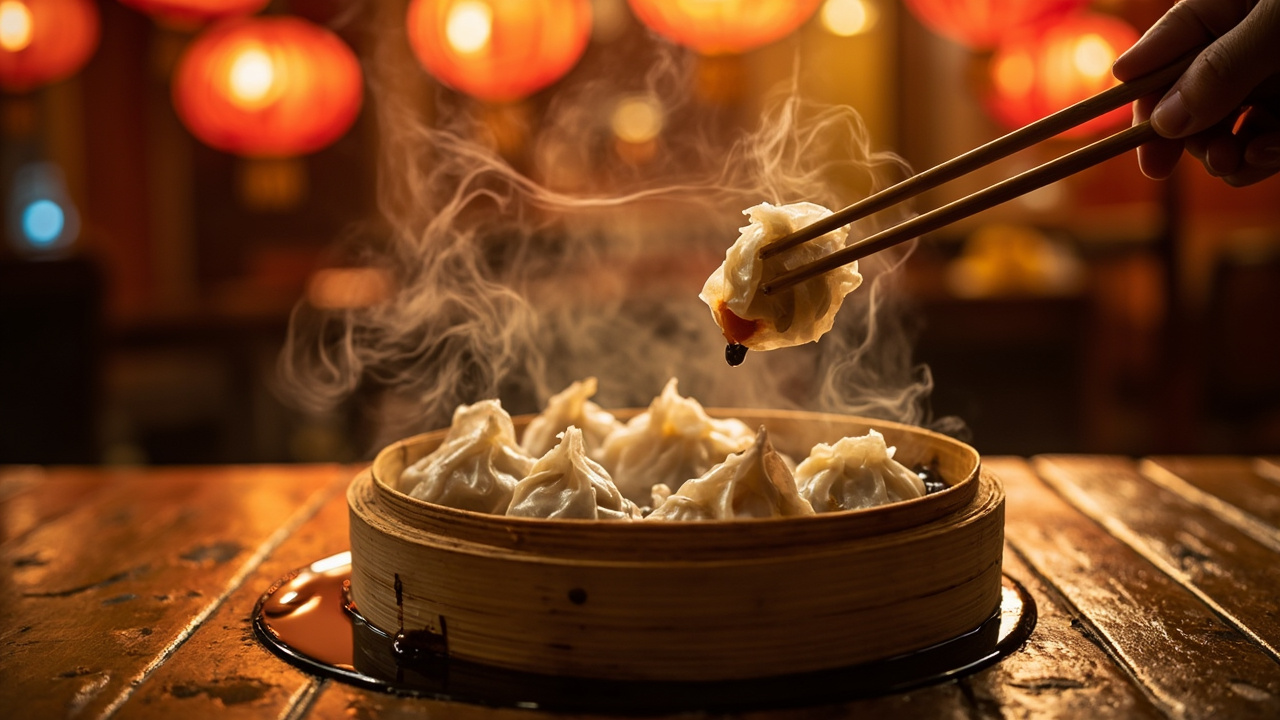
The cab driver in Xi’an laughed at me when I tried to order dumplings with my phrasebook. I pointed at the menu, said “jiaozi” with a tone that apparently meant “I am asking for a receipt,” and he just shook his head and drove off. That was my first week in China, seven years ago. Since then, I’ve eaten dumplings in steamy roadside shacks in Harbin, in a Shanghai basement restaurant with a queue around the block, and at a family table in Chengdu where the grandmother pinched the pleats so fast my eyes couldn’t follow. I’ve probably eaten over a thousand dumplings. This guide is the result of that research.
If you’re coming to China for the first time, dumplings aren’t just food. They’re the country’s most accessible entry point into how Chinese people actually eat, celebrate, and argue with their grandmothers about who makes the better filling. This guide covers the ten places I’d send a friend, from the tourist-friendly classics to the places you’ll only find if you know what you’re looking for.
Quick answer
The best places to eat Chinese dumplings in 2026 are Xi’an Famous Dumplings (for variety), Din Tai Fung in Shanghai (for precision), and any local jiaozi shop you find by following the lunch crowd. Expect to pay $3-$8 (¥20-¥60) per person for a filling meal at local spots, and $20-$40 (¥150-¥300) at upscale restaurants. No reservation needed at most places, and most accept Alipay or WeChat Pay, which you should set up before you arrive.
The Short Version
Skip the hotel buffet dumplings. They’re sad, steamed versions of something that should be crispy or soupy or both. Find a place where the dumplings are made by hand in the window, where the steam fogs up the glass, and where the menu has pictures because the owner knows tourists will come. Order one type first, eat it, then order more. Don’t order everything at once. And for the love of all that is delicious, don’t dip your dumpling in soy sauce without tasting it first. The filling is already seasoned.
How I Picked These
I’ve lived in Beijing since 2019 and traveled through 30+ provinces. For this guide, I spent three weeks in late 2025 re-visiting dumpling spots across the country, eating at least three types at each place, and talking to owners, chefs, and fellow diners. I asked locals where they’d take their own visiting relatives, not where the guidebooks send people. I also cross-checked with Chinese food bloggers and the local foodie forums that require a Chinese phone number to join. I ate a lot of mediocre dumplings so you don’t have to. You’re welcome.
Comparison Table
| Rank | Place | Best For | Approx Cost (USD) | Time Needed | When to Go |
|---|---|---|---|---|---|
| 1 | Xi’an Famous Dumplings (Xi’an) | Variety and history | $8-15 (¥60-110) | 1.5 hours | Year-round, lunch |
| 2 | Din Tai Fung (Shanghai) | Precision and consistency | $25-40 (¥180-300) | 1.5 hours | Weekday lunch |
| 3 | Baoyuan Dumpling House (Beijing) | Traditional Beijing style | $5-10 (¥35-75) | 1 hour | Lunch, before 12:30 |
| 4 | Longpao Dumpling (Harbin) | Northeastern portions | $4-8 (¥30-60) | 1 hour | Winter, after sightseeing |
| 5 | Jishan Jiaozi (Chengdu) | Spicy Sichuan fillings | $4-7 (¥30-50) | 45 minutes | Dinner, 6-8pm |
| 6 | Dongbei Ren (Qingdao) | Seafood dumplings | $6-10 (¥45-75) | 1 hour | September-October |
| 7 | Yang’s Fried Dumplings (Shanghai) | Shengjianbao (pan-fried) | $3-5 (¥20-35) | 30 minutes | Morning, before 10am |
| 8 | Baodu Feng (Tianjin) | Local specialty | $5-8 (¥35-60) | 1 hour | Lunch |
| 9 | Grandma’s Kitchen (Guangzhou) | Cantonese dim sum dumplings | $10-18 (¥75-130) | 2 hours | Morning tea time |
| 10 | A Random Street Stall (Anywhere) | The real deal | $2-4 (¥15-30) | 20 minutes | Whenever you’re hungry |
Xi’an Famous Dumplings — The Tourist Classic That Actually Delivers
The first time I walked into Xi’an Famous Dumplings, I thought it was a tourist trap. It’s in the middle of the Muslim Quarter, the menu is in six languages, and there’s a plastic dumpling display in the window. But then I ordered the set menu, and the server brought out eighteen different dumplings, each shaped differently. A walnut-shaped dumpling filled with walnut. A duck-shaped one filled with duck. It’s theater, but the theater is backed by real skill.
This place has been serving dumplings since the 1970s, and it’s where Chinese tour groups bring their own families. That’s the tell. Locals don’t go to tourist traps. The set menu is the way to go, but you can order a la carte if you want to control your budget. The lamb dumplings are the signature, which makes sense given the Muslim Quarter location.
馃搷 Location: Muslim Quarter, Beiyuanmen Street, Xi’an 馃帿 Entry fee: None, but the set menu starts around $15 (¥110) per person 馃晲 Opening hours: 10am-10pm daily 馃殕 How to get there: Take Metro Line 2 to Zhonglou Station, Exit C, walk west into the Muslim Quarter for about 10 minutes. It’s on the main pedestrian street, you can’t miss it. 鈴?When to visit: Go at 11am when it opens. By 12:30, the tour groups arrive and the queue is 45 minutes. 馃挕 Insider tips: The set menu is a lot of food. Share it between two people and add a side dish. Ask for the vinegar that’s aged, not the cheap stuff. The tea is free and refillable. Don’t order the soup dumplings here, they’re not the specialty. And don’t sit near the door, the draft is cold in winter.
I once watched a Chinese grandmother at the next table correct her grandson’s dumpling-eating technique with a chopstick tap on his hand. He was dipping in soy sauce. She was right.
Din Tai Fung — The Precise One
Din Tai Fung gets called “overrated” by people who’ve only been to the Shanghai location. I get it. It’s a chain. It’s expensive. There’s a queue. But here’s the thing: the soup dumplings (xiaolongbao) are technically perfect. Eighteen pleats on each one. The skin is thin enough to see the soup inside. The soup is hot enough to burn your tongue if you’re careless, which I was, twice.
The original location in Taipei is the spiritual home, but the Shanghai branches are excellent. The one in Xintiandi is the most convenient for tourists. The queue looks terrifying, but it moves fast because the service is efficient. You’ll wait 20 minutes on a weekday, 45 on a weekend.
馃搷 Location: Xintiandi, 123 Xingye Road, Shanghai (multiple branches) 馃帿 Entry fee: None, expect $25-40 (¥180-300) per person 馃晲 Opening hours: 11am-10pm daily 馃殕 How to get there: Take Metro Line 10 to Xintiandi Station, Exit 3, walk 5 minutes to the Xintiandi complex. The restaurant is on the second floor of a restored shikumen building. 鈴?When to visit: Weekday lunch, right at 11am. The weekend queue is genuinely not worth it. 馃挕 Insider tips: Order the crab roe xiaolongbao, they’re the best. Eat each dumpling in one bite, but blow on it first. The vinegar here is a blend, not pure black vinegar, and it’s perfect. The cucumber salad is the best side dish on the menu. Don’t bother with the noodles, they’re average. And the staff will teach you the proper eating technique if you ask, they’re used to tourists.
I brought my parents here in 2024. My dad, who thinks all Chinese food is “interesting,” ate three baskets by himself and then asked if we could come back tomorrow.
Baoyuan Dumpling House — Beijing’s Old School
Baoyuan is the kind of place that’s been serving the same dumplings for thirty years and sees no reason to change. It’s in a hutong in the Gulou area, which means you’ll walk past old courtyard homes and hear pigeons with whistles tied to their feet. The dumplings here are northern style: thicker skins, hearty fillings, and a vinegar dip that’s sharp enough to wake you up.
The menu is handwritten on a whiteboard. There’s no English. The owner, a woman in her sixties who I’ve seen there every time I’ve visited, doesn’t speak a word of English but will point at the menu and hold up fingers to show you how many to order. The pork and celery dumplings are the house specialty, but the lamb and carrot version is what I dream about.
馃搷 Location: Gulou East Street, near the Drum Tower, Beijing 馃帿 Entry fee: None, expect $5-10 (¥35-75) per person 馃晲 Opening hours: 11am-2pm, 5pm-9pm. Closed on random Tuesdays, I’ve never figured out the pattern. 馃殕 How to get there: Take Metro Line 8 to Shichahai Station, Exit A2, walk east along Gulou East Street for 8 minutes. It’s on the north side of the street, look for the steam coming out of the door. 鈴?When to visit: Go at 11:30am on a weekday. By 12:30, the local office workers fill every table. 馃挕 Insider tips: The dumplings are made to order, so expect a 15-minute wait. That’s normal, don’t complain. Order the fried dumplings too, they’re a different texture and worth it. The garlic is raw and strong, eat it at your own risk. Bring cash as a backup, the card machine sometimes doesn’t work. And if you see the owner’s son, ask him to recommend something, he speaks basic English and knows the menu better than anyone.
I once sat next to a retired Beijing opera singer here who told me, in broken English, that dumplings are “the music of the common people.” He then ordered a plate of pork and chive dumplings and ate them with the same precision he probably used on stage.
Longpao Dumpling — Harbin’s Hearty Answer
Harbin is cold. Like, “your eyelashes freeze together” cold. So it makes sense that the dumplings here are built for survival. Longpao serves northeastern-style dumplings, which means they’re bigger, the wrappers are thicker, and the fillings are more substantial. The pork and cabbage dumpling is the classic, but the sour cabbage and pork version is what you need on a January day when the temperature hasn’t risen above -20°C.
The restaurant is a no-frills place with fluorescent lighting and plastic tablecloths. It’s not pretty. But the dumplings are handmade in the window, and you can watch the women fold them with a speed that seems impossible. The sour cabbage is fermented in-house, and the tang cuts through the richness of the pork perfectly.
馃搷 Location: Daoli District, near Central Street, Harbin 馃帿 Entry fee: None, expect $4-8 (¥30-60) per person 馃晲 Opening hours: 10am-9pm daily 馃殕 How to get there: Take the bus to Zhaolin Street stop, or just walk from Central Street. It’s about 10 minutes from the Ice Festival area. Look for the red sign with yellow characters. 鈴?When to visit: Winter, obviously. Go after you’ve been outside for a few hours and need to thaw out. The dumplings taste better when you’re genuinely cold. 馃挕 Insider tips: Order the sour cabbage dumplings, they’re the reason to come. The garlic soy sauce here is made in-house and it’s addictive. Don’t order the beer, it’s not good when you’re already cold. The staff will bring you hot water for free, drink it. And if you’re here during the Ice Festival, the restaurant gets busy at dinner time, so go for lunch instead.
I came here after spending four hours at the Ice and Snow World, and I genuinely believe those sour cabbage dumplings saved my life. Or at least my toes.
Jishan Jiaozi — Chengdu’s Spicy Twist
Chengdu is famous for hotpot, but the dumplings here deserve their own pilgrimage. Jishan Jiaozi is a small shop in a residential neighborhood, the kind of place where the menu is laminated and the chairs are plastic. But the dumplings are something else. They’re served in a chili oil sauce that’s numbing and spicy, with a sweetness underneath that you don’t expect.
The red oil dumplings (hongyou jiaozi) are the signature. The filling is simple, just pork and scallions, but the sauce is the star. It’s made with Sichuan peppercorns, chili flakes, and a touch of sugar, and it coats each dumpling in a way that makes you want to lick the bowl. I’ve tried to recreate this sauce at home. I’ve failed every time.
馃搷 Location: Qingyang District, near the Wenshu Monastery, Chengdu 馃帿 Entry fee: None, expect $4-7 (¥30-50) per person 馃晲 Opening hours: 10am-8pm daily 馃殕 How to get there: Take Metro Line 1 to Wenshu Monastery Station, Exit B, walk south for 5 minutes. The shop is on a side street, look for the line of people waiting outside. 鈴?When to visit: Dinner time, 6-8pm, when the locals come out. The line moves fast, but it’s worth waiting. 馃挕 Insider tips: The red oil dumplings are spicy, but the numbing is the real sensation. If you’re not used to Sichuan peppercorns, start with half the sauce. Order the tangyuan (sweet rice balls) for dessert, they’re a nice contrast. The staff don’t speak English, but the menu has pictures. And don’t drink the tap water, buy a bottle.
I brought a friend from Texas here who claimed he could handle any spice. He cried. Not from pain, from the flavor. He said it was the best thing he’d ever eaten.
Dongbei Ren — Qingdao’s Seafood Surprise
Qingdao is known for beer, but the dumplings here are the hidden gem. Dongbei Ren is a family-run place that serves northeastern-style dumplings with a seafood twist, because that’s what you do when you’re on the coast. The squid ink dumplings are black, dramatic, and delicious. The shrimp and leek dumplings are the ones I order every time.
The restaurant is small, maybe eight tables, and the owner is a woman who left the northeast twenty years ago and brought her family recipes with her. She’ll tell you what to order, and you should listen. The menu is in Chinese only, but she’ll point at things and say “good” in English, which is all you need.
馃搷 Location: Shinan District, near the beach, Qingdao 馃帿 Entry fee: None, expect $6-10 (¥45-75) per person 馃晲 Opening hours: 11am-9pm daily 馃殕 How to get there: Take the bus to the Qingdao Aquarium stop, walk 5 minutes toward the water. The restaurant is on a side street, look for the blue sign. 鈴?When to visit: September and October, when the seafood is at its best. Go for lunch, the dinner rush is intense. 馃挕 Insider tips: The squid ink dumplings look weird but taste amazing. The shrimp and leek dumplings are the safest bet for picky eaters. The owner will try to feed you more than you ordered, let her. The beer here is Tsingtao, obviously, and it’s better fresh. And if you’re here in summer, the beach is a 10-minute walk away, so make a day of it.
I asked the owner once why she moved to Qingdao. She said, “The fish are better here.” She wasn’t wrong.
Yang’s Fried Dumplings — Shanghai’s Street Food King
Yang’s is a Shanghai institution. The shengjianbao, which are pan-fried soup dumplings, are what people queue for. The bottom is crispy and golden, the top is soft and fluffy, and the inside is a hot, soupy, porky explosion. You eat them from a paper tray with a plastic straw for the soup, but honestly, I just bite and pray.
There are multiple branches now, but the original on Huanghe Road is the one to visit. The queue moves fast, the staff are efficient, and the dumplings come out in batches. You order at the counter, get a number, and wait for your name to be called. It’s chaos, but it’s organized chaos.
馃搷 Location: Huanghe Road, Huangpu District, Shanghai 馃帿 Entry fee: None, expect $3-5 (¥20-35) for a portion of four 馃晲 Opening hours: 6am-8pm daily 馃殕 How to get there: Take Metro Line 1 to People’s Square Station, Exit 11, walk 10 minutes north. The shop is on the corner, you’ll see the queue. 鈴?When to visit: Morning, before 10am. The first batch is the best, and the queue is shortest. By noon, it’s a 20-minute wait. 馃挕 Insider tips: Eat them within five minutes of getting them, they lose their magic fast. The soup is hot, so take a small bite first to let the steam out. The vinegar is on the table, add a little to the dip. Don’t order the drinks, they’re average. And if you see a local eating them with chopsticks and a spoon, copy them.
I once saw a woman in a business suit, clearly late for something, eat a shengjianbao in two bites while walking. She didn’t spill a drop. I’ve been trying to replicate that skill for years.
Baodu Feng — Tianjin’s Underrated Gem
Tianjin is an hour from Beijing by high-speed rail, and it’s worth the trip for the dumplings alone. Baodu Feng serves a local style that’s hard to find elsewhere: dumplings with a thinner, more delicate wrapper, filled with a mixture of pork and shrimp that’s almost creamy. They’re served with a vinegar and ginger dip that’s sharper than what you’ll find in Beijing.
The restaurant is in a converted warehouse, which gives it an industrial feel that’s unusual for a dumpling place. The menu is extensive, but the pork and shrimp dumplings are the ones to order. They’re the house specialty, and they’re the reason this place has been packed for thirty years.
馃搷 Location: Heping District, near the Five Great Avenues, Tianjin 馃帿 Entry fee: None, expect $5-8 (¥35-60) per person 馃晲 Opening hours: 11am-9pm daily 馃殕 How to get there: From Beijing, take the high-speed rail to Tianjin Station, then take Metro Line 3 to Yingkou Road Station, Exit D, walk 10 minutes. The restaurant is on a main road, look for the red lanterns. 鈴?When to visit: Lunch, 11:30am-1pm. The restaurant is busy but not chaotic, and the dumplings are freshest at lunch. 馃挕 Insider tips: The pork and shrimp dumplings are the signature, don’t skip them. The ginger dip is strong, use it sparingly at first. The restaurant is popular with tour groups, so the service can be slow at peak times. And if you have time, walk around the Five Great Avenues after lunch, it’s a beautiful area.
I came here on a day trip from Beijing and ended up staying three hours, just eating and watching the locals. The dumplings were good. The people-watching was better.
Grandma’s Kitchen — Guangzhou’s Dim Sum Classic
Guangzhou is the home of dim sum, and dumplings are a crucial part of that tradition. Grandma’s Kitchen is a proper dim sum house, the kind of place where trolleys of bamboo steamers roll past your table and you point at what you want. The har gow (shrimp dumplings) are translucent, delicate, and perfect. The siu mai (pork and mushroom dumplings) are substantial and savory.
The restaurant is busy from morning until afternoon, which is when dim sum is traditionally eaten. The tea is essential, not optional. It cleanses the palate between dumplings and helps you eat more, which is the goal.
馃搷 Location: Yuexiu District, near the Chen Clan Ancestral Hall, Guangzhou 馃帿 Entry fee: None, expect $10-18 (¥75-130) per person 馃晲 Opening hours: 7am-3pm daily 馃殕 How to get there: Take Metro Line 1 to Chen Clan Academy Station, Exit D, walk 5 minutes. The restaurant is on a side street, look for the crowd of elderly people waiting outside. 鈴?When to visit: Morning tea time, 8-10am. This is when the locals come, and the dumplings are freshest. By 11am, it’s tourist hour. 馃挕 Insider tips: The har gow is the benchmark, if it’s good, everything else is good. The siu mai is a close second. Order the cheung fun (rice noodle rolls) too, they’re not dumplings but they’re essential. The tea is charged per person, so drink lots. And if you see a trolley with something you don’t recognize, ask. The staff will tell you, and you might discover your new favorite.
I sat next to a group of retired men here who were having a dumpling-eating competition. They were on their fifth basket. I felt inadequate.
A Random Street Stall — The Real Deal
This is the one I can’t give you an address for, because it changes. But it’s the most important entry on this list. The best dumplings I’ve ever eaten in China came from a street stall in a small town I can’t even remember the name of. The woman had been making dumplings on the same corner for twenty years. Her hands were fast, her fillings were simple, and her dumplings were perfect.
Here’s how to find your own: look for a stall with a queue of locals. Not tourists, locals. The queue is the review. The menu will be limited, maybe two or three types. Order one type, eat it, and if it’s good, order another. The price will be absurdly cheap, $2-4 (¥15-30) for a plate. The seating will be plastic stools. The experience will be unforgettable.
馃搷 Location: Anywhere. Every city has one. 馃帿 Entry fee: None, expect $2-4 (¥15-30) per person 馃晲 Opening hours: Usually lunch, 11am-1pm, or evening, 5-8pm. Street stalls follow the local rhythm. 馃殕 How to get there: Follow the smell of frying oil and the sound of sizzling. Or ask a local, they’ll point you in the right direction. 鈴?When to visit: Whenever you’re hungry. That’s the beauty of street stalls. 馃挕 Insider tips: Watch how the locals eat. If they dip in vinegar, you dip in vinegar. If they eat with their hands, you eat with your hands. Don’t be afraid to point and order. The stall owner has seen a thousand tourists, they know the drill. And if the stall is busy, it’s good. If it’s empty, it’s not.
I found my favorite street stall dumplings in a town called Pingyao, of all places. The woman recognized me on my second visit and gave me an extra dumpling. That’s the real China, right there.
FAQ summary
For first-time visitors, the key takeaways are: local dumpling shops cost $3-8 (¥20-60) per person and don’t require reservations, while upscale places like Din Tai Fung cost $25-40 (¥180-300). Most places accept Alipay and WeChat Pay, so set those up before you arrive. English menus are rare at local spots, so learn to say “jiaozi” (dumplings) and “shengjianbao” (pan-fried soup dumplings), or use a translation app. The best strategy is to follow the lunch crowd and order what the locals are eating.
FAQ
Q: How much do dumplings cost in China? A: At local restaurants and street stalls, expect to pay $3-8 (¥20-60) per person for a filling meal. Upscale places like Din Tai Fung cost $25-40 (¥180-300) per person. The price difference is about the experience, not the quality.
Q: Do I need to make reservations for dumpling restaurants? A: For local shops, no. You walk in, order, and eat. For upscale places like Din Tai Fung, you can queue without a reservation, but it’s faster to book ahead through the restaurant’s WeChat account or a service like TripAdvisor.
Q: Can I pay with a credit card at dumpling restaurants? A: Most local shops are cash-only or accept Alipay and WeChat Pay. Credit cards are rarely accepted. Set up Alipay before you arrive, and always carry some cash as a backup.
Q: Are there vegetarian dumpling options? A: Yes, but you’ll need to look for them. Common vegetarian fillings include chive and egg, cabbage and mushroom, and three-mushroom. At local shops, ask for “sushi jiaozi” (vegetarian dumplings) or point at the menu and say “no meat.”
Q: What’s the difference between jiaozi, shengjianbao, and xiaolongbao? A: Jiaozi are boiled or pan-fried dumplings with a thicker wrapper. Shengjianbao are pan-fried soup dumplings with a crispy bottom. Xiaolongbao are steamed soup dumplings with a thin, delicate wrapper. All are worth trying, but they’re different experiences.
Q: Do I need to tip at dumpling restaurants? A: No. Tipping is not expected in China, and at local shops, it might even confuse the staff. The bill is the bill.
Q: What if I can’t read the menu? A: Use a translation app like Google Translate or Pleco, which work offline. Or look for restaurants with picture menus, which are common in tourist areas. When in doubt, point at what someone else is eating and say “same.”
The Honest Wrap-up
This list is for people who want to eat well, not just check boxes. If you want the safest, most consistent experience, go to Din Tai Fung and call it a day. If you want to understand why Chinese people obsess over dumplings, find a local shop and sit with the regulars. The best dumpling I’ve ever eaten cost $2 and came from a woman who didn’t speak a word of English. The worst cost $30 and came from a hotel buffet. The price doesn’t tell you anything. The queue does.
If you’re about to book your flight, here’s my advice: learn to say “jiaozi,” set up Alipay before you arrive, and when you see a line of locals waiting for dumplings, get in it. You won’t regret it. And if you’re worried about the visa situation, check the current visa-free transit policies first. Then go eat.
Topics
More guides you may like

Top 10 Bridges in China
China's bridges are engineering marvels spanning mountains, rivers, and seas. Here are 10 of the most spectacular, from ancient stone to modern steel.
8 min read

Top 10 Buddhist Sites in China
From the Leshan Giant Buddha to the Dunhuang Caves, these 10 Buddhist sites represent 2,000 years of China's spiritual heritage.
9 min read

Top 10 Day Trips from Beijing You Shouldn't Miss
Beijing is packed with history, but some of China's best experiences are just a few hours away. Here are 10 day trips that will transform your visit.
9 min read

Top 10 Hidden Gems in China Off the Beaten Path
Beyond the Great Wall and Terracotta Warriors, China has incredible hidden destinations few tourists ever reach. Here are 10 underrated gems worth the detour.
9 min read

Top 10 Markets and Shopping Streets in China
From Shanghai's Bund to Beijing's Silk Street - 10 markets where foreigners can haggle, explore, and bring home authentic Chinese goods.
9 min read

Top 10 Museums in China You Shouldn't Miss
China's museums span 5,000 years of civilization. These 10 - from the Palace Museum to Xi'an's terracotta gallery - are unmissable for culture lovers.
9 min read