
China Airport Layover Guide
The cab driver in Shanghai looked at me in the rearview mirror and said, in perfect English, "You have nine hours? You are going to see the Bund.
The cab driver in Shanghai looked at me in the rearview mirror and said, in perfect English, “You have nine hours? You are going to see the Bund, eat soup dumplings, and be back with time to spare. I will wait for you.” I had a 9-hour layover at Pudong International Airport, and I’d planned to just sit in the terminal. That ride changed how I think about every layover in China since.
China’s airports aren’t just hubs. They’re gateways to some of the most incredible cities on earth, and the visa-free transit policies now make it genuinely easy to step outside and see something real. Most first-time visitors don’t realize they can leave the airport without a visa, or that the high-speed rail network can get them into a city center faster than a taxi in most Western countries.
This guide covers the ten best layover experiences across China’s major airports. I’ve done every single one of these, some multiple times, and I’ll tell you exactly what’s worth your time, what’s a trap, and how to pull it off without stressing about missing your flight.
Quick answer
If you have a layover of 6 hours or more in Beijing, Shanghai, or Guangzhou, you can likely leave the airport visa-free under China’s 24-hour transit policy or the extended 240-hour visa-free transit for eligible nationalities. A 6-hour layover in Shanghai is enough to see the Bund and eat xiaolongbao; an 8-hour layover in Beijing can get you to the Great Wall at Mutianyu. You’ll need your passport, a confirmed onward ticket, and roughly $50–100 (CNY 360–720) for transport and food.
The Short Version
If you only remember one thing: check if you qualify for visa-free transit before you book your flight. The 240-hour policy (which replaced the old 144-hour one in late 2024) covers 54 nationalities and lets you explore a huge chunk of China without a visa. Your second move: pick the airport that matches your layover length. Shanghai Pudong and Beijing Capital are the most forgiving for short stops because the metro goes straight to the city center. Don’t overplan. One great meal and one iconic sight beats three rushed attractions every time.
How I Picked These
I’ve been flying through Chinese airports for seven years, and I’ve spent more hours in transit lounges than I care to count. For this guide, I went back through my travel logs and picked the layovers that actually worked. I’ve taken the maglev from Pudong at 6 AM, sprinted through Beijing Capital’s Terminal 3, and once spent a glorious 12 hours in Chengdu eating my way through the city. I also talked to airport staff, taxi drivers, and fellow travelers to verify what’s changed recently, especially around the visa-free policies and new metro lines. These aren’t theoretical itineraries. They’re the ones I’d recommend to a friend who texted me from the airport asking “I’ve got 7 hours, what do I do?”
Comparison Table
| Rank | Airport | Best For | Approx Cost (USD) | Time Needed | When to Go |
|---|---|---|---|---|---|
| 1 | Shanghai Pudong (PVG) | First-timers, food lovers | $30–80 | 6–10 hours | Year-round |
| 2 | Beijing Capital (PEK) | History buffs, Great Wall | $50–120 | 8–12 hours | Spring/Fall |
| 3 | Guangzhou Baiyun (CAN) | Cantonese food, quick city hit | $25–60 | 5–8 hours | Year-round |
| 4 | Chengdu Tianfu (TFU) | Panda lovers, Sichuan food | $40–90 | 8–12 hours | Spring/Fall |
| 5 | Kunming Changshui (KMG) | Nature, relaxed vibe | $20–50 | 5–8 hours | Spring |
| 6 | Xi’an Xianyang (XIY) | History, Terracotta Warriors | $60–120 | 10–14 hours | Spring/Fall |
| 7 | Shenzhen Bao’an (SZX) | Modern China, tech vibes | $20–50 | 5–7 hours | Year-round |
| 8 | Hangzhou Xiaoshan (HGH) | Scenic beauty, tea culture | $30–60 | 6–9 hours | Spring/Fall |
| 9 | Xiamen Gaoqi (XMN) | Coastal charm, relaxed pace | $20–45 | 5–7 hours | Fall |
| 10 | Chongqing Jiangbei (CKG) | Unique cityscape, hotpot | $25–55 | 6–9 hours | Spring/Fall |
1. Shanghai Pudong (PVG) — The Maglev and the Bund
The maglev train hits 431 km/h, and for the first 30 seconds, everyone on board is gripping their seats. Then it smooths out, and you’re watching Shanghai’s suburbs blur past at speeds that feel illegal. It takes 8 minutes to reach Longyang Road Station, which is faster than most airport shuttle buses in other countries take to get to the parking lot.
Pudong is the most forgiving layover airport in China because the transport options are genuinely excellent. The maglev drops you at Longyang Road, where you transfer to Metro Line 2 and ride three stops to East Nanjing Road. From there, it’s a 10-minute walk to the Bund. Total time from plane to riverfront: about 45 minutes. That’s remarkable for a city of 26 million people.
The Bund itself is the classic postcard view, but I prefer the walk along the river promenade heading south. You get the full skyline without the tourist crush. For food, skip the restaurants right on the Bund and walk 10 minutes into the old French Concession area. Find a xiaolongbao shop with steam coming out the door. That’s your sign.
- 馃搷 Location: Pudong New Area, Shanghai
- 馃帿 Entry fee: Free for the Bund; metro/maglev costs about $8 (CNY 55) round trip
- 馃晲 Opening hours: The Bund is open 24/7; the maglev runs 6:45 AM–9:40 PM
- 馃殕 How to get there: Take the maglev from PVG Terminal 2 to Longyang Road (8 min), transfer to Metro Line 2 toward East Nanjing Road (3 stops), walk east to the river
- 鈴?When to visit: Early morning (7–9 AM) for empty promenades; evening for the skyline lights
- 馃挕 Insider tips: Buy a Shanghai Public Transportation Card at the airport to avoid ticket machine queues. The maglev ticket counter accepts Alipay and WeChat Pay, but have cash as backup. Download a translation app before you land — English signage is good but not universal. The Bund’s best photo spot is at the southern end near the old signal tower. If you’re here in summer, bring water; the humidity is relentless.
I once watched a French couple try to photograph the skyline with a selfie stick that kept collapsing in the wind. A local grandpa eventually took their phone and shot the photo for them. He didn’t speak a word of English, but he knew exactly where to stand.
2. Beijing Capital (PEK) — The Great Wall Sprint
The first time I tried to do the Great Wall on a layover, I made the classic mistake: I went to Badaling, the section closest to Beijing. It was a sea of heads and selfie sticks. The second time, I went to Mutianyu, and it changed everything. The wall stretches over forested hills with watchtowers every few hundred meters, and you can see for miles.
Beijing Capital Airport is the main international hub, and it’s well-connected to the city via the Airport Express line. The train takes about 30 minutes to Dongzhimen Station, where you transfer to the metro. For Mutianyu, you’ll need to factor in a taxi or private car for the last leg, which adds about 90 minutes each way. It’s tight but doable if you have 10+ hours.
The key is to book a driver in advance. I use the same driver every time now, a guy named Mr. Liu who waits outside Arrivals with a sign. He charges about $80 (CNY 580) for the round trip, which includes waiting time at the wall. Split between two people, that’s very reasonable for the convenience.
- 馃搷 Location: Huairou District, about 70 km from PEK
- 馃帿 Entry fee: $6 (CNY 45) for Mutianyu; cable car is an extra $16 (CNY 120) round trip
- 馃晲 Opening hours: 7:30 AM–6:00 PM (winter closes at 5:30 PM)
- 馃殕 How to get there: Take the Airport Express to Dongzhimen (30 min), transfer to Line 13 to Xizhimen, then Line 4 to Haidian Huangzhuang. Or just book a private driver from the airport — honestly, for this one, the driver is the smarter move
- 鈴?When to visit: Weekday mornings are best; the wall gets crowded by 10 AM
- 馃挕 Insider tips: The cable car drops you at Tower 14, but the best photos are from Tower 20, about 40 minutes of walking uphill. Bring cash for the ticket office — some windows don’t take cards. The toboggan ride down is $12 (CNY 85) and worth every yuan. Wear shoes with grip; the steps are uneven and steep. If you’re here in winter, the wall is stunning with snow but the wind is brutal.
Mr. Liu once told me he’s done this exact route over 3,000 times. He still gets out of the car and takes photos of the wall every single time. “It never gets boring,” he said. I believe him.
3. Guangzhou Baiyun (CAN) — Dim Sum and the Pearl River
Guangzhou is the city where I learned that “breakfast” is a concept that can stretch for three hours. The dim sum culture here is serious business, and the best places are packed by 8 AM with families reading newspapers and sipping tea while trolleys of bamboo steamers roll past.
Baiyun Airport is about 40 minutes from the city center by metro. Line 3 runs directly from the airport to Tiyu Xilu Station, where you can transfer to Line 1 toward the old city. The metro is efficient, but the real move is taking a taxi directly to a dim sum restaurant. It costs about $15 (CNY 110) and saves you 20 minutes of walking in the heat.
The city’s food scene is the main attraction. Skip the tourist spots on Beijing Road and head to a local favorite like Dian Dou De, where the har gow (shrimp dumplings) are translucent and the char siu bao (barbecue pork buns) are pillowy. After eating, walk along the Pearl River for 30 minutes to digest before heading back.
- 馃搷 Location: Yuexiu District, Guangzhou
- 馃帿 Entry fee: Free for the riverfront; dim sum costs $10–20 (CNY 70–145) per person
- 馃晲 Opening hours: Dim sum restaurants typically open 7 AM–2 PM; the riverfront is always open
- 馃殕 How to get there: Take Metro Line 3 from the airport to Tiyu Xilu, transfer to Line 1 toward Xilang, get off at Gongyuanqian Station, walk south to the river
- 鈴?When to visit: Morning for dim sum; early evening for the riverfront lights
- 馃挕 Insider tips: Learn to say “mai dan” (check, please) — it’s the most useful phrase in Guangzhou. The metro requires a separate security check for bags, so factor in 10 extra minutes. English is less common here than in Shanghai or Beijing, so have your translation app ready. The river cruise at night is $20 (CNY 145) and worth it if you have time. Try the cheong fun (rice noodle rolls) — they’re the best in China here.
I once spent an hour in a dim sum restaurant trying to order with a mix of broken Mandarin and pointing. The waiter eventually brought me a plate of chicken feet I didn’t order. It was delicious. I’ve been ordering it ever since.
4. Chengdu Tianfu (TFU) — Pandas and Spice
Chengdu’s new Tianfu Airport opened in 2021, and it’s a massive upgrade from the old Shuangliu hub. It’s also further from the city, so you need to plan your time carefully. The metro Line 18 runs from the airport to the city center in about 45 minutes, which is manageable but not quick.
The main event here is the Giant Panda Breeding Research Base. It’s about 30 minutes from the city center by taxi, and you need to be there by 8 AM to see the pandas active. By 10 AM, they’re mostly asleep, and the crowds are shoulder-to-shoulder. The base is one of the few places in China where you’ll see more foreigners than locals, and for good reason.
After the pandas, head to Kuanzhai Alley for Sichuan food. The mapo tofu here is properly numbing, and the dan dan noodles are a religious experience. If you have time, find a teahouse and watch the locals play mahjong while sipping jasmine tea. It’s the most Chengdu thing you can do.
- 馃搷 Location: Chenghua District, Chengdu (panda base); Qingyang District (Kuanzhai Alley)
- 馃帿 Entry fee: $7 (CNY 55) for the panda base; Kuanzhai Alley is free
- 馃晲 Opening hours: Panda base is 7:30 AM–6:00 PM; Kuanzhai Alley is always open
- 馃殕 How to get there: Take Metro Line 18 from Tianfu Airport to Century City, transfer to Line 1 to Luomashi, then Line 4 to Kuanzhai Alley. For the panda base, take a taxi from the city center (30 min, $10/CNY 70)
- 鈴?When to visit: Panda base at 8 AM sharp; Kuanzhai Alley in the late afternoon
- 馃挕 Insider tips: The panda base has a free shuttle bus from the south gate. Buy your ticket online via the official WeChat account to skip the queue. The red panda enclosure is often overlooked but they’re more active than the giant pandas. Sichuan food is spicy — order “bu la” (not spicy) if you can’t handle heat. The metro requires a separate security check for bags, so factor in 10 extra minutes.
A panda cub once rolled off its platform and landed in a bush while I was watching. The crowd gasped, then laughed. The cub just sat there looking confused before climbing back up. It’s the most Chengdu moment I’ve ever experienced.
5. Kunming Changshui (KMG) — The Stone Forest and Fresh Air
Kunming is called the Spring City for a reason. The weather is mild year-round, and the air is noticeably cleaner than in the big eastern cities. Changshui Airport is about 30 minutes from the city center, and the metro Line 6 connects directly.
The Stone Forest is the big draw here, about 90 minutes from the city by bus or taxi. It’s a surreal landscape of limestone pillars that look like a petrified forest. The park is massive, so you need at least 3 hours to see the highlights. The bus from the city’s East Bus Station runs every 30 minutes and costs about $3 (CNY 20).
If you don’t want to go that far, the city itself is worth a wander. Green Lake Park is a peaceful spot where locals practice tai chi and play traditional instruments. The Yunnan cuisine is distinct from the rest of China, with a focus on mushrooms and flowers. Try the crossing-the-bridge noodles, a local specialty where you cook thin slices of meat in a bowl of boiling broth.
- 馃搷 Location: Shilin Yi Autonomous County (Stone Forest); Wuhua District (Green Lake Park)
- 馃帿 Entry fee: $22 (CNY 160) for the Stone Forest; Green Lake Park is free
- 馃晲 Opening hours: Stone Forest is 7:00 AM–6:00 PM; Green Lake Park is always open
- 馃殕 How to get there: Take Metro Line 6 from the airport to Tangzixiang, transfer to Line 3 to Dongfeng Square, then walk to the East Bus Station for the Stone Forest bus
- 鈴?When to visit: Spring (March–May) for the best weather; weekday mornings for fewer crowds
- 馃挕 Insider tips: The Stone Forest has electric carts that save you a 20-minute walk from the entrance to the main area. The Yi ethnic minority women in traditional dress charge for photos — negotiate before they snap. Kunming’s altitude is 1,900 meters, so take it easy if you’re not used to elevation. The airport has free luggage storage in the basement level near the metro entrance. Yunnan coffee is underrated — grab a cup at the airport before you leave.
I met a retired couple from Australia at the Stone Forest who were on a 14-hour layover. They’d done more research than most people do for a week-long trip. “We figured, why waste the day sitting in an airport?” the wife said. She was right.
6. Xi’an Xianyang (XIY) — The Terracotta Warriors
Xi’an is where China’s history hits you in the face. The Terracotta Warriors are the most impressive archaeological site I’ve ever seen, and they’re surprisingly accessible from the airport. Xianyang Airport is about 40 minutes from the city center by taxi, and the new Metro Line 14 connects directly.
The warriors are about an hour from the city center, so this is a layover that requires commitment. You need at least 10 hours to do it properly. The site is divided into three pits, with Pit 1 being the most impressive. The sheer scale of the army is overwhelming — thousands of life-sized soldiers, each with a unique face, standing in formation.
The airport express train runs from Xianyang to the city’s North Station in about 30 minutes. From there, you can take a tourist bus directly to the warriors. The whole journey takes about 2.5 hours each way, so plan accordingly. It’s tight, but it’s one of the most rewarding layover experiences in China.
- 馃搷 Location: Lintong District, Xi’an
- 馃帿 Entry fee: $22 (CNY 160) for the warriors; the airport express is $4 (CNY 30)
- 馃晲 Opening hours: 8:30 AM–5:30 PM (winter closes at 5:00 PM)
- 馃殕 How to get there: Take Metro Line 14 from Xianyang Airport to Xi’an North Station (30 min), then take the tourist bus line 5 to the warriors (1 hour)
- 鈴?When to visit: Weekday mornings; the site gets packed by 10 AM
- 馃挕 Insider tips: The tourist bus from Xi’an North Station is the cheapest option but fills up fast. Book a private driver if you’re short on time — it’s about $50 (CNY 360) round trip. The site has a free shuttle from the parking lot to the entrance. The bronze chariots in the museum are worth the extra time. Bring snacks; the food options inside are limited and overpriced.
I once watched a group of schoolchildren in matching yellow hats take a group photo in front of Pit 1. Their teacher was trying to get them to smile, but they were all too busy staring at the warriors. Even kids who’ve grown up with this history are impressed.
7. Shenzhen Bao’an (SZX) — The Modern China You’ve Heard About
Shenzhen is the city that didn’t exist 40 years ago, and now it’s a tech hub with more skyscrapers than most countries. Bao’an Airport is connected to the city by Metro Line 11, which runs directly to the central Futian district in about 35 minutes.
The city’s main attraction for a layover is the sheer energy of it. Walk through Huaqiangbei, the electronics market that’s the size of several city blocks, and you’ll see the future of consumer tech. It’s chaotic, loud, and fascinating. You can buy anything from a $2 phone case to a $2,000 drone.
For a more relaxed experience, head to OCT Bay (Overseas Chinese Town) near the coast. It’s a waterfront development with restaurants, bars, and a stunning view of the Hong Kong skyline across the bay. The seafood here is excellent, and the prices are surprisingly reasonable for such a modern area.
- 馃搷 Location: Futian District (Huaqiangbei); Nanshan District (OCT Bay)
- 馃帿 Entry fee: Free for both areas; food and shopping costs vary
- 馃晲 Opening hours: Huaqiangbei is 9 AM–9 PM; OCT Bay is always open
- 馃殕 How to get there: Take Metro Line 11 from the airport to Futian Station (35 min), then transfer to Line 2 to Huaqiangbei. For OCT Bay, continue on Line 2 to the end of the line
- 鈴?When to visit: Weekday afternoons for Huaqiangbei; sunset for OCT Bay
- 馃挕 Insider tips: Huaqiangbei is a maze — take a photo of the building and floor number before you wander. Bargaining is expected in the electronics market, so start at 50% of the asking price. OCT Bay has a free shuttle bus that loops around the waterfront. The metro requires a separate security check for bags. English is more common in Shenzhen than in most Chinese cities due to the tech industry.
I once spent 20 minutes in Huaqiangbei trying to find a specific phone charger. A teenage salesgirl took pity on me, led me through three different buildings, and found it in the last stall. She refused to accept any money for her trouble. “Just buy the charger,” she said in perfect English.
8. Hangzhou Xiaoshan (HGH) — West Lake and Tea
Hangzhou is the city that Chinese poets have been writing about for a thousand years, and West Lake is the reason why. Xiaoshan Airport is about 30 minutes from the city center by taxi, and the new Metro Line 1 connects directly to the lake area.
West Lake is best experienced on foot or by bike. The lakeside promenade is about 10 km around, and you can easily spend 3 hours wandering. The Su Causeway is the classic walk, with willow trees and pagodas at every turn. In spring, the cherry blossoms are incredible. In autumn, the maple leaves turn the whole area red and gold.
For tea lovers, the Longjing tea fields are on the hills west of the lake. You can walk through the terraced plantations and stop at a farmhouse for a cup of the famous Dragon Well tea. It’s not cheap, but it’s an experience you won’t forget.
- 馃搷 Location: Xihu District, Hangzhou
- 馃帿 Entry fee: Free for West Lake; tea tasting costs $5–15 (CNY 35–110)
- 馃晲 Opening hours: West Lake is always open; tea houses typically open 9 AM–6 PM
- 馃殕 How to get there: Take Metro Line 1 from Xiaoshan Airport to Longxiangqiao Station (45 min), then walk 10 minutes to the lake
- 鈴?When to visit: Spring (March–April) for cherry blossoms; autumn (October–November) for maple leaves
- 馃挕 Insider tips: Rent a bike from the green public bike stations — the first hour is free with a deposit. The boat rides on the lake are $10–20 (CNY 70–145) depending on the route. The Longjing tea fields are free to walk through, but the farmhouses will try to sell you tea — that’s expected. The lakeside restaurants near the Broken Bridge are tourist traps; walk 15 minutes south for better options.
I once sat in a tea house overlooking the lake for two hours, watching the mist roll in and out. The owner kept refilling my cup without asking. When I tried to pay, she waved me off. “You’re a guest,” she said. “Guests don’t pay for tea.”
9. Xiamen Gaoqi (XMN) — Gulangyu Island and Coastal Charm
Xiamen is the most laid-back city in China, and Gaoqi Airport is right in the city center. You can be at the ferry terminal to Gulangyu Island in 20 minutes by taxi. The island is a car-free pedestrian paradise with colonial-era buildings, quiet alleys, and some of the best street food in the country.
Gulangyu is a UNESCO World Heritage site, and it’s easy to see why. The island is covered in piano music (it’s known as Piano Island), and the architecture is a mix of European and Chinese styles. The ferry takes 10 minutes and costs about $4 (CNY 30) round trip.
The island is small enough to explore in 3 hours. Start at the ferry terminal, wander the main streets, then get lost in the residential alleys where the real charm is. The food stalls near the beach serve the best grilled seafood I’ve had in China.
- 馃搷 Location: Siming District, Xiamen (Gulangyu Island)
- 馃帿 Entry fee: Free for the island; ferry is $4 (CNY 30) round trip
- 馃晲 Opening hours: Ferries run 7 AM–11 PM; the island is always open
- 馃殕 How to get there: Take a taxi from Gaoqi Airport to the ferry terminal (20 min, $6/CNY 45), then take the ferry to Gulangyu
- 鈴?When to visit: Weekday mornings; the island gets crowded by 10 AM
- 馃挕 Insider tips: Book your ferry ticket in advance via the official WeChat account — the walk-up counter often has long queues. The island’s best views are from Sunlight Rock, the highest point. The beach on the south side is quieter than the main one. Try the peanut soup from the stall near the ferry terminal — it’s a local classic. The island’s alleys are easy to get lost in, but that’s part of the charm.
I once got hopelessly lost on Gulangyu and ended up at a tiny courtyard where an old man was playing the erhu (a two-stringed fiddle). He gestured for me to sit, played for 10 minutes, and then bowed. I never found out his name, but I’ll never forget that moment.
10. Chongqing Jiangbei (CKG) — The City of Mountains and Hotpot
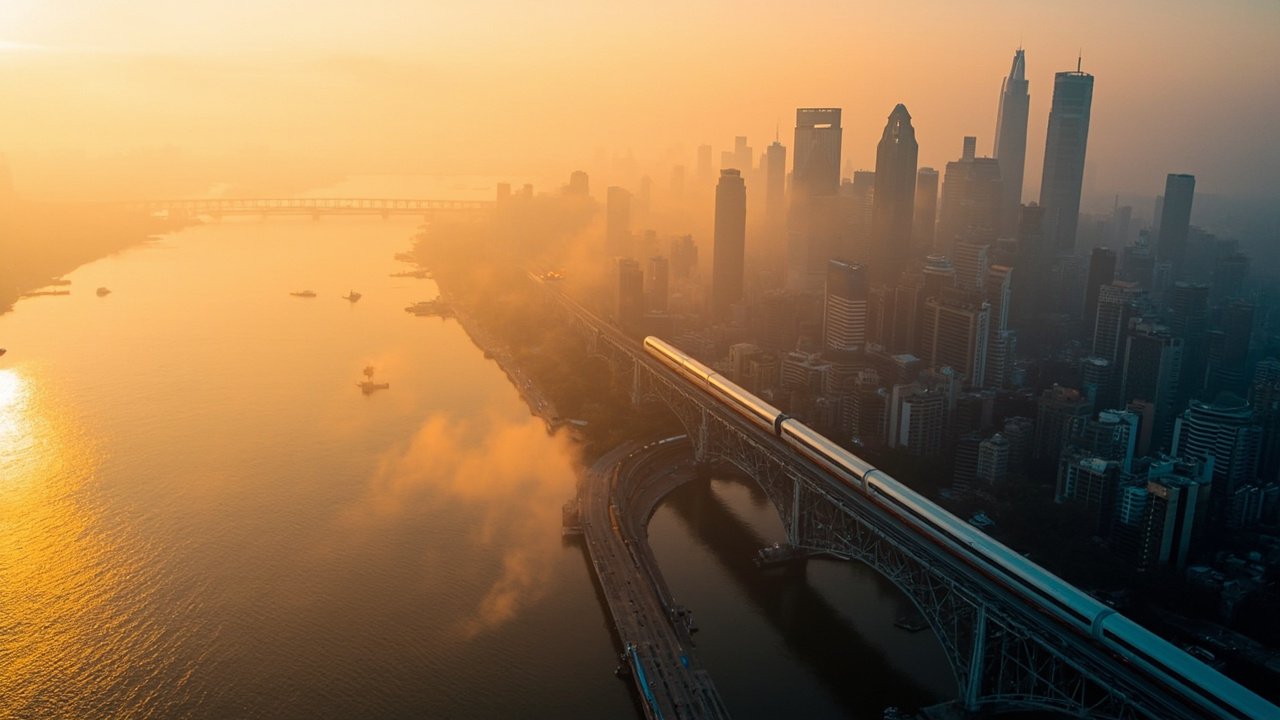
Chongqing is the most surreal city in China. It’s built on mountains, so the “ground floor” of one building might be the “10th floor” of another. The skyline looks like something from a sci-fi movie, with elevated roads and monorails threading between skyscrapers. Jiangbei Airport is about 30 minutes from the city center by taxi.
The main attraction for a layover is just walking around. Start at Jiefangbei, the central pedestrian area, then head to Hongya Cave, a stilted building complex that looks like a giant lantern at night. The views from the Yangtze River cable car are spectacular, though the queues can be long.
Hotpot is the city’s culinary identity, and you can’t leave without trying it. The broth is numbing and spicy, and you cook your own ingredients at the table. It’s a social experience that’s best shared with friends, but solo diners are welcome. Just be prepared to sweat.
- 馃搷 Location: Yuzhong District, Chongqing
- 馃帿 Entry fee: Free for Jiefangbei and Hongya Cave; cable car is $3 (CNY 20)
- 馃晲 Opening hours: Hongya Cave is open until 11 PM; hotpot restaurants typically open 11 AM–2 AM
- 馃殕 How to get there: Take a taxi from Jiangbei Airport to Jiefangbei (30 min, $10/CNY 70), then walk to Hongya Cave
- 鈴?When to visit: Evening for the skyline lights; weekday afternoons for the cable car
- 馃挕 Insider tips: The monorail Line 2 runs along the river and has some of the best views in the city — ride it for a few stops even if you don’t have a destination. The hotpot broth is spicy — order a “yuan yang” (half-spicy, half-mild) pot if you’re not used to heat. The city is hilly, so wear comfortable shoes. The cable car queues are shorter after 8 PM. English is limited here, so have your translation app ready.
I once asked a local for directions in Chongqing and she pointed up. I thought she was joking. She wasn’t. The building I was looking for was literally above me, accessible by a staircase that wrapped around the mountain. This city breaks your brain in the best way.
FAQ summary
The most important takeaways: China’s 240-hour visa-free transit policy covers 54 nationalities and allows you to leave the airport without a visa, provided you have a confirmed onward ticket and stay within designated regions. Shanghai Pudong and Beijing Capital are the most accessible airports for short layovers, with direct metro connections to city centers in under an hour. For any layover under 6 hours, it’s safer to stay in the airport and use the free lounges and amenities rather than risk missing your connection.
Q: Can I leave the airport during a layover in China without a visa?
A: Yes, if you qualify for the 240-hour visa-free transit policy. This applies to 54 nationalities, requires a confirmed onward ticket to a third country, and restricts you to designated regions. Check the latest policy details before you fly, as rules can change.
Q: How long does my layover need to be to leave the airport?
A: I’d say at least 6 hours for a city center visit, and 10+ hours for something like the Great Wall or Terracotta Warriors. Factor in time to clear immigration, get through security again, and travel to and from the city.
Q: Do I need a Chinese SIM card or VPN for a layover?
A: You’ll need a VPN if you want to use Google, WhatsApp, or Facebook. You can get a temporary SIM card at the airport, but for a short layover, using airport Wi-Fi with a VPN is usually sufficient. Check our China SIM card and internet guide for details.
Q: Can I use my credit card or do I need cash?
A: China is largely cashless, and you’ll need Alipay or WeChat Pay for most transactions. Set these up before you arrive, as they require foreign card verification. Carry some cash as backup for small vendors.
Q: How do I get from the airport to the city center?
A: Most major airports have metro connections that cost $1–5 (CNY 7–35). Taxis are more expensive ($10–30/CNY 70–215) but faster and more convenient. The maglev in Shanghai is the fastest option at 8 minutes to the city.
Q: Is English widely spoken at Chinese airports?
A: Airport staff speak basic English, and signage is bilingual. Once you leave the airport, English becomes less common, especially outside major cities. Download a translation app before you land.
Q: What should I do if my layover is less than 6 hours?
A: Stay in the airport. Most major hubs have good lounges, free Wi-Fi, and decent food options. You can also take advantage of free transit tours offered by some airports, which are designed for short layovers.
The Honest Wrap-up
This list is for travelers who see a layover as an opportunity, not an inconvenience. If you’re the type who likes to sit in the airport and read a book, that’s fine, but you’re missing out. China’s airports are gateways to some of the most incredible experiences on earth, and the visa-free policies make it easier than ever to step outside.
That said, this isn’t for everyone. If you’re a nervous traveler, if you don’t handle stress well, or if your connection is tight, stay in the airport. The risk of missing your flight isn’t worth a quick photo of a pagoda.
My final advice: pick one thing to see or eat, and do that thing well. Don’t try to cram three attractions into a 6-hour layover. You’ll spend more time in transit than actually experiencing anything. And whatever you do, set an alarm on your phone for 90 minutes before your flight departs. You don’t want to be the person sprinting through security with a bag of hotpot in one hand and your passport in the other. I’ve been that person. It’s not fun.
Topics
More guides you may like
Top 10 Bridges in China
China's bridges are engineering marvels spanning mountains, rivers, and seas. Here are 10 of the most spectacular, from ancient stone to modern steel.
8 min read

Top 10 Buddhist Sites in China
From the Leshan Giant Buddha to the Dunhuang Caves, these 10 Buddhist sites represent 2,000 years of China's spiritual heritage.
9 min read

Top 10 Day Trips from Beijing You Shouldn't Miss
Beijing is packed with history, but some of China's best experiences are just a few hours away. Here are 10 day trips that will transform your visit.
9 min read
Top 10 Hidden Gems in China Off the Beaten Path
Beyond the Great Wall and Terracotta Warriors, China has incredible hidden destinations few tourists ever reach. Here are 10 underrated gems worth the detour.
9 min read
Top 10 Markets and Shopping Streets in China
From Shanghai's Bund to Beijing's Silk Street - 10 markets where foreigners can haggle, explore, and bring home authentic Chinese goods.
9 min read
Top 10 Museums in China You Shouldn't Miss
China's museums span 5,000 years of civilization. These 10 - from the Palace Museum to Xi'an's terracotta gallery - are unmissable for culture lovers.
9 min read