
Shangri-La Yunnan Guide
The bus groaned around another hairpin turn, and the woman across the aisle, bundled in a thick Tibetan chuba, pointed out the window.
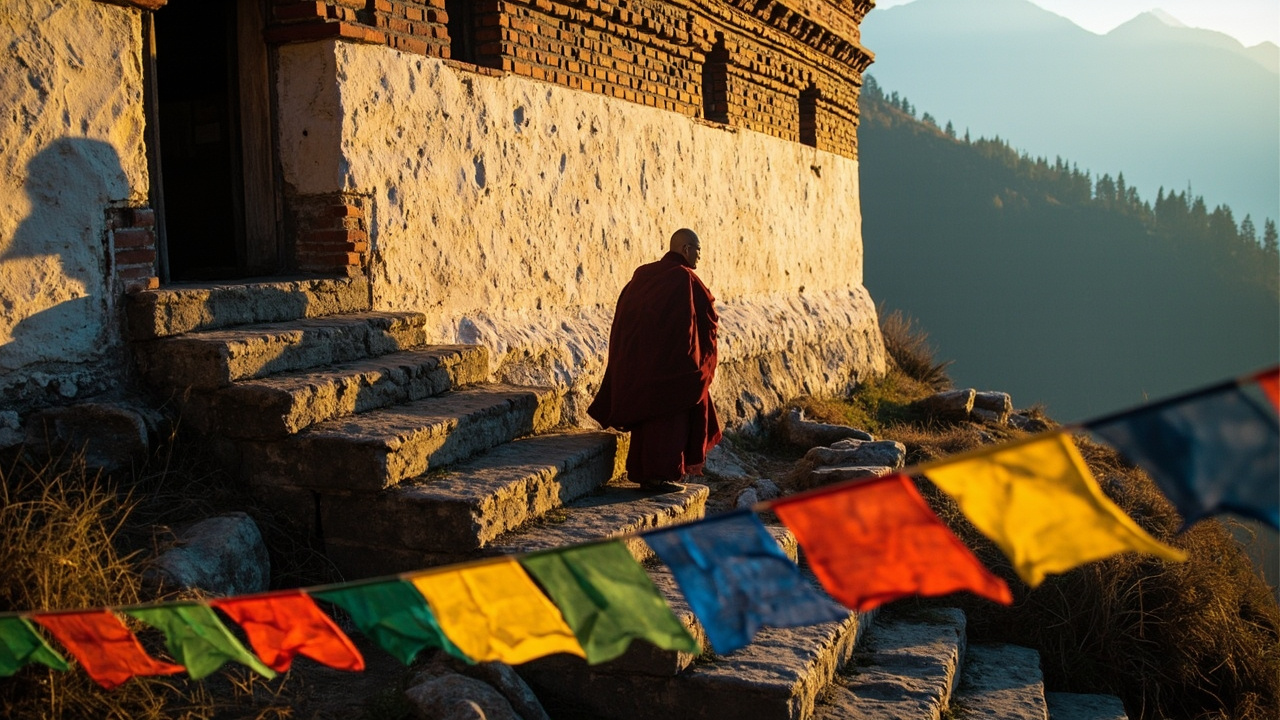
The bus groaned around another hairpin turn, and the woman across the aisle, bundled in a thick Tibetan chuba, pointed out the window. I pressed my face to the cold glass. There it was: the whitewashed stupa of Songzanlin Monastery, catching the late afternoon sun like a beacon against the dark pine forest. The air at 3,300 meters was thin and sharp. My ears popped. I had finally made it to Shangri-La, a place I’d read about in James Hilton’s Lost Horizon years ago, half-convinced it was a myth. It isn’t. It’s a real city in northwest Yunnan, and it’s unlike anywhere else in China.
Most people treat Shangri-La as a quick stopover between Lijiang and Tibet, a place to snap a photo of the giant prayer wheels and move on. That’s a mistake. This is a region of deep valleys, snow-capped peaks, and a Tibetan culture that feels a world away from Beijing or Shanghai. You come here for the monasteries, the hiking, and the feeling of being at the roof of the world.
This guide is built from my multiple trips here, including a week spent in the summer of 2025. I’ll give you the ten places I think are worth your time, how to get to each one, what it costs, and the small details that will make your trip smoother. I’ll also tell you what to skip, because some things here are genuinely overrated.
Quick answer
Shangri-La (Xianggelila) is a high-altitude Tibetan town in northwest Yunnan Province, reachable by a short flight from Kunming or a 3-hour train from Lijiang. The best time to visit is between May and October, when the weather is mild and the grasslands are green. Most visitors spend 2-3 days here, and the total cost for a comfortable trip, excluding international flights, is around $200-$300 (CNY 1,400-2,100) per person. As of 2026, most international visitors can enter China visa-free for up to 240 hours (10 days) under the transit policy, which is enough time to combine Shangri-La with Lijiang and Dali.
The Short Version
If you only have 90 seconds, here’s the deal. Shangri-La is not a luxury resort town. It’s a real Tibetan city at 3,160 meters (10,400 feet), and the altitude is no joke. Plan for at least one full day to acclimatize before doing any serious hiking. The must-see is Songzanlin Monastery, the “Little Potala Palace.” The old town is nice for an evening stroll, but it’s heavily rebuilt and touristy. The real magic is in the surrounding countryside: Pudacuo National Park, the Napa Lake wetlands, and the drive toward the Tibetan border. Bring cash, set up Alipay before you come, and download a good offline map. English is rarely spoken, so a translation app is essential.
How I Picked These
I’ve traveled through Yunnan four times, and I spent a full week in Shangri-La in June 2025. I walked the old town at dawn, hiked the trails around Napa Lake, and spent an afternoon sitting in the courtyard of Songzanlin just watching the monks go about their day. I also talked to a lot of people: a guesthouse owner who grew up in a nearby village, a taxi driver named Dawa who drove me to Pudacuo and back, and a monk who spoke a little English and told me about the monastery’s history. This list reflects what I actually did and saw, not what a brochure would tell you. I’ve also included a few places I think you can skip, because not everything in Shangri-La is worth your time or money.
Comparison Table
| Rank | Place | Best For | Approx Cost (USD) | Time Needed | When to Go |
|---|---|---|---|---|---|
| 1 | Songzanlin Monastery | Tibetan culture, architecture | $12 (CNY 85) | Half day | May-Oct |
| 2 | Pudacuo National Park | Lakes, hiking, nature | $17 (CNY 120) + shuttle | Full day | May-Oct |
| 3 | Napa Lake (Yila Prairie) | Wetlands, yaks, cycling | Free (park area) | Half day | Jun-Sep |
| 4 | Dukezong Old Town | Evening walks, food | Free | 2-3 hours | Any time |
| 5 | Balagezong Scenic Area | Grand Canyon, hiking | $35 (CNY 250) | Full day | May-Oct |
| 6 | Shika Snow Mountain | Cable car, alpine views | $45 (CNY 320) | Half day | Nov-Apr |
| 7 | Ganden Sumtseling (Songzanlin) Museum | History, artifacts | Included in monastery ticket | 1 hour | Any time |
| 8 | Tibetan Family Visit | Cultural immersion | $20 (CNY 150) | 2-3 hours | Year-round |
| 9 | Potatso (Pudacuo) Shudu Lake | Photography, boardwalk | Included in park ticket | 2 hours | May-Oct |
| 10 | Shangri-La Grand Theatre | Tibetan dance show | $25 (CNY 180) | 2 hours | Evenings |
1. Songzanlin Monastery — The Little Potala Palace
The first time I saw Songzanlin, I thought someone had photoshopped it onto the hillside. It’s that dramatic. The white and ochre buildings climb the slope in layers, and the golden roofs catch the light in a way that makes you want to just stand there and stare. I did, for a good five minutes, until a monk tapped me on the shoulder and pointed toward the entrance.
This is the largest Tibetan Buddhist monastery in Yunnan, home to around 700 monks. It was built in the 17th century and modeled on the Potala Palace in Lhasa. You can wander through the main assembly halls, see the intricate murals and thangkas, and watch monks debating in the courtyard. It’s a working monastery, not a museum, so be respectful. No photos inside the temples.
📍 Location: About 5 km north of Shangri-La old town, on the edge of the forest. 🎫 Entry fee: $12 (CNY 85). This includes a shuttle bus from the main gate. 🕒 Opening hours: 8:00 AM – 6:00 PM (last entry around 4:30 PM). The monastery is quieter before 10 AM. 🚕 How to get there: Take a taxi from the old town (about $5 / CNY 35). Or take bus #3 from the main bus station, which stops near the monastery gate. The shuttle bus from the gate takes you up the hill to the main complex. 📅 When to visit: Go early in the morning to see the monks’ morning prayers. Weekdays are much quieter than weekends. 💡 Insider tips: Wear comfortable shoes; there are a lot of steps. Bring a light jacket even in summer; it can be chilly at this altitude. The shuttle bus is mandatory; don’t try to walk up the main road. If you’re lucky, you might see a monk painting a thangka in one of the side courtyards.
I sat on a low wall near the entrance for an hour, just watching the monks in their maroon robes cross the courtyard. One of them, a young guy named Tenzin, stopped to ask where I was from. We had a halting conversation about the weather and the monastery’s history. He told me the best view was from the hill behind the main hall. He was right.
2. Pudacuo National Park — China’s First National Park
I’ll be honest: I almost skipped Pudacuo. I’d heard it was crowded and overpriced. But Dawa, my taxi driver, insisted. “You came all this way,” he said. “You have to see the lakes.” He was right. Pudacuo is China’s first national park, and it’s a stunning collection of alpine lakes, meadows, and forest trails. The two main lakes are Shudu Lake and Bita Lake, and both are connected by a shuttle bus system.
The boardwalk around Shudu Lake is an easy, flat walk through meadows and forest, with yaks grazing in the distance. Bita Lake is higher and wilder, with a longer trail that takes you through old-growth forest. The water is so clear you can see the pebbles at the bottom. It’s a place to slow down and breathe. The altitude is high (around 3,500 meters), so take it easy.
📍 Location: About 22 km east of Shangri-La city. 🎫 Entry fee: $17 (CNY 120) plus $20 (CNY 140) for the mandatory shuttle bus. 🕒 Opening hours: 8:00 AM – 4:00 PM (last shuttle entry). The park closes earlier in winter. 🚕 How to get there: Taxi from Shangri-La (about $15 / CNY 100 one way). Or take the tourist bus from the Shangri-La bus station (about $5 / CNY 35). The shuttle bus inside the park takes you between the two lakes. 📅 When to visit: May to October is best. The lakes freeze in winter, but the snowy landscape has its own beauty. Go on a weekday to avoid the tour groups. 💡 Insider tips: The shuttle bus is the only way to get around the park; don’t try to walk between the lakes (it’s too far). Bring snacks and water; the food options inside are limited and overpriced. The trail around Bita Lake is about 4 km; allow 2-3 hours. The altitude will make you breathless; take breaks.
I walked the Bita Lake trail alone for most of the afternoon, and I didn’t see another foreigner the entire time. Just the sound of the wind in the pines and the occasional call of a bird. It was the most peaceful day I had in Shangri-La.
3. Napa Lake (Yila Prairie) — Wetlands, Yaks, and Big Sky
Napa Lake isn’t really a lake most of the year. It’s a vast wetland basin that fills with water in the rainy season (June to September) and dries out into a grassy prairie the rest of the time. Either way, it’s a beautiful place to spend a few hours. The road that circles the basin is flat and easy to cycle, and you’ll see herds of yaks and Tibetan sheep grazing.
I rented a bicycle from a shop near the old town and rode out here one morning. It took about 45 minutes to reach the edge of the wetland. The sky felt enormous, and the mountains on the horizon seemed close enough to touch. I stopped at a small farmhouse and bought a bottle of yak yogurt from an old woman who didn’t speak a word of English. We communicated through gestures and smiles. The yogurt was tart and thick, unlike anything I’d had before.
📍 Location: About 5 km northwest of Shangri-La city. 🎫 Entry fee: Free to walk or cycle around the basin. Some sections near the water are part of a nature reserve and may have a small fee. 🕒 Opening hours: Open all day, any time. 🚕 How to get there: Taxi from the old town (about $4 / CNY 30). Or rent a bicycle (about $5 / CNY 35 per day) from one of the many shops in Dukezong. 📅 When to visit: June to September for the lake. October to May for the prairie and the migrating black-necked cranes (November to March). 💡 Insider tips: The road around the basin is about 12 km; a full loop takes 2-3 hours by bike. Bring sunscreen and a hat; there’s no shade. The wind can be strong in the afternoon, so go in the morning. If you see a group of Tibetan women picking something in the fields, they’re likely gathering a wild herb called yuansui (coriander’s wild cousin). It’s delicious in soup.
I nearly got caught in a sudden rainstorm out on the prairie. A Tibetan herder waved me into his tent, where I sat with his family, drinking butter tea and watching the rain hammer the grass. He didn’t speak English, and I don’t speak Tibetan, but we managed to laugh about the weather. It’s a moment I still think about.
4. Dukezong Old Town — The Rebuilt Heart
Let’s be clear: Dukezong is not an authentic ancient town. It was almost completely destroyed by a fire in 2014 and has been rebuilt in a way that feels a bit too polished, a bit too perfect. But that doesn’t mean you should skip it. The old town is the social heart of Shangri-La, and it’s where you’ll find the best food, the liveliest bars, and the famous giant prayer wheel on the hill above.
The main square fills with locals and tourists in the evening, and the smell of yak butter tea and roasting meat wafts from the restaurants. The streets are lined with shops selling Tibetan jewelry, wool scarves, and dried yak meat. It’s touristy, sure, but there’s a genuine energy here. I had one of the best meals of my trip at a small restaurant called “Tibetan Family Kitchen” (it’s on the main drag, you can’t miss it). The yak hotpot was rich and warming, perfect for the chilly evening.
📍 Location: The old town is in the center of Shangri-La city, near the main square. 🎫 Entry fee: Free. 🕒 Opening hours: The streets are always open. Shops and restaurants generally operate from 9 AM to 10 PM. 🚕 How to get there: It’s walkable from most hotels in the city. If you’re arriving by bus, it’s a 10-minute taxi ride from the Shangri-La bus station. 📅 When to visit: Evenings are the best time, when the lights come on and the prayer wheel is illuminated. Mornings are quiet and good for photos. 💡 Insider tips: Climb the 130 steps to the Giant Prayer Wheel at the top of the hill. It’s free, and the view over the old town at sunset is worth the effort. Try the tsampa (roasted barley flour) and butter tea at one of the tea houses. Bargaining is expected in the shops, but be polite about it. The old town is small; you can see it all in a couple of hours.
I made a mistake here: I bought a “cashmere” scarf from a shop near the square and paid way too much. The next day, I saw the same scarf in a shop down the street for half the price. Lesson learned. Bargain harder.
5. Balagezong Scenic Area — The Grand Canyon of the East
Balagezong is a hidden gem that most tourists miss. It’s a dramatic gorge carved by the Jinsha River (the upper Yangtze), with sheer cliffs, waterfalls, and a narrow suspension bridge that crosses the river at the bottom. The scenery is jaw-dropping, but it’s a serious hike. The main trail descends into the canyon and takes about 4-5 hours round trip. You can also take a glass-bottomed observation deck that juts out over the edge of the cliff, which is not for the faint of heart.
I went with a group of Chinese tourists from Chengdu, and we took turns helping each other over the rough patches of the trail. The view from the bottom, looking up at the cliffs, made me feel very small. There’s a small village at the canyon floor where you can buy water and snacks. The hike back up is tough; allow plenty of time.
📍 Location: About 60 km northwest of Shangri-La, near the Tibetan border. 🎫 Entry fee: $35 (CNY 250), which includes the shuttle bus from the entrance. 🕒 Opening hours: 8:00 AM – 5:00 PM. Last shuttle down to the canyon leaves around 3 PM. 🚕 How to get there: There’s no public transport. Hire a taxi or join a day tour from Shangri-La (about $50 / CNY 350 per person including entrance fee). The drive takes about 1.5 hours each way. 📅 When to visit: May to October. The trail can be slippery in the rain, so check the weather before you go. 💡 Insider tips: Wear sturdy hiking shoes; the trail is uneven. Bring more water than you think you need. The glass-bottomed platform is an extra $5 (CNY 35) and worth it if you’re not scared of heights. The shuttle bus is mandatory; the entrance gate is far from the canyon rim.
I met a retired couple from Guangzhou on the trail. They were in their 70s and moving faster than me. The wife laughed at my huffing and puffing and handed me a piece of dried mango. “High altitude,” she said in English, with a wink. “Eat sugar.”
6. Shika Snow Mountain — Cable Car to the Clouds
If you want a taste of the high mountains without a multi-day trek, Shika Snow Mountain is your best bet. A cable car whisks you from the base (about 3,300 meters) to the summit area (about 4,500 meters) in about 20 minutes. The views are spectacular: a panorama of snow-capped peaks, alpine meadows, and, on a clear day, the distant profile of Meili Snow Mountain. There’s a short boardwalk at the top, and you can walk around the summit area for about an hour.
The altitude is the real challenge here. At 4,500 meters, the air is thin, and you’ll feel it. I had a headache for the rest of the day after my visit. Take it slow, drink water, and consider buying a small oxygen canister at the base (about $3 / CNY 20) if you’re not used to altitude.
📍 Location: About 15 km south of Shangri-La city. 🎫 Entry fee: $45 (CNY 320) for the cable car and park entrance. This is the most expensive attraction in the area. 🕒 Opening hours: 8:00 AM – 5:00 PM. The cable car may close in high winds or heavy snow. 🚕 How to get there: Taxi from Shangri-La (about $10 / CNY 70). Or take bus #9 from the main bus station, which stops at the entrance. 📅 When to visit: November to April for the best snow views. May to October is also fine, but the summit may be cloudy. 💡 Insider tips: The cable car is a long ride; if you’re scared of heights, sit facing the mountain, not the valley. The boardwalk at the top is short, but the views are worth it. Bring warm clothes; it can be below freezing at the summit even in summer. Don’t try to hike beyond the boardwalk; the terrain is unstable.
I watched a group of young Chinese tourists take selfies at the summit, their faces flushed with excitement and altitude. One of them offered me a piece of chocolate. “For the oxygen,” she said, laughing. It helped.
7. Ganden Sumtseling (Songzanlin) Museum — The Story Behind the Monastery
Tucked inside the Songzanlin complex, this small museum is often overlooked by visitors rushing to see the main halls. It’s worth a stop. The exhibits cover the history of the monastery, the region’s Tibetan culture, and the life of the monks who live here. There are old photographs, religious artifacts, and detailed models of the monastery as it was before the Cultural Revolution.
I spent an hour here, reading the English panels (they’re well-written) and looking at the old photos. It gave me a much deeper appreciation for the place. The museum also has a small gift shop where you can buy books about Tibetan Buddhism and the region.
📍 Location: Inside the Songzanlin Monastery complex, near the main entrance. 🎫 Entry fee: Included in the monastery ticket. 🕒 Opening hours: Same as the monastery (8:00 AM – 6:00 PM). 🚕 How to get there: Same as Songzanlin (see entry #1). 📅 When to visit: Any time. It’s a good place to escape the sun or rain. 💡 Insider tips: The museum is a good place to ask questions. The staff speak a little English and are happy to help. Don’t miss the model of the monastery in the back room; it’s fascinating.
I bought a small book here about the history of Songzanlin. The woman at the counter wrapped it carefully in paper. “For your journey,” she said. I still have it.
8. Tibetan Family Visit — A Meal You Won’t Forget
This is the most “touristy” thing on this list, but it’s also one of the most memorable. Several families in the villages around Shangri-La open their homes to visitors for a few hours. You’ll sit in their living room, drink butter tea, eat homemade yak cheese and momos (Tibetan dumplings), and learn about daily life in a Tibetan household. It’s a chance to ask questions and connect with people in a way that’s hard to do otherwise.
I visited a family in the village of Xiaozhongdian, about 30 minutes south of Shangri-La. The grandmother showed me how she makes butter tea, churning the yak butter and salt in a long wooden cylinder. Her daughter-in-law served us a huge meal, and her grandson, who spoke excellent English, translated for us. We talked about everything: the weather, the cost of living, his plans to go to university in Kunming. It was a highlight of my trip.
📍 Location: Various villages around Shangri-La. Ask your guesthouse or a local tour agency to arrange a visit. 🎫 Entry fee: About $20 (CNY 150) per person, including the meal. 🕒 Opening hours: Usually arranged for lunch or dinner time. 🚕 How to get there: Transport is usually included in the tour price. 📅 When to visit: Any time of year. 💡 Insider tips: Bring a small gift (fruit, snacks, or a small souvenir from your home country) as a token of thanks. Take off your shoes before entering the house. Don’t be shy about asking questions; the families are used to visitors and happy to share their culture. The food is generous; come hungry.
The grandmother insisted I try a second helping of momos. “You’re too thin,” she said, patting my arm. I didn’t argue.
9. Potatso (Pudacuo) Shudu Lake — The Boardwalk That Goes Nowhere
If you only have one day in Pudacuo, spend it at Shudu Lake. The boardwalk loops around the lake’s edge for about 3 km, through meadows and forest, with the water always on your left. It’s an easy, flat walk, and the scenery is postcard-perfect: still water, green hills, and the occasional yak wandering by. I saw a family of black-necked cranes here in November, which was a rare treat.
The lake is also a great place for photography, especially in the early morning when the mist hangs over the water. The light is soft and golden, and the reflections are perfect. I must have taken a hundred photos here, and most of them are actually good.
📍 Location: Inside Pudacuo National Park, about 22 km east of Shangri-La. 🎫 Entry fee: Included in the Pudacuo park ticket. 🕒 Opening hours: Same as the park (8:00 AM – 4:00 PM). 🚕 How to get there: Same as Pudacuo (see entry #2). 📅 When to visit: May to October for the green scenery. November to March for the cranes and the winter light. 💡 Insider tips: The boardwalk is a loop; you can start from either end. The far end is quieter. Bring a thermos of hot tea; there’s no café on the trail. The mist is most likely in the early morning, so be there by 9 AM.
I met a photographer from Singapore on the boardwalk. We traded camera tips and talked about the best places to shoot in Yunnan. He gave me a tip about a spot near Bita Lake that I’d missed. I went back the next day. He was right.
10. Shangri-La Grand Theatre — A Night of Song and Dance
This might seem like an odd addition to the list, but hear me out. The evening show at the Shangri-La Grand Theatre is a spectacle of Tibetan song and dance, with colorful costumes, dramatic lighting, and a live band. It’s a bit cheesy, sure, but it’s also a lot of fun. The performers are talented, and the show gives you a sense of the region’s cultural traditions in a way that’s accessible and entertaining.
I went on a rainy evening when I had nothing else to do, and I ended up enjoying it more than I expected. The highlight was a solo performance by a singer with a voice that filled the entire hall. The audience, mostly Chinese tourists, was clapping and cheering. I found myself doing the same.
📍 Location: Near the old town, about a 10-minute walk from the main square. 🎫 Entry fee: About $25 (CNY 180) for a standard seat. Book in advance at your hotel or online. 🕒 Opening hours: Shows usually start at 8:00 PM and last about 2 hours. Check the schedule in advance. 🚕 How to get there: Walk from the old town, or take a short taxi ride. 📅 When to visit: Shows run year-round, but check the schedule for performance days. 💡 Insider tips: Book your ticket in advance, especially during peak season. Arrive early to get a good seat. The show is in Chinese and Tibetan, but the music and dance transcend language. Don’t worry about understanding everything; just enjoy the spectacle.
I sat next to a family from Beijing, and the father, a gruff man in his 50s, was singing along to the Tibetan songs by the end. His wife rolled her eyes, but she was smiling.
FAQ summary
Shangri-La is a high-altitude Tibetan town in Yunnan Province, China, best visited between May and October. The main attractions are Songzanlin Monastery, Pudacuo National Park, and the Napa Lake wetlands. Visitors should plan for 2-3 days, budget around $200-$300 (CNY 1,400-2,100) per person for local expenses, and be prepared for the altitude (3,160 meters / 10,400 feet). As of 2026, most international travelers can enter China visa-free for up to 240 hours under the transit policy. English is not widely spoken, so a translation app is essential, and mobile payment apps like Alipay and WeChat Pay are widely used.
FAQ
Q: Is Shangri-La safe for solo travelers? A: Yes, it’s very safe. I felt completely comfortable walking around the old town at night. The main risks are altitude sickness and the cold, not crime.
Q: Do I need to worry about altitude sickness in Shangri-La? A: Yes, the altitude is real. The city sits at 3,160 meters (10,400 feet). Take it easy for the first day, drink plenty of water, and avoid alcohol. If you feel severe symptoms, descend to a lower altitude immediately.
Q: How do I get from Lijiang to Shangri-La? A: The fastest way is the high-speed train, which takes about 3 hours and costs around $20 (CNY 140). There are also direct buses (about 4 hours, $15 / CNY 100) and flights (45 minutes, $50-$80 / CNY 350-560).
Q: What should I pack for a trip to Shangri-La? A: Layers are key. The temperature can swing from warm afternoons to near-freezing nights. Bring a warm jacket, comfortable walking shoes, sunscreen, and a hat. A small oxygen canister can help with altitude symptoms.
Q: Do I need a VPN for my phone in Shangri-La? A: Yes, if you want to use Google Maps, WhatsApp, or Instagram, you’ll need a VPN. The internet is heavily filtered in China. Check out this guide on SIM cards and internet access for more details.
Q: Can I use my credit card in Shangri-La? A: Not reliably. Most places, including hotels and restaurants, expect payment via Alipay or WeChat Pay. Set these up before you arrive and link your card. You should also carry some cash as a backup.
Q: Is Shangri-La worth visiting in winter? A: Yes, but it’s cold. The lakes freeze, and the scenery becomes a snowy wonderland. The main downside is that some attractions, like Pudacuo, may have reduced hours. The old town and monastery are still open.
The Honest Wrap-up
Shangri-La isn’t for everyone. If you’re looking for the polished comfort of a place like Hangzhou or the urban energy of Shanghai, this might not be your spot. But if you’re willing to trade a little comfort for a lot of character, it’s one of the most memorable places in China. The altitude is a challenge, the food is an acquired taste, and the tourist infrastructure is still developing. But the scenery is world-class, the culture is fascinating, and the people are genuinely welcoming.
My final advice: give yourself three days here, not two. The first day is for acclimatizing and the old town. The second is for Songzanlin and Napa Lake. The third is for Pudacuo or a longer excursion. And don’t rush. The best moments in Shangri-La happen when you slow down, sit on a wall, and watch the clouds move over the mountains. That’s the real Shangri-La.
Topics
More guides you may like

Top 10 Bridges in China
China's bridges are engineering marvels spanning mountains, rivers, and seas. Here are 10 of the most spectacular, from ancient stone to modern steel.
8 min read

Top 10 Buddhist Sites in China
From the Leshan Giant Buddha to the Dunhuang Caves, these 10 Buddhist sites represent 2,000 years of China's spiritual heritage.
9 min read

Top 10 Day Trips from Beijing You Shouldn't Miss
Beijing is packed with history, but some of China's best experiences are just a few hours away. Here are 10 day trips that will transform your visit.
9 min read

Top 10 Hidden Gems in China Off the Beaten Path
Beyond the Great Wall and Terracotta Warriors, China has incredible hidden destinations few tourists ever reach. Here are 10 underrated gems worth the detour.
9 min read

Top 10 Markets and Shopping Streets in China
From Shanghai's Bund to Beijing's Silk Street - 10 markets where foreigners can haggle, explore, and bring home authentic Chinese goods.
9 min read

Top 10 Museums in China You Shouldn't Miss
China's museums span 5,000 years of civilization. These 10 - from the Palace Museum to Xi'an's terracotta gallery - are unmissable for culture lovers.
9 min read