
Macau Day Trip from Hong Kong
The ferry slammed into the dock at Taipa with a shudder that rattled my teeth. I'd spent the past hour watching the Hong Kong skyline shrink into the haze.
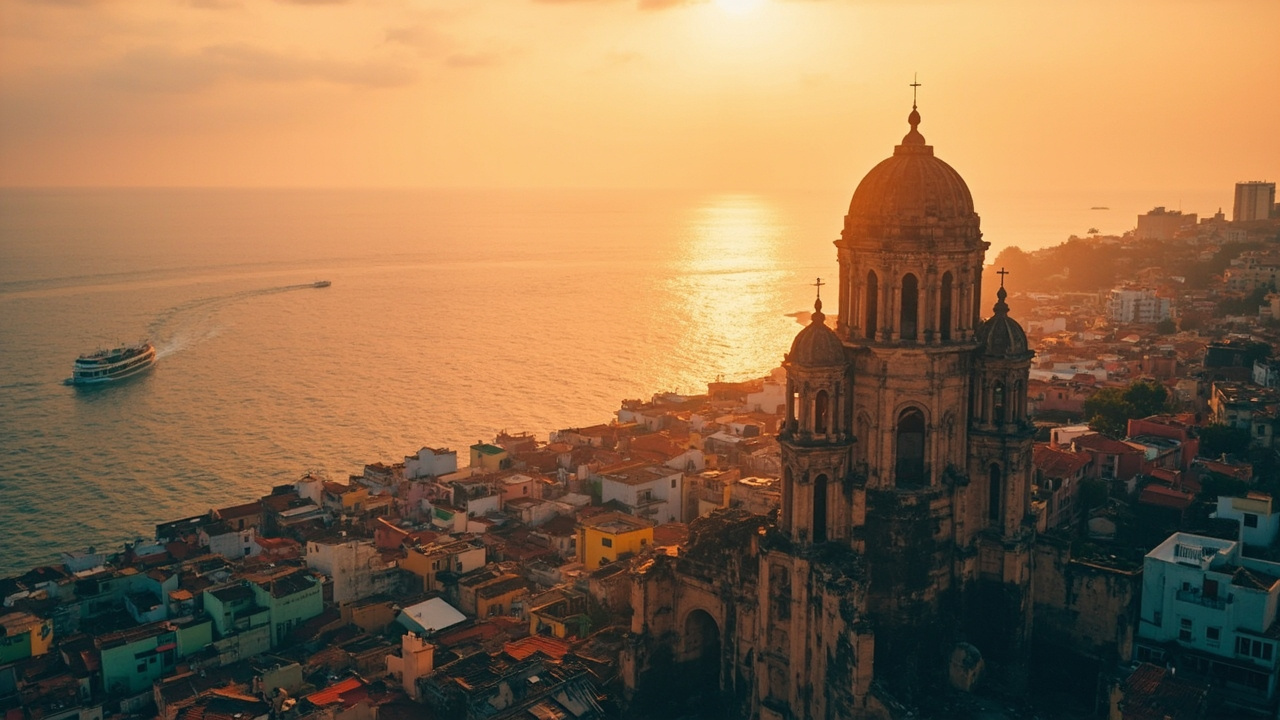
The ferry slammed into the dock at Taipa with a shudder that rattled my teeth. I’d spent the past hour watching the Hong Kong skyline shrink into the haze, then vanish entirely, replaced by nothing but gray-green water and the low hum of the engines. A woman across the aisle was clutching a bag of egg tarts from a bakery in Sheung Wan, and the smell of warm custard and butter followed me down the gangplank. That was my first impression of Macau: not the casinos, not the Portuguese ruins, but the smell of someone else’s breakfast.
Macau gets dismissed as “Vegas with a ferry ride” by people who’ve never actually walked its back streets. They’re wrong. This is a place where a 400-year-old Portuguese church sits across the alley from a noodle shop that’s been boiling broth since the 1960s, where the air smells like incense and diesel and salted cod, where you can lose the crowds entirely by walking ten minutes in the wrong direction. It’s the only place in China where you can legally gamble, and the only place in Asia where you’ll hear Cantonese and Portuguese in the same sentence.
I’ve made this trip more times than I can count, and I’ve made every mistake you can make: showed up without a ferry ticket on a holiday weekend, wandered into the wrong casino looking for the bus back, paid tourist prices for egg tarts when the good ones were two blocks away. This guide is everything I wish someone had told me before my first crossing.
Quick answer
Yes, Macau is an easy day trip from Hong Kong: the TurboJET ferry from Sheung Wan takes about an hour and costs roughly $30–$45 USD (CNY 215–325) each way, and most US, UK, and EU passport holders can enter visa-free for up to 30 days. Book your return ferry in advance, bring your passport (not just your Hong Kong ID), and go on a weekday to avoid the worst crowds.
The Short Version
If you only have 90 seconds, here’s the plan: take the 8:30 AM TurboJET from Hong Kong’s Sheung Wan pier to Macau’s Outer Harbour, walk to the Ruins of St. Paul’s before the tour groups arrive, wander down to Senado Square, eat a Portuguese egg tart at the original Lord Stow’s in Coloane (yes, it’s worth the detour), then decide if you want casinos or history for the afternoon. Skip the gondola rides and the overpriced buffet dinners. Take the 7 PM ferry back. You’ll be tired, your feet will hurt, and you’ll have seen more of Macau than most people see in three days.
How I Picked These
I’ve been living in Beijing for seven years and I’ve crossed between Hong Kong and Macau more than forty times. Some of those trips were for work, some were for fun, and a few were just because I missed the egg tarts. I’ve taken every ferry operator, every bus route, and I’ve walked the peninsula end to end more times than I can count. I’ve also made a habit of asking locals where they actually eat and what they actually do, rather than trusting the guidebooks. The places below are the ones I keep going back to, and the ones I’d send a friend to without hesitation.
Comparison Table
| Rank | Place | Best For | Approx Cost (USD) | Time Needed | When to Go |
|---|---|---|---|---|---|
| 1 | Ruins of St. Paul’s | Iconic photos, history | Free | 1 hour | Early morning, before 9 AM |
| 2 | Senado Square | People-watching, architecture | Free | 1 hour | Late afternoon, golden hour |
| 3 | A-Ma Temple | Oldest temple, local culture | Free | 45 min | Morning, before the heat |
| 4 | Lord Stow’s Bakery (Coloane) | Original egg tarts | $3–$5 USD (CNY 20–35) | 30 min | Mid-morning, before the crowds |
| 5 | Macau Tower | Views, adrenaline | $20–$30 USD (CNY 145–215) | 1–2 hours | Late afternoon, before sunset |
| 6 | Taipa Village | Food, local life | $10–$20 USD (CNY 70–145) | 2 hours | Lunch or early evening |
| 7 | The Venetian Macao | Casino, shopping | Free entry | 1–2 hours | Any time, but avoid weekends |
| 8 | Guia Fortress & Lighthouse | Views, quiet | Free | 1 hour | Late afternoon |
| 9 | Macau Museum | History, context | $2 USD (CNY 15) | 1 hour | Midday, to escape the heat |
| 10 | Coloane Village | Beach, slow pace | Free | 1–2 hours | Weekday mornings |
1. Ruins of St. Paul’s — The Facade Everyone Photographs
The first time I saw the Ruins of St. Paul’s, I was genuinely confused. I’d seen the photos, of course, everyone has, but I wasn’t prepared for how the stone facade just… stands there, alone, like a stage set with the theater torn down. The church behind it was destroyed by fire in 1835, and only the front wall survived. There’s something haunting about it, especially in the early morning when the tour groups haven’t arrived and you can stand at the bottom of the steps and hear nothing but the wind.
The facade itself is covered in carvings that blend Christian and Chinese imagery, which is a perfect metaphor for Macau itself. The Japanese Christians who built it in the early 1600s carved a Chinese dragon into the stone, and there’s a ship in the relief that’s meant to represent the journey of faith. You can’t climb to the top anymore, but you can walk behind the facade to see the excavated foundations of the original church.
📍 Location: Rua de São Paulo, Macau Peninsula 🎫 Entry fee: Free 🕒 Opening hours: 24/7, but the site is best before 9 AM 🚕 How to get there: From the Outer Harbour Ferry Terminal, take bus 3 or 10 to the “St. Paul’s” stop, then walk up the hill. Or take a taxi, about $3–$4 USD (CNY 20–30) for the 10-minute ride. ☀️ When to visit: Weekday mornings before 9 AM. By 10 AM, the tour groups arrive and the steps become a sea of selfie sticks. 💡 Insider tips: The museum underneath the ruins is free and has excellent air conditioning, a lifesaver in summer. Also, the small alleys behind the ruins have the best street food in the area, including pork chop buns that are better than anything you’ll find in the tourist restaurants.
I once watched a tour guide tell a group that the facade was “a church that was bombed in the war.” It wasn’t. It burned down in 1835. Don’t trust every guide you hear.
2. Senado Square — Where Macau’s Two Worlds Collide
Senado Square is the beating heart of Macau, a wide, wave-patterned plaza surrounded by pastel-colored Portuguese buildings that look like they were airlifted from Lisbon. The first time I walked through it, I had to remind myself I was still in China. The Portuguese pavement, the old post office, the fountain, it all feels impossibly European until you hear the Cantonese chatter and smell the curry from a nearby restaurant.
The square is always busy, but it’s busy in a good way. Locals sit on the benches eating ice cream, street performers play music, and the side streets are packed with shops selling everything from dried seafood to designer handbags. The Leal Senado Building, which houses the municipal council, has a beautiful inner courtyard that most tourists walk right past.
📍 Location: Largo do Senado, Macau Peninsula 🎫 Entry fee: Free 🕒 Opening hours: 24/7, but the square is most atmospheric at dusk when the lights come on 🚕 How to get there: It’s a 10-minute walk from the Ruins of St. Paul’s, just follow the crowds downhill. From the ferry terminal, take bus 3 or 10. ☀️ When to visit: Late afternoon, when the light hits the pastel buildings and the square is full of locals heading home from work. 💡 Insider tips: The fountain in the center is a popular meeting spot, but the real magic is in the side streets. Walk down Rua da Felicidade, the old red-light district, and look for the faded signs on the buildings. Also, the Portuguese egg tart shop at the edge of the square, Margaret’s Café e Nata, is good, but it’s not the best in Macau.
I once sat on the steps of the Leal Senado Building for an hour, just watching people. A grandmother fed her grandson pieces of egg tart while a group of teenagers filmed a dance video. Macau in one frame.
3. A-Ma Temple — The Place That Gave Macau Its Name
Macau’s name comes from A-Ma, the goddess of the sea, and this temple is where she’s been worshipped for over 500 years. It’s the oldest temple in the city, and it’s tucked into a hillside near the waterfront, a maze of pavilions, courtyards, and stone pathways that climb up the slope. The first time I visited, I was struck by how quiet it was, even though it’s just a few minutes from the ferry terminal.
The temple is still very much active. Locals come to burn incense, pray for safe voyages, and consult the fortune tellers who set up shop in the courtyard. The architecture is a mix of Chinese and Portuguese influences, and the views from the upper pavilions look out over the harbor where the Portuguese first landed in the 1550s.
📍 Location: Rua de São Tiago da Barra, Macau Peninsula 🎫 Entry fee: Free, though donations are appreciated 🕒 Opening hours: Daily, 7 AM to 6 PM 🚕 How to get there: From Senado Square, it’s a 15-minute walk downhill toward the waterfront. Or take bus 10 or 18 from the ferry terminal. ☀️ When to visit: Morning, before the heat and the crowds. The incense smoke can be intense, so go early if you’re sensitive to it. 💡 Insider tips: The fortune tellers in the courtyard are legitimate and have been there for decades, but agree on a price before you sit down. The temple’s upper pavilions offer the best views of the harbor, and most tourists don’t bother climbing that far.
I watched an elderly woman light incense and bow three times, then carefully place a small offering of fruit on the altar. She did it with such quiet reverence that I felt like I was intruding on something private.
4. Lord Stow’s Bakery — The Original Egg Tart
Everyone who visits Macau eats an egg tart. Most of them eat the wrong one. The original Lord Stow’s Bakery is in Coloane Village, a 20-minute bus ride from the main peninsula, and it’s where the Portuguese egg tart was introduced to Macau in 1989. The founder, Andrew Stow, was an Englishman who trained as a pharmacist but fell in love with Portuguese pastries. His tarts have a caramelized top, a flaky pastry shell, and a custard that’s so rich it’s almost savory.
The bakery is a tiny hole-in-the-wall on a quiet street in Coloane, and there’s always a line. But it moves fast, and the tarts are worth the wait. They’re best eaten warm, right there on the street, with the crumbs falling onto your shirt and the custard burning the roof of your mouth.
📍 Location: Rua do Tassara, Coloane Village 🎫 Entry fee: $3–$5 USD (CNY 20–35) for a tart and a drink 🕒 Opening hours: Daily, 8 AM to 6 PM, but they often sell out by mid-afternoon 🚕 How to get there: From the Macau Peninsula, take bus 25 or 26A from Senado Square to the Coloane Village stop. The ride takes about 30 minutes. ☀️ When to visit: Mid-morning, before the tour buses arrive. The line moves fast, but it’s shorter before 11 AM. 💡 Insider tips: The original location is the one to visit, not the branches in the casinos. Also, order the “Portuguese tart” not the “egg tart” if you want the authentic version. The bakery also sells a savory chicken pie that’s excellent, and it’s a good idea to buy a few tarts to take back to Hong Kong.
I once ate four tarts in a row and then had to sit on a bench for twenty minutes because I felt sick. Worth it. I’d do it again.
5. Macau Tower — The View From the Top
Macau Tower is the city’s most visible landmark, a 338-meter needle that dominates the skyline. I’m not usually a fan of observation decks, but this one has a few things going for it. The view from the top is genuinely spectacular, especially at sunset when the light hits the Pearl River Delta and the city below turns gold. You can see the casino strip on the Cotai Strip, the old peninsula, and across the water to mainland China.
The tower also has a few adrenaline activities if you’re into that sort of thing: a bungee jump from the top, a skywalk along the rim, and a “skyjump” that’s like a controlled freefall. I’ve done the skywalk once, and it was terrifying and exhilarating in equal measure. The observation deck itself is much tamer, and it’s a great place to get your bearings before exploring the city.
📍 Location: Largo da Torre de Macau, Macau Peninsula 🎫 Entry fee: $20 USD (CNY 145) for the observation deck, $30–$100 USD (CNY 215–720) for the adrenaline activities 🕒 Opening hours: Daily, 10 AM to 9 PM 🚕 How to get there: From the ferry terminal, take bus 3A or 10A to the Macau Tower stop. Or take a taxi, about $3–$4 USD (CNY 20–30). ☀️ When to visit: Late afternoon, so you can watch the sunset and see the city light up. Weekdays are less crowded. 💡 Insider tips: The 360° Cafe on the observation deck has a rotating floor, so you can sit and watch the city go by without moving. The bungee jump is one of the highest in the world, but if you’re not ready for that, the skywalk is a gentler introduction to walking on the edge.
I watched a woman in her sixties do the skywalk with a grin on her face the whole time. She told me afterward that she’d been afraid of heights her entire life, but she was tired of being afraid.
6. Taipa Village — The Real Macau
Most tourists skip Taipa Village because it’s not on the main sightseeing route. That’s their loss. This is the old Portuguese settlement on Taipa Island, a maze of narrow streets, pastel houses, and tiny restaurants that serve some of the best food in Macau. The first time I wandered through, I felt like I’d stumbled into a village that time had forgotten, even though it’s just a 10-minute walk from the casinos.
The village is famous for its food, and you’ll find everything from Portuguese sausage to African chicken to the best pork chop buns in the city. The streets are lined with old shophouses that have been converted into cafes, bakeries, and souvenir shops, and there’s a small temple dedicated to the goddess Kuan Yin that’s worth a quick visit.
📍 Location: Taipa Village, Taipa Island 🎫 Entry fee: Free 🕒 Opening hours: The village is always open, but individual shops and restaurants have varying hours 🚕 How to get there: From the Macau Peninsula, take bus 11 or 22 from Senado Square to the Taipa Village stop. From the Cotai casinos, it’s a 10-minute walk. ☀️ When to visit: Lunchtime or early evening, when the restaurants are busy and the streets are full of locals. 💡 Insider tips: The pork chop bun at the Tai Lei Loi Kei cafe is legendary, and it’s worth the wait. The Portuguese restaurant O Santos is a local institution, but you’ll need to book ahead. And the small bakery on Rua dos Clerigos sells the best almond cookies in Macau.
I once spent an entire afternoon in Taipa Village, hopping from cafe to cafe, and I don’t regret a single calorie.
7. The Venetian Macao — The Casino You Can’t Avoid
I have complicated feelings about The Venetian. On one hand, it’s a grotesque monument to excess, a fake Italian city with a fake canal and fake gondoliers who sing fake Italian songs. On the other hand, it’s genuinely impressive in its sheer scale, and the shopping is some of the best in Asia. I’ve been there more times than I’d like to admit, mostly because it’s where the free shuttle buses from the ferry terminal drop you off.
The casino itself is enormous, with 850,000 square feet of gaming space, and it’s always packed. The shopping mall is designed to look like a Venetian street at dusk, with a painted sky ceiling that’s surprisingly convincing. The gondola rides are cheesy, but the kids love them, and there’s something undeniably fun about being in a fake Italian city in the middle of China.
📍 Location: The Cotai Strip, Taipa Island 🎫 Entry fee: Free entry, but gambling is expensive 🕒 Opening hours: 24/7 🚕 How to get there: Free shuttle buses run from the Outer Harbour Ferry Terminal and the Hong Kong-Zhuhai-Macau Bridge. Or take bus 25 or 26A from Senado Square. ☀️ When to visit: Any time, but avoid weekend evenings when the crowds are at their worst. 💡 Insider tips: The casino is a great place to escape the heat, and the air conditioning is powerful. The food court has some surprisingly good options, including a branch of the famous Tim Ho Wan dim sum restaurant. And if you’re not a gambler, you can still enjoy the free shows and the shopping.
I once got hopelessly lost in the Venetian’s maze of corridors and ended up in a hotel lobby that looked identical to the one I’d started in. It took me twenty minutes to find the exit.
8. Guia Fortress & Lighthouse — The Quiet View
If you want to escape the crowds and see Macau from a different angle, head to Guia Fortress. It’s a 17th-century military fort on the highest point of the Macau Peninsula, and it’s home to the oldest lighthouse on the Chinese coast. The first time I visited, I was surprised by how peaceful it was, a green oasis in the middle of the city, with just a handful of other visitors.
The fortress has a small chapel inside, decorated with beautiful frescoes, and the views from the top are spectacular. You can see the entire peninsula, the casino strip, and across the water to mainland China. The lighthouse is still in operation, and it’s a nice reminder that Macau is more than just a gambling destination.
📍 Location: Guia Hill, Macau Peninsula 🎫 Entry fee: Free 🕒 Opening hours: Daily, 9 AM to 5:30 PM 🚕 How to get there: From Senado Square, it’s a 20-minute walk uphill, or take a taxi. The cable car from the Flora Garden is a fun alternative, costing about $1 USD (CNY 7) each way. ☀️ When to visit: Late afternoon, when the light is soft and the city below starts to glow. 💡 Insider tips: The cable car is a hidden gem, and it’s a great way to save your legs. The chapel’s frescoes are easy to miss, so make sure you look up. And the walk down from the fortress takes you through some of the most charming residential streets in Macau.
I sat on the fortress walls one evening and watched the sun set over the Pearl River Delta. A local man next to me pointed at the casino strip and said, “That’s the new Macau. This is the old one.”
9. Macau Museum — The Context You Need
I’ll be honest: I usually skip museums on day trips. But the Macau Museum is worth an hour of your time, especially if you want to understand how this tiny place ended up with such a strange history. Housed in the 17th-century Monte Fort, the museum tells the story of Macau from its days as a Portuguese trading post to its return to China in 1999.
The exhibits are well-curated and bilingual, covering everything from the opium trade to the rise of the casinos. There’s a section on the city’s unique culture, which blends Chinese and Portuguese influences in ways you won’t see anywhere else in the world. It’s not the most exciting museum I’ve ever been to, but it’s informative, and it gives you the context you need to appreciate the rest of your day.
📍 Location: Monte Fort, Macau Peninsula 🎫 Entry fee: $2 USD (CNY 15), free on the 15th of each month 🕒 Opening hours: Tuesday to Sunday, 10 AM to 6 PM. Closed Mondays. 🚕 How to get there: It’s a 10-minute walk from the Ruins of St. Paul’s, just follow the signs uphill. ☀️ When to visit: Midday, when the heat is at its worst and you need a break from the sun. 💡 Insider tips: The museum is free on the 15th of every month, so plan your visit accordingly. The fort’s ramparts offer great views of the city, and there’s a small cafe in the courtyard.
I once spent an hour in the museum’s section on Macau’s gambling history, and I came out with a new appreciation for how the city’s fate has been shaped by the roll of the dice.
10. Coloane Village — The Slow Side of Macau
Coloane is the southernmost island in Macau, and it’s a world away from the casinos and the crowds. The village is a quiet collection of pastel houses, a small beach, and a few restaurants that serve some of the best seafood in the region. The first time I visited, I was struck by how relaxed everything felt. People moved slower here, and the air smelled like salt and sunscreen instead of cigarette smoke and air conditioning.
The main attraction is the beach, which is small but clean, and the A-Ma Cultural Village, a temple complex that’s worth a quick visit. But the real joy of Coloane is just wandering the streets, stopping for a coffee at a local cafe, and watching the fishing boats come in. It’s the perfect way to end a day in Macau, a reminder that this city is more than just its casinos.
📍 Location: Coloane Village, Coloane Island 🎫 Entry fee: Free 🕒 Opening hours: The village is always open, but individual shops and restaurants have varying hours 🚕 How to get there: From the Macau Peninsula, take bus 25 or 26A from Senado Square to the Coloane Village stop. The ride takes about 30 minutes. ☀️ When to visit: Weekday mornings, when the village is at its quietest. 💡 Insider tips: The beach is a great place to relax, but there are no lifeguards, so swim at your own risk. The Lord Stow’s Bakery is here, so you can combine your egg tart visit with a walk around the village. And the seafood restaurants on the waterfront are excellent, but they’re not cheap.
I once spent an entire afternoon in Coloane, sitting on the beach and watching the fishing boats. I didn’t do anything else, and it was the best part of my trip.
FAQ summary
For a day trip from Hong Kong to Macau, the key facts are: the TurboJET ferry from Sheung Wan takes about an hour and costs $30–$45 USD (CNY 215–325) each way, most Western passport holders can enter visa-free for up to 30 days, and you should book your return ferry in advance. The must-see sights are the Ruins of St. Paul’s, Senado Square, and the original Lord Stow’s Bakery in Coloane, and you can see them all in one day if you start early. Bring your passport, set up Alipay or WeChat Pay before you go, and be prepared for crowds on weekends.
FAQ
Q: Do I need a visa to visit Macau from Hong Kong? A: Most US, UK, EU, and Australian passport holders can enter Macau visa-free for up to 30 days. Your Hong Kong visa or entry permit does not matter, so bring your passport and make sure it’s valid for at least six months.
Q: How do I get from Hong Kong to Macau? A: The fastest way is the TurboJET ferry from Hong Kong’s Sheung Wan pier, which takes about an hour and costs $30–$45 USD (CNY 215–325) each way. There’s also a bus option via the Hong Kong-Zhuhai-Macau Bridge, which is cheaper but takes longer.
Q: Is one day enough to see Macau? A: Yes, if you plan well. Start early, focus on the main sights on the Macau Peninsula, and save the Cotai casinos for the afternoon. You won’t see everything, but you’ll see the highlights.
Q: Can I use Hong Kong dollars in Macau? A: Yes, Hong Kong dollars are widely accepted in Macau, but you’ll get a better exchange rate if you use Macau patacas. Credit cards are accepted at most hotels, casinos, and larger restaurants, but you’ll need cash for street food and small shops.
Q: Do I need to set up Alipay or WeChat Pay for Macau? A: Yes, it’s a good idea. While credit cards are accepted at larger establishments, many smaller shops and restaurants are cash-only or prefer mobile payment. See our China travel payment guide for setup instructions.
Q: Is English widely spoken in Macau? A: Yes, more so than in mainland China. English is widely spoken in the casinos, hotels, and tourist areas, but you’ll need a translation app for smaller shops and restaurants. Cantonese and Portuguese are the official languages.
Q: Do I need a VPN for my phone in Macau? A: No, Macau has its own internet infrastructure, and most websites and apps are accessible without a VPN. However, if you’re planning to visit mainland China afterward, you’ll need a VPN and a local SIM card.
The Honest Wrap-up
This list isn’t for everyone. If you’re coming to Macau for the casinos, you don’t need my advice, just follow the crowds. But if you want to see the real Macau, the one that’s been here for 500 years and will be here long after the casinos are gone, this is where to start. It’s a day trip that rewards the curious, the hungry, and the slightly lost. My final advice: skip the buffet, eat the street food, and don’t be afraid to wander down a street that looks like it goes nowhere. That’s where you’ll find the best egg tarts, the quietest temples, and the moments you’ll actually remember.
Topics
More guides you may like

Top 10 Bridges in China
China's bridges are engineering marvels spanning mountains, rivers, and seas. Here are 10 of the most spectacular, from ancient stone to modern steel.
8 min read

Top 10 Buddhist Sites in China
From the Leshan Giant Buddha to the Dunhuang Caves, these 10 Buddhist sites represent 2,000 years of China's spiritual heritage.
9 min read

Top 10 Day Trips from Beijing You Shouldn't Miss
Beijing is packed with history, but some of China's best experiences are just a few hours away. Here are 10 day trips that will transform your visit.
9 min read

Top 10 Hidden Gems in China Off the Beaten Path
Beyond the Great Wall and Terracotta Warriors, China has incredible hidden destinations few tourists ever reach. Here are 10 underrated gems worth the detour.
9 min read

Top 10 Markets and Shopping Streets in China
From Shanghai's Bund to Beijing's Silk Street - 10 markets where foreigners can haggle, explore, and bring home authentic Chinese goods.
9 min read

Top 10 Museums in China You Shouldn't Miss
China's museums span 5,000 years of civilization. These 10 - from the Palace Museum to Xi'an's terracotta gallery - are unmissable for culture lovers.
9 min read