
Tipping in China Etiquette
The first time I tried to tip in China, the waitress literally ran after me. I'd left 20 yuan on the table at a hotpot place in Chengdu.
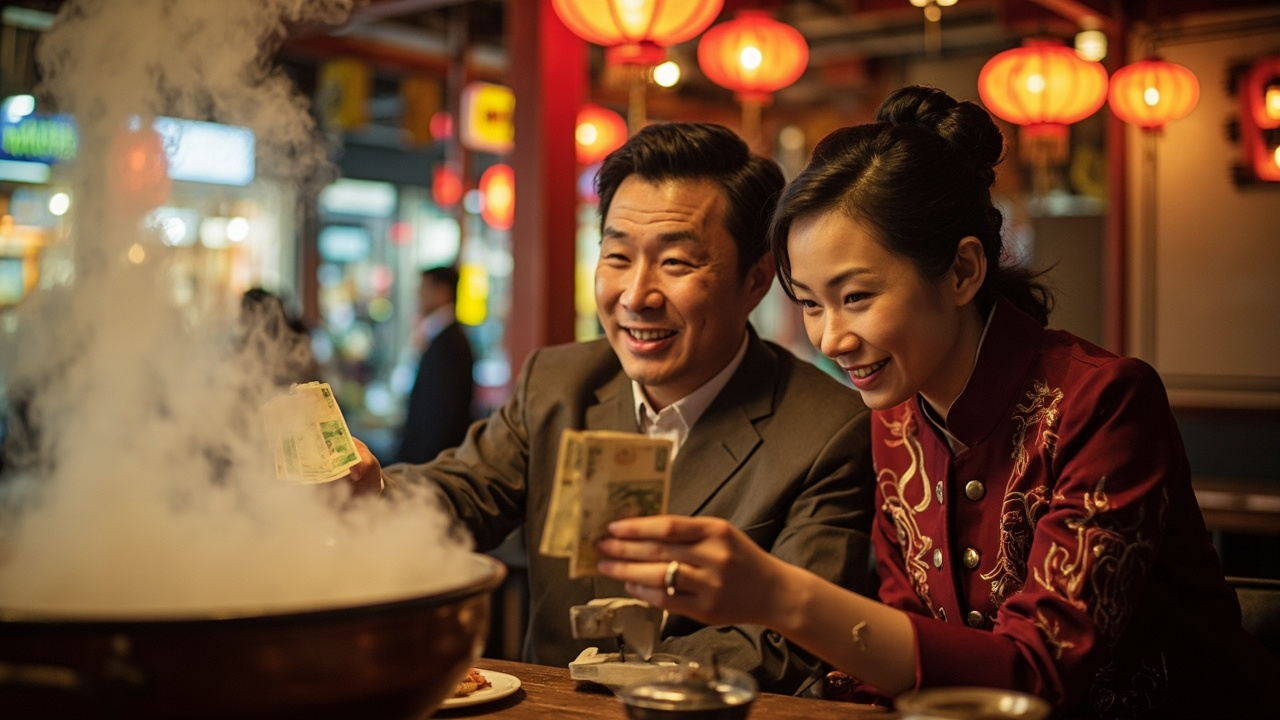
The first time I tried to tip in China, the waitress literally ran after me. I’d left 20 yuan on the table at a hotpot place in Chengdu, thinking I was being generous. She caught me at the door, pressed the crumpled note back into my hand, and looked genuinely confused. “You forgot this,” she said, in the kind of tone you’d use with a child who’d dropped a glove.
That was seven years ago, and I’ve made that mistake more times than I care to admit. Tipping in China isn’t just unnecessary — it’s often actively refused, and understanding why will save you from dozens of awkward moments. This guide covers every situation you’ll actually encounter: restaurants, hotels, tour guides, taxis, and the gray areas where tipping might be expected in 2026.
Quick answer
You do not need to tip anywhere in China. Restaurants, taxis, hotels, and barbershops all operate on a no-tipping model, and staff will typically refuse extra money or chase you down to return it. The only exceptions are high-end international hotels and private tour guides, where a small gratuity of 10-20 USD (70-140 CNY) is appreciated but never expected.
The Short Version
Don’t tip. Full stop. If you’re coming from the US, where 20% is standard, this will feel wrong for about three days, and then it will feel liberating. Service charges are already included in hotel and restaurant bills, and workers are paid a living wage — not a tipped wage. The one exception: if you’re on a multi-day private tour with a dedicated guide and driver, a tip at the end is a thoughtful gesture. Everything else, just pay the bill and say thank you.
How I Picked These
I’ve been based in Beijing since 2019, and I’ve traveled to every province except Tibet and Hainan. I’ve tipped by accident in Shanghai, been chased down by waitstaff in Xi’an, and watched a tour guide in Guilin politely refuse 100 yuan before finally accepting it with visible discomfort. I’ve also asked Chinese friends, hotel managers, and taxi drivers directly about their expectations. The consensus is remarkably uniform: tipping is not part of Chinese culture, and most locals find it confusing or slightly embarrassing. This guide reflects what I’ve learned from those conversations and from watching how actual Chinese people handle money in service situations.
Comparison Table
| Situation | Tip Expected? | Typical Amount | Notes |
|---|---|---|---|
| Casual restaurants | No | Nothing | Staff will refuse or chase you |
| Fine dining | No | Nothing | Service charge already included |
| Taxis / ride-hailing | No | Nothing | Round up to nearest yuan if you like |
| Hotels (housekeeping) | No | Nothing | International chains may accept tips |
| Hotels (concierge) | No | Nothing | Same as above |
| Private tour guide | Optional | 50-100 CNY/day | Appreciated, especially for multi-day tours |
| Airport porters | No | Nothing | Fixed fees only |
| Barbers / salons | No | Nothing | Tip will be refused |
| Delivery drivers | No | Nothing | App already handles everything |
| Bathhouse / spa staff | No | Nothing | Fixed prices, no tipping culture |
Ten Situations Where You Might Wonder About Tipping
1. Casual Restaurants — Just Don’t
I watched a French couple in a Beijing dumpling shop leave 50 yuan on a 120 yuan bill. The owner — a woman in her sixties who’d been folding jiaozi since breakfast — picked up the money, counted it, and walked over to their table with the kind of determined expression that made me glad I wasn’t them. She handed it back and said, in Mandarin, “You made a mistake.” They didn’t understand, but they got the message.
In casual restaurants, the bill is the bill. There’s no separate service charge, no expectation of gratuity, and no hidden costs. The price on the menu is what you pay. If you’re feeling generous, you can round up — 45 yuan becomes 50 — but even that will often be refused. I’ve stopped trying. Just pay what’s on the receipt and say “xièxie” (thank you).
One thing worth knowing: some restaurants in tourist-heavy areas have started adding a 10% service charge to foreigner-facing menus. Check your bill carefully. If you see “服务费” (fúwùfèi) on the receipt, that’s a service fee — and it’s not standard practice, so you’re within your rights to ask about it.
2. Fine Dining — The Service Charge Question
The first time I ate at a high-end restaurant in Shanghai, I nearly had a heart attack when I saw the bill. Not because of the price — the food was worth every yuan — but because there was a 10% service charge line item I hadn’t expected. I asked the waiter about it, and he explained that this is standard at upscale establishments, particularly those catering to international visitors.
Here’s the thing: that service charge replaces the tip. You do not tip on top of it. The staff are paid from that pool, and adding extra money creates the same awkward situation as the dumpling shop, just with better lighting.
If you’re at a restaurant that doesn’t have a service charge (most mid-range places won’t), the staff still don’t expect a tip. The no-tipping culture applies across the board. I’ve eaten at Michelin-starred restaurants in Hong Kong and Shanghai, and in both cases, the service charge was clearly stated and no additional gratuity was expected.
3. Taxis and Ride-Hailing — The Round-Up Rule
Taxi drivers in China are paid a salary plus a commission based on distance traveled. They don’t rely on tips, and most will refuse them. I’ve had drivers hand back 5 yuan in change with a look that said “what’s wrong with you?” more clearly than any words could.
The one thing I’ll say for the round-up: if your fare is 43 yuan and you hand over 50, most drivers will accept it as a convenience gesture rather than a tip. But don’t do this with WeChat Pay or Alipay — the apps calculate exact amounts automatically, and there’s no tip function built into the payment flow.
For ride-hailing apps like Didi, the situation is even simpler. The fare is set before you get in the car, payment is automatic, and there’s no option to tip even if you wanted to. I’ve asked Didi drivers about this, and they all said the same thing: “No need. The fare is fair.”
4. Hotels — The International Exception
Here’s where things get slightly complicated. International hotel chains in China — think Hilton, Marriott, Four Seasons — have staff who are used to foreign guests trying to tip. Some will accept it politely; others will refuse. I’ve stayed at both types.
My rule: if you’re at a domestic Chinese hotel, don’t tip. If you’re at an international chain, a small tip for exceptional service is fine, but it’s genuinely optional. I usually leave nothing for housekeeping — the room charge covers everything — but I’ve tipped a concierge who went out of his way to arrange train tickets and restaurant reservations.
The key difference: Chinese hotel staff are paid a salary, not a tipped wage. They don’t need your money, and most don’t want it. If you do tip, keep it subtle — leave cash on the pillow with a note, or hand it directly with a smile. Don’t make a big production of it.
5. Private Tour Guides — The One Real Exception
This is the only situation where I’d say tipping is genuinely appropriate, and even then, it’s optional. If you’ve booked a private multi-day tour with a dedicated guide and driver, a tip at the end is a thoughtful gesture that will be appreciated — though often initially refused.
I was on a tour in Yunnan with a guide named Xiao Li, and at the end of five days, I handed him 300 yuan. He refused. I insisted. He refused again. Finally, I said, “It’s for your daughter’s school supplies,” and he accepted it with a small bow. That’s the dance you’re signing up for.
For a day tour, 50-100 CNY (7-14 USD) is reasonable. For a multi-day tour, 100-200 CNY (14-28 USD) per day is generous but not excessive. The guide will share this with the driver, so you don’t need to tip them separately. If you’re on a group tour where you’re just one of fifteen people, no tip is expected.
6. Airport Porters and Baggage Handlers
You’ll see porters at major airports in China, usually wearing distinctive vests or uniforms. They have fixed fees for baggage handling — typically 10-20 CNY (1.50-3 USD) per bag — and they do not expect tips on top of that.
I’ve seen confused tourists hand over 50 yuan for a single bag and then look bewildered when the porter tried to give change. The porter wasn’t being rude — he was being honest. The fee is the fee.
If you’re at a smaller airport or train station, you’ll likely handle your own bags. There’s no tipping culture around baggage in China, and offering money to someone who’s just helping you lift a suitcase onto a train rack will get you a confused look at best.
7. Barbers, Salons, and Spas
I got a haircut in a small shop in Xi’an, and when I tried to tip the barber 10 yuan, he laughed. Not a polite laugh — a genuine, surprised laugh. He said something to the other barbers, and they all looked over at me with amused expressions. I was the entertainment for the afternoon.
Chinese barbers, hairdressers, and spa workers are paid a salary or work on commission. They don’t expect tips, and offering one is genuinely confusing to them. The prices on the menu are the prices you pay.
For spas and bathhouses — which are a huge part of Chinese culture, by the way — the same rule applies. You pay the listed price for your massage or treatment, and that’s it. The staff won’t expect anything extra, and they’ll likely refuse if you offer.
8. Delivery Drivers and Food Apps
China runs on delivery apps. Meituan, Ele.me, and others bring food to your door in minutes, and the drivers are paid per delivery. They don’t expect tips, and there’s no tip function in the apps.
I’ve had the same delivery driver bring me food dozens of times over the years, and we’ve never exchanged a single yuan beyond the order total. We’ve become friendly — he knows my building, my usual orders, my work schedule — but tipping never crossed either of our minds.
If you want to show appreciation, the best way is to leave a positive review in the app. That actually helps the driver’s rating, which affects their future earnings. Money, on the other hand, would just confuse them.
9. Bathhouses and Traditional Spas
This is a category that deserves its own mention because it’s so different from Western spa culture. Chinese bathhouses — 洗浴中心 (xǐyù zhōngxīn) — are social institutions where people go to relax, socialize, and often spend the whole day. You pay an entry fee, and that covers the facilities.
The staff who bring you towels, tea, and snacks are paid by the establishment. They don’t expect tips, and offering one would be as strange as tipping a lifeguard at a public pool.
I’ve been to bathhouses in Beijing, Shenyang, and Harbin, and the experience is always the same: you pay your entry fee, you enjoy the facilities, and you leave. No tipping, no service charges, no hidden fees. It’s refreshingly straightforward.
10. Street Vendors and Small Shops
Street food vendors, market stalls, and small shops operate on razor-thin margins. The prices are already low, and the vendors don’t expect — or want — tips. I once bought a scallion pancake for 6 yuan and tried to give the vendor 10 yuan, telling her to keep the change. She handed me back 4 yuan with a smile and said, “You need this more than I do.”
This is the thing about China’s no-tipping culture: it’s not just about money. It’s about dignity and mutual respect. The vendor’s price is fair, and accepting a tip would suggest otherwise. It would be an insult to their pricing, their business, and their pride.
The best way to support street vendors is to buy from them regularly and become a familiar face. That’s how you build relationships in China — not with tips, but with genuine human connection.
FAQ summary
China has a strict no-tipping culture across all service industries. Restaurants, taxis, hotels, barbershops, and delivery services do not expect tips, and staff will often refuse or return extra money. The only exception is private multi-day tour guides, where a tip of 50-200 CNY (7-28 USD) per day is appreciated but optional. International hotel chains may accept tips but don’t require them. Service charges at fine dining restaurants replace tips, not supplement them. Visitors should not feel obligated to tip anywhere in China, and attempting to do so may create awkward situations.
FAQ
Q: Do I need to tip in restaurants in China?
A: No. Restaurants in China do not expect tips, and staff will typically refuse extra money or chase you down to return it. The bill you receive is the final amount, and service charges at upscale restaurants replace tips rather than supplement them.
Q: Is tipping offensive in China?
A: Not offensive exactly, but it’s confusing and can make service workers uncomfortable. They’re paid a fair salary and don’t expect gratuities. Most will politely refuse, and some will genuinely try to return the money because they think you made a mistake.
Q: Should I tip my tour guide in China?
A: Tipping a private tour guide is the one exception to China’s no-tipping rule. For a multi-day tour, 100-200 CNY (14-28 USD) per day is generous but appropriate. For a day tour, 50-100 CNY (7-14 USD) is reasonable. The guide typically shares tips with the driver.
Q: Do I need to tip hotel staff in China?
A: No. Chinese hotels don’t expect tips, and housekeeping staff are paid a salary. International hotel chains may be more accustomed to tips, but they’re still optional. If you receive exceptional service and want to show appreciation, a small tip of 20-50 CNY (3-7 USD) is fine.
Q: Can I tip using WeChat Pay or Alipay?
A: No. Neither WeChat Pay nor Alipay has a tipping function, and there’s no way to add a gratuity through these apps. If you want to tip someone, you’ll need to use cash. This is another sign of how deeply the no-tipping culture is embedded in China’s payment systems.
Q: What about tipping in Hong Kong and Macau?
A: Hong Kong and Macau have different tipping cultures than mainland China. In Hong Kong, a 10% service charge is common at restaurants, and tipping is more accepted. Macau is similar. If you’re visiting these special administrative regions, you can tip if you want, but it’s still not required.
Q: Are there any situations where tipping is required in China?
A: No. There are no situations in China where tipping is required. The only gray area is private tour guides, where tips are appreciated but never mandatory. In every other situation, the listed price is the final price, and no gratuity is expected.
The Honest Wrap-up
I’ve been in China for seven years, and I still catch myself reaching for my wallet when service is exceptional. It’s a hard habit to break, especially if you’re from a tipping culture. But here’s the thing: China’s no-tipping model isn’t a flaw — it’s a feature. Workers are paid fairly, prices are transparent, and the interaction between customer and service provider is based on mutual respect rather than financial obligation.
This guide is for anyone who’s ever felt anxious about whether they’re tipping too much or too little in a foreign country. In China, you can let that anxiety go. Pay the bill, say thank you, and move on with your day. The service will still be excellent, and you’ll have saved yourself a lot of awkward moments.
If you’re planning a trip to China, the best thing you can do is focus on the things that actually matter — getting your visa situation sorted, setting up Alipay and WeChat Pay before you arrive, and figuring out your SIM card and VPN situation. The tipping question, as you now know, answers itself.
Topics
More guides you may like

Top 10 Bridges in China
China's bridges are engineering marvels spanning mountains, rivers, and seas. Here are 10 of the most spectacular, from ancient stone to modern steel.
8 min read

Top 10 Buddhist Sites in China
From the Leshan Giant Buddha to the Dunhuang Caves, these 10 Buddhist sites represent 2,000 years of China's spiritual heritage.
9 min read

Top 10 Day Trips from Beijing You Shouldn't Miss
Beijing is packed with history, but some of China's best experiences are just a few hours away. Here are 10 day trips that will transform your visit.
9 min read

Top 10 Hidden Gems in China Off the Beaten Path
Beyond the Great Wall and Terracotta Warriors, China has incredible hidden destinations few tourists ever reach. Here are 10 underrated gems worth the detour.
9 min read

Top 10 Markets and Shopping Streets in China
From Shanghai's Bund to Beijing's Silk Street - 10 markets where foreigners can haggle, explore, and bring home authentic Chinese goods.
9 min read

Top 10 Museums in China You Shouldn't Miss
China's museums span 5,000 years of civilization. These 10 - from the Palace Museum to Xi'an's terracotta gallery - are unmissable for culture lovers.
9 min read