
China LGBTQ Travel Guide
The first time I really understood what it meant to be LGBTQ in China wasn't in a bar or a pride parade.
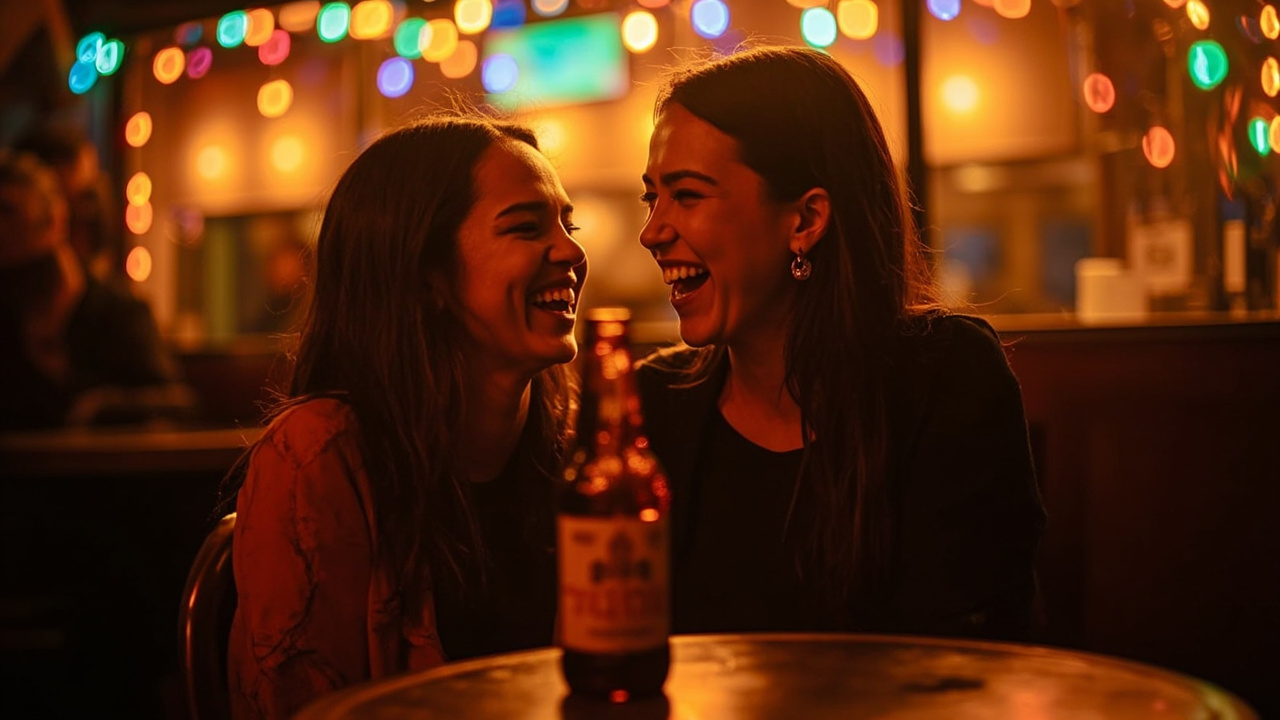
The first time I really understood what it meant to be LGBTQ in China wasn’t in a bar or a pride parade. It was in a tiny dumpling shop in Beijing’s Hutongs, watching two women share a plate of jiaozi at 11 p.m. The older one, probably in her 50s, wiped a bit of vinegar from the younger woman’s chin. The gesture was so intimate, so unguarded, that I almost looked away. Nobody stared. Nobody cared. The shop owner just refilled their tea.
That moment stuck with me because it cut against everything I’d read before my first trip here seven years ago. The headlines scream about censorship, about crackdowns, about a community living in shadows. And sure, parts of that are true. But China is not a monolith, and neither is its LGBTQ scene. It’s a country where a lesbian couple can hold hands in a Chengdu park on a Sunday afternoon, and where a gay man in a small town might still feel he has to marry a woman to keep his parents happy. Both realities exist, often in the same city, sometimes on the same street.
This guide is the one I wish I’d had before my first trip. It’s based on seven years of living here, dozens of conversations with queer locals and expats, and more late nights in underground bars than I care to count. I’ll tell you where to go, what to avoid, and how to read the room when the room is speaking Mandarin.
Quick answer
Yes, China is generally safe for LGBTQ travelers, and you will not face legal consequences for your identity. Same-sex activity has been legal since 1997, and there are no laws against LGBTQ expression, though public displays of affection (for anyone, straight or queer) are uncommon and can draw unwanted attention. The best cities for LGBTQ travelers are Shanghai, Beijing, and Chengdu, which have visible scenes, while smaller cities offer little to no infrastructure. As of 2026, most Western passport holders can visit China visa-free for up to 30 days for tourism, which makes a first visit easier than ever.
The Short Version
If you only read one section, read this. China is not Thailand or Taiwan. There’s no official LGBTQ district, no rainbow flags on government buildings, and no legal recognition of same-sex relationships. But there are queer bars, queer events, and a growing community of young people who are done hiding. The scene is underground in a practical sense, not a scary one. You won’t be arrested for being gay. You might get stared at if you kiss your partner on the subway. The trade-off is access to one of the most fascinating countries on earth, and that’s a trade I’ve made forty times over.
How I Picked These
I’ve lived in Beijing since 2019 and traveled to every province except Tibet and Hainan. For this guide, I spent three months visiting queer venues, talking to community organizers, and dragging my straight friends to gay bars so I could compare notes. I interviewed a lesbian couple who run a coffee shop in Chengdu, a gay man in his 50s who remembers when the scene was truly hidden, and a group of university students in Shanghai who organize film screenings that technically don’t exist. I also checked in with expat LGBTQ groups in each major city to see what they’d recommend to a visiting friend. Some places on this list are famous. Some are just good bars that happen to be queer-friendly. All of them are places I’ve personally been to within the last year.
Comparison Table
| Rank | Place | Best For | Approx Cost (USD) | Time Needed | When to Go |
|---|---|---|---|---|---|
| 1 | Shanghai | Nightlife & visibility | $10-30 per night out | 3-4 days | Year-round |
| 2 | Beijing | History & community | $10-25 per night out | 3-4 days | Spring/Fall |
| 3 | Chengdu | Relaxed vibe & food | $5-15 per night out | 2-3 days | Any season |
| 4 | Guangzhou | Underground scene | $5-15 per night out | 2 days | Fall/Winter |
| 5 | Hangzhou | Day trips & cafes | $5-10 per outing | 1-2 days | Spring |
| 6 | Kunming | Alternative culture | $5-10 per outing | 2 days | Spring/Fall |
| 7 | Xiamen | Beach & artsy vibe | $5-10 per outing | 2 days | Spring/Fall |
| 8 | Nanjing | Student scene | $5-10 per outing | 1-2 days | Fall |
| 9 | Shenzhen | Tech & new money | $10-20 per outing | 1-2 days | Winter |
| 10 | Qingdao | Low-key coastal | $5-10 per outing | 1-2 days | Summer |
1. Shanghai 鈥?The Only Place That Feels Like a Scene
I remember standing outside a club on Yongkang Road at 2 a.m., watching a drag king in a tailored suit flirt with a bouncer while a group of French tourists tried to figure out if they were allowed to take photos. The bouncer, a woman with a shaved head and a nose ring, waved them off with a smile. “No photos inside,” she said in perfect English. “But you can look all you want.”
Shanghai is the only city in China where being queer feels almost normal. Not accepted, exactly, but normal. There’s a critical mass of queer people here, both local and expat, and that changes everything. You can find lesbian bars that aren’t hidden behind unmarked doors. You can find gay saunas that advertise on social media. You can even find queer-friendly cafes where the barista will ask about your girlfriend without blinking.
- 馃搷 Location: Former French Concession (Xuhui District), specifically around Yongkang Road and Fuxing Road
- 馃帿 Entry fee: Free to walk around; club entry ranges from $5-15 (35-105 CNY)
- 馃晲 Opening hours: Bars open around 7 p.m., clubs get going after 11 p.m., most close by 3 a.m.
- 馃殕 How to get there: Take Metro Line 10 to South Shaanxi Road Station, Exit 2, walk 10 minutes east along Fuxing Road
- 鈴?When to visit: Thursday through Saturday nights; the scene is dead on Mondays and Tuesdays
- 馃挕 Insider tips: Download the app Blued before you arrive (it’s the Chinese Grindr, and it works without a VPN). Look for events on the WeChat public account “Shanghai Queer” (search in Chinese: 上海酷儿). The bar “Diva” on Yongkang Road is the most tourist-friendly spot, and the bartenders speak English. If you’re trans, the community here is small but active, and the cafe “Lollipop” on Jiashan Road is a safe space.
I once spent an hour talking to a Shanghai-born lesbian who told me she came out to her parents at 25, and they responded by asking if she wanted them to meet her girlfriend. “They’re from a different generation,” she said, shrugging. “But Shanghai changes people.”
2. Beijing 鈥?History, Hutong Bars, and a Community That’s Been Through Worse
The first gay bar I ever visited in Beijing was in a hutong so narrow that the taxi driver refused to drive down it. “You sure this is right?” he asked, eyeing the unmarked wooden door. I wasn’t sure. But I pushed it open anyway, and inside was a warm, crowded room full of men laughing over cheap beer. A sign on the wall read, in English: “This bar has been here since 2004. We’ve seen things. We’re still here.”
Beijing’s queer scene is less polished than Shanghai’s, but it has more history. This is where the first Chinese gay rights organization was founded in the 1990s, where the first pride events were attempted, and where activists have been arrested and released and arrested again. The community here has a resilience that you can feel in the air. The bars are smaller, the crowds are more local, and the sense of solidarity is stronger.
- 馃搷 Location: Various hutongs in Dongcheng District, especially around Gulou (Drum Tower) and Nanluoguxiang
- 馃帿 Entry fee: Free entry to most bars; beer costs $3-6 (20-40 CNY)
- 馃晲 Opening hours: Most bars open 7 p.m. to 2 a.m., but some don’t get busy until after 10
- 馃殕 How to get there: Take Metro Line 8 to Shichahai Station, Exit A, walk south into the hutongs
- 鈴?When to visit: Spring (April-May) and Fall (September-October) for pleasant evenings; summer is too hot, winter is freezing
- 馃挕 Insider tips: The bar “Destination” (目的地) near Workers’ Stadium is the most famous gay club, but it’s been raided before, so check Blued before heading out. “Hutong” bar near Gulou is smaller and more welcoming to foreigners. For lesbian-focused events, follow the WeChat account “Beijing Queer Women” (北京拉拉). Avoid mentioning politics or activism in bars; people are friendly but cautious. If you’re visiting the Great Wall, consider the less-crowded Mutianyu section, which is more relaxed about… everything.
I met a man at Destination who had been coming to that same bar since 2008. “I’ve seen three generations of gay Beijing,” he told me, gesturing at the crowd. “The old ones are married to women. The middle ones are single and sad. The young ones are dating on apps and telling their parents they’re ‘not ready for marriage.’ Progress is slow. But it’s progress.”
3. Chengdu 鈥?The Laid-Back City That Doesn’t Care (In a Good Way)
I was sitting in a park in Chengdu, eating a bowl of dan dan noodles, when two men walked past holding hands. Not furtively, not nervously. Just holding hands, like it was the most normal thing in the world. I nearly choked on my noodles. In Beijing or Shanghai, that would have drawn stares. In Chengdu, nobody even looked up from their mahjong game.
Chengdu is famous throughout China for being relaxed. The city’s unofficial motto is “slow life” (慢生活), and that applies to queer acceptance too. The local gay scene is older and more established than you’d expect for a city in western China, and the lesbian community is particularly active. There’s a queer teahouse, a queer bookstore, and a monthly queer film screening that’s been running for over a decade.
- 馃搷 Location: Around the Wuhou District, especially near the Jinli Street tourist area and the Sichuan University campus
- 馃帿 Entry fee: Free for most venues; teahouse visits cost $2-5 (15-35 CNY) for tea
- 馃晲 Opening hours: Teahouses open 10 a.m. to 10 p.m.; bars open 8 p.m. to 2 a.m.
- 馃殕 How to get there: Take Metro Line 3 to Moziqiao Station, Exit B, walk south toward the university
- 鈴?When to visit: Any time; Chengdu has mild weather year-round, though summer is humid
- 馃挕 Insider tips: The teahouse “Mian” (棉) near the university is run by a lesbian couple and is the unofficial community hub. Ask for the “special tea” and you’ll be introduced to whoever happens to be there. The gay bar “Tong” (同) on Kehua North Road is popular with locals but gets busy on weekends. Chengdu’s food is legendary, so plan your bar hopping around meals. The lesbian community is particularly welcoming to foreign women; don’t be surprised if you’re adopted by a group within an hour.
The woman who runs the teahouse told me she opened it because she was tired of hiding. “Chengdu is the only city in China where I felt I could be honest,” she said, pouring me another cup of jasmine tea. “The rent is cheap and the people don’t judge. That’s a rare combination.”
4. Guangzhou 鈥?The Underground Scene That’s Worth Digging For
Guangzhou is not a city that advertises its queer scene. There are no rainbow flags, no pride events, no visible community centers. But if you know where to look, there’s a thriving underground network of bars, parties, and social groups that have been operating for years, just below the surface.
I found my first Guangzhou queer bar by accident. I was lost in the Tianhe district, looking for a restaurant, when I saw a group of well-dressed men slip through an unmarked door in an alley. Curious, I followed them. Inside was a sleek, modern bar with a DJ playing house music and a crowd that was almost entirely local. Nobody asked me what I was doing there. They just made room at the bar.
- 馃搷 Location: Tianhe District, especially around the Zhujiang New Town area and the Tianhe Sports Center
- 馃帿 Entry fee: Free entry to most bars; drinks cost $4-8 (28-56 CNY)
- 馃晲 Opening hours: Bars open 8 p.m. to 3 a.m.; some don’t get going until midnight
- 馃殕 How to get there: Take Metro Line 3 to Tiyu Xilu Station, Exit C, walk 5 minutes east
- 鈴?When to visit: Fall and winter are best; summer is brutally hot and humid
- 馃挕 Insider tips: Use Blued to find events, but be aware that many are private and require an introduction. The bar “Happening” (发生) near the sports center is the most accessible to foreigners. Guangzhou has a large African and Southeast Asian expat community, and the queer scene reflects that diversity. Be discreet on the street; public displays of affection are more likely to draw attention here than in Shanghai or Chengdu. The food in Guangzhou is the best in China, so eat well before you go out.
A bartender at Happening told me that the scene used to be even more hidden. “When I started working here five years ago, we had to use code words to find each other,” he said, shaking a cocktail. “Now we just use WeChat. Progress is relative.”
5. Hangzhou 鈥?A Quiet Escape With a Surprising Queer Corner
Hangzhou is famous for West Lake, for its tea plantations, for being the kind of place where Chinese tourists go to take photos of pagodas reflected in calm water. It’s not famous for its queer scene. And honestly, that’s kind of the point.
I went to Hangzhou for a weekend to escape Beijing’s pollution, expecting nothing in terms of LGBTQ life. I was pleasantly surprised to find a small but active community centered around a few cafes and a monthly meetup group that organizes hikes, dinners, and movie nights. It’s not a party scene. It’s a community scene. If you’re looking for a place to relax, meet some interesting people, and not think about the complexities of queer life in China for a few days, Hangzhou is it.
- 馃搷 Location: Around the West Lake area and the Xixi Wetland Park
- 馃帿 Entry fee: Free for most venues; West Lake boat rides cost $10-20 (70-140 CNY)
- 馃晲 Opening hours: Cafes open 10 a.m. to 10 p.m.; meetup events are usually on weekends
- 馃殕 How to get there: Take the high-speed train from Shanghai (45 minutes, $20/140 CNY), then Metro Line 1 to Longxiangqiao Station
- 鈴?When to visit: Spring (March-April) when the peach blossoms are out, or Fall (October) for clear skies
- 馃挕 Insider tips: The cafe “Slow” (慢) near the lake is run by a queer couple and is a safe space to ask about local events. The monthly meetup group is called “Hangzhou Rainbow” (杭州彩虹) and you can find them on WeChat. If you’re only here for a day, skip the queer scene and just enjoy the lake; it’s one of the most beautiful places in China. Rent a bike and cycle the full loop around West Lake; it takes about 3 hours and is worth every minute.
I met a Chinese-American woman at Slow who had moved to Hangzhou to teach English. “I was worried about being gay here,” she told me. “But honestly, it’s been easier than in my hometown in Ohio. People here just want to drink tea and talk about poetry.”
6. Kunming 鈥?The Alternative City With a Bohemian Soul
Kunming is the capital of Yunnan province, a city that has always been a bit different from the rest of China. It’s home to many ethnic minorities, a large community of artists and musicians, and a general attitude of live-and-let-live that you don’t find in the more conformist eastern cities.
The queer scene here is small but fiercely independent. There’s a lesbian collective that runs a community space, a gay men’s choir that performs at local festivals, and a handful of bars and cafes that are known to be welcoming. Kunming is also the gateway to some of China’s most beautiful natural scenery, including the stone forests and the rice terraces of Yuanyang.
- 馃搷 Location: Around the Green Lake (Cuihu) area and the Wuhua District
- 馃帿 Entry fee: Free for most venues; the Yunnan Provincial Museum costs $3 (20 CNY)
- 馃晲 Opening hours: Cafes and bars open 10 a.m. to midnight; community events are usually on weekends
- 馃殕 How to get there: Take the high-speed train from Chengdu (3.5 hours, $40/280 CNY) or fly from most major cities
- 鈴?When to visit: Spring (March-May) for the mildest weather; summer is rainy but the scenery is lush
- 馃挕 Insider tips: The lesbian collective “Yunnan Sisters” (云南姐妹) welcomes foreign visitors to their events; contact them through WeChat. The bar “Green Lake” (翠湖) near the park is the most reliable queer-friendly spot. Kunming has a large community of foreign residents, many of whom are queer, so English is more common here than in other Chinese cities of similar size. If you have time, take a day trip to the Stone Forest; it’s a UNESCO World Heritage site and one of the most surreal landscapes I’ve ever seen.
A member of the gay men’s choir told me that singing is their form of activism. “We can’t march in the streets,” he said. “But we can sing in public. And people listen.”
7. Xiamen 鈥?The Beach City With a Hidden Rainbow
Xiamen is the kind of city that makes you want to quit your job and move there. It’s on the coast, with a laid-back vibe, good food, and a beautiful pedestrian island called Gulangyu that feels like a time capsule of colonial architecture. It’s also home to a small but growing queer community that’s been gaining visibility in recent years.
I spent a week in Xiamen during Pride Month (which isn’t officially celebrated in China, of course) and found a group of young queer people organizing a beach cleanup and a film screening. They were nervous about publicity, but they were doing it anyway. That combination of caution and courage is something I’ve seen all over China, but it felt particularly poignant in Xiamen’s soft coastal light.
- 馃搷 Location: Around the Siming District, especially near the university and the waterfront
- 馃帿 Entry fee: Free for most venues; Gulangyu ferry costs $5 (35 CNY) round trip
- 馃晲 Opening hours: Cafes open 10 a.m. to 10 p.m.; bars open 7 p.m. to 1 a.m.
- 馃殕 How to get there: Fly into Xiamen Gaoqi International Airport (XMN), then take a taxi or bus to the city center
- 鈴?When to visit: Spring (April-May) and Fall (October-November) for the best weather; summer is typhoon season
- 馃挕 Insider tips: The cafe “Sea Breeze” (海风) near Xiamen University is a known queer-friendly spot. Ask the barista about the monthly “Rainbow Meetup” (彩虹聚会) that happens at various venues around the city. Gulangyu Island is worth a full day; rent a bike and explore the back streets away from the tourist crowds. Xiamen is one of the few Chinese cities where you can comfortably wear a rainbow pin without worrying too much, though I’d still use discretion in more rural areas.
I met a young lesbian couple on the beach who had moved to Xiamen from a smaller city in Fujian province. “Here, we can be ourselves,” one of them told me. “It’s not perfect. But it’s better.”
8. Nanjing 鈥?The Student City With a Quietly Active Scene
Nanjing is a city of contradictions. It was the capital of several Chinese dynasties, the site of one of the worst atrocities of World War II, and today it’s a bustling metropolis with a huge student population. That student energy has created a small but active queer scene that’s centered around universities and the bars and cafes that cater to them.
I visited Nanjing during the university term and was struck by how young the queer crowd was. Most of the people I met were students in their early 20s, full of idealism and energy. They organized discussion groups, film screenings, and the occasional party in a rented venue. It felt like being back in college, in the best possible way.
- 馃搷 Location: Around the Xuanwu District, especially near Nanjing University and Southeast University
- 馃帿 Entry fee: Free for most venues; the Nanjing Massacre Memorial is free but requires ID
- 馃晲 Opening hours: Cafes open 10 a.m. to 10 p.m.; student events are usually on weekend afternoons
- 馃殕 How to get there: Take the high-speed train from Shanghai (1.5 hours, $25/175 CNY) or Beijing (3.5 hours, $60/420 CNY)
- 鈴?When to visit: Fall (September-November) for the best weather; the city is brutally hot in summer
- 馃挕 Insider tips: The cafe “Bookworm” (书虫) near Nanjing University is the unofficial queer student hangout. Ask about the “Friday Forum” (周五论坛), a weekly discussion group that covers LGBTQ topics. The Purple Mountain area is beautiful for hiking and has several spots that are popular with queer couples for discreet dates. Nanjing’s queer scene is more intellectual than party-oriented; come here for conversation, not clubbing.
A graduate student I met at Bookworm told me she was writing her thesis on queer representation in Chinese cinema. “My advisor doesn’t know what I’m really studying,” she said with a grin. “I told him it’s about ‘modern Chinese cultural expressions.‘“
9. Shenzhen 鈥?The New Money City With a Growing Scene
Shenzhen didn’t exist 40 years ago. It was a fishing village that became a special economic zone and exploded into a city of 17 million people. That history of reinvention extends to its queer scene, which is younger and less established than Shanghai’s or Beijing’s but growing fast.
I was skeptical of Shenzhen’s LGBTQ credentials until a friend dragged me to a party in the Futian district. The venue was a converted warehouse, the crowd was a mix of tech workers and artists, and the energy was electric. Shenzhen’s queer scene is being built by people in their 20s and 30s who came here to make money and ended up making community instead.
- 馃搷 Location: Futian District, especially around the Central Business District and the OCT-LOFT creative area
- 馃帿 Entry fee: Free for most venues; club entry ranges from $5-15 (35-105 CNY)
- 馃晲 Opening hours: Bars open 8 p.m. to 2 a.m.; the OCT-LOFT area has cafes open during the day
- 馃殕 How to get there: Take the high-speed train from Hong Kong West Kowloon Station (18 minutes, $15/105 CNY) or fly into Shenzhen Bao’an International Airport (SZX)
- 鈴?When to visit: Winter (November-February) for the most comfortable weather; summer is hot and humid
- 馃挕 Insider tips: The OCT-LOFT creative area has several queer-friendly bars and cafes, including “Loft 9” (阁楼9) which hosts regular events. Shenzhen is the easiest city to enter from Hong Kong, making it a good first stop on a China itinerary. The tech scene here is more open-minded than you’d expect; I’ve met several queer engineers who say their companies are supportive. If you’re here on a weekend, check Blued for pop-up parties that happen in various venues around the city.
A software engineer I met at a Shenzhen party told me he moved here from a small town in Hunan. “In my hometown, I couldn’t even say the word ‘gay’ out loud,” he said. “Here, I can put it on my dating profile. That’s progress.”
10. Qingdao 鈥?The Coastal Escape Where Nobody’s Watching
Qingdao is a beer city. It’s famous for the Tsingtao Brewery, for its German colonial architecture, and for its beaches. It’s not famous for anything queer, and that’s exactly why I’m including it on this list.
Sometimes you don’t want a scene. Sometimes you want to sit on a beach, drink a beer, and not think about identity politics for a few days. Qingdao is that place. It’s a city where nobody’s watching, where you can be yourself without the pressure of performing your queerness for a community that’s watching your every move. The queer scene here is almost nonexistent, but the tolerance is real.
- 馃搷 Location: Around the Shinan District, especially near the Old Town and the beach promenade
- 馃帿 Entry fee: Free for most venues; the Tsingtao Brewery Museum costs $8 (56 CNY)
- 馃晲 Opening hours: The brewery museum is open 8:30 a.m. to 5 p.m.; bars and restaurants open in the evening
- 馃殕 How to get there: Fly into Qingdao Jiaodong International Airport (TAO), then take the metro or a taxi to the city center
- 鈴?When to visit: Summer (June-August) for beach weather; the rest of the year is chilly and windy
- 馃挕 Insider tips: The beach near the Old Town is the most relaxed spot; you’ll see plenty of couples, straight and queer, enjoying the sunset. The beer is cheap and excellent; a bottle of Tsingtao costs about $1 (7 CNY) at any local restaurant. If you want to meet other queer travelers, check the “Qingdao Expats” WeChat group, which has a surprisingly active LGBTQ subset. Don’t expect a scene here; expect a vacation.
I spent an afternoon at a beachside bar in Qingdao, watching the waves and talking to a local man who ran a small guesthouse. When I asked him if he’d ever had queer guests, he laughed. “I don’t ask my guests about their personal lives,” he said. “They pay, they sleep, they enjoy the beach. That’s all I need to know.”
FAQ summary
For LGBTQ travelers, China is generally safe but requires discretion, especially in public spaces and smaller cities. The best destinations are Shanghai, Beijing, and Chengdu, which have visible queer scenes, while smaller cities offer little infrastructure. Same-sex activity is legal, but there is no legal recognition of same-sex relationships, and public displays of affection should be avoided. As of 2026, most Western passport holders can visit China visa-free for up to 30 days for tourism. Payment apps like Alipay and WeChat Pay are essential, and a VPN is recommended for accessing Western social media and apps like Grindr.
FAQ
Is it safe to travel to China as an LGBTQ person? Yes, it is generally safe. Same-sex activity has been legal since 1997, and there are no laws against LGBTQ expression. However, public displays of affection can draw unwanted attention, so it’s best to be discreet in public spaces.
Are there gay bars and LGBTQ venues in China? Yes, especially in major cities like Shanghai, Beijing, and Chengdu. The scenes are smaller and more underground than in Western cities, but they exist and are welcoming to foreigners. Apps like Blued are useful for finding events and venues.
Can I hold hands with my partner in public in China? It’s not illegal, but it may draw stares, especially outside of major cities. Chinese couples, regardless of orientation, tend to be less physically affectionate in public than Western couples. Use your judgment and read the room.
Do I need a visa to visit China as an LGBTQ traveler? As of 2026, most Western passport holders can visit China visa-free for up to 30 days for tourism. This includes citizens of the US, UK, Australia, Canada, and most European countries. Check the latest visa-free transit policies before you book.
Will I be able to use dating apps like Grindr in China? Grindr is blocked in China, but Blued, a Chinese dating app, works without a VPN. If you want to use Grindr or other Western apps, you’ll need a VPN set up before you arrive.
Is there an LGBTQ community center or organization I can visit? There are no official community centers, but there are informal groups and spaces in major cities. The teahouse “Mian” in Chengdu and the cafe “Bookworm” in Nanjing are good examples. You can find more through WeChat groups and Blued.
How do I pay for things in China as a tourist? China is essentially cashless. You’ll need to set up Alipay or WeChat Pay before you arrive, as most businesses don’t accept international credit cards. Both apps now support foreign cards, making the process much easier than it used to be.
The Honest Wrap-up
This guide is for the LGBTQ traveler who wants to see China without pretending to be someone they’re not. It’s not for people who need constant validation of their identity, who need rainbow flags on every corner, who need to feel like they’re in a Western queer bubble. China doesn’t offer that. What it offers is something rarer: the chance to be queer in a context where you have to think about what that means, where the community is smaller but more intentional, where every connection feels earned.
If you’re on the fence about coming, I’ll leave you with this. The first time I kissed a woman in public in Beijing, I was terrified. I’d been here for two years, and I’d never done it. We were standing in a park at dusk, and I leaned in, and she kissed me back, and nobody screamed, nobody called the police, nobody even looked. The world didn’t end. The trees kept rustling. The old men kept playing chess. And I realized that the fear I’d been carrying was mostly in my head.
China is not a queer utopia. But it’s also not the prison that Western media sometimes makes it out to be. It’s a complicated, beautiful, frustrating, wonderful country where millions of LGBTQ people live their lives every day. If you come with an open mind and a willingness to read the room, you might find that it’s one of the most rewarding places you’ve ever visited.
Topics
More guides you may like

Top 10 Bridges in China
China's bridges are engineering marvels spanning mountains, rivers, and seas. Here are 10 of the most spectacular, from ancient stone to modern steel.
8 min read

Top 10 Buddhist Sites in China
From the Leshan Giant Buddha to the Dunhuang Caves, these 10 Buddhist sites represent 2,000 years of China's spiritual heritage.
9 min read
Top 10 Day Trips from Beijing You Shouldn't Miss
Beijing is packed with history, but some of China's best experiences are just a few hours away. Here are 10 day trips that will transform your visit.
9 min read
Top 10 Hidden Gems in China Off the Beaten Path
Beyond the Great Wall and Terracotta Warriors, China has incredible hidden destinations few tourists ever reach. Here are 10 underrated gems worth the detour.
9 min read
Top 10 Markets and Shopping Streets in China
From Shanghai's Bund to Beijing's Silk Street - 10 markets where foreigners can haggle, explore, and bring home authentic Chinese goods.
9 min read
Top 10 Museums in China You Shouldn't Miss
China's museums span 5,000 years of civilization. These 10 - from the Palace Museum to Xi'an's terracotta gallery - are unmissable for culture lovers.
9 min read