
China Great Wall Itinerary
TODO: Extract from article (100-160 chars)
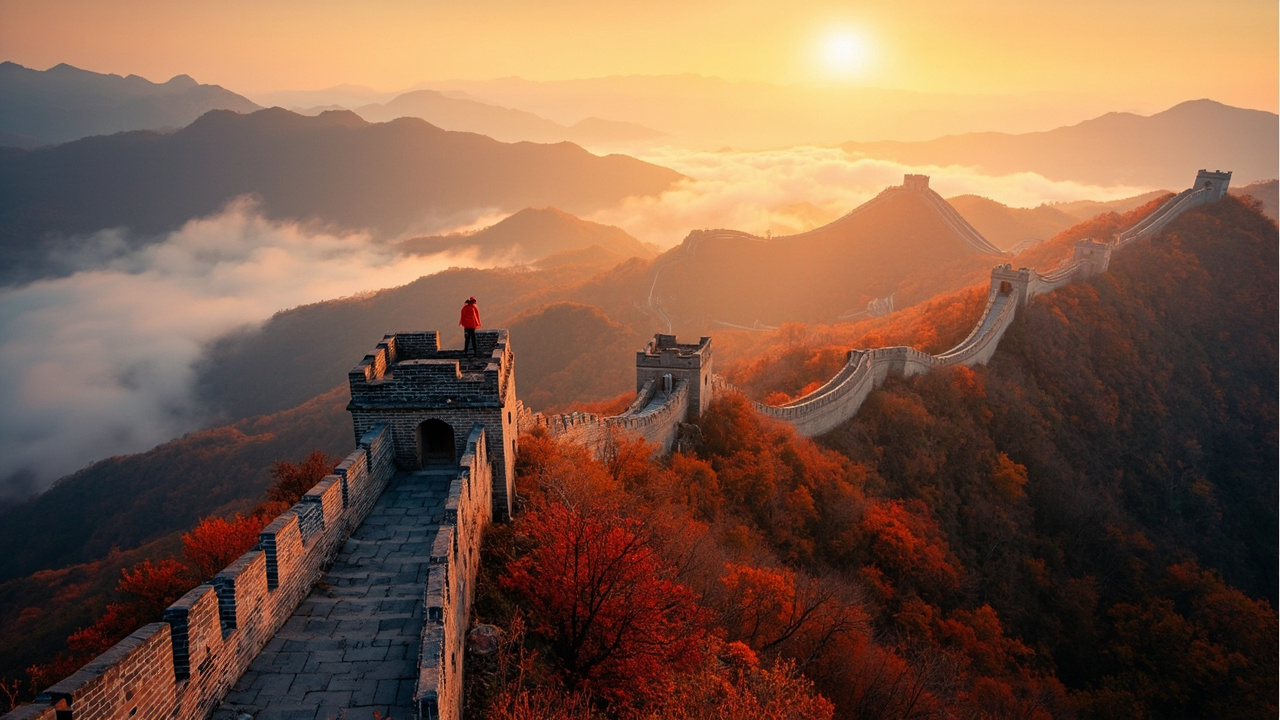
The first time I saw the Great Wall, I almost missed it. I was on a bus from Beijing to Mutianyu, half-asleep against a cold window, when the driver tapped his horn and pointed. There it was, snaking over a ridge like a grey spine, disappearing into the haze. I remember the woman next to me, a local grandmother heading to a village beyond the wall, nudging me and saying something I didn’t understand. Her tone said it all: See? It’s real.
That moment changed how I think about every itinerary I write. The Great Wall isn’t a single monument. It’s a 13,000-mile scar across the country, and the section you choose will define your entire experience. Pick the wrong one, and you’ll spend four hours in a cable car queue next to a man in a Captain America cape. Pick the right one, and you’ll stand alone on crumbling stone, watching the mountains fold into the distance, wondering who hauled bricks up here in 1368.
I’ve walked more than 40 sections over the past seven years. This guide is the one I’d hand to a friend who’s never been to China and has exactly one day to see the Wall.
Quick answer
For a first-time visitor, the best Great Wall itinerary is Mutianyu (1.5 hours from Beijing, $8 entry, open 7:30 AM–6 PM) for its restored towers and cable car access, or Jinshanling (2.5 hours, $9 entry) if you want a wilder, more photogenic hike. Most international tourists are eligible for China’s 240-hour visa-free transit (10 days) through Beijing, Shanghai, and other major hubs, which is plenty of time to see the Wall plus the Forbidden City. Budget $60–$100 total for a day trip including transport, tickets, and food.
The Short Version
If you only have 90 seconds: go to Mutianyu if you want convenience and comfort. Go to Jinshanling if you’re willing to trade a longer drive for the most beautiful stretch of Wall in China. Skip Badaling entirely unless you’re a masochist who enjoys shoulder-to-shoulder crowds and hawkers selling plastic swords. Book a private driver for the day (around $80–$120) rather than a group tour bus. And for the love of all that is holy, go on a weekday.
How I Picked These
I’ve walked sections from Gubeikou in the east to Jiayuguan in the far west. I’ve climbed in snow, in 95-degree heat, and in a rainstorm that turned the watchtowers into waterfalls. I’ve argued with taxi drivers about fares, eaten instant noodles at a watchtower with a farmer who’d lived his whole life below the Wall, and once spent 45 minutes waiting for a bus that never came because I didn’t check the seasonal schedule. These ten picks are the ones I’d actually recommend to a real person, ranked by a mix of scenery, crowds, accessibility, and how much the experience stays with you afterward.
Comparison Table
| Rank | Place | Best For | Approx Cost (USD) | Time Needed | When to Go |
|---|---|---|---|---|---|
| 1 | Mutianyu | First-timers, families | $8 entry + $15 cable car | 4–5 hours | Weekdays, Apr–Oct |
| 2 | Jinshanling | Photographers, hikers | $9 entry | 5–6 hours | Spring & autumn |
| 3 | Jiankou | Adventurers, hikers | Free (unofficial) | Full day | May–Oct |
| 4 | Simatai West | Night views | $15 entry + night ticket | 3–4 hours | Evening, May–Oct |
| 5 | Gubeikou | History buffs | $6 entry | Half day | Apr–Jun |
| 6 | Huanghuacheng | Lake views, quiet | $8 entry | 4 hours | Summer |
| 7 | Badaling | Accessibility only | $6 entry | 3 hours | Never on weekends |
| 8 | Juyongguan | Short trips | $6 entry | 2–3 hours | Weekdays |
| 9 | Shanhaiguan | East end of the Wall | $7 entry | Half day | May–Sep |
| 10 | Jiayuguan | Western fortress | $15 entry | Full day | Apr–Oct |
1. Mutianyu — The One I Send Everyone To
I’ve lost count of how many times I’ve made this drive. The road from Beijing curls through the Huairou district, past orchards and small villages, and every time the Wall appears on the ridge ahead, I still feel that little jolt. Mutianyu is the section I recommend to anyone who asks “I only have one day, where should I go?” It’s restored enough to feel safe, wild enough to feel real, and the crowds are manageable if you arrive early.
The restoration here is thoughtful. The watchtowers have been rebuilt with original materials where possible, and the Wall stretches for about 2.3 miles (3.7 km) between towers. What makes it special is the setting: the Wall climbs and dips over forested ridges, and in spring the mountainsides are covered in peach blossoms. In autumn, the hills turn gold and red. I’ve been here in every season, and I’ve never had a bad visit.
📍 Location: Huairou District, about 44 miles (70 km) northeast of central Beijing. 🎫 Entry fee: $8 (¥60) entry; cable car round trip $15 (¥110); toboggan one-way $12 (¥80). 🕒 Opening hours: 7:30 AM–6 PM (summer), 8 AM–5 PM (winter). 🚕 Getting there: Take a private car or Didi (about $50–$70 one way from central Beijing). Public bus 916 from Dongzhimen to Huairou, then a local shuttle — but honestly, just get a driver. 🕐 When to visit: Arrive by 8 AM on a weekday. The tour buses roll in around 10 AM. 💡 Insider tips:
- Take the cable car up, walk west (left) for 30 minutes, then take the toboggan down. It’s a genuinely fun slide — you control the brakes.
- The western section (Tower 14 onward) is quieter. Most tourists turn around after Tower 10.
- Bring cash for the shuttle bus from the parking lot to the entrance (¥10, about $1.50).
- The restrooms at the entrance are clean. The ones along the Wall are not. Plan accordingly.
I once watched a French couple spend 20 minutes trying to photograph a hawk that kept landing on a watchtower. The hawk didn’t care. It sat there, preening, while the couple argued about lens settings. The Wall has that effect on people.
2. Jinshanling — The Photographer’s Wall
The first time I saw Jinshanling, I understood why every National Geographic photo of the Wall looks like this. The Wall undulates over a series of ridges, each crest crowned with a watchtower, and the whole thing stretches into the distance like a spine of a sleeping dragon. It’s the most photogenic section in China, and I’ll fight anyone who says otherwise.
What makes Jinshanling special is the contrast. The western half is restored, the eastern half is crumbling and wild. You can walk from polished brick into genuine ruins in under an hour. The towers here are also more varied — some are square, some round, some have two stories with wooden beams still intact. I’ve spent entire afternoons just sitting in a tower, watching the light change.
📍 Location: Luanping County, Hebei Province, about 78 miles (125 km) northeast of Beijing. 🎫 Entry fee: $9 (¥65) entry; cable car $8 (¥60) one way. 🕒 Opening hours: 8 AM–5 PM (winter), 8 AM–6 PM (summer). 🚕 Getting there: Private driver is the only sane option (about $100–$130 round trip from Beijing). There are also direct buses from Dongzhimen in summer, but they’re unreliable. 🕐 When to visit: October is spectacular — the hills are gold and red. Arrive by 9 AM before the light gets harsh. 💡 Insider tips:
- Walk from Jinshanling to Simatai West (about 2.5 hours). The trail is rough in places but manageable. You’ll have the Wall almost to yourself.
- The sunrise here is worth the 4 AM wake-up. Stay overnight in a village guesthouse nearby.
- Bring your own water and snacks. The vendors on the Wall charge double.
- The cable car only runs in summer and autumn. Check before you go.
I met a retired British couple here who were walking the entire Wall section by section, a few miles each year. They’d been at it for six years. “We’ll finish when we’re 80,” the husband said, grinning. “Or we’ll die trying. Either way, it’s a good way to go.”
3. Jiankou — The Wild One
Jiankou is the Wall that looks like it’s been through a war. The bricks are broken, the towers are roofless, and in places the Wall has collapsed into steep, crumbling slopes that require actual scrambling. It’s not for everyone. It’s not even for most people. But if you want to feel like you’ve discovered something, this is where you go.
The section is famous for the “Beijing Knot,” where three walls converge, and for the “Ox Horn” shape of the Wall wrapping around a sharp ridge. I’ve been here four times, and every visit has been different. The first time, I nearly turned back after 20 minutes — the climb up from Xizhazi village is steep and loose. The second time, I went with a local guide who showed me a route through the forest that avoided the worst of the scramble.
📍 Location: Huairou District, about 50 miles (80 km) from central Beijing. 🎫 Entry fee: Free — this section is technically unmanaged. 🕒 Opening hours: Always open, but don’t go at night. 🚕 Getting there: Drive to Xizhazi village (about 2 hours from Beijing). From there, it’s a 1–2 hour hike up to the Wall. 🕐 When to visit: May–October. The Wall gets dangerously slippery in rain or snow. 💡 Insider tips:
- Hire a local guide from Xizhazi village. They know the safe routes and can tell you which towers have stable floors.
- Wear proper hiking boots. Not sneakers. Boots.
- The section between Jiankou and Mutianyu is a full-day hike (4–6 hours). It’s the best hike in northern China.
- Bring gloves — you’ll be grabbing rocks and tree roots.
I made the mistake of wearing running shoes my second time here. By the time I reached the top, the soles were peeling off and I’d slipped twice. A farmer from the village below saw me limping down and just shook his head. He didn’t say a word. He didn’t need to.
4. Simatai West — The Night Wall
Most people don’t know you can see the Wall at night. Simatai West is the only section that offers evening visits, and the experience is completely different. The Wall is lit with subtle lights that trace the ridgeline, and the watchtowers glow like lanterns against the dark mountains. It’s theatrical, sure. But it’s also genuinely beautiful.
The section itself is steep and dramatic, with a tower known as “Fairy Tower” perched on a pinnacle that looks impossible to reach. During the day, the Wall here is wild and unrestored. At night, you’re limited to a specific route with a guide, which keeps things safe but also means you can’t wander.
📍 Location: Gubeikou town, Miyun District, about 87 miles (140 km) from Beijing. 🎫 Entry fee: $15 (¥110) day ticket; night ticket $20 (¥160) including shuttle. 🕒 Opening hours: Day 8 AM–5 PM; night visits 5:30 PM–9 PM (seasonal, check ahead). 🚕 Getting there: Private driver (about $120 round trip) or the direct bus from Dongzhimen (¥50, about $7). 🕐 When to visit: Night visits run May–October. Go on a clear evening for the best views. 💡 Insider tips:
- Book night tickets in advance — they cap the number of visitors.
- The night visit includes a shuttle bus from the parking area. Don’t try to walk it.
- Bring a light jacket even in summer. The mountains get cold after sunset.
- Combine this with a stay at a guesthouse in Gubeikou village. The village has been restored and has decent restaurants.
I stood on the Wall at 8 PM on a June night, watching the lights come on one by one along the ridge. A Chinese family next to me was taking photos with a grandmother who kept adjusting her scarf. When she saw me watching, she smiled and gestured for me to join the photo. I’m in that picture somewhere, a foreign face in a family album in Shanghai.
5. Gubeikou — The Untouched History
Gubeikou is where I go when I want to be alone with history. This section has been left largely unrestored, and the Wall here shows its age in a way that feels honest. The brick is worn smooth in places, crumbling in others, and the watchtowers are open to the sky. There’s a sense of abandonment here that’s hard to describe — like walking through a battlefield after everyone has gone home.
The section connects to Jinshanling to the east and Simatai to the west, but most visitors skip it entirely. That’s their loss. The Wall here follows a dramatic ridgeline above the town, and the views over the surrounding farmland are peaceful in a way that the more famous sections can’t match.
📍 Location: Gubeikou town, Miyun District, about 87 miles (140 km) from Beijing. 🎫 Entry fee: $6 (¥45) entry. 🕒 Opening hours: 8 AM–5 PM. 🚕 Getting there: Private driver (about $100–$120 round trip) or bus from Dongzhimen to Gubeikou (¥50, about $7). 🕐 When to visit: April–June is ideal. The summer heat is brutal on the exposed Wall. 💡 Insider tips:
- The best views are from the section west of the town, which requires a short hike up from the road.
- Combine Gubeikou with Simatai West for a full day — they’re only 15 minutes apart.
- The town below has a few simple restaurants. The dumpling place near the bus stop is surprisingly good.
- Don’t expect English signage. Download a translation app before you go.
A shopkeeper in Gubeikou town once told me, in broken English, that his grandfather had been a soldier stationed on the Wall during the war against Japan. He pointed at the mountains and made an explosion gesture with his hands. “Boom,” he said. “Many years ago.” History here isn’t ancient. It’s family memory.
6. Huanghuacheng — The Wall That Meets the Lake
Huanghuacheng is the only section of the Wall that dips into a lake. The Wall here was flooded when a dam was built in the 1970s, and now sections of it disappear into the water, creating a strange, beautiful landscape. You can take a boat across the lake and see the Wall rising from the depths, or climb the hillside to where the Wall emerges from the water and continues up the ridge.
It’s not the most dramatic section, but it’s one of the most unique. The lake adds a softness that other sections lack, and the crowds are almost nonexistent. I’ve been here on a Saturday in July and had the Wall almost entirely to myself.
📍 Location: Huairou District, about 40 miles (65 km) from central Beijing. 🎫 Entry fee: $8 (¥60) entry; boat ride $6 (¥45) extra. 🕒 Opening hours: 8 AM–5 PM. 🚕 Getting there: Private driver (about $80–$100 round trip) or bus 916 from Dongzhimen to Huairou, then a taxi. 🕐 When to visit: Summer, when the lake is full and the hills are green. 💡 Insider tips:
- Take the boat across the lake first, then hike up the far side. The views back over the water are the best.
- The “underwater Wall” is visible from the boat — look for the dark shapes beneath the surface.
- There’s a small village near the entrance with guesthouses if you want to stay overnight.
- The climb to the top of the ridge is steep. Allow 30–40 minutes.
I watched a group of Chinese tourists take a selfie with the lake behind them, then immediately start arguing about which restaurant to go to for lunch. The argument lasted 15 minutes. The selfie took 30 seconds. Priorities.
7. Badaling — The One I Tell You to Skip
I’m going to be honest with you: Badaling is the worst section of the Wall for a first-time visitor. It’s the most famous, the most accessible, and the most crowded. On a typical weekend, you’ll be shuffling shoulder-to-shoulder with thousands of other tourists, many of them on package tours with matching hats. The Wall here is heavily restored, which means it looks clean and new — but it also feels like a theme park.
That said, I understand why people go. It’s only 40 miles from Beijing, the cable car is fast, and the facilities are excellent. If you have mobility issues or limited time, Badaling might be your only option. Just know what you’re getting into.
📍 Location: Yanqing District, about 40 miles (70 km) northwest of Beijing. 🎫 Entry fee: $6 (¥45) entry; cable car $15 (¥110) round trip. 🕒 Opening hours: 6:30 AM–6:30 PM (summer), 7 AM–6 PM (winter). 🚕 Getting there: Train from Beijing North Station to Badaling (20 minutes, $4/¥30), or bus 877 from Deshengmen (1.5 hours, $2/¥12). 🕐 When to visit: Weekdays only, and arrive before 8 AM. After 10 AM, it’s a human river. 💡 Insider tips:
- The train is the best option — it drops you right at the entrance.
- The north side of the Wall is more crowded than the south. Go south if you want slightly more space.
- The Great Wall Museum at the base is actually good and free.
- Don’t buy souvenirs from the vendors on the Wall. They’re overpriced and identical to what you’ll find in Beijing for half the price.
I went to Badaling once, on a national holiday, and spent 20 minutes stuck in a crowd trying to go down a staircase that was also being used by people coming up. A woman’s umbrella poked me in the eye. I haven’t been back since.
8. Juyongguan — The Quick Fix
Juyongguan is the closest decent section to Beijing, just 30 miles (50 km) from the city center. It’s not as impressive as Mutianyu or as wild as Jiankou, but it has one thing going for it: convenience. If you’re in Beijing for a short layover or you just can’t face a two-hour drive, Juyongguan is a solid choice.
The Wall here forms a circle around a valley, which means you can walk a loop without retracing your steps. The restoration is good, and the watchtowers are well-maintained. There’s also a large “cloud platform” at the base — a 14th-century stone structure carved with Buddhist imagery that’s worth a look.
📍 Location: Changping District, about 30 miles (50 km) from central Beijing. 🎫 Entry fee: $6 (¥45) entry. 🕒 Opening hours: 8 AM–5 PM. 🚕 Getting there: Bus 879 from Huilongguan subway station (Line 13), or a 40-minute drive. 🕐 When to visit: Weekdays. The weekends bring tour groups from Beijing. 💡 Insider tips:
- The loop hike takes about 2 hours at a relaxed pace.
- The cloud platform at the base is often overlooked. Don’t skip it — the carvings are extraordinary.
- Combine Juyongguan with a visit to the Ming Tombs, which are nearby.
- The restrooms here are better than most sections. Appreciate them.
I brought a friend from London here once, on a tight schedule before his flight. He had two hours, and he managed to climb to the highest tower and back with time to spare. “That was surprisingly doable,” he said. That’s exactly what Juyongguan is for.
9. Shanhaiguan — Where the Wall Meets the Sea
Shanhaiguan is the eastern terminus of the Great Wall, where it plunges into the Bohai Sea. The “Old Dragon’s Head” — the section that extends into the water — is the main attraction, and it’s a genuinely moving sight. After thousands of miles of mountains, the Wall ends here, in the surf.
The town of Shanhaiguan itself is worth exploring. It’s an old garrison town with a well-preserved gate complex, and the atmosphere is more authentic than the tourist towns around Beijing. This isn’t the most beautiful section of the Wall, but it’s one of the most meaningful.
📍 Location: Qinhuangdao, Hebei Province, about 180 miles (290 km) east of Beijing. 🎫 Entry fee: $7 (¥50) for the Old Dragon’s Head; $6 (¥45) for the town gate. 🕒 Opening hours: 8 AM–5 PM. 🚕 Getting there: High-speed train from Beijing to Shanhaiguan (2 hours, $30/¥220), then a 15-minute taxi. 🕐 When to visit: May–September, when the sea is calm and the weather is warm. 💡 Insider tips:
- The high-speed train is the best option. Book ahead on China’s train system.
- Combine Shanhaiguan with a visit to Beidaihe beach, a short drive away.
- The seafood in Qinhuangdao is excellent. Try the grilled oysters.
- The town gate is most impressive in the late afternoon light.
I stood at the Old Dragon’s Head on a windy October day, watching waves crash against the Wall’s base. A Chinese man next to me was reciting poetry to his wife. I didn’t understand the words, but the cadence was beautiful. The Wall ends here, but the feeling it creates doesn’t.
10. Jiayuguan — The Western Fortress
Jiayuguan is not the Wall most people picture. There are no dramatic mountain ridges here — instead, the Wall stretches across the Gobi Desert, a lonely ribbon of earth and brick leading to a massive fortress. This was the westernmost outpost of the Ming Dynasty, the last stop before the “barbarian” lands beyond. The name means “Jia Family Pass,” and it was the gateway between China and the Silk Road.
The fortress itself is the best-preserved in China, with high walls, watchtowers, and a gate that once marked the official boundary of the empire. There’s a tradition that anyone passing through the gate would throw a stone at a target on the wall. Hit it, and you’d have good luck. Miss, and you’d have to pay a toll. I missed.
📍 Location: Jiayuguan City, Gansu Province, about 600 miles (1,000 km) west of Beijing. 🎫 Entry fee: $15 (¥110) for the fortress complex. 🕒 Opening hours: 8:30 AM–6 PM (summer), 9 AM–5:30 PM (winter). 🚕 Getting there: Fly to Jiayuguan Airport from Beijing (2.5 hours, $100–$150), or take the high-speed train (5–6 hours, $80/¥580). 🕐 When to visit: April–October. Summer is hot but manageable. 💡 Insider tips:
- The fortress complex includes the “Overhanging Great Wall” — a steep section that climbs a hillside. It’s a separate ticket, but worth it.
- The desert views from the top of the fortress are spectacular at sunset.
- Combine Jiayuguan with Dunhuang, 3 hours away by train. The Mogao Caves are among China’s greatest treasures.
- The local specialty is xifeng beef noodles. Find a busy shop and join the queue.
I stood in the shadow of the fortress gate, imagining the merchants, soldiers, and exiles who had passed through over the centuries. A camel caravan was being led past, the animals’ bells jingling. For a moment, I could almost believe I’d stepped back in time.
FAQ summary
For most first-time visitors, the best Great Wall section is Mutianyu, which costs about $8 (¥60) for entry plus $15 (¥110) for the cable car, is open from 7:30 AM to 6 PM, and is reachable by private car or Didi from Beijing in about 1.5 hours. China’s 240-hour visa-free transit policy covers most international tourists arriving in Beijing, making a Wall day trip feasible even on a short layover. Weekdays are dramatically less crowded than weekends, and arriving before 9 AM is the single most important tip for a good experience.
FAQ
Q: Which section of the Great Wall is best for a first-time visitor? A: Mutianyu is the best choice for most first-timers. It’s restored, has cable car access, and is less crowded than Badaling. Allow 4–5 hours for the round trip from Beijing.
Q: How do I get to the Great Wall from Beijing? A: For Mutianyu, take a private car or Didi (about $50–$70 one way) or bus 916 from Dongzhimen. For Jinshanling, a private driver is the only reliable option at about $100–$130 round trip.
Q: Do I need a visa to visit the Great Wall? A: Most international tourists are eligible for China’s 240-hour visa-free transit if arriving through Beijing, Shanghai, or other major hubs. This gives you 10 days in China, which is plenty for a Wall visit plus sightseeing.
Q: What is the best time of year to visit the Great Wall? A: April–May and September–October offer the best weather. Summer is hot and crowded, while winter can be beautiful but cold, especially at exposed sections like Jinshanling.
Q: Can I pay with a credit card at the Great Wall? A: No. You’ll need to set up Alipay or WeChat Pay before your trip, or bring cash. Some ticket offices accept foreign cards, but it’s unreliable.
Q: Is the Great Wall safe to hike alone? A: Restored sections like Mutianyu and Jinshanling are safe. Wild sections like Jiankou require a guide and proper hiking gear. Don’t attempt unmanaged sections in bad weather.
Q: How long should I spend at the Great Wall? A: Plan for 4–6 hours including travel from Beijing. This gives you time to hike a good stretch, take photos, and have a meal without rushing.
The Honest Wrap-up
This list is for people who want to see the Wall and actually feel something. If you want a checkmark on your itinerary, go to Badaling and get it over with. But if you want to stand on stones that soldiers walked on 600 years ago, if you want to hear the wind whistle through a ruined watchtower, if you want to understand why this wall has haunted the imagination of the world for centuries — go to Mutianyu or Jinshanling. Go on a weekday. Go early. And when you’re standing there, looking out over the mountains, put your phone down for a minute. Just breathe. That moment is why you came.
My final advice to a friend about to book the flight: don’t overplan. The Wall is one day. The rest of China is waiting for you. And if you get the chance to walk a section alone, even for ten minutes, take it. Those are the moments you’ll remember when you’re back home, scrolling through photos and wondering if it was all real. It was.
More guides you may like
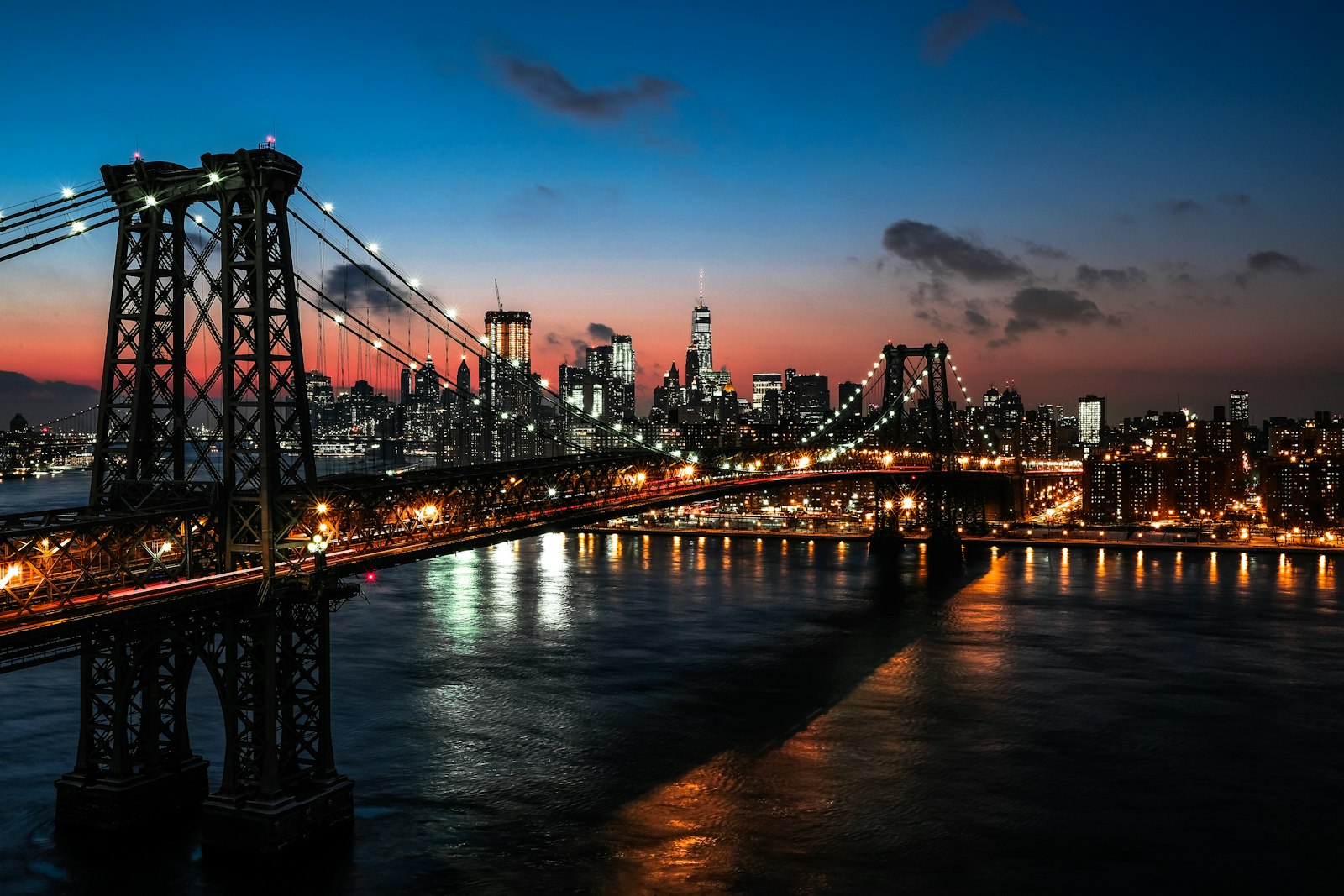
Top 10 Bridges in China
China's bridges are engineering marvels spanning mountains, rivers, and seas. Here are 10 of the most spectacular, from ancient stone to modern steel.
8 min read

Top 10 Buddhist Sites in China
From the Leshan Giant Buddha to the Dunhuang Caves, these 10 Buddhist sites represent 2,000 years of China's spiritual heritage.
9 min read
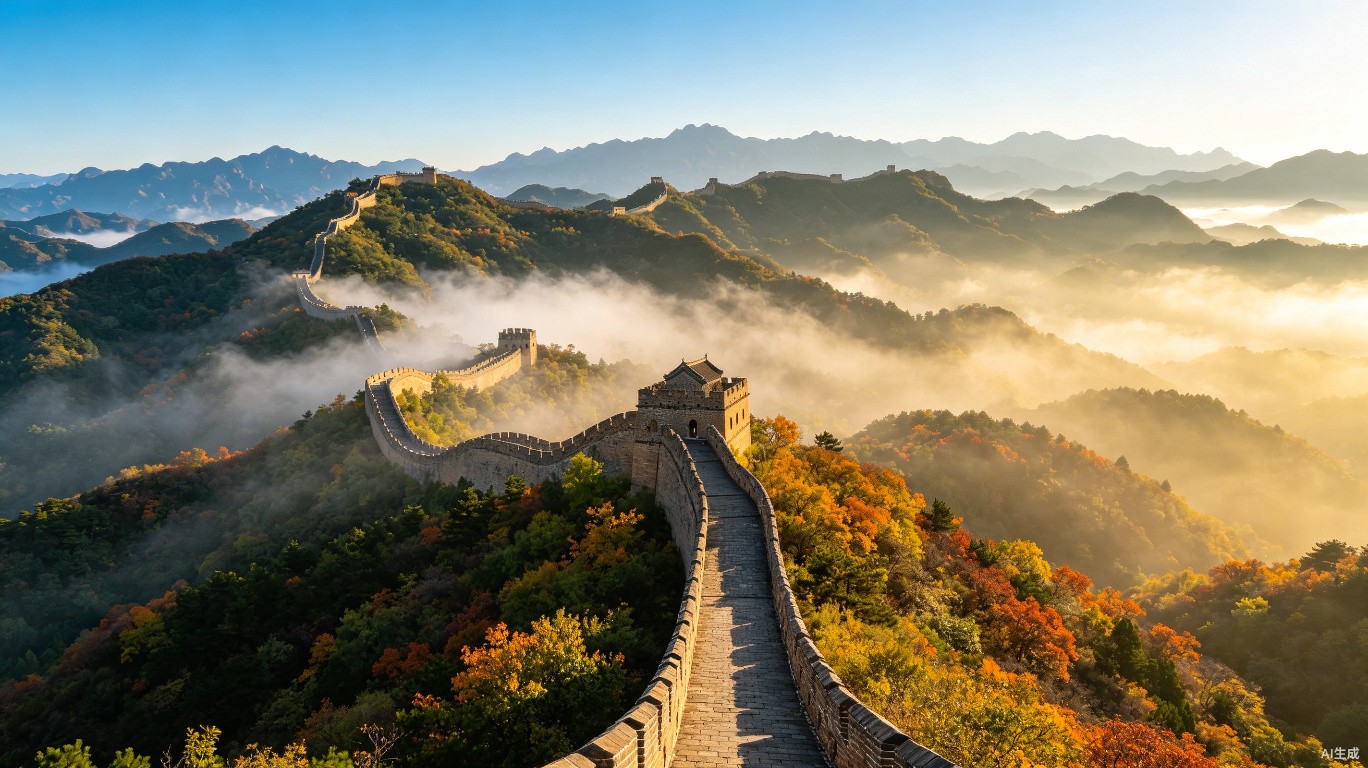
Top 10 Day Trips from Beijing You Shouldn't Miss
Beijing is packed with history, but some of China's best experiences are just a few hours away. Here are 10 day trips that will transform your visit.
9 min read
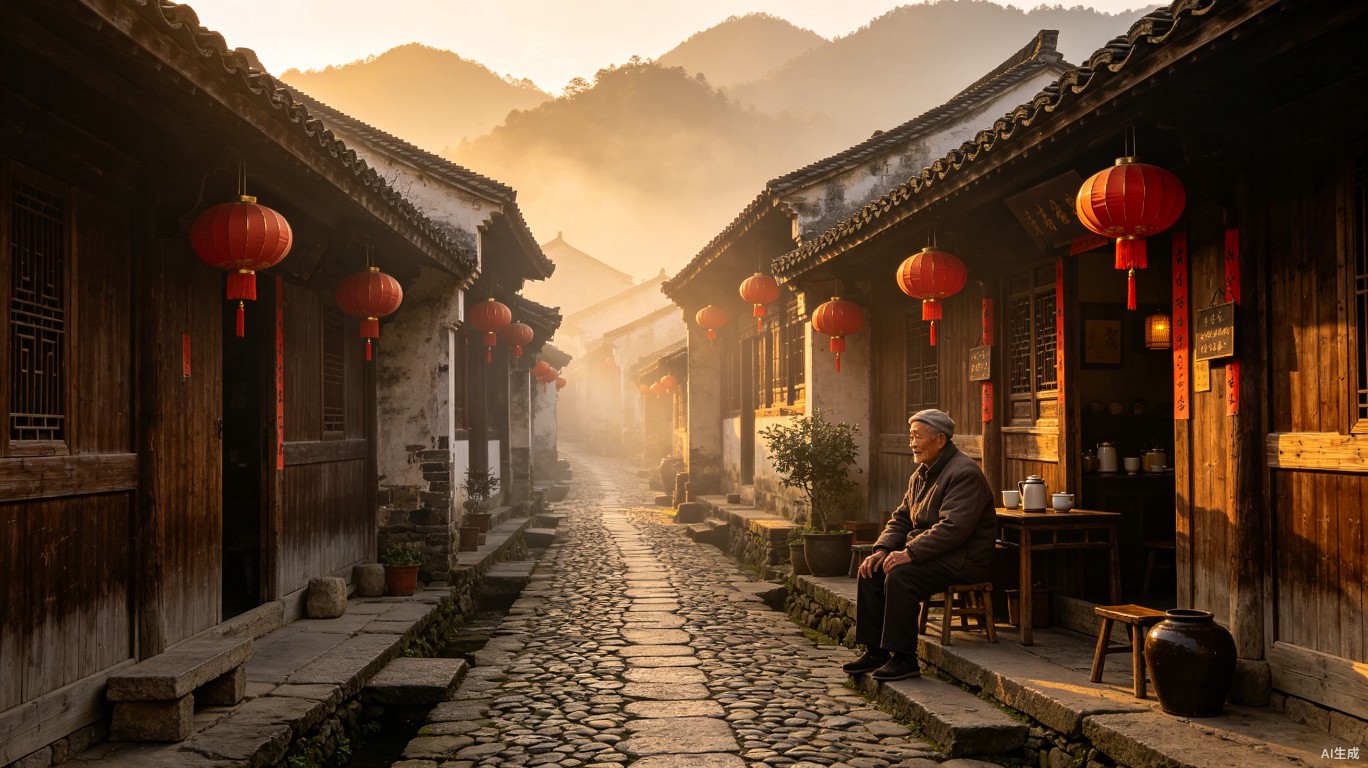
Top 10 Hidden Gems in China Off the Beaten Path
Beyond the Great Wall and Terracotta Warriors, China has incredible hidden destinations few tourists ever reach. Here are 10 underrated gems worth the detour.
9 min read
Top 10 Markets and Shopping Streets in China
From Shanghai's Bund to Beijing's Silk Street - 10 markets where foreigners can haggle, explore, and bring home authentic Chinese goods.
9 min read
Top 10 Museums in China You Shouldn't Miss
China's museums span 5,000 years of civilization. These 10 - from the Palace Museum to Xi'an's terracotta gallery - are unmissable for culture lovers.
9 min read