
Fujian Travel Guide
The woman at the noodle stall in Quanzhou looked at me, then at my bowl, then back at me. I'd asked for extra chili. She shook her head slowly, said…
Fujian Travel Guide
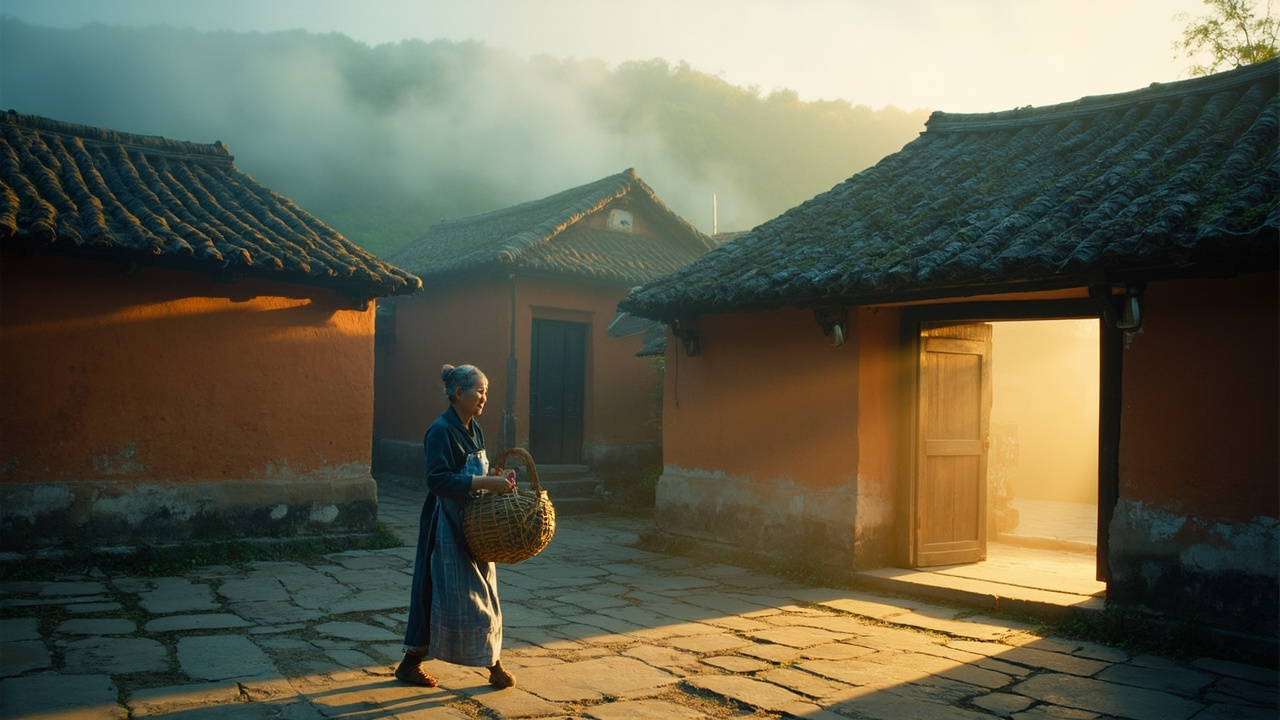
The woman at the noodle stall in Quanzhou looked at me, then at my bowl, then back at me. I’d asked for extra chili. She shook her head slowly, said something to the man next to her, and they both laughed. Then she ladled in a spoonful of something dark and fishy instead — shrimp paste, I found out later — and gestured for me to eat. It was the best thing I ate in three weeks in China, and I never would have ordered it.
That’s Fujian. It doesn’t perform for you. The province sits on China’s southeast coast, facing Taiwan across a strait most tourists never think about, and it has been quietly doing its own thing for a thousand years: building tulou roundhouses out of rammed earth, sending tea and emigrants to the rest of the world, and keeping its own language that Mandarin speakers can’t understand. Most first-timers fly straight over it to Shanghai or Xi’an. That’s a mistake.
This guide covers the ten places in Fujian worth your time, with real prices, real transport, and the stuff I wish someone had told me before I went.
Quick answer
Fujian is visa-free for most American, European, and Southeast Asian passport holders under China’s 240-hour (10-day) transit policy or the 30-day unilateral visa-free scheme, and a 5-7 day trip costs roughly $600–$900 (¥4,300–¥6,500) per person excluding international flights. The best time to visit is October to November or March to April — summers are brutally humid and typhoon season runs July through September. Base yourself in Xiamen or Fuzhou and use the high-speed rail network to reach the tulou villages, Quanzhou, and Wuyi Mountain.
The Short Version
Go to Quanzhou for the temples and the food. Go to the Nanjing tulou for one night, not three. Skip Xiamen’s beaches — they’re fine, but the island’s real draw is Gulangyu’s back lanes at 7am before the ferries arrive. Drink tieguanyin tea in Anxi if you care about tea at all. Bring a translation app; English is thinner here than in Beijing or Shanghai. Budget $100–$130 (¥720–¥940) per day for hotels, food, and trains.
How I Picked These
I’ve been through Fujian four times since 2019, most recently in November 2025, and this list comes from those trips plus a lot of arguing with taxi drivers and one very patient tea farmer in Anxi named Mr. Chen who let me sit in his drying room for two hours while he explained why his oolong was better than his neighbor’s. I left out places I only know secondhand. Everything here I’ve walked, eaten at, or slept in. Where prices have moved — and they have, post-pandemic — I’ve noted ranges rather than pretending I know the exact number. I also skipped a few famous spots on purpose. You’ll see which ones.
Comparison Table
| Rank | Place | Best For | Approx Cost (USD) | Time Needed | When to Go |
|---|---|---|---|---|---|
| 1 | Quanzhou | History, food, religious sites | $80–120/day | 2 days | Oct–Nov, Mar–Apr |
| 2 | Nanjing Tulou | Architecture, photography | $60–90/day | 1–2 days | Apr–May, Oct |
| 3 | Xiamen & Gulangyu | Colonial architecture, seafood | $100–140/day | 2–3 days | Mar–May, Oct–Nov |
| 4 | Wuyi Mountain | Hiking, tea, scenery | $90–130/day | 2–3 days | Apr–May, Sep–Oct |
| 5 | Fuzhou | Local life, temples, food | $70–100/day | 1–2 days | Oct–Dec, Mar–Apr |
| 6 | Anxi | Tea culture | $50–80/day | 1 day | Apr–May, Oct |
| 7 | Xiapu | Photography, tidal mudflats | $60–90/day | 1–2 days | Apr–Jun, Sep–Nov |
| 8 | Pingtan Island | Beaches, wind, quiet | $70–100/day | 1–2 days | May–Jun, Sep–Oct |
| 9 | Taining | Danxia geology, rafting | $70–100/day | 1–2 days | Apr–May, Sep–Oct |
| 10 | Meizhou Island | Mazu pilgrimage | $60–90/day | 1 day | Mar–Apr, Oct |
Quanzhou — The City That Ate the Silk Road
I walked into the Qingjing Mosque at 9am on a Tuesday and had the whole courtyard to myself. It’s the oldest mosque in China, built in 1009, and it looks like a ruin because it partly is one — an earthquake took the dome in the 1600s. The stone walls are still standing, and there’s a carved inscription in Arabic that a local guide told me was a Quranic verse about mercy. I sat on a low wall for twenty minutes and didn’t see another foreigner.
Quanzhou was, for about 400 years, one of the biggest ports on earth. Marco Polo called it Zayton. Arab, Persian, Indian, and Tamil traders lived here, built temples, married locally, and left behind a city that has more religious sites per square kilometer than almost anywhere in China. You can walk from a Buddhist temple to a Hindu shrine to a mosque to a Confucian hall in under an hour. Most tourists skip it entirely.
📍 Location: Quanzhou city center, Licheng District — the old town is walkable and compact 🎟️ Entry fee: Qingjing Mosque ¥3 (~$0.40); Kaiyuan Temple free; most sites under ¥10 🕒 Opening hours: Most temples 8am–5:30pm; Kaiyuan Temple closes at 5pm 🚕 How to get there: High-speed rail from Xiamen North to Quanzhou takes 30 minutes (¥30–40, ~$4–6). From Quanzhou Station, take Bus K1 or a taxi (¥25, ~$3.50) to the old town ⏰ When to visit: Weekday mornings. The old town gets busy on weekends with domestic tour groups 💡 Insider tips: The food is the real reason to come — try the oyster omelet (海蛎煎) and the peanut soup (花生汤) at a hole-in-the-wall near Zhongshan Road. Bring cash for small stalls; not all take WeChat Pay. English is rare — download a translation app before you arrive I still think about the bowl of shrimp-paste noodles that woman gave me. I never found the stall again.
Nanjing Tulou — Roundhouses Built Like Fortresses
The first tulou I saw, I thought it was a mistake. A four-story circular building made of packed earth, 60 meters across, with a single entrance and a tiled roof that curves up at the corners. Inside, it’s a ring of wooden rooms around a central courtyard, and people still live there — hanging laundry, drying persimmons, watching TV. I stayed one night in a guesthouse in one of them and woke up to the sound of chickens.
The tulou were built by Hakka families between the 12th and 20th centuries as communal housing and defense. Some hold 400 people. The most famous cluster is around Nanjing County, about two hours by bus from Xiamen, and there are dozens of them scattered across the valleys. The ones at Tianluokeng — four round and one oval, arranged like a flower — are the postcard shot, but the quieter ones at Yunshuiyao are better to actually walk through.
📍 Location: Nanjing County, Zhangzhou Prefecture — about 90 km west of Xiamen 🎟️ Entry fee: Tianluokeng cluster ¥90 (~$13); Yunshuiyao ¥90; some smaller tulou free 🕒 Opening hours: 8am–6pm daily, but if you stay overnight you can walk around after hours 🚌 How to get there: Bus from Xiamen Hubin South Station to Nanjing County (2.5 hrs, ¥45, ~$6.50), then local bus or taxi to the clusters. Or join a day tour from Xiamen (¥200–300, ~$28–42) ⏰ When to visit: April–May or October. Summer is hot and crowded with domestic tourists 💡 Insider tips: Stay one night, not two — the villages are small and quiet after dark. Bring cash for the small family-run eateries. The guesthouses inside the tulou are basic but worth it for the experience. Ask your host to show you the ancestral hall The woman who ran my guesthouse made me breakfast at 6am without being asked. Rice porridge, pickled vegetables, a boiled egg. I ate it on the roof while the mist burned off.
Xiamen & Gulangyu — The Colonial Island
Gulangyu is a 1.9-square-kilometer island with no cars, a lot of feral cats, and about 1,000 colonial-era villas built by British, French, Japanese, and Dutch traders in the late 1800s. It’s also mobbed by 10am. I got there on the 7:30am ferry and had the back lanes to myself for about 90 minutes before the tour groups arrived. By noon I was ready to leave.
Xiamen itself is a pleasant, modern city with good seafood and a laid-back feel that’s unusual for China. The beaches are okay, not great. The real draw is the food — the city is famous for its shacha noodles, oyster omelets, and peanut soup, and the night market on Zhongshan Road is worth an evening. English is more common here than in the rest of Fujian, and the metro is clean and easy.
📍 Location: Xiamen Island, Siming District; Gulangyu reached by ferry from Xiamen International Cruise Center or Lundu Terminal 🎟️ Entry fee: Gulangyu ferry ¥35–50 (~$5–7) round trip; island entry free; some villas charge ¥20–50 🕒 Opening hours: Ferries run 7am–5:30pm; island is walkable 24/7 🚇 How to get there: Xiamen Metro Line 1 to Zhongshan Park or Lundu; high-speed rail from Fuzhou (1.5 hrs, ¥80–100, ~$11–14) ⏰ When to visit: March–May or October–November. Avoid summer weekends entirely 💡 Insider tips: Book Gulangyu ferry tickets online in advance — they sell out. Take the earliest ferry. The island’s best food is at the small stalls away from the main tourist drag. Bring a power bank; you’ll be walking a lot. Set up Alipay or WeChat Pay before you arrive — many places are cashless A stray cat followed me for twenty minutes near the organ museum. I named him Gerald. He left when I ran out of dried squid.
Wuyi Mountain — Tea, Cliffs, and a Very Slow Boat
The Nine-Bend River raft at Wuyi Mountain takes about 90 minutes and moves at the speed of a bored turtle. That’s the point. You drift between vertical cliffs of red sandstone while a boatman with a bamboo pole points out rock formations that look like turtles, camels, and one that looks like a woman waiting for her husband. I went in late October, the water was low, and the whole thing was quietly perfect.
Wuyi is where da hong pao and rock oolong teas come from — the bushes grow in cracks in the cliffs, and the best ones are still picked by hand by climbers on ropes. The hiking is genuinely good: the Tianyou Peak trail is steep but short, and the views from the top are worth the sweat. There’s also a 1,000-year-old academy, a lot of temples, and a small town at the base with decent guesthouses.
📍 Location: Wuyishan City, northern Fujian, near the Jiangxi border
🎟️ Entry fee: Scenic area ¥140 ($20) for 2 days; raft ¥130 ($18) extra
🕒 Opening hours: Scenic area 6:30am–6pm; raft departures 7:30am–3pm
🚄 How to get there: High-speed rail to Wuyishan North Station from Fuzhou (1.5 hrs, ¥100–130, ~$14–18) or Xiamen (3 hrs, ¥180, ~$25)
⏰ When to visit: April–May or September–October. Avoid Chinese holidays
💡 Insider tips: Book the raft the day before — it sells out. Wear shoes with grip; the trails are slick. Buy tea directly from a farmer, not a shop in the tourist area. The town’s night market has good local food cheap
The boatman, whose name I never got, sang a few lines of something as we rounded the last bend. I have no idea what it meant.
Fuzhou — The Capital Nobody Visits
Fuzhou is the provincial capital and almost no foreign tourists go there. I spent two days and mostly ate. The city is famous for its fish balls — actually fish paste wrapped around pork — and its “Buddha Jumps Over the Wall” soup, which is a ridiculous name for a very good stew of abalone, sea cucumber, and chicken. The old neighborhood around Sanfang Qixiang (Three Lanes and Seven Alleys) is restored but pleasant, and the temples are quiet.
📍 Location: Fuzhou city center, Gulou District 🎟️ Entry fee: Sanfang Qixiang free; Yongquan Temple ¥40 (~$6) 🕒 Opening hours: Most sites 8am–5:30pm 🚄 How to get there: High-speed rail hub — direct trains from Shanghai (4 hrs), Xiamen (1.5 hrs), Quanzhou (1 hr) ⏰ When to visit: October–December or March–April 💡 Insider tips: The fish ball shops near Nanhou Street are the real deal. English is rare — have your hotel write addresses in Chinese. Fuzhou has its own dialect that even Mandarin speakers struggle with I got lost in Sanfang Qixiang for an hour and ended up at a tiny teahouse where the owner refused to let me pay.
Anxi — Where Tieguanyin Comes From
Anxi is a county in the hills outside Quanzhou, and it’s where tieguanyin oolong is grown. I went with a tea buyer I met in Quanzhou and spent a day at Mr. Chen’s farm, watching the leaves wither, bruise, and oxidize. The smell in the drying room was like orchids and roasted nuts. If you care about tea at all, this is worth a day trip.
📍 Location: Anxi County, about 1.5 hours from Quanzhou by car 🎟️ Entry fee: Free to visit farms; some charge for tastings (¥50–100, ~$7–14) 🕒 Opening hours: Farms generally 8am–6pm; call ahead 🚗 How to get there: Bus from Quanzhou to Anxi (1.5 hrs, ¥25, ~$3.50), then taxi to a farm ⏰ When to visit: April–May (spring harvest) or October (autumn harvest) 💡 Insider tips: Buy directly from farmers — the markup in cities is 3–5x. Bring cash. Don’t expect English Mr. Chen gave me a small bag of his best tea when I left. I still have it.
Xiapu — Mudflats and Photographers
Xiapu is a coastal county famous for its tidal mudflats, which at low tide look like abstract paintings. Photographers come from all over China to shoot the bamboo poles, the fishing nets, and the light. I’m not a photographer, but I went anyway, and the whole scene — dozens of tripods lined up on a hillside at 5am — was its own kind of spectacle.
📍 Location: Xiapu County, northeastern Fujian 🎟️ Entry fee: Most viewpoints free; some charge ¥20–30 🕒 Opening hours: Best at sunrise and sunset; tides vary daily 🚄 How to get there: High-speed rail to Xiapu Station from Fuzhou (1 hr, ¥60, ~$8.50) ⏰ When to visit: April–June or September–November 💡 Insider tips: Check tide tables before you go. Hire a local driver — the viewpoints are spread out. Bring a windbreaker The photographer next to me at 5am had been coming every year for a decade. He showed me his favorite shot on his phone.
Pingtan Island — Wind and Empty Beaches
Pingtan is the closest point in mainland China to Taiwan, about 68 nautical miles away, and it’s windy almost all the time. The beaches are long and mostly empty outside summer, and the seafood is excellent. It’s not a must-see, but if you want a quiet couple of days by the sea, it works.
📍 Location: Pingtan County, about 2 hours from Fuzhou by car 🎟️ Entry fee: Most beaches free 🕒 Opening hours: N/A 🚌 How to get there: Bus from Fuzhou (2 hrs, ¥50, ~$7) or drive ⏰ When to visit: May–June or September–October 💡 Insider tips: Bring layers — the wind is constant. Seafood restaurants near the harbor are better than the tourist strip I ate a whole steamed fish by myself and didn’t feel bad about it.
Taining — Danxia Cliffs and a Raft
Taining is a small county in western Fujian with red sandstone cliffs, a slow river, and a 1,000-year-old town. The raft trip down the Shangqing River is the main draw, and it’s genuinely beautiful — quieter and less commercial than Wuyi.
📍 Location: Taining County, Sanming Prefecture
🎟️ Entry fee: Scenic area ¥80 ($11); raft ¥95 ($13)
🕒 Opening hours: 8am–5pm
🚄 How to get there: High-speed rail to Taining Station from Fuzhou (2 hrs, ¥120, ~$17)
⏰ When to visit: April–May or September–October
💡 Insider tips: The old town is small — half a day is enough. Stay overnight for the morning light on the cliffs
The raft guide pointed at a cliff and said something about a monk. I nodded like I understood.
Meizhou Island — The Mazu Pilgrimage
Meizhou is the ancestral home of Mazu, the sea goddess worshipped across coastal China and Southeast Asia. The temple here is the mother temple, and pilgrims come from Taiwan, Malaysia, and Vietnam. It’s a working religious site, not a tourist attraction, and that’s what makes it interesting.
📍 Location: Meizhou Island, Putian Prefecture 🎟️ Entry fee: Temple free; ferry ¥20 (~$3) 🕒 Opening hours: Temple 6am–6pm 🚌 How to get there: Bus from Putian Station to the ferry terminal, then ferry to the island ⏰ When to visit: March–April (Mazu’s birthday) or October 💡 Insider tips: Dress modestly. Don’t photograph pilgrims without asking. The incense smoke is intense — bring water An elderly woman from Taiwan told me she’d been coming every year for 30 years. She gave me a small amulet.
FAQ summary
Fujian is visa-free for most Western and Southeast Asian passport holders under China’s 240-hour transit policy or 30-day unilateral visa-free scheme, and a 5-7 day trip costs roughly $600–$900 (¥4,300–¥6,500) per person excluding flights. The best time to visit is October–November or March–April; summers are humid and typhoon-prone. Base yourself in Xiamen or Fuzhou and use high-speed rail to reach Quanzhou, the tulou, and Wuyi Mountain. English is less common than in Beijing or Shanghai, so download a translation app and set up Alipay or WeChat Pay before you arrive.
FAQ
Q: Do I need a visa to visit Fujian? A: Most American, European, and Southeast Asian passport holders can enter China visa-free for up to 30 days under the current unilateral scheme, or for 240 hours (10 days) under the transit policy if you’re passing through to a third country. Check the latest visa rules before booking — policies have shifted several times since 2023.
Q: How much does a trip to Fujian cost? A: Budget roughly $100–$130 (¥720–¥940) per person per day for mid-range hotels, meals, and trains. A 5-7 day trip runs about $600–$900 (¥4,300–¥6,500) excluding international flights. Hostels and street food can cut that to $50–70 per day.
Q: What’s the best time of year to visit Fujian? A: October–November and March–April. Summers (June–August) are hot, humid, and typhoon-prone. Winters are mild but gray. Avoid Chinese public holidays — everything is packed.
Q: Is English widely spoken in Fujian? A: Less than in Beijing or Shanghai. In Xiamen and Fuzhou, some hotel and restaurant staff speak basic English. Elsewhere, assume you’ll need a translation app like Pleco or Baidu Translate. Download offline Chinese before you go.
Q: Do I need a VPN or a local SIM card? A: Yes to both, ideally. Google, Instagram, WhatsApp, and most Western apps are blocked in China. A local SIM or eSIM is cheaper than roaming, and a VPN installed before you arrive is essential if you need Western apps.
Q: How do I get around Fujian? A: High-speed rail connects Xiamen, Fuzhou, Quanzhou, and Wuyishan. Buses fill the gaps to smaller towns. Within cities, use DiDi (China’s Uber) or the metro. See the China train guide for booking tips.
Q: Can I pay with cash or do I need Alipay/WeChat Pay? A: Cash works but is increasingly inconvenient. Set up Alipay or WeChat Pay with your international card before you arrive — most vendors, including small stalls, prefer QR code payments.
The Honest Wrap-up
Fujian isn’t for everyone. If you want the greatest hits — the Great Wall, the Terracotta Warriors, the Bund — go do those first. Fujian rewards travelers who’ve already been to China once, or who want something quieter and stranger. It’s for people who like tea, food, old temples, and not being surrounded by other foreigners. It’s not for people who need English signage everywhere or who want a beach resort vacation. My one piece of advice: give Quanzhou two full days, not one. Everyone tries to squeeze it in. Don’t.
More guides you may like

Top 10 Bridges in China
China's bridges are engineering marvels spanning mountains, rivers, and seas. Here are 10 of the most spectacular, from ancient stone to modern steel.
8 min read

Top 10 Buddhist Sites in China
From the Leshan Giant Buddha to the Dunhuang Caves, these 10 Buddhist sites represent 2,000 years of China's spiritual heritage.
9 min read

Top 10 Day Trips from Beijing You Shouldn't Miss
Beijing is packed with history, but some of China's best experiences are just a few hours away. Here are 10 day trips that will transform your visit.
9 min read

Top 10 Hidden Gems in China Off the Beaten Path
Beyond the Great Wall and Terracotta Warriors, China has incredible hidden destinations few tourists ever reach. Here are 10 underrated gems worth the detour.
9 min read

Top 10 Markets and Shopping Streets in China
From Shanghai's Bund to Beijing's Silk Street - 10 markets where foreigners can haggle, explore, and bring home authentic Chinese goods.
9 min read

Top 10 Museums in China You Shouldn't Miss
China's museums span 5,000 years of civilization. These 10 - from the Palace Museum to Xi'an's terracotta gallery - are unmissable for culture lovers.
9 min read