
Where to Celebrate Spring Festival in China
Where to Celebrate Spring Festival in China
Where to Celebrate Spring Festival in China
The first thing I noticed was the silence. I was standing on a side street near Beijing’s Drum Tower at 11pm on Chinese New Year’s Eve, and the usual roar of traffic was just… gone. No scooters, no honking, no delivery riders weaving between cars. Just a few people crouched on the curb burning stacks of paper money, the flames throwing orange light onto the gray brick walls. Then at midnight the entire city detonated at once — fireworks from every direction, so loud my hotel windows rattled. I’d been in China for three years by then and thought I understood the place. I didn’t.
Spring Festival (春节, Chūnjié) is not a tourist attraction. It’s the largest annual human migration on Earth — roughly 9 billion trips in 2026, according to China’s Ministry of Transport — and for about two weeks the country runs on a completely different set of rules. Trains sell out weeks ahead. Half the restaurants in any given city are shuttered because the owners went home to their villages. Taxis are impossible. And yet, if you plan it right, it’s the single most memorable travel experience you can have in China.
This guide covers ten places where a foreign visitor can actually plug into the celebration — lantern festivals, temple fairs, firework shows, and the specific cities where the holiday still feels genuinely local rather than staged for cameras. I’ve spent four Spring Festivals in China, three of them in cities other than Beijing, and I’ve made most of the mistakes so you don’t have to.
Quick answer
The best places to celebrate Spring Festival in China for a first-time visitor are Beijing (temple fairs at Ditan and Longtan), Xi’an (the wall lantern festival), Harbin (ice sculptures plus New Year fireworks), and Hong Kong (the most foreigner-friendly option, with English signage and a huge CNY night parade). The 2026 festival runs February 17 to March 3, with the main public holiday February 15–21. China’s 240-hour visa-free transit policy covers citizens of 55 countries, and 47 countries now have full visa-free entry for stays up to 30 days — check the current visa rules before booking. Budget $80–150 per day for hotels, food, and transport, and book trains and flights at least six weeks out.
The short version
If you only have one Spring Festival in you, go to Beijing for the temple fairs and Xi’an for the wall lanterns. Book everything by early January. Expect half the city to be shut on New Year’s Day itself (February 17, 2026) and everything to reopen by day three. Learn to use Alipay or WeChat Pay before you land, because cash is genuinely awkward now. And don’t try to do five cities in two weeks — the transport system is at absolute capacity and you’ll spend the holiday in train stations.
How I picked these
I’ve spent Spring Festival in Beijing three times, Xi’an once, and Hong Kong twice, and I’ve done the Harbin ice festival in late January (adjacent, but the timing overlaps). For the other entries I leaned on a group chat of about fifteen expats and Chinese friends scattered across the country — a former colleague in Chengdu, a hostel owner in Pingyao I’ve stayed with twice, a friend’s cousin who runs a guesthouse in Langzhong. I asked each of them the same question: “If a foreign friend had one Spring Festival, where would you send them in your city, and what would you warn them about?” Everything below is either something I’ve done myself or something I’ve verified with someone who lives there. Where I’m unsure about a specific price or date, I say so.
Comparison table
| Rank | Place | Best For | Approx Cost (USD/day) | Time Needed | When to Go |
|---|---|---|---|---|---|
| 1 | Beijing | Temple fairs, scale, first-timer ease | $90–140 | 4–5 days | Feb 16–20 |
| 2 | Xi’an | Lantern festival on the city wall | $70–110 | 3 days | Feb 17–22 |
| 3 | Harbin | Ice sculptures + fireworks | $100–160 | 3–4 days | Feb 15–20 |
| 4 | Hong Kong | Parades, English-friendly, easy entry | $150–220 | 3–4 days | Feb 17–19 |
| 5 | Chengdu | Lantern fair, pandas, hotpot | $70–110 | 3–4 days | Feb 17–22 |
| 6 | Pingyao | Old-town atmosphere, less touristy | $60–90 | 2–3 days | Feb 18–23 |
| 7 | Shanghai | Yu Garden lanterns, modern skyline | $120–180 | 3 days | Feb 17–21 |
| 8 | Langzhong | The “real” Spring Festival origin city | $50–80 | 2–3 days | Feb 17–22 |
| 9 | Guangzhou | Flower markets, Cantonese food | $90–130 | 3 days | Feb 15–18 |
| 10 | Taipei | Lantern festival, night markets | $100–150 | 3–4 days | Feb 17–22 |
Beijing — where the holiday hits you at full volume
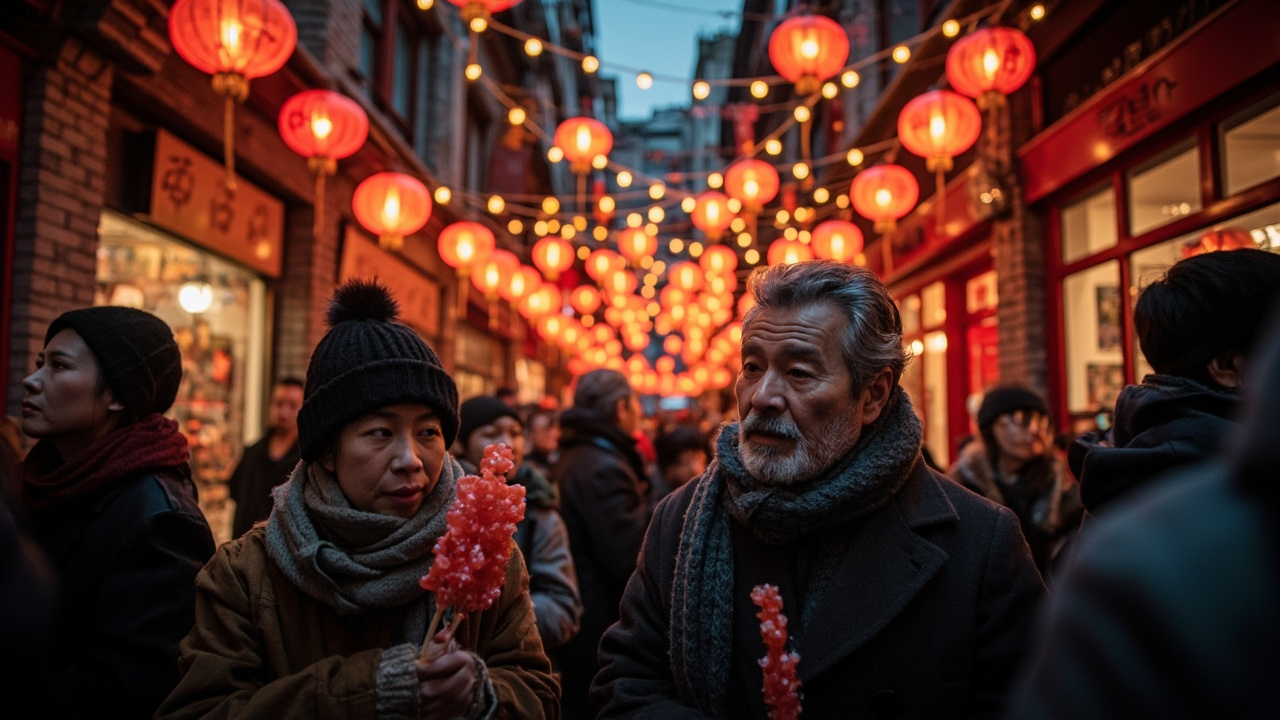
I made the mistake my first year of staying in a hotel near Sanlitun, which is expat-central and basically dead during the holiday. The second year I moved to a hutong guesthouse near the Drum Tower and everything changed. On the morning of New Year’s Day I walked ten minutes to the Ditan Temple Fair and stood in a crowd of maybe 30,000 people watching a lion dance, eating candied hawthorn skewers (糖葫芦, táng hú lu, about $1.40 / ¥10), and getting gently shoved by grandmothers who were much stronger than they looked.
Beijing does Spring Festival at a scale that’s hard to describe. The temple fairs (庙会, miàohuì) at Ditan Park and Longtan Park are the big ones — hundreds of stalls selling snacks, toys, calligraphy, and the kind of junk you’ll inexplicably want to buy. The Longtan fair is slightly less crowded and has better food. Both run from New Year’s Day through the fifth or sixth day of the holiday.
📷 Location: Ditan Park is in Dongcheng, just north of the Yonghegong Lama Temple. Longtan Park is in the southeast, near the Temple of Heaven.
🎟️ Entry fee: Ditan fair about $4.20 (¥30), Longtan about $2.80 (¥20). The parks themselves are free on normal days.
🕐 Opening hours: Fairs typically run 8:30am–5pm, sometimes to 8pm on the first three days. Confirm dates on the park’s WeChat account — they change slightly each year.
🚇 How to actually get there: For Ditan, take Metro Line 2 or 5 to Yonghegong Station, Exit B, walk 5 minutes north. For Longtan, Line 5 to Tiantandongmen, Exit A, walk 8 minutes east.
⏰ When to visit: Go on day two or three of the holiday (Feb 18–19, 2026). New Year’s Day itself is chaos. Weekday mornings are noticeably calmer than afternoons.
💡 Insider tips: Bring cash for the small stalls — some still don’t take QR codes. Download a translation app before you go; English signage at the fairs is minimal. The Yonghegong Lama Temple next door to Ditan is free to enter on New Year’s Day but the queue can be three hours. Skip it and go the following week.
The food I still think about: a paper cone of fried squid from a stall at Longtan, eaten standing up in the cold, with a grandmother next to me explaining — in rapid Mandarin I mostly didn’t understand — that I was holding it wrong.
Xi’an — the lantern festival that ruined other lantern festivals for me
I went to Xi’an expecting the Terracotta Warriors and got ambushed by the city wall instead. Every year, from about the 23rd day of the twelfth lunar month through the Lantern Festival (元宵节, Yuánxiāojié, which falls on March 3 in 2026), the entire 14-kilometer Ming city wall is lined with illuminated lantern sculptures. Not the small red ones you see in stock photos — full-scale installations, some three stories tall, of dragons, phoenixes, historical scenes, and whatever theme the city picked that year.
I walked the wall at dusk on the second day of the holiday. It took me two and a half hours to cover maybe half of it because I kept stopping. The combination of the lanterns, the cold air, and the view down into the old city — where every courtyard house had red couplets pasted on the door — is genuinely one of the best things I’ve seen in China.
📷 Location: The South Gate (永宁门, Yǒngníngmén) is the main entrance for the lantern festival. The wall circles the entire old city.
🎟️ Entry fee: Wall entry is about $7.70 (¥55). The lantern festival surcharge brings it to roughly $14 (¥100) during the holiday period.
🕐 Opening hours: 8am–10pm normally, extended to 11pm during the festival. Last entry around 9:30pm.
🚇 How to actually get there: Metro Line 2 to Yongningmen Station, Exit D1, and you’re at the South Gate. Don’t take a taxi — the surrounding streets are gridlocked during the holiday.
⏰ When to visit: Go between 5:30pm and 7pm, when the lanterns are lit but the crowds haven’t peaked. Avoid the first two days of the holiday entirely.
💡 Insider tips: Buy your ticket on the official “Xi’an City Wall” WeChat mini-program — the on-site queue can be 45 minutes. Wear actual winter boots; the wall is exposed and the wind is brutal. The Muslim Quarter (回民街) nearby stays open through the holiday and is where you should eat — the yangrou paomo (lamb soup with torn bread) at the small places off the main drag is far better than the tourist-facing stalls.
A shop owner near the South Gate, whose name I never got, refused to let me pay for a cup of tea while I waited out a sudden snow squall. She just waved me toward a stool and pointed at the kettle.
Harbin — ice, fireworks, and minus-25 temperatures
Harbin’s Ice and Snow World is technically a separate event from Spring Festival, but the timing overlaps almost perfectly, and the city goes all-in for New Year with fireworks over the Songhua River. I went in late January, which is colder than the holiday itself but less crowded. If you can handle the cold, it’s worth it.
The ice sculptures are the headline — full buildings made of ice, lit from inside, some four stories tall. But the part I didn’t expect was the local scene: families sledding down improvised slopes in the parks, street vendors selling frozen pears on sticks, and a general “we live here, this is normal” attitude that’s weirdly charming.
📷 Location: Ice and Snow World is on the north bank of the Songhua River, in the Songbei district. Central Street (中央大街) is the main pedestrian drag.
🎟️ Entry fee: Ice and Snow World is about $45 (¥330) for a day ticket, more for the night session. Central Street is free.
🕐 Opening hours: Ice and Snow World runs roughly 11am–9:30pm, with the best light after 4pm. The festival typically runs late December through late February.
🚇 How to actually get there: From Harbin Station, take Metro Line 2 to Sun Island, then a shuttle bus (about $1.40 / ¥10). Or take a taxi for around $8 (¥60) — agree on the price first.
⏰ When to visit: Mid-to-late January is ideal — the sculptures are fully built and the crowds are smaller than during the official holiday week.
💡 Insider tips: Rent the heavy coat and boots on site rather than packing them; the rental is about $14 (¥100) and saves you 5kg of luggage. Your phone battery will die in 20 minutes at -25°C — keep it in an inside pocket. Hand warmers are sold everywhere for about $0.70 (¥5). Book your hotel by November; prices triple during the festival.
The mistake I made: I wore my “warm” Beijing winter coat and spent the first hour genuinely worried about my fingers. Buy the rentals. Just do it.
Hong Kong — the easiest option for a nervous first-timer
Hong Kong is where I’d send a friend who’s never been to Asia and wants to see Chinese New Year without the language barrier. The city runs a proper CNY night parade on the first day of the holiday (Feb 17, 2026), a fireworks display over Victoria Harbour on the second day, and the Lam Tsuen Wishing Trees in the New Territories, where you throw paper wishes tied to oranges into a tree.
English is widely spoken. The MTR is world-class. And the holiday here is a hybrid — you get the lion dances and red envelopes, but also a city that’s fully functional for tourists.
📷 Location: The parade runs through Tsim Sha Tsui along Nathan Road. Fireworks are best viewed from the Tsim Sha Tsui promenade or from a harbour cruise.
🎟️ Entry fee: Parade viewing is free along the route; grandstand seats are about $50 (HK$390). Fireworks are free.
🕐 Opening hours: Parade starts at 8pm on Feb 17. Fireworks at 8pm on Feb 18. Both last about 30 minutes.
🚇 How to actually get there: MTR to Tsim Sha Tsui Station, any exit. Arrive by 6pm to get a spot on the route.
⏰ When to visit: The first two days of the holiday. After that, most of the city returns to normal.
💡 Insider tips: Book your hotel by October — Hong Kong CNY hotel prices are genuinely brutal. The Octopus card works everywhere and is easier than Alipay for a short trip. Many small restaurants close for the first three days; the ones in hotels and malls stay open. The Temple Street Night Market is at its best during the holiday.
A woman at the Lam Tsuen Wishing Trees, maybe 70, watched me fumble my orange into the tree three times, then walked over, took it from my hand, and threw it perfectly on the first try. She patted my arm and walked off.
Chengdu — lanterns, pandas, and the least stressful holiday
Chengdu does Spring Festival the way Chengdu does everything: slowly. The big draw is the International Panda Lantern Festival at the Chengdu Research Base of Giant Panda Breeding, which combines actual pandas with an enormous lantern display. It’s a strange combination and it works.
The city itself empties out less than Beijing or Shanghai — Chengdu is a destination for workers from surrounding provinces, so the holiday population stays high. That means the food scene stays alive, which is the main reason to come.
📷 Location: The panda base is in Chenghua district, about 30 minutes north of downtown. The main lantern festival is on-site.
🎟️ Entry fee: Panda base entry is about $7.70 (¥55). The lantern festival is included with the evening ticket, around $11 (¥80).
🕐 Opening hours: Base is 7:30am–6pm; the lantern festival runs 6:30pm–10pm during the holiday.
🚇 How to actually get there: Metro Line 3 to Panda Avenue Station, Exit B, then a 10-minute walk. Or take the dedicated tourist bus from Chunxi Road.
⏰ When to visit: Go to the pandas at 7:30am opening — they’re active and the crowds are thin. Return for the lanterns at 6:30pm.
💡 Insider tips: Book panda base tickets on the official WeChat account at least three days ahead; they sell out. The hotpot restaurants in the Yulin neighborhood stay open through the holiday and are far better than the ones near the tourist areas. Bring cash for the small snack stalls. If you’re combining this with other cities, the high-speed rail network connects Chengdu to Xi’an in about 3 hours.
The food I still think about: a bowl of dan dan noodles at a hole-in-the-wall in Yulin, eaten at a plastic stool on the sidewalk, for about $1.40 (¥10).
Pingyao — the old town that feels like it’s actually celebrating
Pingyao is a walled Ming-and-Qing-era city in Shanxi, about 4 hours by high-speed rail from Beijing. It’s touristy in the summer, but during Spring Festival it swings back toward being a real place — the residents decorate every doorway, the streets fill with red lanterns, and there’s a genuine local festival atmosphere that the bigger cities have partly lost.
I stayed three nights in a courtyard guesthouse inside the walls. The owner, a man in his 50s named Mr. Wang, cooked breakfast for all the guests every morning and insisted we try his wife’s vinegar. Shanxi vinegar is a thing. It’s excellent.
📷 Location: The entire old town is inside the city walls. The main streets are Ming-Qing Street (明清街) and East Street.
🎟️ Entry fee: A combined ticket for the main sights is about $17 (¥125). Walking the streets is free.
🕐 Opening hours: The old town is always accessible. Individual sights are 8am–6pm.
🚇 How to actually get there: High-speed rail from Beijing West to Pingyao Gucheng Station takes about 4 hours, roughly $40 (¥290). From the station, a taxi to the old town is about $4 (¥30).
⏰ When to visit: Days three through six of the holiday. The first two days are quiet because everyone’s at home.
💡 Insider tips: Stay inside the walls, not in the new town. The guesthouses are cheap (about $35–60 / ¥250–430) and the atmosphere is the whole point. Bring cash — many small shops don’t take foreign cards. The train tickets sell out fast for the return leg; book both directions at once.
Mr. Wang’s wife made me try four different vinegars in one sitting and then gave me a small bottle to take home. I still have it.
Shanghai — Yu Garden lanterns and a city that mostly keeps moving
Shanghai is the least “traditional” Spring Festival on this list, and that’s the point. The Yu Garden lantern festival is genuinely beautiful — the classical garden lit up with hundreds of lanterns, reflecting in the ponds — but the rest of the city treats the holiday as a long weekend. Many restaurants stay open. The Bund is packed. The skyline is lit red.
If you want a Spring Festival that doesn’t require you to rearrange your whole trip around closures, Shanghai is the pick.
📷 Location: Yu Garden is in Huangpu district, near the Old City. The Bund is a 20-minute walk north.
🎟️ Entry fee: Yu Garden entry is about $5.60 (¥40); the lantern festival is included. The Bund is free.
🕐 Opening hours: Yu Garden is 8:30am–5pm normally, extended to 9pm during the lantern festival.
🚇 How to actually get there: Metro Line 10 to Yuyuan Garden Station, Exit 1, walk 3 minutes.
⏰ When to visit: The lantern festival runs from about the 25th day of the twelfth lunar month through the Lantern Festival. Go on a weekday evening.
💡 Insider tips: The Yu Garden lantern crowds are genuinely intense — go right at 5pm when the lights come on. The nearby City God Temple snack street is overpriced but fun; the real food is in the alleys off Fangbang Road. Shanghai’s metro system is the easiest in China for a foreigner to navigate.
The food I still think about: xiaolongbao at a tiny shop near Yu Garden, about $4 (¥28) for eight, eaten standing because there were no seats.
Langzhong — the city that claims to have invented Spring Festival
Langzhong, in Sichuan, is where the Western Han astronomer Luo Xiahong supposedly codified the lunar calendar that Spring Festival is based on. The city leans into this hard — there’s a whole “Spring Festival origin” tourism angle — but underneath the branding it’s a genuinely lovely old town on the Jialing River, with far fewer foreign visitors than anywhere else on this list.
I went on a friend’s recommendation and spent two days mostly walking. The old town is small, the food is excellent, and the holiday feels local rather than staged.
📷 Location: The old town is in the center of Langzhong, about 3 hours by train from Chengdu.
🎟️ Entry fee: Combined ticket for the main sights is about $15 (¥110). Walking the old town is free.
🕐 Opening hours: Sights are 8am–6pm. The old town is always open.
🚇 How to actually get there: High-speed rail from Chengdu East to Langzhong takes about 2.5 hours, roughly $25 (¥180). From the station, a taxi to the old town is about $3 (¥20).
⏰ When to visit: Days two through five of the holiday. The city runs a specific Spring Festival ceremony on New Year’s Day that’s worth seeing if you can handle the crowds.
💡 Insider tips: Almost no English is spoken here — have a translation app ready. The local specialty is Zhang Fei beef (张飞牛肉), sold everywhere and genuinely good. Book your guesthouse early; the old town fills up.
A woman selling beef from a cart near the river spent ten minutes explaining, in Mandarin I only half-followed, why her family’s recipe was better than the shop next door. She was right.
Guangzhou — flower markets and the Cantonese New Year
Guangzhou’s Spring Festival is distinct from the north. The headline event is the flower markets (花市, huāshì), which open about three days before New Year’s Day and run through New Year’s Eve. Entire streets fill with stalls selling peach blossoms, orchids, kumquat trees, and lucky bamboo. Families buy them to decorate their homes.
The food is the other draw. Cantonese New Year food is its own thing — turnip cake, taro cake, whole steamed fish, and a lot of dishes with names that are puns for good luck. The city stays warm (15–20°C) while the north freezes.
📷 Location: The main flower markets are in Liwan, Yuexiu, and Tianhe districts. The biggest is on West Lake Road in Liwan.
🎟️ Entry fee: Free.
🕐 Opening hours: Markets run roughly 8am–midnight in the days leading up to New Year’s Eve.
🚇 How to actually get there: Metro Line 1 to Gongyuanqian Station, Exit D, puts you at the edge of the biggest market.
⏰ When to visit: The two days before New Year’s Eve, when the markets are at full volume. New Year’s Day itself is quiet.
💡 Insider tips: Buy a kumquat tree on the last day of the market — prices drop by half. Dim sum restaurants are packed on New Year’s Day; go on day two instead. The Cantonese here is different from Mandarin, but everyone switches for outsiders.
The food I still think about: a whole steamed fish at a family restaurant in Liwan, cooked with ginger and scallion, for about $14 (¥100).
Taipei — lantern festival without the mainland visa hassle
Taipei’s Spring Festival is quieter than the mainland’s — the city empties out as people return to their hometowns — but the Lantern Festival (which falls on March 3, 2026) is a major event, with a huge lantern display that changes location each year. The night markets stay open throughout, which is the main reason to come.
For travelers who already have Taiwan entry sorted, Taipei is an easy, low-stress option. English is widely spoken, the MRT is excellent, and the food is some of the best in the Chinese-speaking world.
📷 Location: The main lantern festival site rotates; recent years have included Taipei, Taoyuan, and Kaohsiung. Check the official Taiwan Lantern Festival site for 2026.
🎟️ Entry fee: Free.
🕐 Opening hours: Lantern displays are typically 5pm–11pm.
🚇 How to actually get there: Depends on the year’s location; the MRT or Taiwan High Speed Rail will get you close.
⏰ When to visit: The Lantern Festival itself (March 3, 2026) and the two days around it.
💡 Insider tips: Book accommodation early — the Lantern Festival draws domestic tourists from across Taiwan. The Raohe Street Night Market is the best of the big ones. Cash is still useful at smaller stalls.
The food I still think about: a pepper bun (胡椒饼) from the Raohe night market, about $2 (NT$60), eaten while walking and burning my mouth.
FAQ summary
Spring Festival 2026 runs February 17 to March 3, with the main public holiday February 15–21. The best first-timer destinations are Beijing (temple fairs), Xi’an (wall lanterns), and Hong Kong (easiest for English speakers). Book trains, flights, and hotels at least six weeks in advance — the holiday triggers the largest annual migration on Earth, with roughly 9 billion trips expected. Most restaurants and shops close on New Year’s Day itself and reopen by day three. China’s 240-hour visa-free transit and 30-day visa-free entry for 47 countries make the trip logistically simple for most Western and Southeast Asian passport holders, but you must verify your specific nationality before booking.
FAQ
Q: Do I need a visa to visit China for Spring Festival 2026? A: It depends on your passport. As of 2026, citizens of 47 countries — including the US, UK, most of the EU, Australia, Japan, and South Korea — can enter China visa-free for up to 30 days. Another 55 countries qualify for the 240-hour (10-day) visa-free transit if they’re transiting to a third country. Check the current visa rules before booking.
Q: What are the exact dates of Spring Festival 2026? A: Chinese New Year’s Day falls on February 17, 2026. The official public holiday runs February 15–21, but celebrations — temple fairs, lantern festivals, family gatherings — extend through the Lantern Festival on March 3. Most businesses reopen by February 20.
Q: Will restaurants and shops be open during Spring Festival? A: On New Year’s Day itself (February 17), most small restaurants and shops close. Large chains, hotel restaurants, and mall food courts stay open. By day three of the holiday (February 19), most places have reopened. In Hong Kong and Taipei, closures are far less extensive.
Q: How far in advance should I book trains and hotels? A: Six weeks minimum, and eight is safer for popular routes like Beijing–Xi’an or Beijing–Harbin. Train tickets go on sale 15 days before departure and sell out within hours for holiday dates. Hotel prices in major cities roughly double during the holiday week.
Q: Is it safe to travel in China during Spring Festival? A: Yes — China is generally very safe, and the main risks are logistical rather than personal. Crowds at temple fairs and lantern festivals can be intense, so keep your phone and wallet in a front pocket. Watch your step around fireworks, which are set off in the streets by ordinary people.
Q: Do I need a VPN or a local SIM card? A: Yes to both, ideally. Google, Instagram, WhatsApp, and most Western news sites are blocked in mainland China without a VPN, which you must install before you arrive. A local SIM card (China Mobile or China Unicom) is cheap and gives you a Chinese phone number for app verification — see the SIM and internet guide. Hong Kong and Taipei have unrestricted internet.
Q: How much does a Spring Festival trip to China cost? A: Budget $80–150 per day for a mid-range trip (hotel, food, transport, attractions), plus $800–1,400 for round-trip flights from the US or Europe. Hong Kong and Shanghai run higher; Pingyao and Langzhong run lower. Total for a 10-day trip: roughly $2,000–3,500 per person.
The honest wrap-up
This list is for someone who wants to actually experience Spring Festival, not just see it through a tour bus window. If you want a low-stress holiday with English menus and predictable opening hours, go to Hong Kong or Taipei. If you want the full thing — the noise, the closures, the grandmothers, the fireworks at midnight — go to Beijing or Xi’an and accept that half your plans will fall apart.
One last piece of advice: don’t over-schedule. The best moments I’ve had during Spring Festival were the unplanned ones — the tea I didn’t pay for, the vinegar tasting, the woman who threw my orange into the tree. Book your trains and your first two nights, then leave the rest loose. The holiday will fill it in.
More guides you may like
Top 10 Bridges in China
China's bridges are engineering marvels spanning mountains, rivers, and seas. Here are 10 of the most spectacular, from ancient stone to modern steel.
8 min read

Top 10 Buddhist Sites in China
From the Leshan Giant Buddha to the Dunhuang Caves, these 10 Buddhist sites represent 2,000 years of China's spiritual heritage.
9 min read
Top 10 Day Trips from Beijing You Shouldn't Miss
Beijing is packed with history, but some of China's best experiences are just a few hours away. Here are 10 day trips that will transform your visit.
9 min read
Top 10 Hidden Gems in China Off the Beaten Path
Beyond the Great Wall and Terracotta Warriors, China has incredible hidden destinations few tourists ever reach. Here are 10 underrated gems worth the detour.
9 min read
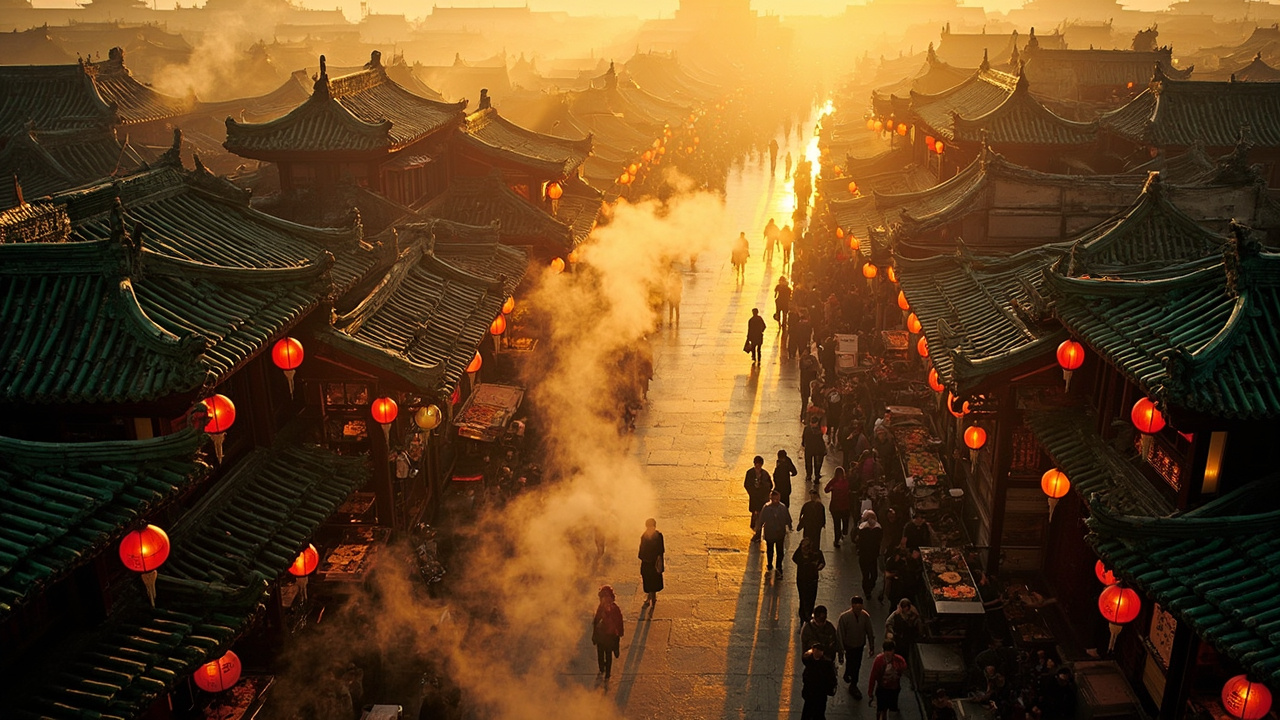
Top 10 Markets and Shopping Streets in China
From Shanghai's Bund to Beijing's Silk Street - 10 markets where foreigners can haggle, explore, and bring home authentic Chinese goods.
9 min read
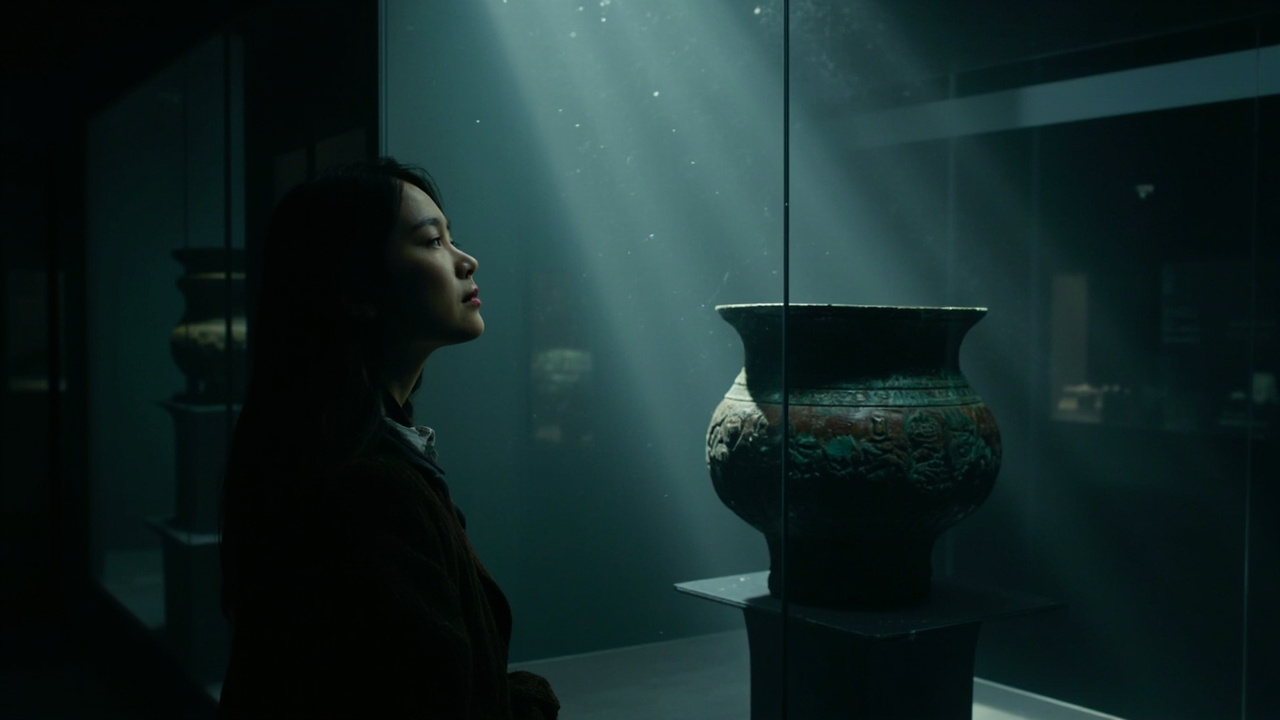
Top 10 Museums in China You Shouldn't Miss
China's museums span 5,000 years of civilization. These 10 - from the Palace Museum to Xi'an's terracotta gallery - are unmissable for culture lovers.
9 min read