
Chinese Tea Culture Guide
The first time someone handed me a tiny cup of tea in Chengdu, I did what every nervous foreigner does: I drank it in one gulp. The old man across the table…
Chinese Tea Culture Guide
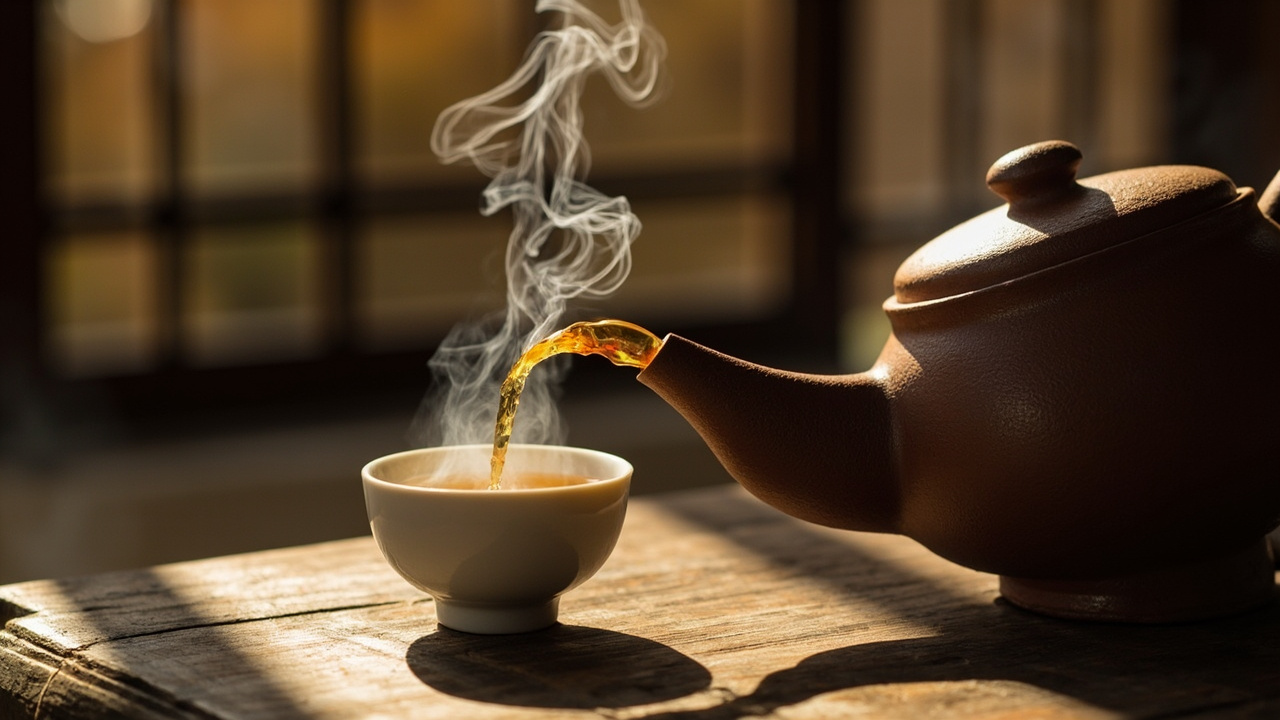
The first time someone handed me a tiny cup of tea in Chengdu, I did what every nervous foreigner does: I drank it in one gulp. The old man across the table winced, then laughed, then refilled it. I’d just committed a small crime against a ritual that’s been running for over a thousand years, and he was kind enough to teach me the correct way — smell first, sip slow, leave a little in the cup.
That was seven years ago. Since then I’ve drunk tea on a mountaintop in Fujian, in a Shanghai teahouse that cost me more than my dinner, and out of a thermos on a hard-sleeper train at 2 a.m. Tea in China isn’t a beverage. It’s a social contract. It’s how you say hello, how you close a deal, how you sit with someone you haven’t seen in a decade. If you’re planning your first trip and want to actually understand what you’re looking at, this guide is for you.
Quick answer
Chinese tea culture is free to experience almost anywhere — a cup of green tea at a local teahouse costs about $2–5 (¥15–35), and the major tea regions (Hangzhou, Fujian, Yunnan) are reachable by high-speed rail from Shanghai or Beijing in 1–4 hours. Most Western visitors can now enter China visa-free for 30 days (or use the 240-hour transit exemption), so a tea-focused trip is genuinely easy to plan in 2026. The single most useful tip: learn the word chá (茶) and accept any cup you’re offered — refusing is the one real faux pas.
The Short Version
If you only remember three things: drink tea where it’s grown, not where it’s sold to tourists; a proper gongfu session (small cups, repeated steeps) takes an hour and is worth every minute; and the famous “tea ceremony” you see advertised at $80 per person in Shanghai is mostly theater. The real thing costs almost nothing and happens in kitchens, offices, and roadside shacks. Skip the performance. Sit with the people.
How I Picked These
I’ve spent seven years drinking my way across China — not as a sommelier, but as a guy who kept getting invited to sit down. I’ve been to Longjing’s terraces three times, once in the rain with a farmer named Chen who wouldn’t let me pay for the leaves. I’ve done the tourist tea market in Beijing and the wholesale one in Guangzhou that no guidebook mentions. I’ve also made mistakes: paid $60 for “aged pu’er” that was probably two years old, and once offended a host by asking for sugar. This list is built from those trips, plus long conversations with tea shop owners, a tea-obsessed hostel receptionist in Kunming, and a taxi driver in Hangzhou who took me to his cousin’s farm instead of the tourist stop.
Comparison Table
| Rank | Place | Best For | Approx Cost (USD) | Time Needed | When to Go |
|---|---|---|---|---|---|
| 1 | Hangzhou (Longjing) | Green tea origins | $5–15 | Full day | Late March–April |
| 2 | Wuyishan, Fujian | Oolong & rock tea | $10–30 | 2 days | May or Sept–Oct |
| 3 | Chengdu teahouses | Everyday culture | $2–5 | Half day | Year-round |
| 4 | Kunming & Yunnan | Pu’er, ancient trees | $5–20 | 2–3 days | Oct–Nov |
| 5 | Beijing Maliandao | Buying & bargaining | Free to browse | 3 hours | Weekday morning |
| 6 | Shanghai teahouses | Atmosphere, old city | $8–25 | 2 hours | Weekday afternoon |
| 7 | Anxi, Fujian | Tieguanyin oolong | $10–25 | 1 day | Spring or autumn |
| 8 | Chaozhou, Guangdong | Gongfu ritual | $3–10 | Half day | Oct–Dec |
| 9 | Suzhou gardens | Tea with scenery | $5–12 | 2 hours | Spring/autumn |
| 10 | Taipei-style shops in Xiamen | Modern tea bars | $4–12 | 2 hours | Year-round |
1. Hangzhou — Where Longjing Green Tea Actually Comes From
I got off the bus at Longjing Village on a wet April morning and immediately smelled it: that green, slightly toasted, almost chestnut aroma drifting off the terraces. A farmer named Chen waved me over, poured hot water into a glass, dropped in a pinch of leaves, and told me to watch them sink. That’s the whole test for good Longjing — the leaves stand up, then settle.
Longjing (Dragon Well) is the most famous green tea in China, and this is where it’s grown, on the hills just west of Hangzhou’s West Lake. The best leaves are picked before Qingming Festival in early April, and the price difference between pre-Qingming and later harvest is enormous — sometimes 10x. You don’t need to buy the expensive stuff to enjoy it. Sitting on a terrace with a $4 glass of tea and watching pickers work is the actual experience.
📍 Location: Longjing Village, Xihu District, about 30 minutes southwest of West Lake 🎫 Entry fee: Free to walk the terraces; tea tastings $5–15 (¥35–110) 🕐 Opening hours: Farms generally 8 a.m.–6 p.m.; avoid Mondays when some shops rest 🚇 How to get there: Take Metro Line 1 to Longxiangqiao, then Bus 27 to Longjing Village. Or a taxi from West Lake, about $6 (¥45) ⏰ When to visit: Late March to mid-April for the harvest; weekday mornings are quietest 💡 Insider tips: Buy leaves directly from farmers, not the shops on the main road. Ask to smell before you buy. Cash still helps in the village even though Alipay and WeChat Pay work everywhere else.
Chen refused my money for the tea and instead sold me 100g of leaves for about $12. I still have some.
2. Wuyishan — The Rock Teas That Changed My Mind About Oolong
I used to think oolong was the boring middle child between green and black. Then I drank a proper yancha (rock tea) in Wuyishan, and I understood why people pay hundreds of dollars for a single tin. The tea grows in mineral-rich soil between dramatic stone peaks, and it tastes like it — smoky, mineral, with a sweetness that shows up three sips in.
Wuyishan is in northern Fujian, reachable by high-speed rail from Shanghai in about 3.5 hours. The town itself is small and easy to walk. The tea experience here is different from Hangzhou: it’s more serious, more ritualized, and the gongfu method (tiny cups, many steeps) is the standard. A session at a local teahouse will run you $10–30 depending on what you’re drinking.
📍 Location: Wuyishan City, Nanping, Fujian Province 🎫 Entry fee: Scenic area ticket about $20 (¥140); teahouses charge per tea 🕐 Opening hours: Scenic area 6:30 a.m.–6 p.m.; teahouses often open late 🚇 How to get there: High-speed rail to Wuyishan North Station, then taxi 15 minutes to town. See the China train guide for booking. ⏰ When to visit: May for spring tea, September–October for autumn; summer is brutally hot 💡 Insider tips: The “Da Hong Pao” you see advertised everywhere is mostly a blend — real single-bush Da Hong Pao is essentially unavailable. Ask for “rou gui” or “shui xian” instead, which are excellent and affordable. Bring cash for small shops.
A teahouse owner named Lin spent two hours with me, refusing to let me leave until I could identify the mineral aftertaste. I couldn’t. I bought the tea anyway.
3. Chengdu — Where Tea Is Just Life
The Heming Teahouse in Chengdu’s People’s Park is not subtle. It’s a giant, noisy, open-air room full of bamboo chairs, old men playing cards, and women walking around with long-spouted kettles refilling cups from a meter away. I paid about $3 for a bottomless cup of jasmine tea and sat there for four hours. Nobody rushed me. Nobody cared.
This is the version of Chinese tea culture that most tourists miss because they’re chasing “authentic ceremonies.” Chengdu doesn’t do ceremony. It does tea as a daily habit — the way Italians do espresso. If you want to understand how tea actually functions in Chinese life, come here. Bring a book. Plan to stay longer than you think.
📍 Location: Heming Teahouse, People’s Park, Qingyang District, Chengdu 🎫 Entry fee: Park is free; tea $2–5 (¥15–35) per cup, refills included 🕐 Opening hours: Roughly 7 a.m.–9 p.m. daily 🚇 How to get there: Metro Line 2 to People’s Park Station, Exit B, walk into the park ⏰ When to visit: Any weekday morning; weekends are packed with locals 💡 Insider tips: You can bring your own snacks. Ear cleaning is offered for about $4 — say yes once. Tipping isn’t expected. English is rare here, so have a translation app and SIM ready.
An old man named Liu taught me a Sichuan card game I still don’t understand. I lost every hand and he bought me more tea.
4. Kunming and Yunnan — Pu’er, the Tea That Ages
Yunnan is where tea gets weird, in the best way. Pu’er is fermented, sometimes for decades, and it tastes like wet earth and old libraries. I didn’t get it at first. Then a shop owner in Kunming poured me a 15-year-old sheng pu’er, and something clicked.
Kunming is the gateway to Yunnan’s tea country, and the city itself has a great tea market near the train station. But the real magic is further out — in Menghai, Xishuangbanna, and the ancient tea forests where trees are hundreds of years old. You can do a day trip or a multi-day trek. Prices range wildly: a decent young pu’er cake is $10–20, while aged ones run into the hundreds.
📍 Location: Kunming tea market, near Kunming Railway Station; deeper trips to Xishuangbanna 🎫 Entry fee: Market free; tastings often free if you’re polite 🕐 Opening hours: Market 9 a.m.–7 p.m.; some shops close Sundays 🚇 How to get there: Fly or high-speed rail to Kunming; the market is a short taxi from the station ⏰ When to visit: October–November for the best weather and post-harvest activity 💡 Insider tips: Never buy pressed cakes without tasting first. “Ancient tree” (gushu) labels are often fake — ask for the harvest year and region. Bring small bills.
A shop owner named Zhao let me try six teas and then sold me a cake for $18 that I’m still drinking two years later.
5. Beijing Maliandao — The Wholesale Tea Market
Maliandao is not pretty. It’s a sprawling wholesale market in southwest Beijing with hundreds of shops, fluorescent lighting, and zero atmosphere. It’s also where you’ll find the best prices and the widest selection in the capital. I came here on a Tuesday morning and spent three hours just walking.
This is a buying trip, not a cultural experience. But if you want to bring tea home, this is where you do it. Vendors expect bargaining. Start at half the asking price. Bring a Chinese-speaking friend or a translation app. The green teas from the south, oolongs from Fujian, and pu’er from Yunnan are all here, often cheaper than at the source.
📍 Location: Maliandao Tea Market, Xicheng District, Beijing 🎫 Entry fee: Free 🕐 Opening hours: 9 a.m.–6 p.m., most shops closed Mondays 🚇 How to get there: Metro Line 7 to Wanzi Station, Exit A, walk 10 minutes ⏰ When to visit: Weekday mornings; avoid weekends and holidays 💡 Insider tips: Bring cash for the best deals. Ask to taste before buying. Don’t buy the first thing you like — walk the whole market first. If you’re new to Beijing, pair this with a trip to the nearby Temple of Heaven.
A vendor named Wang gave me a 20% discount after I complimented his tea setup. Small talk pays.
6. Shanghai Teahouses — Atmosphere Over Authenticity
Shanghai’s teahouses are expensive and a bit performative, and I still love them. The one in Yu Garden, in the old city, is the classic tourist stop — $15–25 for a tea set, plus a view of the gardens. It’s not where locals drink tea. It’s where you go once, for the photos, and that’s fine.
The better move is the smaller teahouses tucked into the French Concession, where you’ll pay $8–12 for a proper gongfu session and actually learn something. These places are quieter, the staff usually speak some English, and you can sit for two hours without anyone rushing you. Shanghai is the easiest city in China for a first tea experience because everything is set up for foreigners.
📍 Location: Yu Garden teahouse (Huangpu District) or French Concession spots near Wukang Road 🎫 Entry fee: $8–25 (¥55–175) depending on tea and location 🕐 Opening hours: Generally 10 a.m.–10 p.m. 🚇 How to get there: Metro Line 10 to Yuyuan Garden Station, Exit 1, for Yu Garden ⏰ When to visit: Weekday afternoons; Yu Garden is mobbed on weekends 💡 Insider tips: Yu Garden teahouse is a one-time thing — do it, then move on. For real tea, ask your hotel for a local recommendation. English is widely spoken in Shanghai, so this is a good first stop.
A receptionist at my hostel in Shanghai drew me a map to her favorite teahouse. It was better than any guidebook pick.
7. Anxi, Fujian — The Home of Tieguanyin
Anxi is where Tieguanyin oolong comes from, and it’s a small, quiet county that most tourists never visit. I went because a tea seller in Xiamen told me I had to. He was right. The hills are covered in tea bushes, the air smells green, and the local farmers will happily sit you down for a tasting that lasts an hour.
This is a working tea region, not a tourist one. There’s almost no English, and you’ll need a translation app. But the tea is extraordinary, and the prices are a fraction of what you’d pay in a city. A good Tieguanyin here costs $10–25 per 100g, versus $30–60 in Shanghai.
📍 Location: Anxi County, Quanzhou, Fujian Province 🎫 Entry fee: Free; tastings usually free or $3–5 🕐 Opening hours: Farms operate daylight hours; no fixed schedule 🚇 How to get there: High-speed rail to Quanzhou, then bus or taxi about 1.5 hours to Anxi ⏰ When to visit: Spring (April–May) or autumn (September–October) harvests 💡 Insider tips: Learn the phrase “wǒ xiǎng mǎi chá” (I want to buy tea). Bring cash. Don’t expect restaurants — eat before you go.
A farmer named Wu poured me nine steeps of the same tea and explained each one. I understood maybe half. It was enough.
8. Chaozhou, Guangdong — The Gongfu Capital
If you want to see gongfu tea done properly, go to Chaozhou. This small city in Guangdong has turned tea into a full ritual — tiny clay pots, precise water temperatures, and a rhythm that feels almost meditative. I sat in a shop for two hours and watched the owner make tea for himself, alone, with total focus.
Chaozhou is also a great food city, which helps. The tea here is mostly dancong oolong, grown in the nearby Phoenix Mountains, and it’s floral, complex, and unlike anything else in China. A session at a local shop costs almost nothing — $3–10 — and the owners are usually happy to teach.
📍 Location: Chaozhou Old Town, Xiangqiao District 🎫 Entry fee: Free; tea sessions $3–10 (¥20–70) 🕐 Opening hours: Shops generally 9 a.m.–9 p.m. 🚇 How to get there: High-speed rail to Chaoshan Station, then taxi 30 minutes to Old Town ⏰ When to visit: October–December for cool, dry weather 💡 Insider tips: Watch how the water is poured — high pour to cool, low pour to serve. Don’t add milk or sugar. The Old Town is walkable and safe at night.
The shop owner, a woman named Huang, didn’t speak a word of English but taught me the entire ritual with hand gestures. Best teacher I’ve had.
9. Suzhou — Tea in the Gardens
Suzhou’s classical gardens are UNESCO sites, and most of them have a teahouse tucked inside. Drinking tea in the Humble Administrator’s Garden on a spring morning, with the willows reflected in the pond, is one of those experiences that sounds cliché until you’re actually there.
The tea itself isn’t the point here — it’s the setting. Suzhou is 30 minutes from Shanghai by high-speed rail, making it an easy day trip. The gardens charge admission ($10–15), and the teahouses inside charge separately ($5–12). Go early. By 10 a.m. the tour groups arrive and the atmosphere evaporates.
📍 Location: Humble Administrator’s Garden, Gusu District, Suzhou 🎫 Entry fee: Garden $10–15 (¥70–110); tea $5–12 extra 🕐 Opening hours: Gardens 7:30 a.m.–5:30 p.m.; teahouses shorter hours 🚇 How to get there: High-speed rail from Shanghai to Suzhou Station, then Metro Line 4 to Beisita, Exit 3 ⏰ When to visit: Spring or autumn, right at opening 💡 Insider tips: Buy garden tickets online in advance — they sell out. The teahouse in the Master of the Nets Garden is quieter. Bring your passport for ticket pickup.
I spilled a cup on my notebook here and the tea stain is still on the page. I’m keeping it.
10. Xiamen — Modern Tea Bars and the Taiwanese Influence
Xiamen sits across the strait from Taiwan, and its tea scene reflects that — modern tea bars, cold-brewed oolongs, and a younger crowd. It’s a good contrast to the traditional teahouses elsewhere. I spent an afternoon in a minimalist shop near Zhongshan Road drinking a cold-brewed Tieguanyin that tasted like nothing I’d had before.
This is where tea culture is heading in China: less ritual, more experimentation. If you’re a coffee person who’s skeptical about tea, start here. The shops are English-friendly, the prices are reasonable ($4–12), and nobody will judge you for not knowing the rules.
📍 Location: Zhongshan Road area and Shapowei, Siming District, Xiamen 🎫 Entry fee: Free; drinks $4–12 (¥30–85) 🕐 Opening hours: Most shops 10 a.m.–10 p.m. 🚇 How to get there: Fly or high-speed rail to Xiamen; shops are walkable from the old town ⏰ When to visit: Year-round; spring and autumn are most comfortable 💡 Insider tips: Try cold-brewed oolong even if you think you don’t like tea. Ask for recommendations — staff here are used to foreigners. Xiamen is also a great base for Fujian tea country.
A barista named Chen made me a tea flight of five oolongs and explained each one in English. I finally understood the difference between light and dark roast.
FAQ summary
Chinese tea culture is accessible to any first-time visitor and costs almost nothing — expect $2–5 for a cup at a local teahouse and $10–30 for a proper gongfu tasting. The best tea regions (Hangzhou, Wuyishan, Yunnan) are reachable by high-speed rail, and most Western visitors can enter China visa-free for 30 days in 2026. The two things to remember: accept any tea you’re offered, and skip the expensive “ceremony” shows in favor of sitting with locals.
FAQ
Q: Do I need to know Chinese to enjoy tea culture in China? A: No, but a translation app helps a lot outside big cities like Shanghai and Beijing. In Hangzhou, Chengdu, and Xiamen, you’ll find some English. In Anxi or rural Yunnan, you’ll rely on gestures and apps. Learn “chá” (tea) and “xièxie” (thank you) and you’ll be fine.
Q: How much should I expect to pay for good tea to bring home? A: A solid 100g of Longjing runs $15–40 (¥100–280), Tieguanyin $10–25, and pu’er cakes $10–50 for young ones. Anything under $5 per 100g is likely low quality. Buy from farmers or wholesale markets like Maliandao in Beijing for the best value.
Q: Is it rude to refuse tea if someone offers it? A: Yes, generally. Accepting and taking at least a sip is the polite move. If you genuinely can’t drink more, leave the cup partially full — that signals you’re done without causing offense. Refusing outright is the one real faux pas.
Q: Can I drink the tap water used to make tea? A: Don’t drink tap water anywhere in China. Tea is always made with boiled water, so it’s safe. For bottled water, buy from convenience stores — about $0.40 (¥3) per bottle. Hotels usually provide a kettle.
Q: Do I need a VPN to use tea shop apps or maps? A: Yes, if you want Google Maps, WhatsApp, or Instagram. Set up a VPN before you arrive — they’re hard to download once you’re in China. WeChat and Alipay work fine without one. See the internet guide for setup details.
Q: What’s the best season for a tea-focused trip? A: Late March to April for green tea harvests (Hangzhou), May and September–October for oolong (Fujian), and October–November for pu’er (Yunnan). Summer is hot and crowded; winter is quiet but limited for fresh tea.
Q: Do I need a visa for a tea trip in 2026? A: Most Western passport holders can enter China visa-free for up to 30 days as of 2026, or use the 240-hour transit exemption if passing through. Check the visa guide for your specific nationality before booking.
The Honest Wrap-up
This guide is for the traveler who wants to actually drink tea in China, not just photograph it. If you’re looking for a luxury tea ceremony with English narration and a gift shop, you’ll find it — but it’s not here. If you’re willing to sit on a plastic stool in Chengdu for four hours, or get slightly lost in a Fujian tea village, this list will serve you well.
One last thing: don’t overthink it. The best cup of tea I’ve had in seven years cost me 50 cents and came from a thermos on a train. Book the flight, learn the word for tea, and say yes when someone offers you a cup. That’s the whole guide, really.
More guides you may like

Top 10 Bridges in China
China's bridges are engineering marvels spanning mountains, rivers, and seas. Here are 10 of the most spectacular, from ancient stone to modern steel.
8 min read

Top 10 Buddhist Sites in China
From the Leshan Giant Buddha to the Dunhuang Caves, these 10 Buddhist sites represent 2,000 years of China's spiritual heritage.
9 min read
Top 10 Day Trips from Beijing You Shouldn't Miss
Beijing is packed with history, but some of China's best experiences are just a few hours away. Here are 10 day trips that will transform your visit.
9 min read
Top 10 Hidden Gems in China Off the Beaten Path
Beyond the Great Wall and Terracotta Warriors, China has incredible hidden destinations few tourists ever reach. Here are 10 underrated gems worth the detour.
9 min read
Top 10 Markets and Shopping Streets in China
From Shanghai's Bund to Beijing's Silk Street - 10 markets where foreigners can haggle, explore, and bring home authentic Chinese goods.
9 min read
Top 10 Museums in China You Shouldn't Miss
China's museums span 5,000 years of civilization. These 10 - from the Palace Museum to Xi'an's terracotta gallery - are unmissable for culture lovers.
9 min read