
Huangshan Mountain Guide
The old man at the cable car base station looked at my daypack, then at my legs, then back at my daypack. He said something to his wife in Anhui dialect.…
Huangshan Mountain Guide
The old man at the cable car base station looked at my daypack, then at my legs, then back at my daypack. He said something to his wife in Anhui dialect. She laughed. Then he turned to me and said, in slow Mandarin I could just barely follow: “You know it’s 60,000 steps, right?”
I did not know it was 60,000 steps. I found out over the next two days, one granite staircase at a time.
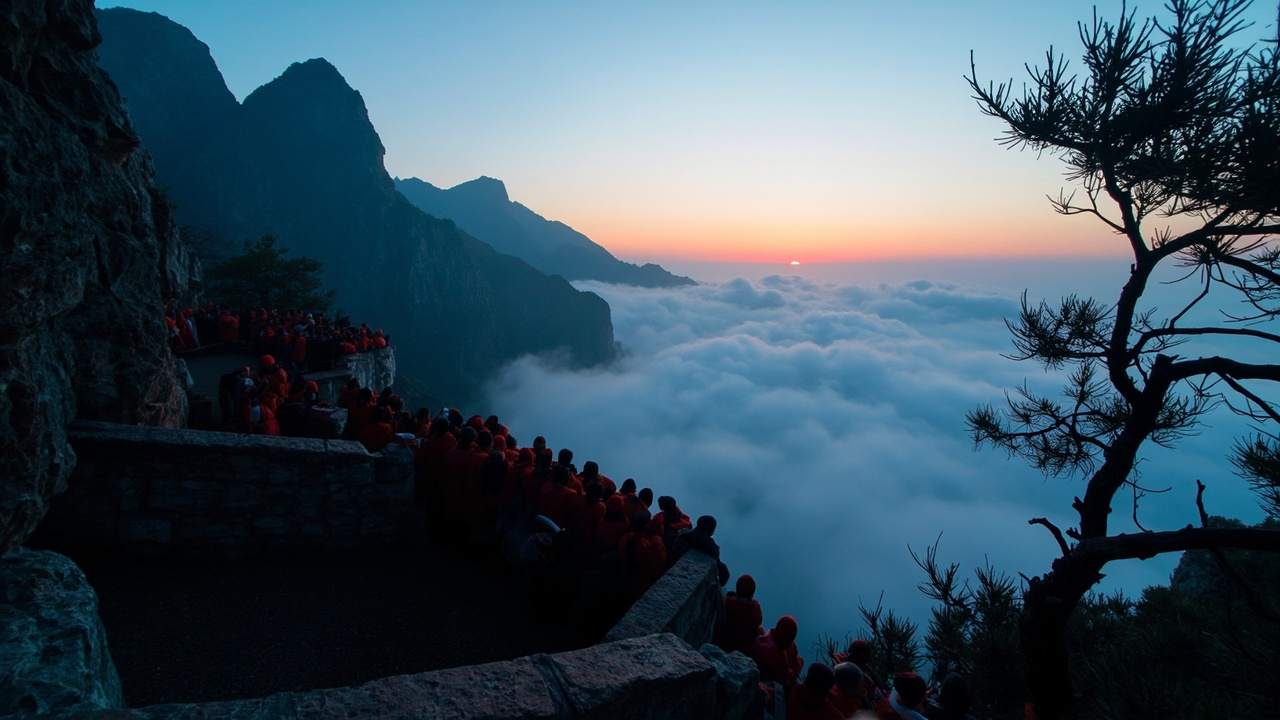
Huangshan (Yellow Mountain) is the range that launched a thousand Chinese ink paintings — literally. The twisted pines growing out of bare rock, the seas of cloud that roll in below the peaks, the granite pillars that look like they were carved by a god with a chisel and a grudge. This is the mountain that Chinese poets have been writing about for 1,200 years, and it’s the mountain that every Chinese person you meet will tell you is the most beautiful place in their country. They are, annoyingly, correct.
But here’s what the postcards don’t tell you: Huangshan is also a logistical puzzle. There are three cable cars, four main peak areas, two villages at the base, a sunrise that requires a 4:30am start, and a hotel situation that will either cost you $30 or $300 depending on how far in advance you book. Getting it wrong means you spend your one clear day in fog, or you blow out your knees on a descent you didn’t plan for, or you pay triple for a bed because you showed up on a Saturday in October.
This guide is what I wish someone had handed me before my first trip up. I’ve been back three times now — once in spring, once in deep winter, once in a monsoon that taught me what “cloud sea” actually means. Here’s how to do it properly.
Quick answer
Huangshan is a 1,864m granite mountain range in Anhui Province, about 3 hours by high-speed train from Shanghai or 4.5 hours from Beijing, and the classic visit is 2 days / 1 night staying at a summit hotel to catch sunrise. Foreign visitors can enter China visa-free for up to 30 days under the current visa-free transit and entry policy, and the mountain itself costs roughly $27–$33 (¥190–¥230) for the entry ticket plus $11–$22 (¥80–¥160) per cable car segment. Best months are April–May and September–October; avoid Chinese public holidays at all costs.
The Short Version
If you only have 90 seconds: fly or train into Huangshan North Station, bus to Tangkou at the mountain base, take the Yungu Cable Car up the east side, sleep at a summit hotel (book 6+ weeks ahead), wake at 4:30am for sunrise at Bright Summit or Lion Peak, walk the West Sea Grand Canyon loop if your knees can take it, then descend via the Yuping Cable Car to see the famous Greeting Pine. Two days minimum. Three if you want to actually enjoy it. Skip the weekend crowds if you possibly can.
How I Picked These
I’ve been up Huangshan three times — April 2023, January 2024, and a soggy October 2025 trip where I learned that “cloud sea” is a generous term for “you cannot see your own hand.” I’ve stayed at four different summit hotels, eaten instant noodles at three different peak canteens, and once got stuck behind a tour group of 200 middle schoolers on the Hundred Step Ladder for 40 minutes. My Mandarin is bad but functional, which is how I’ve had long conversations with cable car operators, guesthouse owners in Tangkou, and one memorable taxi driver named Mr. Wu who insisted on driving me to the train station for free after I helped him figure out WeChat Pay on his new phone. Everything below is from those trips, plus a lot of cross-checking with the official Huangshan Scenic Area website (which updates prices annually).
Comparison Table
| Rank | Area / Peak | Best For | Approx Cost (USD) | Time Needed | When to Go |
|---|---|---|---|---|---|
| 1 | Bright Summit (Guangming Ding) | Sunrise, 360° views | Free (with entry) | 1–2 hrs | Dawn, clear days |
| 2 | West Sea Grand Canyon | Dramatic gorges, fewer crowds | Free (with entry) | 3–5 hrs | Mid-morning |
| 3 | Greeting Pine (Ying Ke Song) | The iconic photo | Free (with entry) | 45 min | Early morning |
| 4 | Lion Peak (Shizi Feng) | Sunrise alternative | Free (with entry) | 1 hr | Dawn |
| 5 | Begin-to-Believe Peak | Quieter trails, pine forests | Free (with entry) | 2 hrs | Afternoon |
| 6 | Celestial Capital Peak | Hardcore staircase, Lotus Peak views | Free (with entry) | 3–4 hrs | Mid-day, dry weather |
| 7 | Yungu Cable Car | Fastest ascent (east side) | $11–$14 (¥80–¥100) | 8 min | Before 9am |
| 8 | Yuping Cable Car | Ascent/descent near Greeting Pine | $11–$14 (¥80–¥100) | 6 min | Before 10am |
| 9 | Taiping Cable Car | Northern access, fewer crowds | $11–$14 (¥80–¥100) | 10 min | Anytime |
| 10 | Tangkou Town (base) | Budget lodging, gear, food | Free | Half day | Night before ascent |
Bright Summit — Where You’ll Freeze and Cry a Little
I got to Bright Summit at 4:50am in January, in the dark, wearing every piece of clothing I owned. There were already 300 people there. A teenager next to me was eating a cup of instant noodles and I have never been more jealous of another human being in my life.
Bright Summit (Guangming Ding) is the second-highest peak in the range at 1,840m and the single best sunrise spot on Huangshan. It’s a broad, flat-ish granite platform, which means it can hold a few hundred people without anyone getting pushed off — a real concern on some of the narrower peaks. The view faces east across a valley that, on a good morning, fills with cloud at exactly the moment the sun cracks the horizon. On a bad morning, you see grey. On a very bad morning, you see the back of someone’s head.
Why it’s special: this is the spot where the “sea of clouds” (云海) phenomenon is most reliably visible, because the peak sits above the inversion layer on clear mornings. Chinese photographers will camp here overnight in winter to get the shot. You don’t need to go that far, but you do need to be there before 5am.
📍 Location: Central summit area, ~20 min walk from Beihai Hotel 🎫 Entry fee: Included in the main scenic area ticket ($27–$33 / ¥190–¥230) 🕐 Opening hours: 24 hours, but sunrise viewing is the point 🚕 How to actually get there: From Yungu Cable Car upper station, follow signs to Beihai Hotel (25 min), then continue on the well-marked path to Bright Summit (another 20 min). All paved stone steps. ⏰ When to visit: Sunrise, obviously. Arrive 45 min early in summer, 60 min early in winter. Weekdays are noticeably emptier than weekends. 💡 Insider tips: Bring a headlamp — the paths are unlit. Wear gloves; the granite railing is freezing. There’s a small canteen near the summit selling hot tea for ¥20 ($3), which is the best ¥20 you will ever spend. I met a retired teacher from Hefei up there who had been to Bright Summit 14 times. She said the 4th time was the best. I did not ask what happened on trips 1 through 3.
West Sea Grand Canyon — The Best Walk on the Mountain
The West Sea Grand Canyon almost broke me. Not because it’s dangerous — it’s not, it’s a well-maintained loop of stone stairs — but because “loop” is a lie. It’s a descent of about 600 vertical meters, then a climb back up. My calves filed a formal complaint.
But it’s worth every step. This is the part of Huangshan that feels genuinely wild, even with handrails. You walk along the edge of a gorge that drops away into cloud, past pines that have been growing sideways out of cliff faces for centuries, through narrow passages where the rock is close enough to touch on both sides. The crowds thin out dramatically once you’re past the first viewing platform — most tour groups turn back at the entrance.
Why it’s special: it’s the only major trail on Huangshan where you get real solitude, real exposure, and the sense that you’re walking through a Chinese landscape painting rather than looking at one. The “First Ring” and “Second Ring” sections are the highlights.
📍 Location: Western side of the scenic area, accessible from the Beihai or Paiyun areas 🎫 Entry fee: Included in the main ticket 🕐 Opening hours: Daylight only; the trail closes in winter (usually December–March) due to ice 🚕 How to actually get there: From Beihai Hotel, walk west toward Paiyun Pavilion (40 min). The canyon entrance is signposted. Alternatively, take the Taiping Cable Car up and walk in from the west. ⏰ When to visit: Mid-morning, after the sunrise crowd has dispersed. Avoid after 2pm if you’re not confident in your fitness — you don’t want to be climbing out in fading light. 💡 Insider tips: There’s a monorail option (¥100 / $14) that skips the hardest section if your knees are shot. Bring more water than you think you need — there’s only one refill point. Trekking poles are genuinely useful here, not just for show. I passed a German couple on the Second Ring who had clearly not read any of the warnings. The woman was in ballet flats. I think about them sometimes.
Greeting Pine — The Photo Everyone Takes
The Greeting Pine (Ying Ke Song) is the single most famous tree in China. It’s on the back of the ¥10 note. It has its own security guard. It is, honestly, a bit underwhelming in person — it’s a pine tree, growing out of a rock, leaning slightly. But you kind of have to see it.
The tree is roughly 1,000 years old and has survived fires, storms, and roughly 40 million selfie-takers. It grows out of a granite crevice on the eastern slope of Lotus Peak, with two main branches extending outward like arms in welcome. The Chinese name literally means “welcoming guest pine.”
Why it’s special: it’s a pilgrimage site for domestic tourists, and watching the crowd around it is half the experience. Grandmothers in matching tour-group hats. Teenagers doing TikTok dances. A guy with a professional camera setup who has clearly been waiting for the light for two hours.
📍 Location: Yuping Scenic Area, near the Yuping Cable Car upper station 🎫 Entry fee: Included in the main ticket 🕐 Opening hours: Daylight hours; the viewing platform is small and gets congested 🚕 How to actually get there: Take the Yuping Cable Car up (6 min), then walk 10 min downhill. Or walk up from the Yuping Temple area (about 1 hr of stairs). ⏰ When to visit: Early morning before 8am, or late afternoon after 4pm. Mid-day is a scrum. 💡 Insider tips: The best photo angle is from the lower platform, not the main viewing deck. There’s a second, less-famous pine called “Seeing-Off Pine” 200m further along the trail that’s arguably prettier and has zero crowds. I watched an elderly couple argue for 10 minutes about whether the tree was “the real one.” It is. There’s only one.
Lion Peak — Sunrise Without the Crowd
Lion Peak (Shizi Feng) is the sunrise spot that locals use when Bright Summit is too crowded. It’s lower (1,690m) and the view is slightly narrower, but on a good morning it’s just as spectacular and you’ll have maybe 40 people around you instead of 400.
The peak sits above the Beihai area, and the walk up takes about 25 minutes from the Beihai Hotel. The trail passes through a section of forest that, in autumn, turns a deep rust red. In winter, it’s a tunnel of frost.
Why it’s special: it’s the best “quiet sunrise” option on the mountain, and it’s also a great spot for late-afternoon light if you’re staying at Beihai. The rock formations around the peak — including the famous “Monkey Watching the Sea” — are visible from the summit.
📍 Location: Beihai Scenic Area, north-central part of the mountain 🎫 Entry fee: Included in the main ticket 🕐 Opening hours: 24 hours 🚕 How to actually get there: From Beihai Hotel, follow signs uphill for 25 min. Well-marked. ⏰ When to visit: Sunrise, or 1 hr before sunset. Weekday mornings are quietest. 💡 Insider tips: The path is steep and uneven in places — bring a headlamp if you’re going up in the dark. There’s a small pavilion partway up where you can shelter from wind. A man from Guangzhou told me he’d been coming to Lion Peak every year for 20 years. He said the mountain “never looks the same twice.” I believe him now.
Begin-to-Believe Peak — The Quiet One
Begin-to-Believe Peak (Shixin Feng) has the best name on the mountain and the fewest visitors. It’s a 1,668m peak in the northern section, and the trail up passes through some of the oldest pine forest on Huangshan. The name comes from a legend about a monk who didn’t believe the mountain could be so beautiful until he saw it himself.
This is the peak I’d send someone to if they told me they wanted to “get away from tourists.” It’s not empty — nothing on Huangshan is empty — but it’s a different pace. Fewer selfie sticks, more silence.
Why it’s special: the pine trees here are the classic Huangshan shape — twisted, wind-bent, growing out of impossible rock crevices. The trail is less maintained than the main routes, which means it feels more like hiking and less like walking through a theme park.
📍 Location: Northern scenic area, accessible from the Beihai or Shilin areas 🎫 Entry fee: Included in the main ticket 🕐 Opening hours: Daylight hours 🚕 How to actually get there: From Beihai Hotel, walk north for about 45 min. Signposted but easy to miss — look for the smaller trail branching off the main path. ⏰ When to visit: Afternoon, when most day-trippers have started descending. 💡 Insider tips: The trail has some sections without handrails — not dangerous, but pay attention. There’s a small viewing platform at the top with a bench, which is rare on Huangshan. I ate a hard-boiled egg here that I’d bought in Tangkou for ¥3. Best egg of my life. Context matters.
Celestial Capital Peak — For People Who Like Stairs
Celestial Capital Peak (Tiandu Feng) is the third-highest peak at 1,810m and the one with the most dramatic approach. The final section involves a near-vertical staircase cut into the rock face, with chain handrails and a one-way traffic system. It’s not technically difficult, but it is genuinely exposed.
I did this on a dry October day and was fine. I would not do it in rain, snow, or high wind. The peak closes periodically for maintenance and in bad weather — check at the base before committing.
Why it’s special: it’s the most “adventurous” of the main peaks, and the views from the top stretch across to Lotus Peak (the highest, currently closed to hikers for ecological recovery). The staircase itself is a piece of engineering history — carved by hand in the Tang dynasty and rebuilt several times since.
📍 Location: Southeastern part of the scenic area, near the Yuping Cable Car 🎫 Entry fee: Included in the main ticket 🕐 Opening hours: Daylight hours; closed in winter and during bad weather 🚕 How to actually get there: From the Yuping Cable Car upper station, walk 30 min toward the peak. The trail is signposted. ⏰ When to visit: Mid-day on a dry weekday. Avoid weekends entirely. 💡 Insider tips: The staircase is one-way uphill in peak season — you descend via a different route. Wear shoes with grip. Don’t bring a large backpack; you’ll need both hands. A woman in front of me on the staircase stopped halfway up and said, in English, “I did not sign up for this.” She made it to the top. I saw her at the summit, laughing.
Yungu Cable Car — The One You’ll Probably Take Up
The Yungu Cable Car is the eastern ascent, and it’s the one most foreign visitors end up on because it connects to the most popular summit hotels. It’s an 8-minute ride that saves you about 3 hours of stair climbing.
The cable car itself is modern, safe, and runs frequently. In peak season, expect a 30–60 minute queue at the base station. In winter, it can close for wind. Check the official Huangshan WeChat account (search “黄山” in WeChat) for real-time status.
Why it’s special: it’s not special, honestly. It’s a cable car. But it’s the difference between arriving at the summit fresh and arriving at the summit destroyed, and that matters a lot on a 2-day trip.
📍 Location: Eastern base, near Tangkou town 🎫 Entry fee: $11–$14 (¥80–¥100) one-way 🕐 Opening hours: Roughly 7am–4:30pm, varies by season 🚕 How to actually get there: From Tangkou, take the scenic area shuttle bus (¥19 / $3) to the Yungu station. From Huangshan North Railway Station, bus to Tangkou takes ~50 min. ⏰ When to visit: Before 9am to beat the tour groups. 💡 Insider tips: Buy your ticket through the official WeChat mini-program to skip the counter queue. The cable car does not accept cash — you’ll need Alipay or WeChat Pay set up before you arrive. I rode up with a family from Manila who had not realized the mountain was this cold in April. They bought jackets at the summit shop for ¥280 each. Plan ahead.
Yuping Cable Car — The Scenic Descent
The Yuping Cable Car is the southern route, and it’s the one to take down if you want to see the Greeting Pine on your way out. It’s shorter than Yungu (6 min) and drops you near the Yuping Temple area, where shuttle buses wait to take you back to Tangkou.
The ride itself is dramatic — you’re suspended over a gorge with the Greeting Pine visible below you on the right side. Sit on the right if you can.
Why it’s special: it’s the most photogenic cable car ride on the mountain, and it pairs perfectly with a morning at Bright Summit and an afternoon at the Greeting Pine.
📍 Location: Southern base, near Yuping Temple 🎫 Entry fee: $11–$14 (¥80–¥100) one-way 🕐 Opening hours: ~7am–5pm, seasonal variation 🚕 How to actually get there: From the Greeting Pine, walk 15 min downhill to the upper station. From Tangkou, shuttle bus to the Yuping base station. ⏰ When to visit: Late afternoon on the way down, before the last shuttle buses leave (~5:30pm). 💡 Insider tips: The last shuttle bus from the base to Tangkou leaves around 6pm — don’t cut it close. If you miss it, taxis to Tangkou cost ¥100–¥150 ($14–$21). I once watched a man try to negotiate the cable car price with the operator. The operator did not negotiate. The man paid full price.
Taiping Cable Car — The Road Less Traveled
The Taiping Cable Car is the northern route, and it’s the one almost no foreign tourists use. It connects to the West Sea Grand Canyon area and is a good option if you’re staying at a northern summit hotel or want to approach the canyon from the west.
It’s a 10-minute ride, slightly longer than the others, and the views are arguably the best of the three because you’re crossing a deeper valley. The base station is at Songgu Temple, which is worth a quick look if you have time.
Why it’s special: it’s the quietest cable car, and it gives you access to a part of the mountain that most visitors never see. If you’re doing a 3-day trip, use this on day 2 to loop through the western side.
📍 Location: Northern base, near Songgu Temple 🎫 Entry fee: $11–$14 (¥80–¥100) one-way 🕐 Opening hours: ~7am–4:30pm 🚕 How to actually get there: From Tangkou, it’s a longer shuttle ride (~40 min) to the Taiping base. Most people access it from the summit side instead. ⏰ When to visit: Mid-morning, any season except deep winter (it closes more often for wind). 💡 Insider tips: The Songgu Temple area has a small teahouse where you can wait out bad weather. The shuttle from Taiping base back to Tangkou is less frequent than the others — check the schedule at the base station. A monk at Songgu Temple told me the mountain is “the same mountain, but everyone sees a different one.” I wrote it down. I still think about it.
Tangkou Town — Where You Sleep Before the Mountain
Tangkou is the gateway town at the base of Huangshan, and it’s where you’ll spend your first night unless you’re going straight up. It’s not pretty — it’s a strip of hotels, gear shops, and restaurants built for mountain traffic — but it’s functional and cheap.
I stayed at a family-run guesthouse here for ¥180 ($25) a night, including breakfast. The owner, Mrs. Chen, made me congee and pickled vegetables at 6am and refused to let me pay extra for the second bowl. She also lent me a walking stick that I returned two days later, slightly bent.
Why it’s special: it’s the cheapest place to sleep near the mountain, and it’s where you can buy any gear you forgot — gloves, headlamps, instant noodles, rain ponchos. Prices are reasonable and negotiable at the smaller shops.
📍 Location: At the eastern base of the scenic area, ~50 min by bus from Huangshan North Railway Station 🎫 Entry fee: Free 🕐 Opening hours: Always 🚕 How to actually get there: From Huangshan North Station, take the dedicated scenic-area bus (¥25 / $3.50, ~50 min). From Shanghai or Hangzhou, high-speed trains run to Huangshan North multiple times daily — see the China high-speed rail guide for booking tips. ⏰ When to visit: The night before your ascent. Arrive by 6pm so you can eat and sleep early. 💡 Insider tips: Buy your mountain entry ticket and cable car tickets online the night before — the WeChat mini-program is easiest. Bring cash for small shops; not all take Alipay. The town has an ATM near the main bus station. Mrs. Chen’s guesthouse is called “Yunhai Kezhan” — I have no idea if it’s on Booking.com. I found it by walking around.
FAQ summary
Huangshan is best done as a 2-day trip with one night at a summit hotel, entering via the Yungu Cable Car and exiting via Yuping. The mountain entry ticket is $27–$33 (¥190–¥230) and each cable car segment is $11–$14 (¥80–¥100). Foreign visitors can currently enter China visa-free for up to 30 days under the 2026 policy, but you’ll need Alipay or WeChat Pay set up before you arrive because the mountain is almost entirely cashless. Book summit hotels at least 6 weeks ahead, avoid Chinese public holidays, and bring more layers than you think you need.
FAQ
Q: Do I need a visa to visit Huangshan as a foreign tourist? A: Most foreign passport holders can currently enter China visa-free for up to 30 days under the 2026 policy — check the full visa-free transit rules for your nationality. If your country isn’t covered, apply for a standard tourist visa at least 3 weeks before your trip. Huangshan is in Anhui Province, which is fully covered under the visa-free scheme.
Q: How do I get to Huangshan from Shanghai or Beijing? A: From Shanghai, high-speed trains run to Huangshan North Station in about 3 hours (¥190–¥260 / $27–$37). From Beijing, it’s about 4.5–5 hours (¥550–¥700 / $77–$98). From the station, buses to Tangkou take 50 min. Book train tickets through the official 12306 app or Trip.com — you’ll need your passport number.
Q: How much does a Huangshan trip cost in total? A: For a 2-day trip from Shanghai, budget roughly $250–$400 (¥1,800–¥2,900) per person including train, one night at a summit hotel ($80–$200 depending on room type), entry ticket, cable cars, meals, and shuttle buses. Budget travelers who stay in Tangkou and hike up can do it for under $150.
Q: Can I pay with cash or card on the mountain? A: Almost no. The entire scenic area runs on WeChat Pay and Alipay — even the small canteens and the cable car ticket machines. Set up Alipay or WeChat Pay before you arrive, link an international card, and test it at a convenience store in Shanghai or Beijing first. Bring ¥200–¥300 cash as backup.
Q: Is English spoken on Huangshan? A: Rarely. Signage at major viewpoints is bilingual, but hotel staff, cable car operators, and restaurant workers generally speak only Mandarin. Download a translation app with offline Chinese (Google Translate works if your VPN is active; Pleco is better for text). Learn a few phrases — “duōshǎo qián” (how much) and “xièxie” (thanks) go a long way.
Q: Do I need a VPN or local SIM card? A: Yes to both, ideally. Google, WhatsApp, Instagram, and most Western apps are blocked in mainland China without a VPN — install and test yours before you fly. For data, a local China Unicom or China Mobile SIM is cheapest (~¥100 / $14 for 30GB), or use an eSIM from Airalo. See the China SIM and internet guide for setup details.
Q: What should I pack for Huangshan? A: Layers, always — summit temperatures are 8–12°C colder than the base, and wind chill on the peaks is brutal. Bring a headlamp for sunrise hikes, gloves, a rain shell (weather turns fast), trekking poles if you have knee issues, and 2 liters of water per person. Summit food is expensive and mediocre; instant noodles and snacks from Tangkou are your friend.
The Honest Wrap-up
This guide is for the traveler who wants to actually climb the mountain, not just photograph it from a cable car window. If you’re looking for a relaxed resort experience with a spa and a wine list, Huangshan is not that — it’s stone stairs, instant noodles, and 4:30am alarms. If you’re okay with that, it might be the best two days of your China trip.
Who it’s not for: anyone with serious knee or heart issues (the descents are no joke), anyone who hates crowds (there will be crowds), and anyone visiting during Chinese New Year or Golden Week (just don’t).
One last thing. When you’re standing at Bright Summit at 5:30am, freezing, surrounded by strangers, waiting for the sun — that’s the moment. Not the photos. Not the Greeting Pine. That quiet minute before the light comes up. Book the flight. Bring the gloves. Go.
More guides you may like
Top 10 Bridges in China
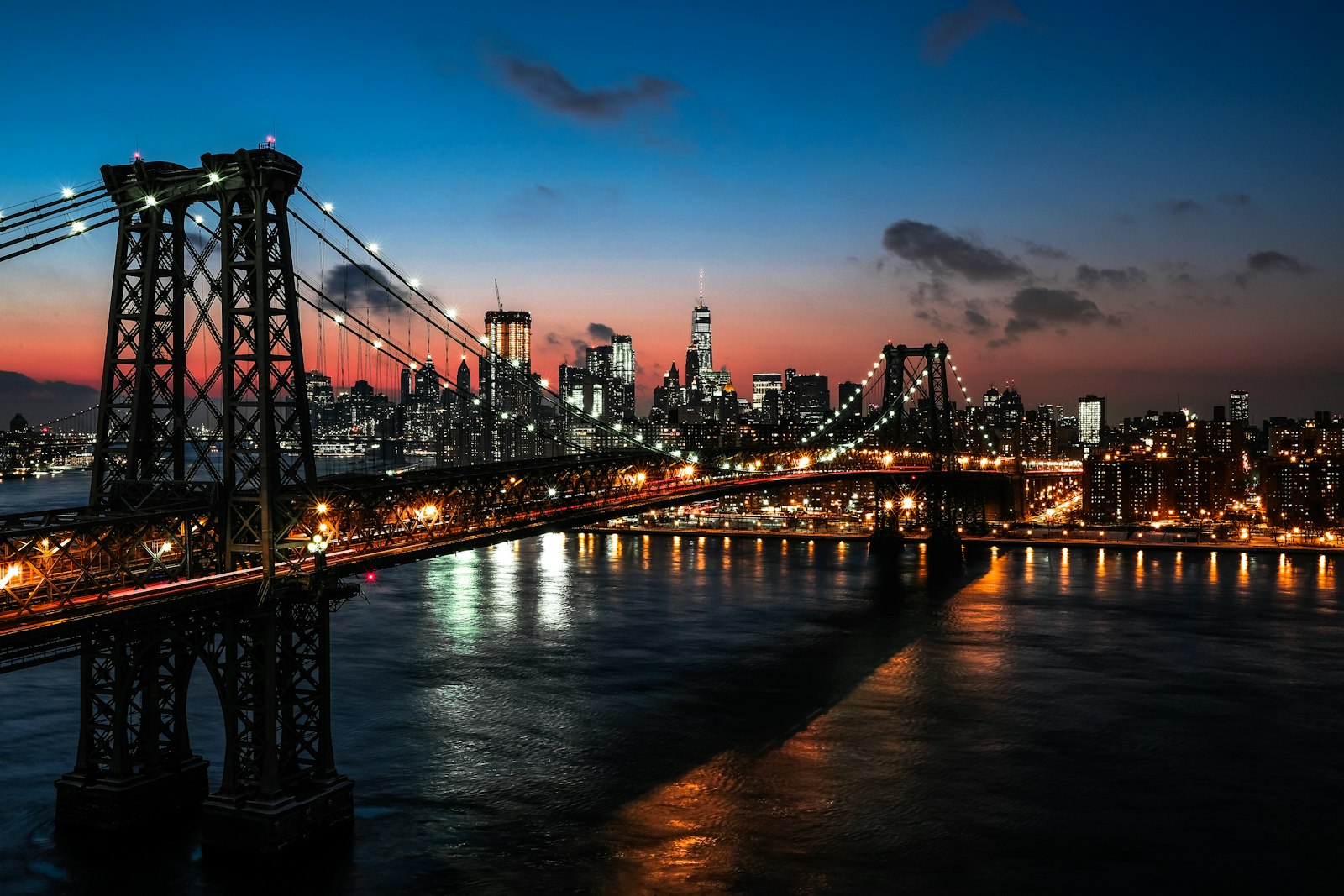
China's bridges are engineering marvels spanning mountains, rivers, and seas. Here are 10 of the most spectacular, from ancient stone to modern steel.
8 min read

Top 10 Buddhist Sites in China
From the Leshan Giant Buddha to the Dunhuang Caves, these 10 Buddhist sites represent 2,000 years of China's spiritual heritage.
9 min read
Top 10 Day Trips from Beijing You Shouldn't Miss
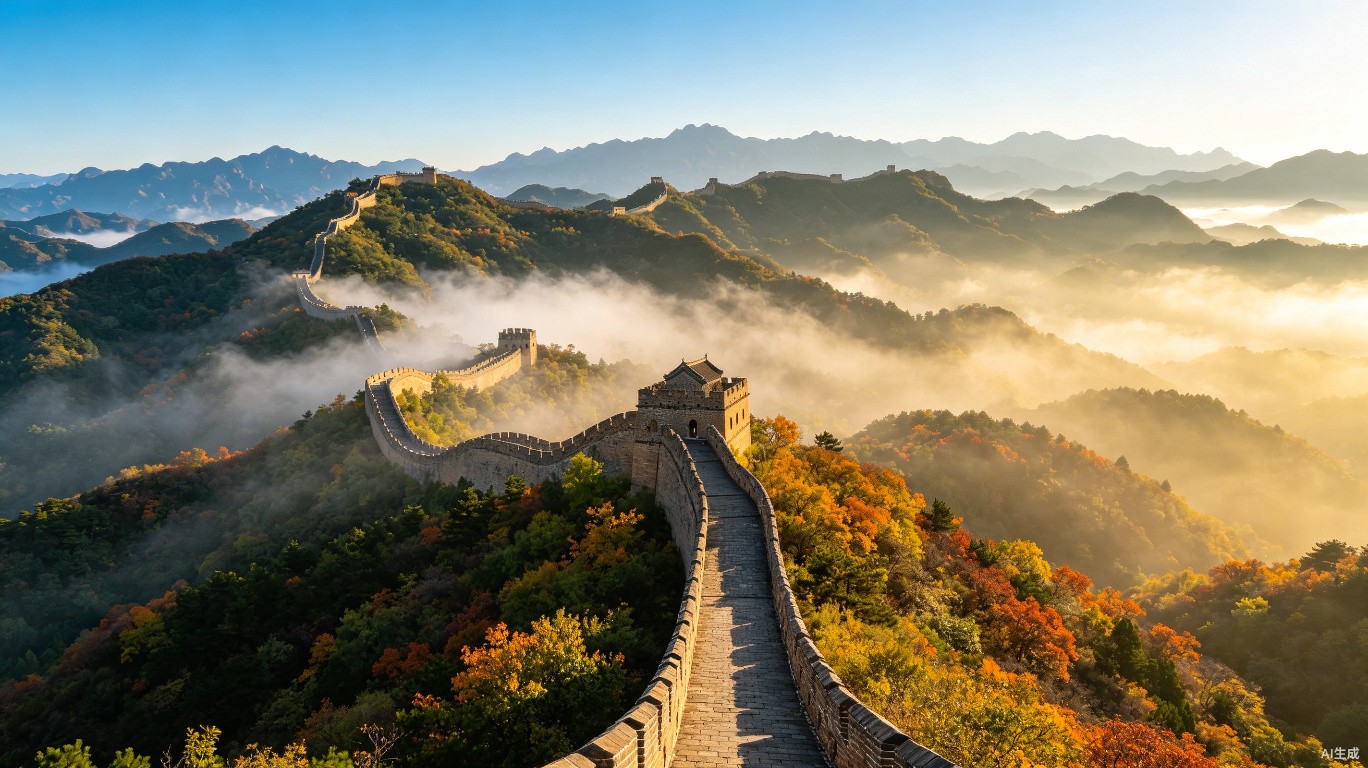
Beijing is packed with history, but some of China's best experiences are just a few hours away. Here are 10 day trips that will transform your visit.
9 min read
Top 10 Hidden Gems in China Off the Beaten Path
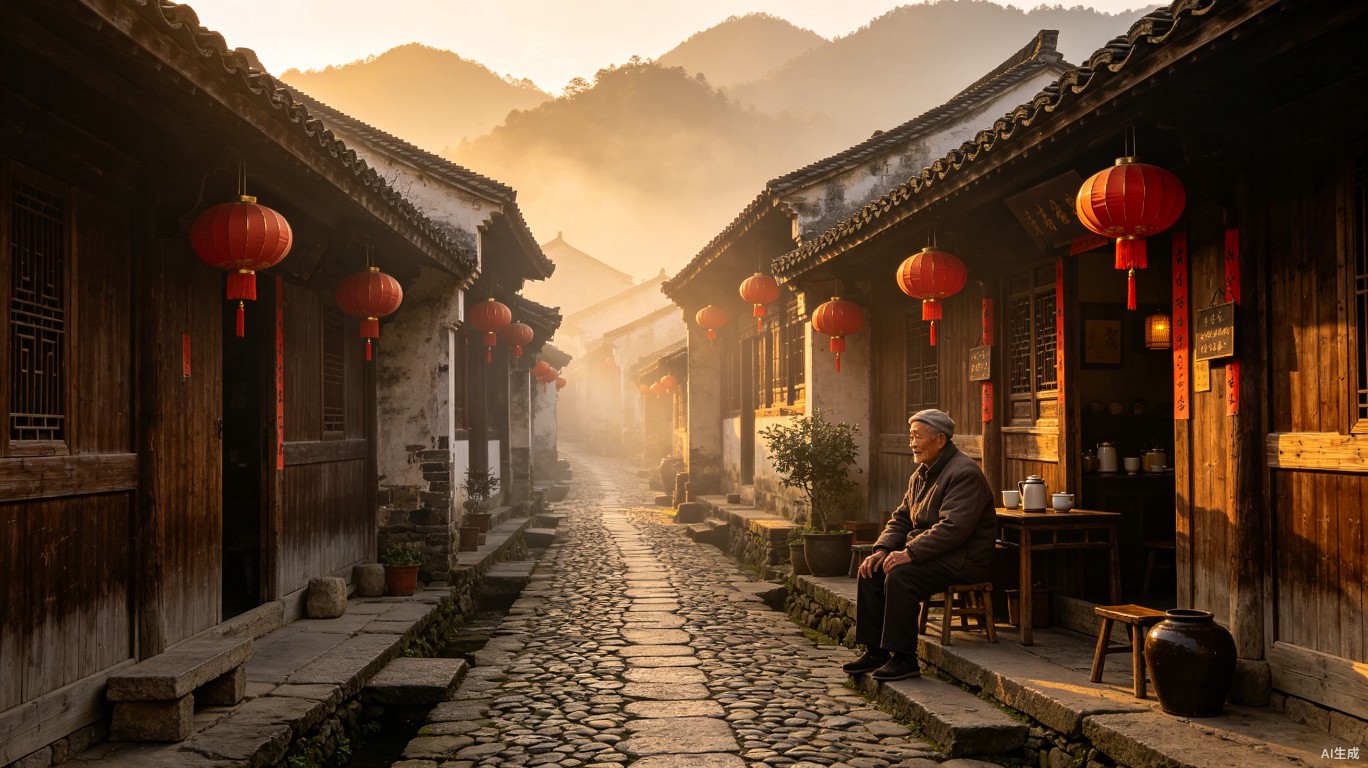
Beyond the Great Wall and Terracotta Warriors, China has incredible hidden destinations few tourists ever reach. Here are 10 underrated gems worth the detour.
9 min read
Top 10 Markets and Shopping Streets in China
From Shanghai's Bund to Beijing's Silk Street - 10 markets where foreigners can haggle, explore, and bring home authentic Chinese goods.
9 min read
Top 10 Museums in China You Shouldn't Miss
China's museums span 5,000 years of civilization. These 10 - from the Palace Museum to Xi'an's terracotta gallery - are unmissable for culture lovers.
9 min read