
Ningxia Travel Guide
The old man at the night market in Yinchuan handed me a plastic cup of something cloudy and warm, then watched my face as I drank it. It tasted like…
Ningxia Travel Guide
The old man at the night market in Yinchuan handed me a plastic cup of something cloudy and warm, then watched my face as I drank it. It tasted like fermented rice and honey and a little bit like a farm. “Ba Baocha,” he said, tapping the cup. Eight-treasure tea. He wouldn’t take my money. This was my third day in Ningxia, and it was the third time someone had refused to let me pay for something small.
Ningxia is the province most foreign tourists skip. It’s small, dry, and doesn’t have the postcard landmarks of Xi’an or the skyline of Shanghai. What it does have is a landscape that looks like nowhere else in China: the Yellow River cutting through desert, the Helan Mountains rising out of flat scrub, and a Muslim Chinese culture that feels closer to Central Asia than to Beijing. There are 6 million people here. About a third of them are Hui, Chinese Muslims whose ancestors came down the Silk Road a thousand years ago.
I came here the first time because I was tired of crowds. I’ve been back four times since. This guide is what I’d tell a friend who’s thinking about adding Ningxia to a China trip — where to go, what to eat, what to skip, and how to get around without speaking Mandarin.
Quick answer
Ningxia is best visited in spring (April–May) or early autumn (September–October), when temperatures sit between 60–75°F (15–24°C). Most foreign visitors can enter China visa-free for up to 30 days under the 2025–2026 expanded visa-free policy, and Ningxia is fully covered. Budget roughly $60–100 (¥430–720) per day including hotels, food, and transport. The province is small enough to cover in 4–5 days by high-speed rail and hired car, with Yinchuan as your base.
The Short Version
Come for the desert and the wine, not the history museums. Do the Shapotou sand dunes, eat lamb until you can’t move, drink the local Cabernet, and spend one slow afternoon in the Western Xia tombs. Skip the “film studio” tourist traps. Bring a translation app — English is rare here. Three days is enough for the highlights; five is better.
How I Picked These
I’ve been to Ningxia four times between 2019 and 2025, most recently in October 2025. I don’t take sponsored trips. Everything here comes from places I actually slept, ate, or got lost in. I asked a Hui taxi driver named Ma in Yinchuan what locals actually do on weekends, and half this list came from his answers. I also cross-checked opening hours and prices against the official Ningxia tourism site and Dianping listings in early 2026. Where I’m unsure, I say so.
Comparison Table
| Rank | Place | Best For | Approx Cost (USD) | Time Needed | When to Go |
|---|---|---|---|---|---|
| 1 | Shapotou (Zhongwei) | Desert + Yellow River | $45 (¥320) | Full day | May, Sept–Oct |
| 2 | Western Xia Tombs | History, photography | $12 (¥85) | Half day | Apr–Oct |
| 3 | Yinchuan Old Town & Night Market | Food, atmosphere | Free–$15 | Evening | Year-round |
| 4 | Helan Mountains Rock Art | Hiking, ancient carvings | $10 (¥70) | Half day | Apr–Oct |
| 5 | Ningxia Wine Region | Wine tasting | $20–40 | Half day | Sept–Oct (harvest) |
| 6 | Shuidonggou | Paleolithic site + desert | $18 (¥130) | Half day | Apr–Oct |
| 7 | Qingtongxia 108 Stupas | Buddhist architecture | $8 (¥55) | 2–3 hours | Apr–Oct |
| 8 | Zhenbeibao Film Studio | Casual sightseeing | $15 (¥100) | 2–3 hours | Year-round |
| 9 | Sand Lake (Shahu) | Birdwatching, boats | $16 (¥115) | Half day | May–Sept |
| 10 | Tongxin Grand Mosque | Hui culture | Free | 1–2 hours | Year-round |
Shapotou — Where the Desert Meets the Yellow River
I slid down a 300-foot sand dune on a wooden board, screamed like a child, and then sat at the bottom watching the Yellow River move past at the speed of a slow walk. That’s Shapotou.
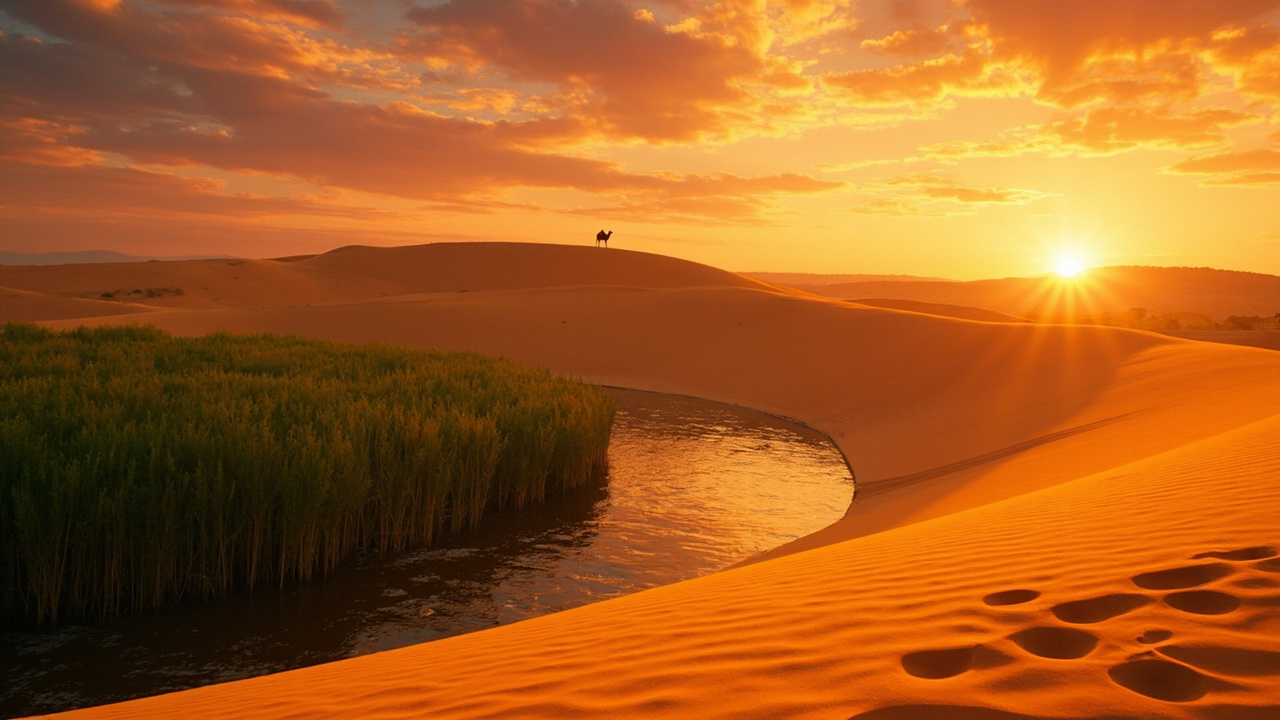
This is the one place in Ningxia that genuinely surprised me. It’s a desert, but it’s a desert pressed right up against a river and green reeds, which makes no sense until you see it. You can ride a camel, sandboard, take a zip line across the river, or just sit on the ridge and watch the light change. The dune field is technically the Tengger Desert’s southeastern edge.
📍 Location: Shapotou District, about 12 miles (20 km) west of Zhongwei city center.
🎫 Entry: About $45 (¥320) for the combined ticket including shuttle and one activity. Sandboarding is extra, roughly $7 (¥50).
🕐 Hours: 8:00 AM–6:00 PM, April through October. Closes earlier (5:00 PM) in winter and some activities shut down entirely.
🚕 How to get there: High-speed rail from Yinchuan to Zhongwei takes about 1 hour 20 minutes, around $9 (¥65). From Zhongwei station, take bus 2 or a taxi ($5–7) to the scenic area entrance. Don’t try to walk it.
⏰ When to visit: Late September is perfect — warm days, cool nights, no crowds. Avoid July and August unless you enjoy 100°F (38°C) heat and school groups.
💡 Insider tips: Buy the ticket online through the official WeChat mini-program the night before; the queue at the gate is brutal. Bring a scarf for the sand. Wear closed shoes — sandals fill with sand in seconds. And the camel rides are fine but the sandboarding is the actual fun.
I ate a bowl of hand-pulled lamb noodles at a stall outside the exit for $3 (¥22) and it was better than anything I’d eaten in Yinchuan that week.
Western Xia Tombs — Pyramids in the Middle of Nowhere
You drive out of Yinchuan heading west, the city thins out, and then suddenly there are these huge earthen mounds sitting alone on a flat plain with the Helan Mountains behind them. Nobody quite knows what they looked like originally. The Western Xia dynasty built them between the 11th and 13th centuries, and then Genghis Khan’s army wiped the civilization off the map so thoroughly that we’re still guessing.
That mystery is what makes this place worth the trip. The main tomb (Tomb 3) has a small museum and a walkway. The others you mostly view from a distance. It’s quiet, windblown, and a little eerie.
📍 Location: About 22 miles (35 km) west of Yinchuan, Helan Mountain foothills.
🎫 Entry: $12 (¥85) including shuttle bus to Tomb 3.
🕐 Hours: 8:00 AM–6:00 PM daily, April–October. 9:00 AM–5:00 PM November–March.
🚌 How to get there: No direct public transport. Take a taxi or Didi from Yinchuan ($15–20 each way) or join a half-day tour ($30–40). Tours leave from most hotels in the city center.
⏰ When to visit: Morning light is best for photos. Weekdays are noticeably quieter.
💡 Insider tips: The on-site museum is small but the Tangut script displays are fascinating. Bring water — there’s no shade. The audio guide is in English and worth the $3. If you’re into photography, the late afternoon light on the mounds is unreal.
I met a retired teacher from Beijing here who’d come specifically because she’d read a novel about the Western Xia. She spent an hour just standing at Tomb 3 without taking a single photo.
Yinchuan Old Town & Night Market — Eat Until You Regret It
The first time I walked into the Yinchuan night market near Gulou (Drum Tower), I made the classic mistake of eating a full lamb skewer before I’d walked 20 feet. By the end of the street I was too full to try anything else. Don’t do that.
Yinchuan is a Hui city, which means the food is Muslim Chinese — lamb, cumin, hand-pulled noodles, and a whole genre of breads and pastries you won’t find in Beijing. The night market runs along the streets around Gulou and gets going around 6:00 PM.
📍 Location: Gulou area, Xingqing District, central Yinchuan.
🎫 Entry: Free. Budget $10–15 (¥70–110) for a serious eating session.
🕐 Hours: Stalls open around 5:30 PM and run until midnight, sometimes later on weekends.
🚇 How to get there: Yinchuan Metro Line 1 to Gulou Station, Exit B. Walk 2 minutes.
⏰ When to visit: Any evening. Friday and Saturday are busiest.
💡 Insider tips: Cash is basically dead here — set up Alipay or WeChat Pay before you arrive. The lamb skewers at the stalls with the longest local queues are the best ones. Try yangza sui (lamb offal soup) if you’re brave, and ba bao cha (eight-treasure tea) regardless. Most vendors don’t speak English; point and use your phone.
The vendor who gave me the free cup of tea was named Ma — same surname as half the Hui population here, which he thought was hilarious.
Helan Mountains Rock Art — 10,000-Year-Old Graffiti
The Helan Mountains run along the western edge of Ningxia like a wall, and tucked into one canyon are thousands of rock carvings — faces, animals, handprints, hunting scenes — some dated to 10,000 years ago. The walk through the canyon takes about 90 minutes and it’s genuinely beautiful.
This is a hiking-and-looking trip, not a museum trip. You climb a bit, you look at rocks, you climb a bit more. The carvings are marked but not over-explained, which I liked.
📍 Location: Helan County, about 30 miles (50 km) northwest of Yinchuan.
🎫 Entry: $10 (¥70).
🕐 Hours: 8:00 AM–6:00 PM, April–October. Closed in deep winter.
🚗 How to get there: Taxi or Didi from Yinchuan ($20–25 each way). No direct bus. Many travelers combine this with the Western Xia Tombs as a single day trip.
⏰ When to visit: Spring and fall. Summer afternoons are brutal — the canyon has little shade.
💡 Insider tips: Wear real hiking shoes, not sneakers. Bring more water than you think you need. The carvings near the entrance are the most famous but the ones deeper in the canyon are more interesting and less photographed. There’s a small museum at the entrance that’s worth 20 minutes.
I twisted my ankle on a loose rock about halfway up and had to limp back. The staff at the entrance gave me a bandage and refused payment.
Ningxia Wine Region — Yes, Chinese Wine, and It’s Good
I’ll be honest: I expected the Ningxia wine scene to be a tourist gimmick. It isn’t. This region produces some of the best Cabernet Sauvignon and Chardonnay in Asia, and several wineries have won international medals. The dry, sunny climate and the Helan Mountain rain shadow make it work.
The main wineries are clustered east of the Helan Mountains, about 20–30 miles (30–50 km) from Yinchuan. Chateau Changyu Moser XV, Helan Qingxue, and Silver Heights are the best-known and most visitor-friendly.
📍 Location: Helan Mountain East Foothills wine zone, Yinchuan outskirts.
🎫 Entry: Tastings run $20–40 (¥140–290) per person depending on the winery and flight.
🕐 Hours: Most wineries are open 9:00 AM–5:00 PM, Tuesday–Sunday. Many close Mondays.
🚗 How to get there: Book a driver or join a wine tour from Yinchuan ($60–90 for a half-day with 2–3 wineries). Public transport doesn’t really work here.
⏰ When to visit: September and October, during harvest. You’ll see the crush in action.
💡 Insider tips: Book tastings in advance by WeChat — walk-ins are hit-or-miss. Most wineries have English-speaking staff, which is rare in Ningxia. Buy bottles to take home; they’re cheaper here than in Shanghai restaurants. Don’t drive yourself.
The woman pouring my tasting flight at Helan Qingxue had studied viticulture in Bordeaux. She said the best vintages here are 2016 and 2019.
Shuidonggou — The Site That Rewrote Chinese Prehistory
Shuidonggou is a Paleolithic archaeological site — one of the earliest human settlements in China, dated to about 30,000 years ago. It’s also, oddly, a desert tourism destination with a lake and a zip line. The combination is weird but it works.
The archaeological museum is genuinely good. The reconstructed village is a bit theme-parky. The desert scenery around it is the real draw.
📍 Location: Lingwu City, about 19 miles (30 km) east of Yinchuan.
🎫 Entry: $18 (¥130) including shuttle and museum.
🕐 Hours: 8:30 AM–6:00 PM, April–October.
🚌 How to get there: Bus from Yinchuan North Bus Station, about 1 hour, $3 (¥20). Or taxi, $25–30.
⏰ When to visit: Weekday mornings. Weekends get crowded with domestic tour groups.
💡 Insider tips: The museum is the best part — don’t skip it. The “ancient village” section is skippable. Bring sun protection. The lake area is nice for a picnic if you’ve brought food.
I skipped the zip line. I regret it slightly.
Qingtongxia 108 Stupas — A Buddhist Pyramid by the River
This is a small site but a striking one: 108 small stupas arranged in a triangular formation on a hillside above the Yellow River, dating back to the Western Xia period. The number 108 is sacred in Buddhism. You climb up a set of stairs and walk among them.
It’s not a major destination, but it’s on the way between Yinchuan and Zhongwei, and it’s a good 2-hour stop.
📍 Location: Qingtongxia City, about 40 miles (65 km) south of Yinchuan.
🎫 Entry: $8 (¥55).
🕐 Hours: 8:00 AM–6:00 PM, April–October.
🚗 How to get there: Best done as a stop on the drive between Yinchuan and Zhongwei. Taxi from Yinchuan is $30–40. Or take a train to Qingtongxia station and taxi from there.
⏰ When to visit: Late afternoon for the light on the river.
💡 Insider tips: The site is small — don’t plan a whole day around it. Combine with a Yellow River boat ride if the season allows. There’s a small teahouse at the base.
A monk there told me (through a translation app) that the stupas were rebuilt in the 1980s after being damaged during the Cultural Revolution.
Zhenbeibao Film Studio — Skip It Unless You Love Old Movies
I’m going to be honest: I think Zhenbeibao is overrated. It’s a film studio where Zhang Yimou and others shot movies in the 1980s and 90s, and it’s been preserved as a tourist attraction. If you’ve seen those films, it might be interesting. If you haven’t, it’s a dusty set with a lot of signs in Chinese.
📍 Location: About 22 miles (35 km) northwest of Yinchuan.
🎫 Entry: $15 (¥100).
🕐 Hours: 8:00 AM–6:00 PM daily.
🚗 How to get there: Taxi or Didi from Yinchuan, $20–25.
⏰ When to visit: Skip it in peak summer. If you go, mornings are cooler.
💡 Insider tips: The on-site performances are in Chinese only. There’s a decent noodle shop at the entrance. If you’re short on time in Ningxia, cut this one.
I went because a friend insisted. I wouldn’t go again.
Sand Lake (Shahu) — Birds, Boats, and Reeds
Sand Lake is a wetland-and-desert combo about an hour north of Yinchuan. It’s popular with domestic tourists for boat rides and birdwatching — over 100 species of birds pass through, including some rare ones. The scenery is pretty in a quiet way.
📍 Location: Pingluo County, about 35 miles (56 km) north of Yinchuan.
🎫 Entry: $16 (¥115) including boat.
🕐 Hours: 8:00 AM–6:00 PM, May–September.
🚌 How to get there: Bus from Yinchuan North Bus Station, about 1 hour, $4 (¥28). Or taxi, $30.
⏰ When to visit: May through September for birds. Early morning is best.
💡 Insider tips: Bring binoculars. The boat ride is fine but the walking paths around the lake are better. Mosquito repellent in summer.
I saw a group of older Chinese birdwatchers with serious camera gear who let me look through their spotting scope at a great egret.
Tongxin Grand Mosque — Hui Culture Done Right
The Tongxin Grand Mosque is one of the oldest and most important mosques in China, built in the 14th century and rebuilt several times since. It’s a working mosque, not a museum, and the architecture blends Chinese and Islamic styles in a way you won’t see elsewhere.
📍 Location: Tongxin County, about 120 miles (190 km) south of Yinchuan.
🎫 Entry: Free, but donations welcome.
🕐 Hours: Open daily, but non-Muslims should avoid prayer times (especially Friday midday).
🚌 How to get there: Bus from Yinchuan South Bus Station, about 2.5 hours, $8 (¥55). Or hire a car.
⏰ When to visit: Any weekday morning. Dress modestly.
💡 Insider tips: Women should cover their hair inside. Ask before photographing anyone. The surrounding Hui neighborhood has excellent lamb restaurants.
An elderly man at the mosque gate spent 20 minutes explaining the history to me in slow Mandarin, patient with my terrible listening comprehension.
FAQ summary
Ningxia is a compact, affordable province that most foreign tourists skip, and it’s worth 3–5 days of a China trip. The must-dos are Shapotou’s desert, the Western Xia Tombs, Yinchuan’s night market, and one winery. High-speed rail connects Yinchuan to Zhongwei in about 80 minutes for around $9 (¥65), and taxis or Didi cover everything else. Most foreign visitors can enter visa-free for up to 30 days in 2026, and Alipay or WeChat Pay is essential since cash is rarely used. English is uncommon outside major hotels and wineries, so a translation app is not optional.
FAQ
Q: Do I need a visa to visit Ningxia in 2026? A: Most foreign visitors from the US, EU, UK, Australia, and much of Southeast Asia can enter China visa-free for up to 30 days under the expanded 2025–2026 policy. Ningxia is fully covered. Check the current visa-free rules before booking.
Q: How do I get to Ningxia from Beijing or Shanghai? A: High-speed rail from Beijing to Yinchuan takes about 8 hours (around $95 / ¥680). From Shanghai it’s about 11 hours. Flying is faster — roughly 2.5 hours from Beijing, 3 hours from Shanghai, $80–150 depending on season. See the China train guide for booking details.
Q: Is Ningxia safe for solo foreign travelers? A: Yes, very. Violent crime is rare. The main risks are desert heat, dehydration, and getting lost on unmarked trails. Solo women travelers report feeling safe, though some report stares in smaller Hui towns — usually curiosity, not hostility.
Q: What’s the food situation for vegetarians? A: Hard. Ningxia cuisine is lamb-heavy. Vegetarian options exist (noodles, breads, some vegetable dishes) but are limited. If you’re strict vegetarian, plan to eat at larger hotels or bring backup snacks.
Q: Do I need a VPN in Ningxia? A: If you want to use Google, Instagram, WhatsApp, or Gmail, yes — install it before you arrive. Local apps like WeChat and Alipay work fine without one. See the SIM and internet guide for setup.
Q: How much should I budget per day? A: $60–100 (¥430–720) covers a mid-range hotel, three meals, transport, and one paid attraction. Budget travelers can do $35–50 by staying in hostels and eating street food.
Q: What’s the best time of year to visit? A: April–May and September–October. Summer is brutally hot (up to 100°F / 38°C). Winter is cold and many attractions close or run reduced hours.
The Honest Wrap-up
Ningxia is for travelers who’ve already done Beijing and Xi’an and want something different — desert, wine, Hui food, and a landscape that doesn’t look like anywhere else in China. It’s not for first-time visitors who want the greatest hits, and it’s not for anyone who needs English signage everywhere. If you’re booking the flight, my one piece of advice: give yourself five days, not three. The desert deserves a slow afternoon. And bring an empty stomach — the lamb alone is worth the trip.
More guides you may like

Top 10 Bridges in China
China's bridges are engineering marvels spanning mountains, rivers, and seas. Here are 10 of the most spectacular, from ancient stone to modern steel.
8 min read

Top 10 Buddhist Sites in China
From the Leshan Giant Buddha to the Dunhuang Caves, these 10 Buddhist sites represent 2,000 years of China's spiritual heritage.
9 min read

Top 10 Day Trips from Beijing You Shouldn't Miss
Beijing is packed with history, but some of China's best experiences are just a few hours away. Here are 10 day trips that will transform your visit.
9 min read

Top 10 Hidden Gems in China Off the Beaten Path
Beyond the Great Wall and Terracotta Warriors, China has incredible hidden destinations few tourists ever reach. Here are 10 underrated gems worth the detour.
9 min read

Top 10 Markets and Shopping Streets in China
From Shanghai's Bund to Beijing's Silk Street - 10 markets where foreigners can haggle, explore, and bring home authentic Chinese goods.
9 min read

Top 10 Museums in China You Shouldn't Miss
China's museums span 5,000 years of civilization. These 10 - from the Palace Museum to Xi'an's terracotta gallery - are unmissable for culture lovers.
9 min read