
China Airport Guide for Transit
China Airport Guide for Transit
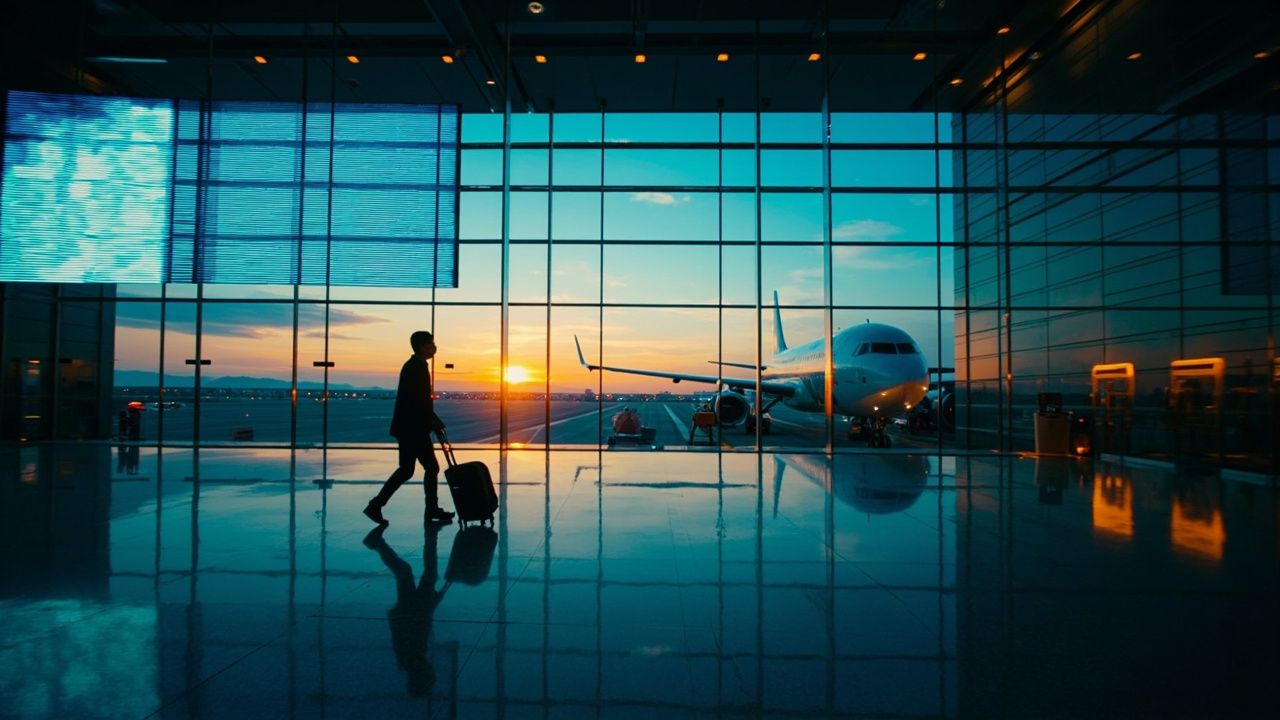
China Airport Guide for Transit
The first time I flew into Beijing Capital, I did the classic rookie move: booked a four-hour layover, assumed I could “quickly pop into the city,” and ended up eating a sad sandwich at a gate-side café while a family next to me argued about whether they’d missed their connection. The airport wasn’t the problem. My understanding of it was. Chinese airports are enormous, efficient, and genuinely confusing the first time — the signage is good but the distances are brutal, and the rules around transit visas, baggage re-check, and terminal transfers are not obvious.
Here’s the thing most first-timers don’t realize: China’s major hubs — Beijing Capital (PEK), Beijing Daxing (PKX), Shanghai Pudong (PVG), Shanghai Hongqiao (SHA), Guangzhou Baiyun (CAN), Chengdu Tianfu (TFU) — are not just places you pass through. They’re where your trip either starts smoothly or falls apart. A missed connection here can cost you a day. A wrong assumption about the 240-hour visa-free transit can cost you a flight home.
This guide is for the traveler who’s never been to China, has a layover or a first arrival coming up, and wants to know exactly what happens when the doors open. I’ve flown through all of these airports multiple times over seven years, made most of the mistakes so you don’t have to, and talked to enough confused travelers in immigration queues to know where the real friction points are.
Quick answer
China’s 240-hour (10-day) visa-free transit policy, expanded in late 2024 and still in effect for 2026, lets citizens of 54 countries transit through most major Chinese airports without a visa if they’re flying onward to a third country. You must have a confirmed onward ticket, enter and exit through approved ports, and stay within the designated regions. If you’re just connecting airside without passing immigration, you don’t need anything beyond your onward boarding pass.
The Short Version
If you have under 8 hours and you’re at PVG or PEK, stay in the terminal. The immigration queue plus the round-trip into the city will eat your buffer and you’ll be sprinting back through security. If you have 12+ hours and qualify for visa-free transit, go into the city — it’s worth it. If you’re arriving for a real trip, budget 90 minutes minimum from wheels-down to taxi, and download Alipay and a VPN before you land. Don’t wing it.
How I Picked These
I’ve transited or arrived at every airport in this guide at least twice since 2019, including a memorable 14-hour overnight at Daxing where I learned the hard way that the sleeping pods book out by 9pm. I’ve also talked to check-in agents at PVG, a very patient immigration officer at CAN who walked me through the transit form, and roughly a dozen other travelers in various lounges who were all making the same mistakes I once made. Prices and hours are current as of early 2026, but Chinese airports renovate constantly — always double-check the official airport WeChat account before you fly.
Comparison Table
| Rank | Airport | Best For | Approx Cost (USD) | Time Needed | When to Go |
|---|---|---|---|---|---|
| 1 | Shanghai Pudong (PVG) | Long layovers, city access | $8–15 metro / $30–45 taxi | 6–10 hrs for city trip | Year-round, avoid Golden Week |
| 2 | Beijing Daxing (PKX) | Modern facilities, easy transit | $10–12 express train | 4–8 hrs | Spring, autumn |
| 3 | Beijing Capital (PEK) | Star Alliance hub, familiar layout | $4–6 Airport Express | 3–6 hrs | Year-round |
| 4 | Guangzhou Baiyun (CAN) | Southeast Asia connections | $10–13 metro | 4–8 hrs | Oct–Mar |
| 5 | Shanghai Hongqiao (SHA) | Domestic + short-haul | $4–5 metro | 2–4 hrs | Year-round |
| 6 | Chengdu Tianfu (TFU) | Panda detours, western China | $15–20 metro/train | 6–10 hrs | Mar–May, Sep–Nov |
| 7 | Shenzhen Bao’an (SZX) | Hong Kong border trips | $8–12 metro | 4–6 hrs | Oct–Apr |
| 8 | Xi’an Xianyang (XIY) | Terracotta Warriors layover | $12–18 taxi | 6–8 hrs | Apr–May, Sep–Oct |
| 9 | Kunming Changshui (KMG) | Southeast Asia gateway | $10–15 metro | 4–6 hrs | Year-round |
| 10 | Hangzhou Xiaoshan (HGH) | West Lake day trip | $8–12 metro | 5–7 hrs | Mar–May, Sep–Nov |
Shanghai Pudong International (PVG) — The One Everyone Uses
I once watched a woman in a business suit sprint past me at Gate D69 in heels, dragging a carry-on, shouting into her phone that she’d “made it, made it” — she hadn’t. Her flight had closed the door four minutes earlier. PVG is where I learned that “just a quick stop” is a lie you tell yourself.
PVG is China’s busiest international hub and the one most first-timers pass through. Terminal 2 handles most international carriers; Terminal 1 is Star Alliance and some SkyTeam. The two are connected by a shuttle bus that runs every 10 minutes, but if you have a tight connection, confirm your terminals before you book — I’ve seen people miss flights because they assumed T1 and T2 were walkable. They’re not.
The airport itself is functional rather than charming. Immigration is efficient when it’s staffed and glacial when it isn’t. The Maglev train to Longyang Road takes 8 minutes and hits 430 km/h — it’s a novelty, but it drops you at a metro station, not downtown, so unless you’re going to Pudong it’s not actually faster than the metro. For most travelers, Metro Line 2 is the move.
📷 Location: Pudong New Area, about 30 km east of the city center 🎫 Entry fee: N/A (airport) 🕒 Opening hours: 24 hours, but shops and lounges close overnight 🚇 How to actually get there: Metro Line 2 from People’s Square (about 50 min, ¥7–8 / $1), or Maglev from Longyang Road (¥50 / $7 one-way, ¥40 with same-day boarding pass). Taxis to the Bund run ¥160–200 ($22–28) and take 45–70 minutes depending on traffic. ⏰ When to visit: If you have 8+ hours and a visa-free transit stamp, go. Under 6 hours, stay put. 💡 Insider tips for foreign visitors: The “transit without visa” counter is on the left before the main immigration hall — don’t join the regular queue. Free Wi-Fi requires a passport scan at a kiosk. The left luggage office in T2 (Level 2, near Gate 23) charges ¥40–60 per bag per day and is the only place I trust with a suitcase. If your connection is under 3 hours, don’t clear immigration at all — stay airside. I tried the xiaolongbao at the T2 food court once. Don’t. Wait for the city.
Beijing Daxing International (PKX) — The One That Actually Works
Daxing is what happens when a country decides to build an airport as a flex. It opened in 2019, looks like a starfish from above, and is genuinely one of the easiest major airports in the world to navigate. I arrived at 11pm on a Tuesday, cleared immigration in 14 minutes, and was on the express train before midnight.
The terminal is a single building — no shuttle buses, no terminal confusion, no “which concourse am I in” panic. Immigration is fast. The signage is bilingual and actually accurate. The food is overpriced but edible. If you’re choosing between PEK and PKX for a Beijing arrival, PKX wins on every metric except proximity to the city center.
The catch: PKX is far south of Beijing, and the express train to Caoqiao takes about 20 minutes but then you’re still 40 minutes from most hotels. Budget 90 minutes door-to-door. If you’re transiting and want to see anything, the Temple of Heaven is your most realistic target.
📷 Location: Daxing District, about 46 km south of central Beijing 🎫 Entry fee: N/A 🕒 Opening hours: 24 hours 🚇 How to actually get there: Daxing Airport Express from Caoqiao (Line 10/19) — ¥35 ($5), 20 min. Taxis to Wangfujing run ¥200–260 ($28–36), 60–90 min. ⏰ When to visit: Spring (Apr–May) and autumn (Sep–Oct) are ideal. Summer is hot and smoggy. 💡 Insider tips for foreign visitors: The sleeping pods on Level 3 of the domestic side book out early — reserve via the airport WeChat mini-program. The international transfer desk is on Level 2, not Level 4 where most people instinctively go. Alipay works at every vendor; set it up before you land. There’s a free shower facility in the international transit area — bring your own towel. A cleaner named Wang stopped me from walking into the wrong immigration lane and pointed me to the transit counter with a smile. Small thing. Saved me 20 minutes.
Beijing Capital International (PEK) — The Old Reliable
PEK is the airport your parents flew into in 2008. It’s older, busier, and less intuitive than Daxing, but it’s also where most Star Alliance and oneworld flights land, and it’s closer to the city center — about 25 km northeast.
Terminal 3 is the international one and it’s enormous. The walk from immigration to the furthest gates can take 25 minutes. I once had a 90-minute connection at PEK and made it, but I was jogging. Don’t book under 2 hours here.
The Airport Express to Dongzhimen takes 25 minutes and connects to Line 2 and Line 13. It’s cheap and reliable. Taxis are fine but the queue can be 30 minutes at peak.
📷 Location: Chaoyang District, 25 km northeast of the city 🎫 Entry fee: N/A 🕒 Opening hours: 24 hours 🚇 How to actually get there: Airport Express from Dongzhimen — ¥25 ($3.50), 25 min. Taxi to Sanlitun runs ¥100–130 ($14–18), 40–60 min. ⏰ When to visit: Year-round, but avoid Chinese New Year (late Jan–mid Feb) if you can. 💡 Insider tips for foreign visitors: The visa-free transit counter at T3 is on the arrivals level, far left — most people miss it and queue at the main desk. The left luggage office is on Level 2 of T3C. If you’re transiting to a domestic flight, you must re-check bags even if they’re tagged through — this catches everyone. Alipay setup works here, but some smaller vendors only take WeChat. I paid ¥85 for a bowl of noodles at a T3 restaurant. It was fine. I’d do it again at 2am.
Guangzhou Baiyun International (CAN) — The Southeast Asia Connector
Baiyun is where I first understood why people love Guangzhou. The airport is clean, efficient, and the food is genuinely good — there’s a dim sum place in T2 that’s better than most restaurants in my neighborhood.
CAN is the main hub for China Southern and a major gateway for flights to and from Southeast Asia, Australia, and Africa. Terminal 2 is newer and handles most international traffic; Terminal 1 is older and mostly domestic. The metro (Line 3 North Extension) connects directly to the terminal — it’s one of the easiest airport-to-city transfers in China.
If you have a long layover, Guangzhou itself is worth a quick trip. The Canton Tower, Shamian Island, and the dim sum are all within 45 minutes of the airport. But honestly, if you’re transiting through CAN, you’re probably going somewhere else, and that’s fine.
📷 Location: Baiyun District, 28 km north of the city center 🎫 Entry fee: N/A 🕒 Opening hours: 24 hours 🚇 How to actually get there: Metro Line 3 North Extension from T1 or T2 — ¥8–10 ($1.20–1.40), 45 min to Tiyu Xilu. Taxi to Zhujiang New Town runs ¥120–150 ($17–21), 40–60 min. ⏰ When to visit: October to March — Guangzhou summers are brutal. 💡 Insider tips for foreign visitors: The international transfer desk in T2 is on Level 2, near the arrivals exit. Free Wi-Fi requires a Chinese phone number or passport scan. The 240-hour visa-free transit is available here — see the visa-free transit guide for the full list of eligible countries. If you’re heading to Hong Kong, there are direct buses from the airport. A shop owner near Gate B154 sold me a pineapple bun for ¥12 and refused to take a tip. “You’re a guest,” she said. I think about that bun more than I should.
Shanghai Hongqiao International (SHA) — The Domestic Workhorse
Hongqiao is the airport you use when you’re flying domestically within China or to nearby Asian cities. It’s smaller than PVG, closer to the city, and connected to Hongqiao Railway Station — which is where most high-speed trains to Beijing, Hangzhou, and Nanjing depart. If you’re doing a multi-city China trip, you’ll probably pass through here.
I once landed at SHA at 6pm, walked to the train station, and was on a 7:15pm high-speed train to Hangzhou. That’s the level of convenience we’re talking about. No other Chinese airport does this as well.
The downside: SHA is domestic-focused, so international options are limited. If you’re flying in from the US or Europe, you’re landing at PVG, not SHA.
📷 Location: Changning District, 13 km west of the city center 🎫 Entry fee: N/A 🕒 Opening hours: 24 hours 🚇 How to actually get there: Metro Line 2 or Line 10 directly to the terminal — ¥4–5 ($0.60–0.70), 30 min to People’s Square. Taxi to Jing’an runs ¥60–80 ($8–11), 25–40 min. ⏰ When to visit: Year-round. 💡 Insider tips for foreign visitors: If you’re connecting to a high-speed train, follow the signs to “Hongqiao Railway Station” — it’s a 10-minute indoor walk. The high-speed rail guide explains how to book. Left luggage is on the arrivals level, ¥30–50 per bag. The food court on Level 3 is better than the gate-side options. I bought a train ticket at the station kiosk in 90 seconds using Alipay. The woman behind me in line was impressed. So was I.
Chengdu Tianfu International (TFU) — The Panda Detour
Tianfu opened in 2021 and is now Chengdu’s main international airport. It’s vast, modern, and about 50 km southeast of the city — which is a problem if you have a short layover. The metro (Line 18) takes about 45 minutes to reach the city center, and taxis are expensive.
But here’s the thing: if you have 8+ hours and you’ve never seen a panda, this is your chance. The Chengdu Research Base of Giant Panda Breeding is about 90 minutes from the airport, and it’s genuinely worth the detour. I did it once on a 10-hour layover and regret nothing.
TFU itself is pleasant — good food, clean facilities, and a design that feels less like a mall than PVG. The international terminal is T1; domestic is T2.
📷 Location: Jianyang, 50 km southeast of Chengdu 🎫 Entry fee: N/A (panda base is ¥55 / $8) 🕒 Opening hours: 24 hours 🚇 How to actually get there: Metro Line 18 from Chengdu South Railway Station — ¥10–12 ($1.40–1.70), 45 min. Taxi to Chunxi Road runs ¥150–200 ($21–28), 60–80 min. ⏰ When to visit: March–May and September–November. Pandas are most active in the morning. 💡 Insider tips for foreign visitors: The visa-free transit counter is in T1, arrivals level. If you’re doing the panda detour, go straight there — gates close at 5pm. The airport has a left luggage office in T1, ¥40 per bag. English is less common here than in Shanghai or Beijing — have a translation app ready. See the Chengdu guide for more. A taxi driver named Liu drove me to the panda base and waited two hours without charging extra. “You came all this way,” he said. “Of course I wait.”
Shenzhen Bao’an International (SZX) — The Hong Kong Backdoor
Shenzhen is the airport you use if you’re crossing between mainland China and Hong Kong. It’s modern, efficient, and connected to the metro (Line 11) that runs directly to the city center and onward to the Futian border crossing.
I once flew into SZX, took the metro to Futian, walked across the border into Hong Kong, and was in Kowloon by dinner. Total time: about 3 hours. That’s a genuinely useful transit option that most travelers don’t know about.
The airport itself is fine — not as flashy as Daxing, not as chaotic as PEK. Terminal 3 is the main one. The food is decent, the lounges are okay, and the Wi-Fi works.
📷 Location: Bao’an District, 32 km northwest of Shenzhen center 🎫 Entry fee: N/A 🕒 Opening hours: 24 hours 🚇 How to actually get there: Metro Line 11 from the airport — ¥8–10 ($1.20–1.40), 50 min to Futian. Taxi to Luohu runs ¥130–160 ($18–22), 45–70 min. ⏰ When to visit: October–April. Shenzhen summers are humid and relentless. 💡 Insider tips for foreign visitors: If you’re heading to Hong Kong, the Futian and Luohu border crossings are both accessible by metro. You’ll need a separate Hong Kong entry permit if you’re not visa-exempt. The 240-hour visa-free transit works here, but you must exit to a third country, not back to your origin. Left luggage is on the arrivals level, ¥35 per bag. I bought a SIM card at the airport for ¥100 ($14) and it worked instantly. See the SIM card guide for details.
Xi’an Xianyang International (XIY) — The Terracotta Layover
Xi’an is where you go if you want to see the Terracotta Warriors, and the airport is about 40 km northwest of the city. It’s not a major international hub, but it handles enough traffic that a layover here is plausible.
The Terracotta Warriors are genuinely one of the most impressive things I’ve seen in China. If you have 8+ hours, it’s doable — taxi to the site takes about 60 minutes, and you’ll want 2–3 hours there. The airport itself is functional but unremarkable.
📷 Location: Xianyang, 40 km northwest of Xi’an 🎫 Entry fee: N/A (Warriors are ¥120 / $17) 🕒 Opening hours: 24 hours 🚇 How to actually get there: Airport shuttle bus to Xi’an North Railway Station — ¥25 ($3.50), 50 min. Taxi to Bell Tower runs ¥100–130 ($14–18), 50–70 min. ⏰ When to visit: April–May and September–October. 💡 Insider tips for foreign visitors: The visa-free transit counter is on the arrivals level. If you’re doing the Warriors, book tickets in advance via the official WeChat account — they sell out. English is limited at the site; hire a guide or use an audio guide. Left luggage is available in the terminal. I ate a roujiamo (Chinese hamburger) at the airport for ¥25 and it was better than the one I had in the city. Sometimes airport food surprises you.
Kunming Changshui International (KMG) — The Southeast Asia Gateway
Kunming is the main hub for flights between China and Southeast Asia — Bangkok, Chiang Mai, Vientiane, Yangon, and Hanoi are all short hops from here. The airport is modern, efficient, and about 25 km northeast of the city.
If you’re transiting through Kunming, you’re probably heading to or from Southeast Asia, and the airport does that job well. The city itself is pleasant — mild climate, good food, and the Stone Forest is a worthwhile detour if you have time.
📷 Location: Guandu District, 25 km northeast of Kunming 🎫 Entry fee: N/A 🕒 Opening hours: 24 hours 🚇 How to actually get there: Metro Line 6 from the airport — ¥5–7 ($0.70–1), 30 min to East Bus Station. Taxi to Green Lake runs ¥80–110 ($11–15), 40–60 min. ⏰ When to visit: Year-round — Kunming is called the “Spring City” for a reason. 💡 Insider tips for foreign visitors: The visa-free transit counter is on the arrivals level. If you’re heading to Southeast Asia, check whether your destination requires a visa — some do for Chinese transit passengers. Left luggage is available, ¥30 per bag. English is less common here; have a translation app. A woman at the information desk helped me find my gate when the signage confused me. She drew a map on a napkin. I still have it.
Hangzhou Xiaoshan International (HGH) — The West Lake Day Trip
Hangzhou is one of my favorite cities in China, and the airport is close enough to the city that a long layover here is genuinely worth using. West Lake is about 45 minutes from the airport by metro and taxi, and it’s one of the most beautiful places in the country.
The airport itself is smaller than PVG or PEK, which makes it easier to navigate. It’s mostly domestic but has international flights to nearby Asian cities.
📷 Location: Xiaoshan District, 27 km east of Hangzhou center 🎫 Entry fee: N/A (West Lake is free) 🕒 Opening hours: 24 hours 🚇 How to actually get there: Metro Line 19 from the airport — ¥8–10 ($1.20–1.40), 40 min to West Lake area. Taxi to West Lake runs ¥100–130 ($14–18), 45–60 min. ⏰ When to visit: March–May and September–November. West Lake at sunrise is worth the early start. 💡 Insider tips for foreign visitors: The visa-free transit counter is on the arrivals level. West Lake is free but the boats and some gardens charge. Rent a bike — it’s the best way to see the lake. Left luggage is available, ¥30 per bag. I rented a bike at West Lake for ¥20 an hour and rode around the entire lake. Best ¥60 I’ve ever spent.
FAQ summary
China’s major airports all support the 240-hour visa-free transit policy for eligible nationalities, but the rules are strict: you need a confirmed onward ticket to a third country, you must enter and exit through approved ports, and you can’t leave the designated region. Most airports have a dedicated transit counter that’s separate from the main immigration queue — find it before you join the wrong line. If your layover is under 6 hours, stay airside; if it’s over 8 hours and you qualify, a city trip is worth it. Download Alipay, WeChat, and a VPN before you land, and always confirm your terminal before booking a tight connection.
FAQ
Q: Do I need a visa to transit through a Chinese airport? A: If you’re staying airside and not passing immigration, no. If you want to leave the airport, you need either a regular visa or to qualify for the 240-hour visa-free transit policy, which requires a confirmed onward ticket to a third country and entry through an approved port. Check the visa-free transit guide for your nationality.
Q: How long does it take to clear immigration at PVG or PEK? A: Anywhere from 15 minutes to 90 minutes depending on the time of day and how many flights landed at once. Early morning (5–7am) and late evening (10pm–midnight) are usually fastest. Mid-afternoon is the worst.
Q: Can I leave the airport on a layover without a visa? A: Only if you qualify for visa-free transit. If you don’t, you’ll need to stay airside. Some airports have transit hotels inside the secure area — PVG and PEK both do, but they book out fast.
Q: Is English spoken at Chinese airports? A: Signage is bilingual and immigration officers usually speak enough English to process you. Beyond that, English is hit-or-miss. Download a translation app (Pleco or Google Translate with offline Chinese) before you land.
Q: Do I need a VPN at the airport? A: If you want to use Google, Instagram, WhatsApp, or Gmail, yes. The airport Wi-Fi blocks them. Set up your VPN before you fly — you can’t download one once you’re in China.
Q: How much does it cost to get from the airport to the city? A: Metro is ¥4–12 ($0.60–1.70) depending on the city and distance. Taxis run ¥80–260 ($11–36). Airport express trains are ¥25–35 ($3.50–5). Alipay and WeChat Pay work for all of these.
Q: What’s the best airport for a long layover in China? A: Shanghai Pudong (PVG) and Beijing Daxing (PKX) have the best facilities and city access. Chengdu Tianfu (TFU) is best if you want to see pandas. Guangzhou Baiyun (CAN) has the best food.
The Honest Wrap-up
This guide is for the first-timer who’s nervous about a China layover and wants real answers, not marketing fluff. It’s not for the frequent flyer who already knows the transit counter drill. If that’s you, skim the comparison table and move on.
My one piece of advice: book at least a 4-hour connection if you’re transiting through any Chinese airport for the first time, and 8+ hours if you want to leave the airport. The efficiency is real, but so are the distances, the queues, and the learning curve. Give yourself room to make a mistake and recover from it. And download Alipay before you land — you’ll thank yourself at the first noodle stall.
More guides you may like

Top 10 Bridges in China
China's bridges are engineering marvels spanning mountains, rivers, and seas. Here are 10 of the most spectacular, from ancient stone to modern steel.
8 min read

Top 10 Buddhist Sites in China
From the Leshan Giant Buddha to the Dunhuang Caves, these 10 Buddhist sites represent 2,000 years of China's spiritual heritage.
9 min read

Top 10 Day Trips from Beijing You Shouldn't Miss
Beijing is packed with history, but some of China's best experiences are just a few hours away. Here are 10 day trips that will transform your visit.
9 min read

Top 10 Hidden Gems in China Off the Beaten Path
Beyond the Great Wall and Terracotta Warriors, China has incredible hidden destinations few tourists ever reach. Here are 10 underrated gems worth the detour.
9 min read

Top 10 Markets and Shopping Streets in China
From Shanghai's Bund to Beijing's Silk Street - 10 markets where foreigners can haggle, explore, and bring home authentic Chinese goods.
9 min read

Top 10 Museums in China You Shouldn't Miss
China's museums span 5,000 years of civilization. These 10 - from the Palace Museum to Xi'an's terracotta gallery - are unmissable for culture lovers.
9 min read