
Datong Yungang Grottoes Hanging Temple: The Complete 2026 Guide
The cab dropped me at the edge of a dusty parking lot, and I remember thinking I'd made a terrible mistake.
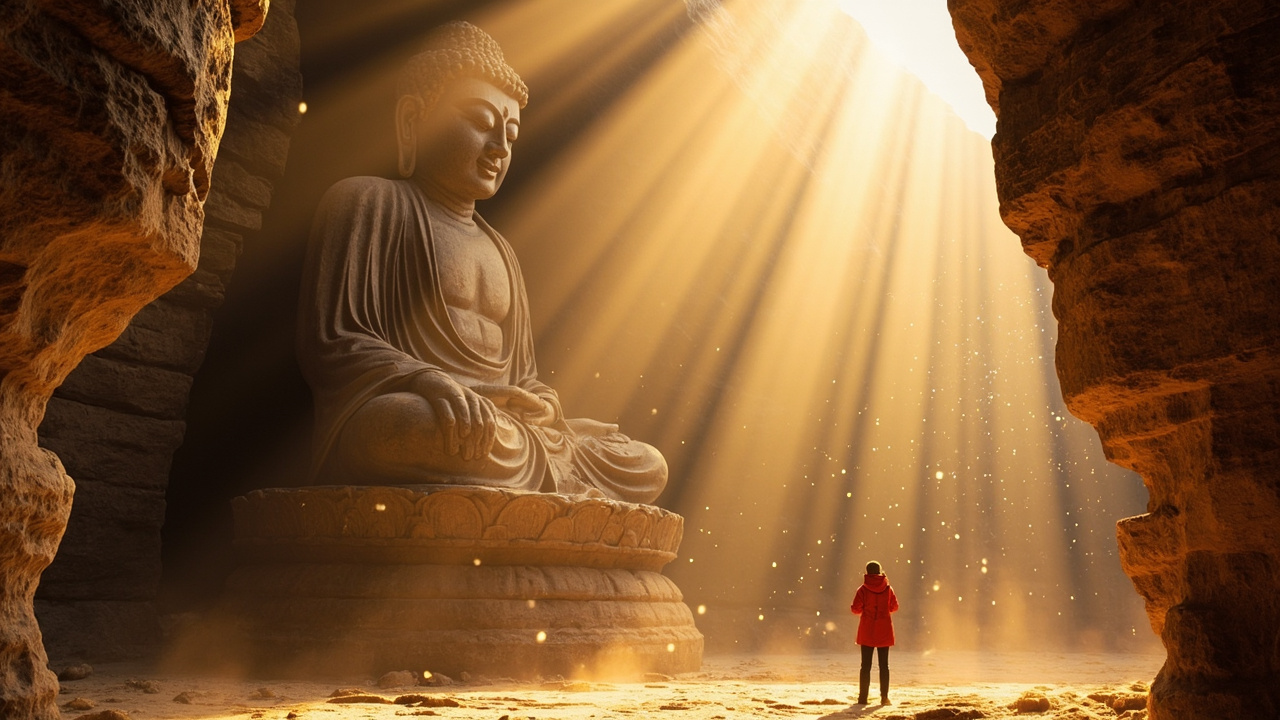
The cab dropped me at the edge of a dusty parking lot, and I remember thinking I’d made a terrible mistake. It was a Tuesday in late October, the sky a washed-out grey, and the only other people around were a few elderly women selling dried apricots from plastic buckets. Then I walked through the gate, turned the corner, and the cliff face opened up in front of me. Fifty-three caves carved into a sandstone wall that stretches for nearly a kilometer. The sheer scale of it knocked the breath out of me. I stood there for a solid five minutes before I remembered to take my phone out.
That was my first trip to the Yungang Grottoes, seven years ago now. I’ve been back three times since, and I’ve also made the pilgrimage to the Hanging Temple, which sits about 60 kilometers away, wedged into a cliff face above a canyon floor. These two sites, along with the old city walls of Datong itself, form one of the most underrated weekend trips in all of China. Most first-time visitors to China skip this region entirely, and I think that’s a mistake. The grottoes are a UNESCO World Heritage Site, they’re older than most countries, and they’re far less crowded than the Great Wall or the Forbidden City.
This guide covers everything you need to know to visit both sites without losing your mind: how to get there, what to pay, where to stand for the best photos, and the mistakes I’ve made so you don’t have to.
Quick answer
Yungang Grottoes and the Hanging Temple are both day-trip destinations from Datong, about 3 hours west of Beijing by high-speed rail. The grottoes are a 40-minute drive from Datong city center and cost about $18 (¥120); the Hanging Temple is another hour further and costs $12 (¥80). Most travelers can see both in one long day, but two days is more comfortable. China’s current visa-free transit policy (240 hours) covers this region, so many visitors can enter without a visa if they’re transiting through Beijing.
The Short Version
If you only have 90 seconds, here’s the deal. Yungang Grottoes is one of the greatest Buddhist art sites on earth, and it’s criminally underrated by international tourists. The Hanging Temple is a stunning piece of architecture, but it’s smaller than photos suggest and you’ll be in and out in 45 minutes. Do both in one day if you’re fit and don’t mind a long car ride. Two days is better. Datong itself is a gritty, coal-dusted city that most people use as a base, not a destination. The food is excellent, the air is dry, and you will not regret coming here.
How I Picked These
I’ve lived in Beijing for seven years and I’ve made this trip four times. The first time was a solo scouting mission where I took the slow train and nearly missed the last bus back to town. The second time I brought my parents, which is the real test of any itinerary. The third time I went with a photographer friend who taught me where to stand for the light. The fourth time was last spring, when I checked the current prices, hours, and transport options so this guide reflects what you’ll actually find in 2026. I also spent an afternoon talking to a retired tour guide named Mr. Chen at a tea shop near the grottoes entrance. He told me which caves to skip when you’re short on time, and I’ve included that advice below.
Comparison Table
| Rank | Place | Best For | Approx Cost (USD) | Time Needed | When to Go |
|---|---|---|---|---|---|
| 1 | Yungang Grottoes | Buddhist art, history, scale | $18 (¥120) | 3-4 hours | Apr-May, Sep-Oct |
| 2 | Hanging Temple | Architecture, photos, novelty | $12 (¥80) | 1-1.5 hours | Apr-Oct, weekday mornings |
| 3 | Datong Old City Walls | Evening walks, views, photos | Free | 1-2 hours | Sunset, any season |
| 4 | Huayan Temple | Buddhist architecture, quiet | $8 (¥50) | 1-2 hours | Weekday mornings |
| 5 | Shanhua Temple | Liao dynasty sculptures | $8 (¥50) | 1 hour | Any time |
| 6 | Datong Museum | History context, free AC | Free | 1-2 hours | Hot afternoons |
| 7 | Nine Dragon Wall | Quick stop, photos | $1 (¥10) | 20 minutes | Morning light |
| 8 | Hengshan Mountain | Hiking, views | $20 (¥135) | Half day | May-Oct |
| 9 | Yingxian Wooden Pagoda | Oldest wooden pagoda in China | $12 (¥80) | 1-2 hours | Weekday mornings |
| 10 | Datong Food Street | Local snacks, nightlife | $5-15 | 1-2 hours | Evenings |
Yungang Grottoes 鈥?The Main Event
The first thing you notice is the sound. Or rather, the lack of it. The grottoes sit on the edge of town, and there’s a strange quiet that settles over the site once you’re past the entrance plaza. The wind moves through the cliff face and the only human noise is the shuffle of feet on stone. I’ve been to the Longmen Grottoes in Luoyang and the Mogao Caves in Dunhuang, and Yungang feels different. It’s more raw, more exposed. The cliff is right there, and the statues are carved directly into it, some of them over 17 meters tall.
The site was carved between 460 and 525 AD, during the Northern Wei dynasty, when Datong was the capital of a kingdom that stretched across northern China. The largest Buddha here is 17 meters tall, and his face is remarkably serene given that he’s been staring at the same valley for 1,500 years. The scale is the thing that gets you. Photos don’t convey it. You have to stand at the base of Cave 20 and crane your neck to see the top of the Buddha’s head, and then you realize this was carved by hand, out of solid rock, with iron tools.
The site is divided into three zones. The eastern caves (1-4) are smaller and mostly empty. The central caves (5-13) are the showstoppers, with the giant Buddhas and the famous Cave 5, which houses the largest statue on site. The western caves (14-53) are smaller but contain some of the most intricate carvings. If you only have two hours, focus on caves 5, 6, 9, 10, 12, and 20. Cave 6 is the one with the intricate narrative reliefs that tell the story of the Buddha’s life. Cave 20 is the iconic open-air Buddha that appears in every photo.
The site is well-maintained, with paved walkways and English signage at the major caves. The museum near the entrance is worth 20 minutes, especially if you want context on the Northern Wei dynasty and how the caves were carved.
- 馃搷 Location: Yungang Town, about 16 km west of Datong city center
- 馃帿 Entry fee: $18 (¥120), includes the museum. Audio guides are $4 (¥30) extra
- 馃晲 Opening hours: 8:30-17:30 (Apr-Oct), 8:30-17:00 (Nov-Mar). Last entry 30 minutes before close
- 馃殕 How to get there: Take bus 3 from Datong Railway Station, about 45 minutes, $0.50 (¥3). Or take a taxi, about $10-12 (¥70-80). Didi (China’s Uber) is cheaper and easier if you have the app set up
- 鈴?When to visit: Weekday mornings, right at opening. The tour groups arrive around 10am and the site gets noticeably busier. October is ideal for weather
- 馃挕 Insider tips:
- The best photos of the big Buddha in Cave 20 are from the wooden platform across from it, not directly in front. The angle from the side catches the light better
- Bring your own water. The vending machines near the entrance are overpriced and the food options are limited
- The western caves (14-53) are worth the walk if you have time. Most tour groups skip them, so you’ll have the place to yourself
- In winter, the site is nearly empty and the low sun makes the carvings look golden. It’s cold, but it’s magical
- Mr. Chen, the retired guide I mentioned, told me to skip caves 1-4 entirely unless you’re a specialist. He was right
I made the mistake of visiting on a Saturday in May once, and I spent most of my time dodging selfie sticks. Go on a Tuesday and you’ll have whole caves to yourself.
Hanging Temple 鈥?Smaller Than You Think, Worth It Anyway
I’ll be honest with you: the Hanging Temple is smaller than the photos suggest. The famous shot you see online, with the temple clinging dramatically to the cliff face, is taken from a specific angle across the canyon. When you actually get there, you realize it’s a compact complex of about 40 rooms connected by narrow corridors and steep staircases. But that doesn’t matter. The engineering is the point. This temple has been hanging off this cliff for over 1,500 years, and it’s still standing.
The temple was built in 491 AD, during the Northern Wei dynasty, and it’s dedicated to three religions: Buddhism, Taoism, and Confucianism. That’s unusual. Most Chinese temples are dedicated to one tradition, but this one houses statues of Buddha, Laozi, and Confucius side by side. The construction method is what makes it remarkable. The builders drilled holes into the cliff face and inserted oak beams that were soaked in tung oil to prevent rot. The temple is supported by these beams and the natural ledge of the cliff, not by the thin wooden pillars you see in photos. Those pillars are mostly decorative, which is a fact that surprises most visitors.
The visit is quick. You walk up a series of staircases, through the narrow halls, and out the other side. The whole thing takes about 45 minutes. The views across the canyon are dramatic, especially in autumn when the leaves turn. The temple is at its best in the morning, when the sun hits the cliff face directly and the wooden structures glow.
One thing to note: the temple has a capacity limit, and on busy days you might wait 30-60 minutes to enter. The site is managed with timed entry tickets, so book ahead if you’re visiting on a weekend or during a Chinese holiday.
- 馃搷 Location: Hunyuan County, about 65 km south of Datong, at the foot of Hengshan Mountain
- 馃帿 Entry fee: $12 (¥80). The shuttle bus from the parking lot to the temple entrance is $2 (¥15) extra
- 馃晲 Opening hours: 8:00-18:00 (Apr-Oct), 8:30-17:00 (Nov-Mar)
- 馃殕 How to get there: There’s no direct public transport from Datong. You need a taxi, Didi, or a private driver. A round trip with waiting time costs about $60-80 (¥400-550). Many hotels in Datong can arrange a driver for the day
- 鈴?When to visit: Weekday mornings, right at opening. The tour buses from Beijing arrive around 11am
- 馃挕 Insider tips:
- The best photo spot is from the bridge across the canyon, not from the temple itself. Walk past the entrance and cross the small bridge for the classic angle
- The stairs inside the temple are steep and narrow. Wear shoes with good grip. I saw a woman in heels trying to navigate them and it was not going well
- Combine this with a stop at the Yingxian Wooden Pagoda on the way back to Datong. It’s the oldest wooden pagoda in China and it’s on the same road
- The parking lot has decent restrooms and a few food stalls. The lamb skewers are surprisingly good
- If you’re prone to vertigo, the upper levels might bother you. The railings are solid, but the walkways are narrow
I paid a driver named Mr. Wang $70 for the day, and he waited for me while I climbed through the temple and then drove me to the wooden pagoda. He didn’t speak English, but we communicated through a translation app and he taught me how to say “thank you” in the local dialect, which is different from standard Mandarin.
Datong Old City Walls 鈥?Free and Worth It
Most people treat Datong as a base and skip the city itself. That’s a mistake. The old city walls were rebuilt in recent years, and while they’re not ancient, they’re still impressive. The walls encircle the old city center, and you can walk or cycle along the top for the full circumference. The views at sunset are excellent, with the drum tower and bell tower visible below and the mountains in the distance.
The walls are free to enter, and there are several gates where you can climb up. The south gate is the most convenient, near the main pedestrian street. The walk around the full perimeter takes about an hour. There are also bike rentals at some of the gates for about $2 (¥15) per hour.
I went up at sunset on my last visit, and there were maybe a dozen other people on the walls. A group of teenagers was flying a kite, and an old man was practicing tai chi near the east gate. It felt like a local spot, not a tourist attraction, which is exactly why I like it.
- 馃搷 Location: Old city center, Datong
- 馃帿 Entry fee: Free
- 馃晲 Opening hours: 24 hours, but the gates close at 22:00
- 馃殕 How to get there: Walk from most hotels in the old city. The south gate is a 10-minute walk from the Drum Tower
- 鈴?When to visit: Sunset. The light is golden and the city lights come on as the sky darkens
- 馃挕 Insider tips:
- The east gate has the best views of the mountains
- There are water fountains near the gates, but bring your own bottle
- The walls are lit up at night, which makes for good photos but the best walking is in the last hour of daylight
Huayan Temple 鈥?The Quiet One
Huayan Temple is the largest and best-preserved Liao dynasty temple in China, and it’s almost always empty. I walked through the main hall on a Saturday afternoon and saw maybe ten other visitors. The temple dates from 1038 AD, and the main hall is vast, with a Buddha statue that’s over 16 meters tall. The murals on the walls are faded but still beautiful, and the wooden structure has survived nearly a thousand years of weather and war.
The temple is divided into two sections: the upper and lower temples. The upper temple has the main hall and the giant Buddha. The lower temple has a library with a collection of Buddhist scriptures and a set of small, intricately carved wooden pagodas. The whole visit takes about an hour, maybe two if you’re slow.
The temple is a good place to go after the grottoes, when you want something quieter and more contemplative. It’s also indoors, which makes it a good option on a rainy day.
- 馃搷 Location: 4 Huayan Street, old city center, Datong
- 馃帿 Entry fee: $8 (¥50)
- 馃晲 Opening hours: 8:30-17:30 (Apr-Oct), 8:30-17:00 (Nov-Mar)
- 馃殕 How to get there: Walk from the Drum Tower, about 10 minutes north
- 鈴?When to visit: Weekday mornings. The light through the wooden lattice windows is beautiful in the morning
- 馃挕 Insider tips:
- The murals in the main hall are the real treasure. Look for the faded colors on the upper walls, which are original
- There’s a small tea house in the courtyard where you can sit and rest
- The temple is a popular spot for wedding photos on weekends, which is fun to watch but can be crowded
Shanhua Temple 鈥?The Sculptures
Shanhua Temple is smaller than Huayan, but it has some of the best Liao dynasty sculptures I’ve seen in China. The main hall houses a set of life-sized bodhisattva statues that are remarkably expressive. The faces are gentle, the poses are natural, and the detail on the clothing is extraordinary. These statues are over 900 years old and they look like they could stand up and walk away.
The temple is a quick visit, about 45 minutes to an hour. It’s also free on Wednesdays, which is a nice bonus if you’re flexible with your schedule. The courtyard is peaceful and there’s a nice view of the old city walls from the back of the temple.
- 馃搷 Location: 7 Nansi Street, old city center, Datong
- 馃帿 Entry fee: $8 (¥50), free on Wednesdays
- 馃晲 Opening hours: 8:30-17:30 (Apr-Oct), 8:30-17:00 (Nov-Mar)
- 馃殕 How to get there: Walk from the Drum Tower, about 15 minutes south
- 鈴?When to visit: Any time, but the light in the main hall is best in the afternoon
- 馃挕 Insider tips:
- The bodhisattva statues in the main hall are the highlight. Don’t rush past them
- There’s a small museum in the back with artifacts from the temple’s history
- The temple is a popular spot for locals to practice tai chi in the morning
Datong Museum 鈥?The Context
The Datong Museum is free, air-conditioned, and surprisingly good. It covers the history of the city from the Bronze Age through the Northern Wei dynasty and up to the present. The exhibits on the Northern Wei period are the highlight, with artifacts from the Yungang Grottoes and the surrounding area. There’s also a section on the city’s coal mining history, which explains a lot about Datong’s gritty character.
The museum is a good place to go on a hot afternoon or a rainy day. It’s also a good way to get context before you visit the grottoes. I wish I’d gone here first on my initial trip, because the grottoes make more sense when you understand the dynasty that built them.
- 馃搷 Location: 1 Wenying Road, Datong New District
- 馃帿 Entry fee: Free, but you need to show your passport at the entrance
- 馃晲 Opening hours: 9:00-17:00, closed Mondays
- 馃殕 How to get there: Take bus 15 or 38 from the old city, about 30 minutes. A taxi costs about $4 (¥25)
- 鈴?When to visit: Afternoon, when you need a break from the sun
- 馃挕 Insider tips:
- The museum has English audio guides, which are worth the $2 (¥15)
- The coffee shop on the second floor is a good place to rest
- The museum is in the new district, which is a 30-minute walk from the old city. Take a taxi if you’re tired
Nine Dragon Wall 鈥?The Quick Stop
The Nine Dragon Wall is exactly what it sounds like: a wall with nine dragons on it. It dates from 1392 AD and it’s one of the oldest and best-preserved dragon walls in China. The dragons are carved in relief and covered in glazed tiles, and they’re remarkably colorful for something that’s over 600 years old.
The wall is a 20-minute stop. You walk in, look at the wall, take a photo, and leave. It’s not worth a special trip, but it’s on the way to the Huayan Temple and it’s only $1 (¥10), so it’s worth a quick look. The wall is best in the morning, when the sun hits the tiles directly and the colors are brightest.
- 馃搷 Location: 18 Dongshen Street, old city center, Datong
- 馃帿 Entry fee: $1 (¥10)
- 馃晲 Opening hours: 8:00-18:00
- 馃殕 How to get there: Walk from the Drum Tower, about 5 minutes east
- 鈴?When to visit: Morning, for the light
- 馃挕 Insider tips:
- The wall is small, so don’t expect to spend more than 20 minutes here
- There’s a small park behind the wall where locals play chess in the afternoon
Hengshan Mountain 鈥?The Hike
Hengshan is one of the five sacred mountains of Taoism, and it’s right next to the Hanging Temple. If you have a full day and you’re in decent shape, you can combine the temple with a hike up the mountain. The mountain is about 2,016 meters tall, and the hike from the base to the summit takes about 3-4 hours. There’s also a cable car that takes you most of the way up for $8 (¥50) each way.
The views from the summit are excellent, with the canyon below and the surrounding mountains stretching to the horizon. The mountain is covered in pine forests, and there are several small temples along the way. The air is fresh and clean, which is a nice change from Datong’s coal dust.
I hiked this on my second visit and I was sore for two days, but it was worth it. The trail is well-maintained and there are rest stops with water and snacks. The summit is windy, so bring a jacket even in summer.
- 馃搷 Location: Hunyuan County, next to the Hanging Temple
- 馃帿 Entry fee: $20 (¥135), plus $8 (¥50) for the cable car if you use it
- 馃晲 Opening hours: 8:00-18:00 (Apr-Oct), 8:00-17:00 (Nov-Mar)
- 馃殕 How to get there: Take a taxi or Didi from Datong, about 1.5 hours, $40-50 (¥280-350)
- 鈴?When to visit: May-June or September-October, when the weather is mild
- 馃挕 Insider tips:
- Start early if you want to do both the temple and the mountain in one day
- The cable car only runs when the wind is below a certain speed, so check the weather before you go
- Bring your own snacks. The food options on the mountain are limited and overpriced
Yingxian Wooden Pagoda 鈥?The Oldest in China
The Yingxian Wooden Pagoda is the oldest wooden pagoda in China, dating from 1056 AD. It’s 67 meters tall, which makes it the tallest wooden structure in the world. The pagoda has survived earthquakes, wars, and centuries of weather, and it’s a remarkable piece of engineering. The entire structure is held together with wooden joints, not a single nail.
The pagoda is about 70 km south of Datong, on the same road as the Hanging Temple. If you’re already going to the temple, it’s worth adding this stop. The visit takes about an hour. You can’t climb to the top anymore, due to structural concerns, but you can walk around the base and see the interior of the first floor, which has a giant Buddha statue.
- 馃搷 Location: Yingxian County, about 70 km south of Datong
- 馃帿 Entry fee: $12 (¥80)
- 馃晲 Opening hours: 8:00-18:00 (Apr-Oct), 8:30-17:00 (Nov-Mar)
- 馃殕 How to get there: By car from Datong, about 1.5 hours. There are also buses from Datong’s long-distance bus station, but they’re infrequent
- 鈴?When to visit: Weekday mornings, before the tour groups arrive
- 馃挕 Insider tips:
- The pagoda is leaning slightly, which you can see if you look at it from the side
- The best photos are from the park across the road, not from directly in front
- There’s a small museum next to the pagoda with artifacts from the site
Datong Food Street 鈥?The Nightlife
Datong isn’t known for its nightlife, but the food street in the old city is worth an evening. The street is lined with restaurants and food stalls serving local specialties, including the famous Datong lamb skewers, hand-pulled noodles, and a local flatbread called “datong bing” that’s crispy on the outside and chewy on the inside. The street gets busy in the evening, with families and groups of friends eating and drinking at the outdoor tables.
The food is cheap, about $5-10 (¥35-70) per person for a filling meal. The lamb skewers are the highlight, grilled over charcoal and seasoned with cumin and chili. I also recommend the “shaomai” dumplings, which are a local specialty and different from the Cantonese version. The street is also a good place to try the local beer, which is called “Yungang” after the grottoes.
- 馃搷 Location: Huayuan Street, old city center, Datong
- 馃帿 Entry fee: Free, food is $5-15 (¥35-100) per person
- 馃晲 Opening hours: Restaurants open from 11:00-22:00, the street is busiest from 18:00-21:00
- 馃殕 How to get there: Walk from the Drum Tower, about 5 minutes north
- 鈴?When to visit: Evening, when the street comes alive
- 馃挕 Insider tips:
- The lamb skewers at the stall near the north end of the street are the best. Look for the one with the longest line
- The flatbread is better in the morning, when it’s fresh from the oven
- If you’re not used to spicy food, ask for “bu la” (not spicy) when you order
FAQ summary
Yungang Grottoes and the Hanging Temple are both accessible as day trips from Datong, which is about 3 hours from Beijing by high-speed rail. The grottoes cost about $18 (¥120) and take 3-4 hours to visit; the Hanging Temple costs $12 (¥80) and takes about an hour. Both sites are open year-round, but the best time to visit is April-May or September-October. China’s 240-hour visa-free transit policy covers this region for many nationalities, and payment is easiest with Alipay or WeChat Pay, which can be set up before you arrive. The Hanging Temple requires a car or driver, as there’s no direct public transport from Datong.
FAQ
Q: Do I need a visa to visit Datong and the Yungang Grottoes? A: Many nationalities can enter China visa-free for up to 240 hours (10 days) if they’re transiting through a Chinese city like Beijing. This policy covers the Datong region. Check the latest visa-free transit rules before you book, as the rules can change.
Q: How do I get from Beijing to Datong? A: The high-speed train from Beijing North Station to Datong South Station takes about 2 hours and costs $30-40 (¥200-280) for second class. Trains run frequently throughout the day. From Datong South Station, take a taxi to the old city, about 20 minutes and $5 (¥35). For more details, see my China train travel guide.
Q: Can I visit both the Yungang Grottoes and the Hanging Temple in one day? A: Yes, but it’s a long day. The grottoes are 40 minutes from Datong, and the Hanging Temple is another hour further. You’ll need a private driver for the full day, which costs about $80-100 (¥550-700). Start at the grottoes at 8:30am, then drive to the Hanging Temple for the afternoon. It’s doable, but two days is more relaxed.
Q: Is it better to visit the grottoes in the morning or afternoon? A: Morning is better. The site opens at 8:30am and the light is good for photos. The tour groups start arriving around 10am, so you’ll have the place relatively quiet for the first hour. If you can only go in the afternoon, aim for after 3pm, when the crowds start to thin.
Q: Do I need to book tickets in advance for the Yungang Grottoes or Hanging Temple? A: You can buy tickets at the entrance, but during Chinese holidays (May 1-5, October 1-7, and Chinese New Year) it’s wise to book ahead. The Hanging Temple has timed entry and can sell out on weekends. You can book through the official WeChat mini-programs or through your hotel.
Q: Can I pay with a foreign credit card at these sites? A: Probably not. China is increasingly cashless, and most ticket offices and vendors only accept Alipay or WeChat Pay. Set up Alipay or WeChat Pay before you arrive, and link your foreign credit card. You’ll also need a Chinese SIM card or international roaming plan to use these apps.
Q: Is the Hanging Temple accessible for people with mobility issues? A: Unfortunately, no. The temple involves steep staircases and narrow walkways, and there’s no elevator or alternative route. The Yungang Grottoes are more accessible, with paved paths and some ramps, but the caves themselves have steps. If you have mobility concerns, focus on the grottoes and skip the Hanging Temple.
The Honest Wrap-up
I’ve been to the Yungang Grottoes four times, and I’ll go again. There’s something about standing in front of a 17-meter Buddha that was carved before the fall of Rome that puts your own problems in perspective. The Hanging Temple is a quick stop, but it’s worth the drive. Datong itself is not a beautiful city, but it’s honest, and the food is excellent. This trip is for travelers who want to see something real, something that isn’t on every Instagram feed. It’s not for people who want luxury or nightlife. It’s for people who are willing to get on a train, hire a driver, and spend a day walking through history. If that sounds like you, book the ticket. You won’t regret it.
Topics
More guides you may like

Top 10 Bridges in China
China's bridges are engineering marvels spanning mountains, rivers, and seas. Here are 10 of the most spectacular, from ancient stone to modern steel.
8 min read

Top 10 Buddhist Sites in China
From the Leshan Giant Buddha to the Dunhuang Caves, these 10 Buddhist sites represent 2,000 years of China's spiritual heritage.
9 min read
Top 10 Day Trips from Beijing You Shouldn't Miss
Beijing is packed with history, but some of China's best experiences are just a few hours away. Here are 10 day trips that will transform your visit.
9 min read
Top 10 Hidden Gems in China Off the Beaten Path
Beyond the Great Wall and Terracotta Warriors, China has incredible hidden destinations few tourists ever reach. Here are 10 underrated gems worth the detour.
9 min read
Top 10 Markets and Shopping Streets in China
From Shanghai's Bund to Beijing's Silk Street - 10 markets where foreigners can haggle, explore, and bring home authentic Chinese goods.
9 min read
Top 10 Museums in China You Shouldn't Miss
China's museums span 5,000 years of civilization. These 10 - from the Palace Museum to Xi'an's terracotta gallery - are unmissable for culture lovers.
9 min read