
China in December Travel
The sleet hit the window of my apartment in Beijing like someone throwing rice. I watched it for a minute, then checked the forecast.
The sleet hit the window of my apartment in Beijing like someone throwing rice. I watched it for a minute, then checked the forecast. Harbin was at minus 22, Sanya was at 26 degrees, and I had a week off. That’s the thing about China in December. It’s not one destination. It’s seven different countries pretending to be one.
I’ve lived here for seven years and I’ve spent four Decembers on the road somewhere in this country. I’ve watched my breath freeze on the Great Wall at Mutianyu and I’ve swum in the South China Sea on Christmas morning. I’ve eaten dumplings at a family table in Xi’an while the steam fogged up the windows and I’ve hiked through rice terraces in Yunnan that looked like a green staircase to heaven.
Most first-time visitors make the same mistake. They assume December means Beijing, Shanghai, and a frozen Great Wall. That’s fine if you want that. But China in December is actually two completely different trips. The north is a winter wonderland with ice festivals and hotpot. The south is warm, green, and quiet. You have to pick one.
This guide covers both. I’ll give you the ten places I’d actually go in December, what they cost, how to get there, and what the locals know that you don’t. I’ll also tell you which ones I’d skip, because some of them are overrated and I’m not going to pretend otherwise.
Quick answer
Yes, December is a good time to visit China, but only if you choose your destinations carefully. The north offers the Harbin Ice Festival and snow-covered Great Wall sections, while the south (Yunnan, Guangxi, Hainan) stays warm and sunny. Most of China’s visa-free transit policies still apply in December, and flights are cheaper than in October or May. Budget roughly $80-150 per day for a comfortable trip, not including international flights.
The Short Version
Go south if you hate cold. Go north if you want the iconic winter experience. Skip Beijing and Shanghai unless you’re flying through them. Harbin is the single most spectacular thing you’ll see in December, but it’s genuinely freezing. Yunnan is the best all-rounder. Sanya is the beach escape. Don’t try to do both north and south in one trip. You’ll waste two days on flights and regret it.
How I Picked These
I’ve been to every place on this list at least twice. Most of them I’ve visited in December specifically, because that’s when I do my own winter travels. I’ve taken the overnight train to Harbin when the temperature hit minus 30. I’ve rented a scooter in Yangshuo in December and gotten rained on. I’ve sat in a hot spring in the mountains outside Chengdu while snow fell on the rocks beside me.
I also talked to local friends in each city, hostel owners, taxi drivers, and the kind of people who run small restaurants and have strong opinions about their hometown. Some of what they told me contradicts the guidebooks. I trust them more.
Comparison Table
| Rank | Place | Best For | Approx Cost (USD) | Time Needed | When to Go |
|---|---|---|---|---|---|
| 1 | Harbin | Ice Festival, winter spectacle | $60-100/day | 2-3 days | Late Dec-Feb |
| 2 | Dali & Erhai Lake | Mild weather, cycling, culture | $40-70/day | 3-4 days | Nov-Mar |
| 3 | Sanya | Beach escape, swimming | $70-120/day | 3-5 days | Dec-Mar |
| 4 | Yangshuo | Karst scenery, quiet trails | $35-60/day | 2-3 days | Nov-Dec |
| 5 | Xi’an | History, food, fewer crowds | $50-80/day | 2-3 days | Year-round |
| 6 | Chengdu | Food, pandas, hot springs | $40-70/day | 2-3 days | Year-round |
| 7 | Mutianyu Great Wall | Snow on the wall, no crowds | $50-80/day trip | 1 day | Dec-Feb |
| 8 | Zhangjiajie | Misty mountains, fewer tourists | $60-90/day | 2-3 days | Dec-Jan |
| 9 | Lijiang & Shangri-La | Old town charm, snow mountains | $45-75/day | 3-4 days | Nov-Mar |
| 10 | Hong Kong | Christmas lights, shopping | $100-150/day | 3-4 days | Dec |
1. Harbin — The City That Becomes a Fairy Tale
I stepped off the train in Harbin and the cold hit me like a wall. Not a gradual chill. A slap. My phone died in eleven minutes. The taxi driver laughed at me and said something in Chinese that I later learned meant “welcome to the real winter.”
Harbin in December is the most spectacular thing I’ve seen in China. The Ice and Snow World opens around December 20th, and the entire city becomes a frozen playground. Ice castles the size of apartment buildings glow blue and pink and green. There are ice slides, ice mazes, ice bars where the glasses are made of ice. It’s absurd and wonderful and like nothing else on earth.
The city itself is worth a day before the festival. The Saint Sophia Cathedral looks like it was airlifted from Moscow. Central Street is a pedestrian boulevard lined with European buildings from the early 1900s, when Russian engineers built the railway through here. The Russian influence is everywhere, including the food. Try the smoked sausage and the bread from the local bakeries. They’re nothing like what you’d get elsewhere in China.
The cold is the real challenge. You need a down jacket rated for at least minus 30, thermal underwear, a hat that covers your ears, and gloves. The locals wear these enormous fur hats that make them look like they’re about to go on a polar expedition. Buy one in the market for about $15 (100 CNY). You’ll understand why within an hour.
- 馃搷 Location: Daoli District, central Harbin
- 馃帿 Entry fee: Ice and Snow World is about $40 (280 CNY). Central Street and the cathedral are free.
- 馃晲 Opening hours: Ice and Snow World opens around 11 AM and stays open until 10 PM. The lights come on around 4:30 PM, which is when it gets magical.
- 馃殕 How to get there: Fly into Harbin Taiping International Airport. Take the airport bus (20 CNY, about $3) to the city center. The Ice and Snow World is a 20-minute taxi ride from central Harbin.
- 鈴?When to visit: Late December through mid-February. Go on a weekday if you can. Weekends are packed with domestic tourists.
- 馃挕 Insider tips: Rent a pair of ice cleats at the festival entrance for about $3 (20 CNY). The paths are pure ice and you will fall without them. I fell three times before I figured this out. Also, your phone will die in the cold. Keep it in an inner pocket close to your body and only take it out for photos.
I met a university student named Liu at the festival who was selling hand warmers for 5 yuan each. He told me he’d been doing it every winter for three years and had saved enough to buy a motorcycle. I bought four.
2. Dali and Erhai Lake — The Warm Escape
The first time I saw Erhai Lake, I was on a bicycle, and I stopped so suddenly that the guy behind me nearly crashed into me. The lake is that blue. Not Caribbean blue. A softer, more muted blue, with the Cangshan Mountains rising behind it and white clouds hanging on the peaks like they were resting.
Dali is my favorite place in China in December. The temperature sits around 15-18 degrees Celsius (60-65 Fahrenheit) during the day. The sun is warm. The air is dry. The crowds from summer are gone. You can cycle the lakeshore road for hours and see maybe a dozen other tourists.
The old town of Dali is a mix of Bai ethnic architecture, cafes, and small shops. It’s touristy, sure, but it’s also genuinely pleasant. The real magic is outside the town. Rent a bicycle or an electric scooter and ride along the western shore of the lake. Stop at the small villages. Eat at a local restaurant where the menu is only in Chinese and point at things.
The Three Pagodas are worth a visit, but they’re more impressive from a distance. The Chongsheng Temple behind them is better than the pagodas themselves. And if you have time, take a bus to Xizhou, a town known for its traditional Bai houses. The morning market there is fantastic.
- 馃搷 Location: Dali Bai Autonomous Prefecture, western Yunnan
- 馃帿 Entry fee: Old town is free. Three Pagodas are about $12 (80 CNY). Cycling the lake is free.
- 馃晲 Opening hours: Everything is open during daylight hours. The lake is best in the morning.
- 馃殕 How to get there: Fly into Dali Airport from major cities. The airport is a 40-minute taxi ride from the old town. Alternatively, take the high-speed train from Kunming, which takes about 2 hours.
- 鈴?When to visit: November through March. December is perfect. Go early in the morning to see the lake before the wind picks up.
- 馃挕 Insider tips: Rent an electric scooter, not a bicycle. The lake is 120 kilometers around, and you’ll want to cover more ground. The scooter costs about $10 (70 CNY) for a full day. Also, the weather can change fast. Bring a light jacket even though it’s warm during the day.
I ate a bowl of rice noodles at a tiny shop near the lake that had no English sign. The owner, an elderly Bai woman, saw me struggling with chopsticks and brought me a spoon without being asked. She didn’t speak a word of English. We communicated through smiles and gestures. That bowl of noodles cost 8 yuan, about $1.10. It’s still one of the best meals I’ve had in China.
3. Sanya — Christmas in a Swimsuit
I spent Christmas Day 2023 on a beach in Sanya, and I have to admit it felt wrong at first. No snow. No Christmas music. Just palm trees, warm water, and a beach bar playing something that sounded like reggae. Then I got over it and ordered another coconut.
Sanya is China’s answer to Hawaii. It’s on the southern tip of Hainan Island, and in December the temperature sits around 25-28 degrees Celsius (77-82 Fahrenheit). The water is warm enough to swim. The sun is strong enough to burn if you’re not careful. It’s the only place in China where you can get a proper beach holiday in winter.
The main beach areas are Dadonghai, Yalong Bay, and Sanya Bay. Yalong Bay has the best sand and the most expensive resorts. Dadonghai is more local and more lively. Sanya Bay is the budget option. I’d stay at Yalong Bay if you want a proper resort experience, or Dadonghai if you want to be near restaurants and nightlife.
The food in Sanya is excellent. Seafood is everywhere, and the local Hainan chicken rice is a must-try. There’s also a night market near Dadonghai where you can eat grilled seafood on sticks for a few dollars. The coconut rice, which is sticky rice cooked inside a coconut, is worth the trip alone.
- 馃搷 Location: Southern coast of Hainan Island
- 馃帿 Entry fee: Beaches are free. Some resorts charge for access to their private beach areas.
- 馃晲 Opening hours: Beaches are open all day. The sun is strongest between 11 AM and 3 PM.
- 馃殕 How to get there: Fly into Sanya Phoenix International Airport. From the airport, taxis are about $10-15 (70-100 CNY) to the main beach areas. There’s also a high-speed train from Haikou, the provincial capital.
- 鈴?When to visit: December through March is the best season. Book accommodation in advance for Christmas and New Year’s, as domestic tourists fill up the resorts.
- 馃挕 Insider tips: The UV is stronger than you think. Use sunscreen even on cloudy days. Also, the seafood restaurants near the beach are tourist traps. Walk one street back from the beach and the prices drop by half. The night market near Dadonghai is the best place for cheap, fresh seafood.
I met a retired couple from Beijing at a beachside restaurant. They’d been coming to Sanya every December for six years. “Beijing winter is for the young,” the husband said in English, with a grin. “We are too old for that.” He ordered another beer and went back to watching the waves.
4. Yangshuo — The Quiet Season
The first time I went to Yangshuo, it was July, and I spent most of my time dodging selfie sticks and tour groups. The second time was December, and I nearly didn’t recognize the place. The crowds were gone. The rice paddies were bare and golden. The karst mountains rose out of the mist like something from a Chinese painting.
Yangshuo in December is for people who want to see the famous scenery without the chaos. The Li River cruise from Guilin to Yangshuo is still running, but the boats are half empty. The cycling routes along the Yulong River are quiet. You can ride for an hour and hear nothing but birds and water.
The town itself is still touristy, with the usual shops selling the usual souvenirs. But the surrounding countryside is the real draw. Rent a bicycle or an electric scooter and head toward the Yulong River. There’s a trail along the river that takes you through small villages and past bamboo groves. It’s the best cycling I’ve done anywhere in China.
The weather in December is cool, around 10-15 degrees Celsius (50-60 Fahrenheit), and it can rain. Bring a waterproof jacket. The rain actually makes the scenery better, because the mist settles between the mountains and creates that classic Chinese landscape look.
- 馃搷 Location: Yangshuo County, Guilin Prefecture, Guangxi Province
- 馃帿 Entry fee: The town is free. The Li River cruise is about $50 (350 CNY). Cycling is free.
- 馃晲 Opening hours: The Yulong River trail is open all day. Go early to avoid the tour groups that arrive around 10 AM.
- 馃殕 How to get there: Take the high-speed train to Yangshuo Station, then a taxi or bus to the town center. The train from Guilin takes about 30 minutes. From the station, the town is a 20-minute drive.
- 鈴?When to visit: November and December are the quietest months. The weather is cool but manageable. January and February can get genuinely cold.
- 馃挕 Insider tips: Rent an electric scooter, not a bicycle, if you want to cover more ground. The scooter costs about $8 (55 CNY) per day. Also, the “West Street” area in town is a tourist trap. Eat at the restaurants on the side streets instead. The beer fish, a local specialty, is worth trying but ask for the price before you order.
I got caught in a rainstorm on my scooter and took shelter under a tree. A farmer working in a nearby field saw me and waved me over to his house. His wife made me tea and we sat in silence, watching the rain, until it stopped. I tried to pay them. They refused. I left a bag of oranges on their doorstep instead.
5. Xi’an — History Without the Crowds
Xi’an in December is cold but manageable. The temperature hovers around 5 degrees Celsius (40 Fahrenheit), which is cold enough for a coat but not the bone-chilling cold of Harbin. And the payoff is that the Terracotta Warriors are almost empty.
I visited the Terracotta Warriors in August once. It was a sea of people, three rows deep at every viewing platform. In December, I walked in and had the whole first pit almost to myself. I stood there for twenty minutes, looking at the thousands of soldiers, and the only sound was the hum of the ventilation system.
The city itself has more to offer. The ancient city wall is a great walk or bike ride. The Muslim Quarter is a food paradise, with lamb skewers, flatbreads, and a soup called yangrou paomo that you tear bread into before the broth is poured over it. The Big Wild Goose Pagoda is worth a visit, especially at night when it’s lit up.
Xi’an is also a good base for a day trip to see the Huashan Mountains, one of China’s sacred peaks. The mountain is spectacular in winter, with snow on the peaks and fewer climbers. The cable car runs year-round.
- 馃搷 Location: Central Shaanxi Province
- 馃帿 Entry fee: Terracotta Warriors are about $20 (120 CNY). City wall is about $8 (54 CNY). Muslim Quarter is free.
- 馃晲 Opening hours: Terracotta Warriors are open 8:30 AM to 5:30 PM. Go right at opening time to beat the tour groups.
- 馃殕 How to get there: Xi’an has a major airport with flights from all over China. The Terracotta Warriors are a 1-hour bus ride from the city center. Take bus 306 from the Xi’an Railway Station.
- 鈴?When to visit: December is perfect. The crowds are thin and the weather is manageable. Avoid Chinese New Year, which falls in late January or February.
- 馃挕 Insider tips: The Terracotta Warriors site has three pits. Most tourists see Pit 1 and leave. Pit 3 is smaller but more interesting, with the command center of the army. Also, the Muslim Quarter gets packed at night. Go during the day for a more relaxed experience.
I ate yangrou paomo at a shop in the Muslim Quarter that had been open since 1984. The owner, a man in his sixties named Ma, showed me how to properly tear the bread. “Small pieces,” he said in English. “Small pieces make the soup better.” He was right.
6. Chengdu — Pandas, Hotpot, and Hot Springs
Chengdu is the city I recommend to everyone who asks me where to go in China. It’s not the most spectacular place. It’s not the most historic. But it’s the most livable, the most relaxed, and the food is the best in the country. And in December, it’s quiet.
The Giant Panda Base is the main draw. Go early, around 7:30 AM, when the pandas are most active. They eat bamboo for a few hours in the morning, then sleep for the rest of the day. In December, the crowds are thinner than in summer, and you can actually see the pandas without fighting for space at the viewing platforms.
The food in Chengdu is the real reason to come. Hotpot is the signature dish, and in December it’s perfect. You sit around a bubbling pot of spicy broth, cooking meats and vegetables, while the cold air outside makes the warmth feel even better. The Sichuan peppercorns will numb your lips. It’s an experience.
Just outside Chengdu, in the mountains, there are natural hot springs. The most famous are at Emeishan, a sacred Buddhist mountain about 2 hours away. Soaking in a hot spring while snow falls around you is one of the best experiences I’ve had in China.
- 馃搷 Location: Sichuan Province, in the Sichuan Basin
- 馃帿 Entry fee: Panda Base is about $8 (55 CNY). Hot springs are $30-60 (200-400 CNY) depending on the resort.
- 馃晲 Opening hours: Panda Base opens at 7:30 AM. Go early. The hot springs are open until 10 PM.
- 馃殕 How to get there: Chengdu has a major airport. The Panda Base is a 30-minute taxi ride from the city center. For the hot springs, take a bus or train to Emeishan, then a taxi to the resort area.
- 鈴?When to visit: December is great. The city is quieter, the hotpot is more appealing, and the hot springs are at their best.
- 馃挕 Insider tips: At the Panda Base, skip the main entrance and go to the Moon Delivery House area first. That’s where the baby pandas are, and they’re the most active in the morning. Also, when ordering hotpot, ask for “weila” (mild spice) if you’re not used to Sichuan peppercorns. The default level is intense.
I went to a hot spring resort outside Chengdu with a group of friends from Beijing. We sat in the outdoor pool, steam rising around us, while snowflakes landed on our shoulders. One of my friends, a guy named Zhang, said in English: “This is why I will never leave Sichuan.” I understood.
7. Mutianyu Great Wall — Snow and Solitude
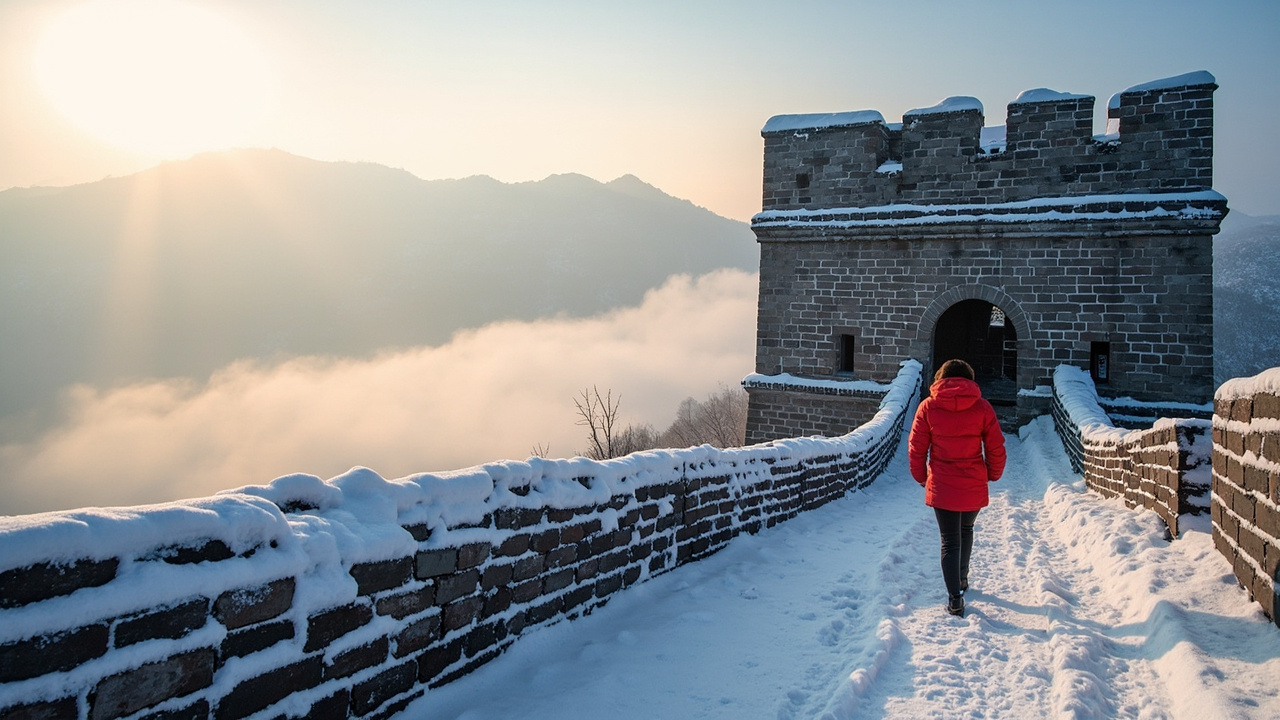
The Great Wall in December is a completely different experience from the summer crowds at Badaling. I went to Mutianyu on a weekday in mid-December, and I had entire sections of the wall to myself. The snow had fallen the night before, and the wall stretched across the mountains like a white ribbon.
Mutianyu is the best section for foreign visitors. It’s less crowded than Badaling, more restored than Jiankou, and the cable car makes it accessible. The wall here is in excellent condition, with watchtowers every few hundred meters. The views over the forested mountains are spectacular, especially with snow on the trees.
The cold is real. The wall is at altitude, and the wind can be brutal. Dress in layers, wear a hat and gloves, and bring hand warmers. The walk from the cable car station to the highest watchtower takes about 45 minutes. It’s worth it for the view.
Getting to Mutianyu from Beijing takes about 2 hours each way. There are direct buses from Dongzhimen, or you can hire a driver for the day. A private driver costs about $80 (550 CNY) for the round trip, which is worth it if you’re in a group.
- 馃搷 Location: Huairou District, about 70 kilometers northeast of Beijing
- 馃帿 Entry fee: About $6 (40 CNY) for the wall. Cable car is an additional $15 (100 CNY) round trip.
- 馃晲 Opening hours: 8 AM to 5 PM in winter. Go early to avoid the tour groups that arrive around 10 AM.
- 馃殕 How to get there: From Beijing, take bus 916 from Dongzhimen to Huairou, then transfer to a local bus to Mutianyu. Or hire a private driver. The drive takes about 2 hours.
- 鈴?When to visit: December through February for snow and solitude. Go on a weekday if possible. Weekends bring domestic tourists.
- 馃挕 Insider tips: The cable car drops you at the base of the wall, but there’s also a chairlift that goes up the other side. Take the cable car up and the chairlift down for different views. Also, the toboggan slide down from the wall is surprisingly fun. It’s about $10 (70 CNY) and worth it.
I met a retired British couple on the wall who had been living in Beijing for a decade. “We come here every winter,” the husband said. “It’s the only time it feels like the wall belongs to the people who walk it, not the tour companies.” He was right.
8. Zhangjiajie — The Avatar Mountains in the Mist
Zhangjiajie is the place that inspired the floating mountains in Avatar. The pillars of quartz sandstone rise hundreds of meters out of the forest, and in December they’re often shrouded in mist. It’s the most surreal landscape I’ve seen in China.
December is the quiet season here. The summer crowds are gone, and the park is peaceful. The weather is cold, around 5-10 degrees Celsius (40-50 Fahrenheit), and often cloudy. But the mist is actually a blessing. It makes the mountains look even more otherworldly.
The main attraction is the Zhangjiajie National Forest Park, which is huge. You’ll need at least two days to see the highlights. The Bailong Elevator, a glass elevator built into the side of a cliff, is a must-do. It takes you up 326 meters in under two minutes. The views from the top are extraordinary.
The glass bridge at Zhangjiajie Grand Canyon is another highlight. It’s the longest and highest glass bridge in the world, and walking across it is terrifying in the best way. In December, the mist below makes it feel like you’re walking on clouds.
- 馃搷 Location: Zhangjiajie City, Hunan Province
- 馃帿 Entry fee: The national park is about $35 (245 CNY) for a 4-day pass. The glass bridge is an additional $20 (140 CNY).
- 馃晲 Opening hours: The park is open 7 AM to 6 PM. Go early to avoid the tour groups.
- 馃殕 How to get there: Fly into Zhangjiajie Hehua Airport. The park is a 40-minute drive from the city. There are shuttle buses from the city center.
- 鈴?When to visit: December and January for the mist and the quiet. The park is at its most atmospheric in winter.
- 馃挕 Insider tips: The Bailong Elevator has long queues even in winter. Go right at opening time to beat the crowds. Also, the park is huge, so use the shuttle buses between the different scenic areas. Don’t try to walk everything.
I stood on the glass bridge in December, looking down at the mist swirling hundreds of meters below, and a young Chinese couple next to me was too scared to move. The woman was gripping the railing with white knuckles. Her boyfriend was taking photos of her fear. I laughed, and she laughed too, and then she took a step forward. Then another.
9. Lijiang and Shangri-La — Old Towns and Snow Mountains
Lijiang is one of those places that’s simultaneously overrated and underrated. The old town itself is a tourist circus, full of shops selling the same souvenirs and bars playing the same music. But the surrounding area is extraordinary, and in December it’s quiet.
The Jade Dragon Snow Mountain looms over the city, and on a clear day it’s stunning. The mountain is over 5,000 meters, and the summit is always snow-covered. There’s a cable car that takes you up to 4,500 meters, where you can walk on a glacier. The altitude is real. Take it slow and bring oxygen if you’re not used to high altitudes.
The old town of Lijiang is a UNESCO World Heritage site, with cobblestone streets and traditional Naxi architecture. It’s beautiful, but it’s also packed with tourists. Go early in the morning, before the shops open, and you’ll see it at its best. The canals that run through the town are the original water system, and they’re still in use.
Shangri-La, about 3 hours north of Lijiang, is a different world. It’s at 3,200 meters, and in December it’s cold and often snowy. The Tibetan Buddhist monasteries here are the real draw. Songzanlin Monastery is the largest in Yunnan, and it’s worth the trip. The town itself is a mix of Tibetan and Han Chinese culture, and it feels like nowhere else in China.
- 馃搷 Location: Yunnan Province, near the Tibetan border
- 馃帿 Entry fee: Lijiang old town is free. Jade Dragon Snow Mountain is about $30 (200 CNY) plus $20 (140 CNY) for the cable car. Songzanlin Monastery is about $15 (100 CNY).
- 馃晲 Opening hours: The old town is open all day. The mountain cable car runs 8 AM to 4 PM.
- 馃殕 How to get there: Fly into Lijiang Sanyi Airport. The old town is a 30-minute taxi ride. For Shangri-La, take a bus from Lijiang (about 3 hours) or hire a driver.
- 鈴?When to visit: December is great for the snow mountain and the quiet. January and February are colder but still fine.
- 馃挕 Insider tips: The altitude at Jade Dragon Snow Mountain is no joke. If you feel dizzy or short of breath, go back down. Also, the cable car tickets sell out early, so book in advance or go before 9 AM. In Shangri-La, the monastery is most atmospheric in the early morning, when the monks are chanting.
I stayed at a guesthouse in Lijiang run by a Naxi woman named A-Mu. She made me breakfast every morning and told me stories about her grandmother, who had walked from Lijiang to Tibet as a young woman. “She was tougher than me,” A-Mu said, laughing. “But I have a smartphone.”
10. Hong Kong — Christmas Lights and Dim Sum
Hong Kong is technically not mainland China, but it’s part of China, and it’s the best place in the country to spend Christmas. The city goes all out for the holiday, with lights on the skyscrapers, Christmas markets, and a festive atmosphere that’s hard to beat.
The Christmas lights on the Tsim Sha Tsui waterfront are the main attraction. Every building on the Hong Kong Island skyline gets lit up, and there’s a nightly light show at 8 PM. The view from the Tsim Sha Tsui promenade is spectacular, with the lights reflecting off Victoria Harbour.
The shopping is also excellent. December is the start of the winter sales, and the malls in Causeway Bay and Tsim Sha Tsui are packed with deals. If you’re looking for luxury goods, Hong Kong is the place to buy them, with no sales tax and prices lower than in mainland China.
The food is the real draw for me. Hong Kong’s dim sum is the best in the world, and the city has more Michelin-starred restaurants per capita than anywhere else. The street food is also fantastic, from egg waffles to fish balls to roast goose.
- 馃搷 Location: Hong Kong Special Administrative Region
- 馃帿 Entry fee: The light show is free. Most attractions are reasonably priced.
- 馃晲 Opening hours: The light show runs at 8 PM every night. Christmas markets run from early December to Christmas Day.
- 馃殕 How to get there: Fly into Hong Kong International Airport. The Airport Express train takes you to the city center in 24 minutes.
- 鈴?When to visit: December is perfect. The weather is mild, around 20 degrees Celsius (68 Fahrenheit), and the Christmas atmosphere is unmatched.
- 馃挕 Insider tips: The light show is best viewed from the Tsim Sha Tsui promenade, but it’s crowded. Go to the top of the K11 Musea building for a quieter view. Also, the dim sum at Tim Ho Wan, a Michelin-starred restaurant, costs about $10 (70 CNY) per person. It’s the cheapest Michelin meal in the world.
I spent Christmas Eve in Hong Kong last year, eating dim sum at a restaurant in Mong Kok and then walking through the Christmas market in Central. The city was alive with lights and music and people. A street performer was singing Christmas carols in Cantonese. I didn’t understand the words, but I understood the feeling.
FAQ summary
December is a good time to visit China if you choose your destinations based on the weather you want. Northern China (Harbin, Beijing, Xi’an) offers winter experiences like the Harbin Ice Festival and snow on the Great Wall, with temperatures ranging from minus 30 to 5 degrees Celsius. Southern China (Yunnan, Guangxi, Hainan) offers mild weather between 10 and 28 degrees Celsius. Most foreign visitors can enter China visa-free for up to 30 days depending on their nationality, and the visa-free transit policies remain active in December. Budget $80-150 per day for a comfortable trip. Set up Alipay or WeChat Pay before you arrive, as cash is rarely used.
FAQ
Do I need a visa to visit China in December? A: It depends on your nationality. Citizens of many countries, including the US, UK, Canada, Australia, and most of Europe, can enter China visa-free for up to 30 days for tourism. Check the latest visa policies before booking your flight.
Is December a good time to visit the Great Wall? A: Yes, if you go to Mutianyu or Jinshanling instead of Badaling. The crowds are much thinner in December, and if you’re lucky, you’ll get snow on the wall. Dress warmly, as the wind at altitude is brutal.
Can I use my phone and internet in China? A: Yes, but you’ll need a VPN because Google, Facebook, Instagram, and WhatsApp are blocked. Buy a China SIM card at the airport or use an eSIM. Download a VPN app before you arrive.
Is it safe to travel in China as a solo traveler? A: Yes. China is one of the safest countries I’ve traveled in. Violent crime against tourists is extremely rare. The main risks are scams in tourist areas and traffic, which is chaotic. Use common sense and you’ll be fine.
What should I pack for China in December? A: It depends on where you’re going. For the north, pack a heavy down jacket, thermal underwear, a hat, gloves, and warm boots. For the south, pack light layers, a waterproof jacket, and comfortable walking shoes. Always bring a power bank, as your phone battery drains faster in cold weather.
Do I need to speak Chinese to travel in China? A: No, but it helps. In major cities and tourist areas, you’ll find some English speakers. Download a translation app like Pleco or Google Translate (with the Chinese language pack downloaded before you arrive). Most restaurant menus have pictures, and pointing works surprisingly well.
How do I get around China in December? A: The high-speed rail network is excellent and connects all major cities. Book tickets in advance through the official 12306 app or a third-party service like Trip.com. For remote areas like Zhangjiajie or Shangri-La, domestic flights are faster.
The Honest Wrap-up
This list is for people who want to see China in December without freezing or melting. It’s for the traveler who wants real experiences, not just photo stops. It’s not for people who want to see everything in one trip, because you can’t. China is too big and December is too varied.
If you’re going to book one trip, I’d say go south. Fly into Kunming, spend a few days in Dali, then move to Lijiang and Shangri-La. You’ll get culture, scenery, good food, and weather that won’t make you miserable. Save Harbin for when you’re ready for an adventure.
One last piece of advice. Download Alipay and set it up before you leave home. Link your international credit card. Test it with a small payment. China is a cashless society, and trying to pay with cash or a foreign card will make your life difficult. I’ve seen too many travelers struggle with this. Don’t be one of them.
And when you’re standing somewhere beautiful, whether it’s the frozen ice castles of Harbin or the misty mountains of Zhangjiajie, put your phone down for a minute. Just look. That’s the part you’ll remember.
Topics
More guides you may like
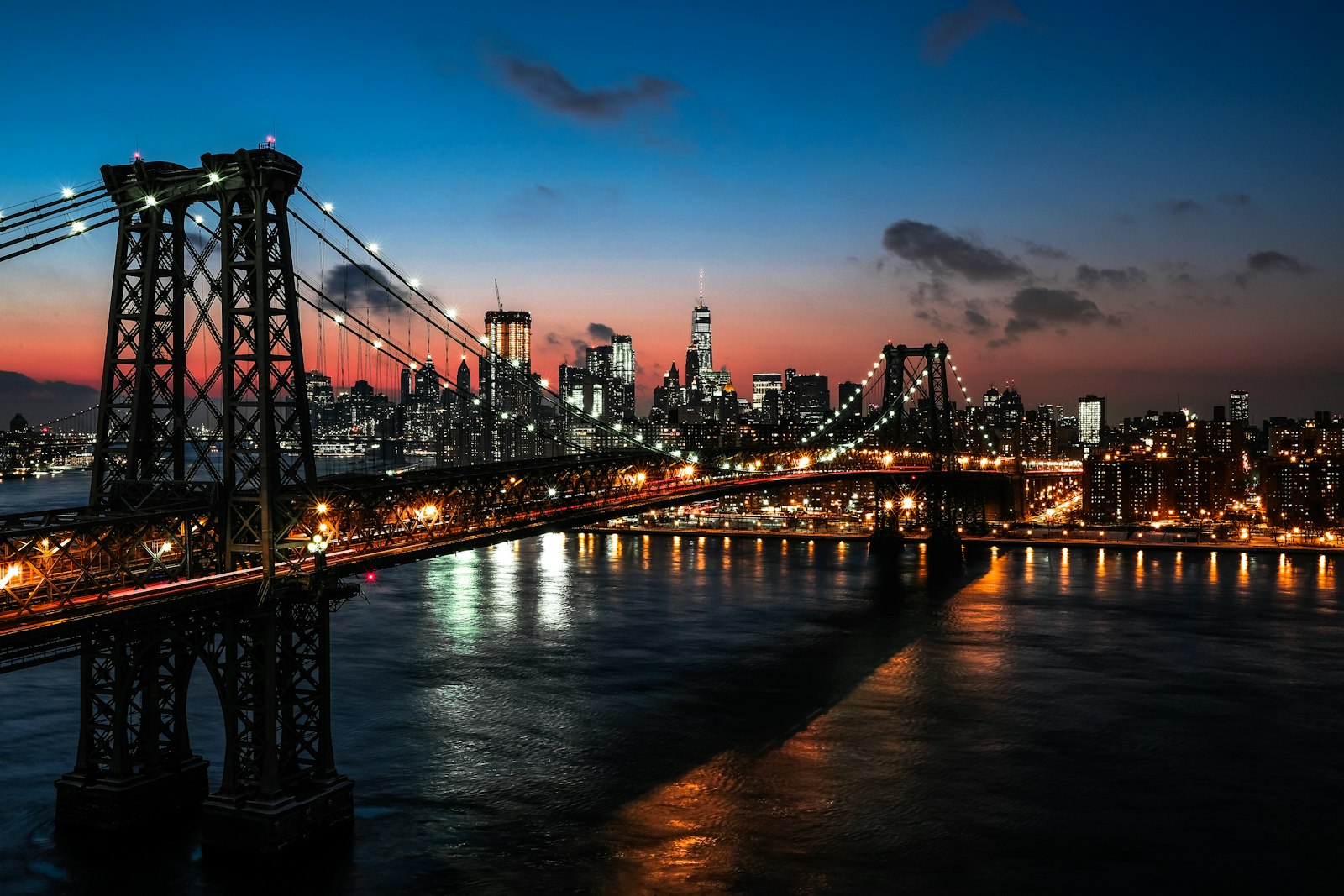
Top 10 Bridges in China
China's bridges are engineering marvels spanning mountains, rivers, and seas. Here are 10 of the most spectacular, from ancient stone to modern steel.
8 min read

Top 10 Buddhist Sites in China
From the Leshan Giant Buddha to the Dunhuang Caves, these 10 Buddhist sites represent 2,000 years of China's spiritual heritage.
9 min read
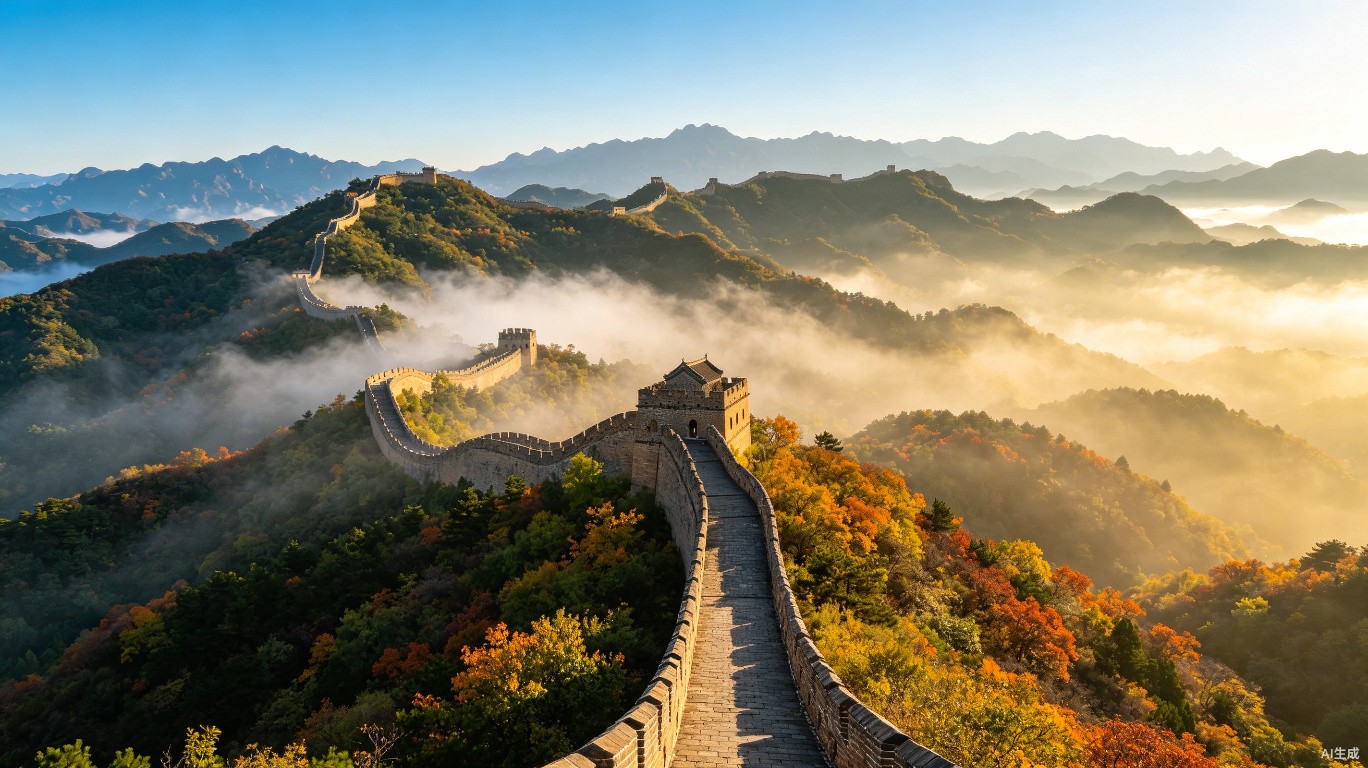
Top 10 Day Trips from Beijing You Shouldn't Miss
Beijing is packed with history, but some of China's best experiences are just a few hours away. Here are 10 day trips that will transform your visit.
9 min read
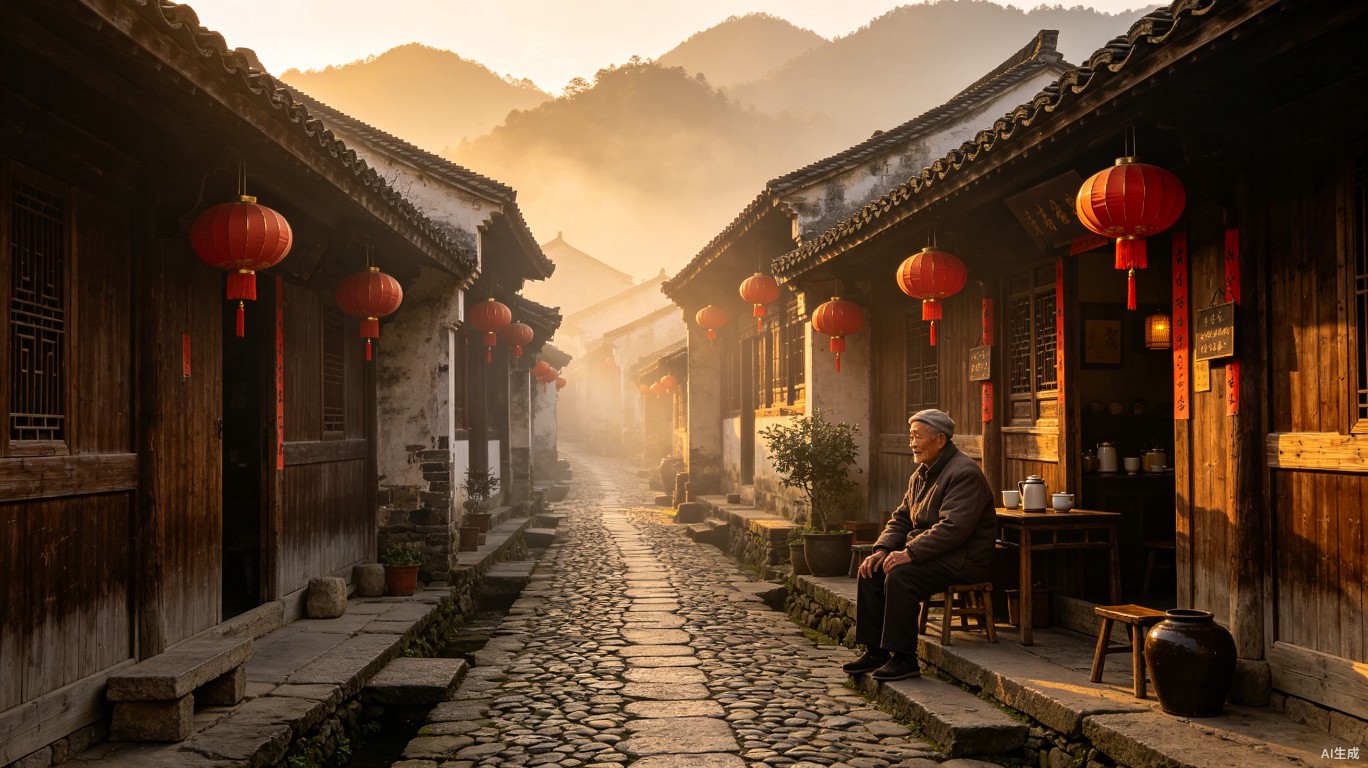
Top 10 Hidden Gems in China Off the Beaten Path
Beyond the Great Wall and Terracotta Warriors, China has incredible hidden destinations few tourists ever reach. Here are 10 underrated gems worth the detour.
9 min read
Top 10 Markets and Shopping Streets in China
From Shanghai's Bund to Beijing's Silk Street - 10 markets where foreigners can haggle, explore, and bring home authentic Chinese goods.
9 min read
Top 10 Museums in China You Shouldn't Miss
China's museums span 5,000 years of civilization. These 10 - from the Palace Museum to Xi'an's terracotta gallery - are unmissable for culture lovers.
9 min read