
China Accessible Travel Guide
The first time I tried to cross a Beijing street with my suitcase, I nearly got clipped by a delivery scooter. The driver swerved, laughed, and kept going.
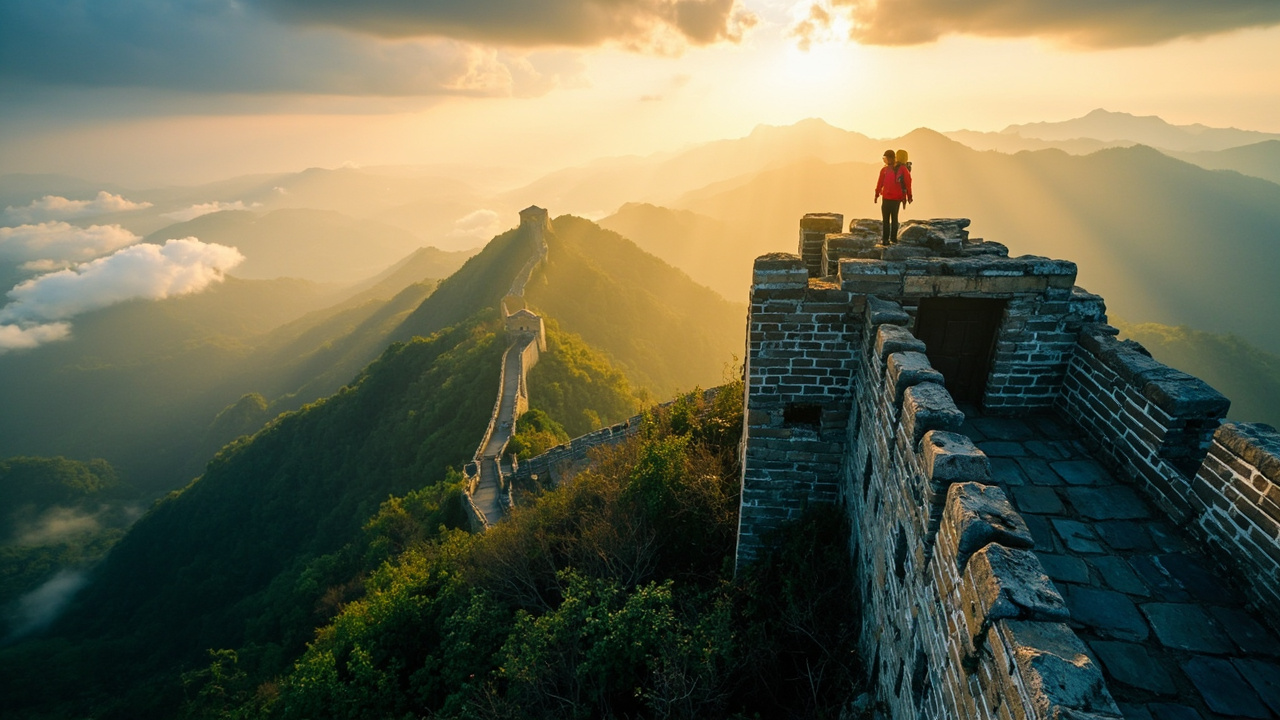
The first time I tried to cross a Beijing street with my suitcase, I nearly got clipped by a delivery scooter. The driver swerved, laughed, and kept going. That was my welcome to China. Seven years later, I’ve crisscrossed this country more than forty times, and I still get caught off guard by how different travel here is. But here’s the thing: the accessibility gap between “intimidating” and “actually doable” is smaller than most people think.
China’s infrastructure is genuinely impressive. High-speed trains run like clockwork. Subway systems are modern, clean, and cheap. The food is extraordinary. The history is overwhelming. But the friction points are real: payment apps, VPNs, language barriers, and a booking system that doesn’t always speak English. This guide is what I wish someone had handed me before my first trip. It’s practical, opinionated, and built from actual mistakes I’ve made so you don’t have to.
Quick answer
Yes, China is accessible for first-time international tourists in 2026, especially with the expanded visa-free transit policy (240 hours for 54 countries) and Alipay/WeChat Pay setup completed before arrival. Plan for 10-14 days, budget $100-150 per day (CNY 700-1100) including hotels and transport, and bring a VPN-ready phone with a local eSIM. The high-speed rail network is your best friend, but book tickets through Trip.com or a hotel concierge since the official 12306 app is Chinese-only.
The Short Version
If you only have 90 seconds: get your visa sorted (or confirm you’re visa-free), set up Alipay with a foreign card, download a VPN before you land, and book your first two nights of accommodation in advance. Everything else can be figured out on the ground. China is not a “wing it” destination, but it’s also not the logistical nightmare some travel forums claim. The trains are excellent, the food is cheap, and the people are far more helpful than the language barrier suggests. Go with patience and a translation app, and you’ll be fine.
How I Picked These
I’ve lived in Beijing since 2019 and have made repeated trips to every destination on this list, most of them multiple times. I’ve missed trains, eaten things I couldn’t identify, and once spent three hours trying to find a hotel that had moved without updating its online listing. I’ve also had taxi drivers refuse payment, hostel staff draw me maps on napkins, and a noodle shop owner in Chengdu insist I try his family’s chili oil recipe. This guide is built from those experiences, plus conversations with other long-term expats, local friends, and the occasional bewildered tourist I’ve helped at train stations. I’ve kept the list to places that are genuinely worth your time and logistically manageable for a first-timer.
Comparison Table
| Rank | Place | Best For | Approx Cost (USD) | Time Needed | When to Go |
|---|---|---|---|---|---|
| 1 | Beijing | History, food, culture | $80-120/day | 3-4 days | Apr-May, Sep-Oct |
| 2 | Xi’an | Terracotta Warriors, ancient walls | $60-90/day | 2 days | Mar-May, Sep-Nov |
| 3 | Shanghai | Modern China, nightlife, architecture | $90-140/day | 2-3 days | Mar-May, Oct-Nov |
| 4 | Chengdu | Pandas, Sichuan food, teahouses | $50-80/day | 2-3 days | Mar-Jun, Sep-Nov |
| 5 | Guilin/Yangshuo | Karst landscapes, countryside | $40-70/day | 2-3 days | Apr-Oct |
| 6 | Zhangjiajie | Avatar mountains, glass bridges | $50-80/day | 2 days | Apr-Jun, Sep-Oct |
| 7 | Hong Kong | City energy, harbor views, food | $100-180/day | 2-3 days | Oct-Dec |
| 8 | Hangzhou | West Lake, tea plantations, temples | $60-100/day | 1-2 days | Mar-May, Sep-Nov |
| 9 | Suzhou | Classical gardens, canals | $50-80/day | 1-2 days | Mar-May, Sep-Oct |
| 10 | Lhasa | Tibetan culture, high-altitude landscapes | $70-110/day | 3-4 days | Apr-Oct |
Beijing 鈥?The City That Rewards Patience
I remember my first morning in Beijing, standing on the roof of my rented apartment and watching the smog slowly burn off the skyline. The city felt enormous, chaotic, and utterly indifferent to my existence. Seven years later, I still get that feeling sometimes. But Beijing rewards patience. The hutongs are a maze, the traffic is brutal, and the sheer scale of the place can be overwhelming. Yet once you learn to navigate it, you’ll find a city with more history than most countries and food that will ruin you for everything else.
The Forbidden City is the obvious starting point, and it deserves the hype. But the real magic is in the courtyard homes and narrow alleys that surround it. The Great Wall at Mutianyu is the right choice for first-timers: less crowded than Badaling, with a cable car and toboggan ride that make it genuinely fun. The Summer Palace is worth a half-day for its lakeside walks and hilltop views. And the food scene is relentless: Peking duck at Siji Minfu, jianbing from street carts, and lamb skewers in the night markets.
- 馃搷 Location: Central Beijing, primarily Dongcheng and Xicheng districts
- 馃帿 Entry fee: Forbidden City $8 (CNY 60), Great Wall at Mutianyu $6 (CNY 45) plus cable car $15 (CNY 100)
- 馃晲 Opening hours: Forbidden City 8:30-17:00 (closed Mondays), Great Wall 7:30-18:00
- 馃殕 How to get there: For the Forbidden City, take Line 1 to Tiananmen East Station, Exit A, walk 5 minutes north. For Mutianyu, take a bus from Dongzhimen Station or book a private driver
- 鈴?When to visit: April-May and September-October for mild weather. Weekdays are significantly less crowded than weekends
- 馃挕 Insider tips: Book the Forbidden City tickets online at least a week ahead (they sell out). Bring your passport for all ticket purchases. The Mutianyu toboggan ride down the Great Wall is worth the $15. Learn to say “bu yao la” (no spice) before you eat. Download the Metro Subway app for offline maps
I once spent an entire afternoon in a hutong teahouse with an elderly man who insisted on teaching me how to properly steep oolong tea. He spoke no English, I spoke no Mandarin, and we communicated through gestures and shared laughter for three hours. That’s Beijing.
Xi’an 鈥?Where History Hits You in the Face
The first time I saw the Terracotta Warriors, I actually laughed out loud. Not because they’re funny, but because the sheer scale of the thing is absurd. Thousands of life-sized soldiers, each with a unique face, standing in formation after 2,200 years. It’s the kind of sight that makes you feel small in the best possible way. Xi’an is like that: a city that doesn’t just have history, it’s built on top of it.
The warriors are the main event, and they’re worth the trip on their own. But Xi’an has more to offer. The ancient city wall is one of the best-preserved in the world, and renting a bike to ride the full 14 kilometers is a perfect afternoon activity. The Muslim Quarter is a sensory overload of street food, spices, and souvenirs. And the Big Wild Goose Pagoda, while touristy, has a lovely evening fountain show that kids and adults both enjoy.
- 馃搷 Location: Central Xi’an, primarily around the city wall and the Muslim Quarter
- 馃帿 Entry fee: Terracotta Warriors $20 (CNY 150), City Wall $7 (CNY 54), bike rental $5 (CNY 35)
- 馃晲 Opening hours: Terracotta Warriors 8:30-18:00 (last entry 17:00), City Wall 8:00-22:00
- 馃殕 How to get there: From Xi’an North Station, take Metro Line 4 to Dayanta Station for the pagoda, or take a direct bus (游5) to the Terracotta Warriors. The bus leaves from the east side of the train station
- 鈴?When to visit: March-May and September-November. Arrive at the Terracotta Warriors at 8:30 AM to beat the tour groups
- 馃挕 Insider tips: The Terracotta Warriors site has three pits; most tourists rush through Pit 1 and miss the smaller, more detailed Pit 3. Hire a guide at the entrance for $20 (CNY 150) 鈥?worth it for context. Try the biang biang noodles in the Muslim Quarter. The city wall is best at sunset when the light turns golden. Skip the “official” Terracotta Warriors museum shop and buy souvenirs outside the main gate for half the price
I made the mistake of taking a “free” tour from a guy outside my hotel. It wasn’t free, and the “museum” he took me to was a gift shop with a few fake warriors. Lesson learned: only use official guides at the ticket gate.
Shanghai 鈥?The Future, With a Side of History
Shanghai is the China I didn’t expect. I arrived expecting a more polished version of Beijing, and instead found a city that feels like it’s already living in 2035. The skyline from the Bund at night is genuinely breathtaking, with the Pearl Tower and Shanghai Tower lighting up the skyline like a sci-fi movie. But the city has layers: the French Concession’s tree-lined streets, the Art Deco buildings of the Bund, and the old shikumen houses that hide behind modern facades.
The Bund is the obvious starting point, and it’s worth seeing both during the day and at night. The French Concession is perfect for a lazy afternoon of café-hopping and people-watching. Yu Garden is a classic, though it gets crowded. And for a truly local experience, take the ferry across the Huangpu River for $0.50 (CNY 4) instead of the overpriced sightseeing boats.
- 馃搷 Location: Central Shanghai, primarily Huangpu and Xuhui districts
- 馃帿 Entry fee: Bund free, Yu Garden $5 (CNY 40), Shanghai Tower observation deck $25 (CNY 180)
- 馃晲 Opening hours: Yu Garden 8:45-16:45 (closed Mondays), Shanghai Tower 8:30-21:30
- 馃殕 How to get there: Take Metro Line 2 to East Nanjing Road Station, Exit 1, and walk east to the Bund. For the French Concession, take Line 10 to Xintiandi Station
- 鈴?When to visit: March-May and October-November. The Bund is best at sunset when the lights come on
- 馃挕 Insider tips: The ferry across the Huangpu River is the best-value sightseeing in Shanghai. Skip the Shanghai Tower observation deck if you’re on a budget; the views from the Bund are free. The Xintiandi area is touristy but has great people-watching. Try xiaolongbao (soup dumplings) at Din Tai Fung or a local joint in the old city. Use the Metro; taxis get stuck in traffic
I once spent an evening in a French Concession bar with a Shanghai local who’d lived in the same apartment for 40 years. He told me about watching the city change from a small river town to a global metropolis, and I realized Shanghai’s real history is in its people, not its buildings.
Chengdu 鈥?The City That Taught Me to Slow Down
Chengdu is the only city in China where I’ve seen people nap in public parks at 3 PM without a hint of self-consciousness. The pace is slower here, the tea is cheaper, and the food is dangerously good. I came for the pandas and stayed for the teahouses.
The Giant Panda Breeding Research Base is the main draw, and it’s worth getting there early to see the pandas active before they nap. But Chengdu’s real charm is in its everyday life: the teahouses of People’s Park, the spicy hotpot restaurants that line the streets, and the laid-back attitude that makes you forget you’re in a city of 21 million people.
- 馃搷 Location: Central Chengdu, primarily Jinjiang and Qingyang districts
- 馃帿 Entry fee: Panda Base $7 (CNY 55), People’s Park free, teahouse tea $2-4 (CNY 15-30)
- 馃晲 Opening hours: Panda Base 7:30-18:00 (pandas most active before 10 AM), People’s Park 6:00-22:00
- 馃殕 How to get there: Take Metro Line 3 to Panda Avenue Station, then a 10-minute walk to the base. For People’s Park, take Line 2 to People’s Park Station, Exit A
- 鈴?When to visit: March-June and September-November. Arrive at the Panda Base by 8 AM to see them active
- 馃挕 Insider tips: The hotpot here is no joke 鈥?order “weila” (mild) unless you’re a spice warrior. The teahouses in People’s Park are where locals actually hang out; grab a seat, order a pot of jasmine tea, and watch the world go by. Try the mapo tofu at Chen Mapo Tofu, the original restaurant. The Jinli Street night market is touristy but fun for souvenirs. Learn to say “bu la” (not spicy) if you can’t handle heat
A teahouse owner in People’s Park once spent 20 minutes showing me how to properly pour tea from a long-spouted pot. I still can’t do it without spilling, but the lesson was worth it.
Guilin & Yangshuo 鈥?The Landscape That Made Me Believe in Postcards
I’d seen the karst mountains in photos a hundred times, but nothing prepared me for the reality. The limestone peaks rise out of the rice paddies like something from a dream, and the Li River winds through them like a silver ribbon. It’s the kind of landscape that makes you want to write bad poetry.
The Li River cruise from Guilin to Yangshuo is the classic experience, and it’s worth the $50 (CNY 350) for the four-hour journey. But Yangshuo itself is where the magic happens: rent a bicycle, ride through the countryside, and get lost among the rice fields and villages. The West Street area is touristy, but the surrounding countryside is genuinely unspoiled.
- 馃搷 Location: Guilin city and Yangshuo county, about 1.5 hours apart by bus or train
- 馃帿 Entry fee: Li River cruise $50 (CNY 350), bike rental $5-10 (CNY 35-70), Yulong River bamboo raft $30 (CNY 200)
- 馃晲 Opening hours: Li River cruises run 9:00-11:00 AM daily, bamboo rafts 8:00-17:00
- 馃殕 How to get there: From Guilin North Station, take the high-speed train to Yangshuo Station (30 minutes, $10/CNY 70), then a 20-minute bus to town
- 鈴?When to visit: April-October for the best weather. Avoid Chinese holidays (May 1-5, October 1-7) when the area gets packed
- 馃挕 Insider tips: Skip the Li River cruise if you’re on a budget; the Yulong River bamboo raft is cheaper and more intimate. Rent an e-bike instead of a regular bicycle if you’re not fit. The best views are from the top of Moon Hill, but it’s a steep climb. Try the beer fish (啤酒鱼) in Yangshuo 鈥?it’s a local specialty. Book your accommodation in advance during peak season
I once got hopelessly lost on a bike ride in Yangshuo and ended up at a village wedding. The family insisted I join the celebration, and I spent the afternoon eating, drinking, and dancing with people I couldn’t communicate with. It was the best mistake I’ve ever made.
Zhangjiajie 鈥?The Mountains That Inspired Avatar
The first time I saw the sandstone pillars of Zhangjiajie, I understood why James Cameron used them as inspiration for the floating mountains in Avatar. They rise out of the mist like something from another world, and the glass bridge suspended between two peaks will test your nerve.
The national park is vast, and you’ll need at least two days to see the highlights. The Bailong Elevator, which rises 326 meters up the side of a cliff, is a surreal experience. The glass bridge at Zhangjiajie Grand Canyon is terrifying and thrilling in equal measure. And the Tianmen Mountain cable car, which climbs 1,500 meters in 30 minutes, offers views that will make your palms sweat.
- 馃搷 Location: Zhangjiajie city, Hunan Province, about 4 hours by train from Changsha
- 馃帿 Entry fee: National park $35 (CNY 245) for a 4-day pass, glass bridge $20 (CNY 138), Bailong Elevator $15 (CNY 100)
- 馃晲 Opening hours: Park 7:00-18:00, glass bridge 8:00-17:00
- 馃殕 How to get there: From Zhangjiajie West Station, take a bus or taxi to the park entrance (30 minutes, $10/CNY 70)
- 鈴?When to visit: April-June and September-October. The park is often foggy in the morning, which is actually the best time for photos
- 馃挕 Insider tips: Take the cable car up and the Bailong Elevator down to avoid the worst queues. The park is huge; don’t try to see everything in one day. Bring rain gear; the weather changes fast. The glass bridge requires a separate ticket and time slot 鈥?book ahead. Stay in Wulingyuan town near the park entrance for easy access
I stood on the glass bridge for 20 minutes before I could walk across it. A Chinese grandmother who was probably 70 years old walked past me without a second thought, laughing at my fear.
Hong Kong 鈥?The City That Never Sleeps (and Never Stops Moving)
Hong Kong is technically a different administrative region, but it’s a natural addition to any China trip. The city is a sensory assault in the best way: the harbor views, the neon signs, the street food, and the relentless energy. It’s also the easiest place in the region for first-time travelers, with English widely spoken and a transport system that’s a model of efficiency.
The Star Ferry across Victoria Harbour is a classic, and at $0.50 (CNY 4) it’s the best value in the city. Victoria Peak offers panoramic views, though the tram ride up is almost as fun as the view. The Temple Street Night Market is a chaotic delight, and the dim sum in any local teahouse will ruin you for everything else.
- 馃搷 Location: Hong Kong Island and Kowloon, connected by the MTR and Star Ferry
- 馃帿 Entry fee: Star Ferry $0.50 (CNY 4), Victoria Peak Tram $8 (CNY 55), Big Buddha cable car $25 (CNY 175)
- 馃晲 Opening hours: Star Ferry 6:30-23:30, Peak Tram 7:00-23:00
- 馃殕 How to get there: Fly into Hong Kong International Airport, then take the Airport Express train to Central (24 minutes, $15/CNY 100)
- 鈴?When to visit: October-December for the best weather. Avoid summer typhoon season (July-September)
- 馃挕 Insider tips: Get an Octopus card for public transport 鈥?it works on the MTR, buses, ferries, and even at some convenience stores. The Peak Tram is packed at sunset; go at 9 AM instead. Try the egg waffles from street stalls. The MTR is the fastest way to get around; taxis are expensive and slow. Learn a few Cantonese phrases; English is common but locals appreciate the effort
I once asked a street food vendor in Mong Kok what his most popular item was. He handed me a skewer of something I couldn’t identify, and it was the best thing I ate all week. I still don’t know what it was.
Hangzhou 鈥?The City That Inspired Poets
Hangzhou is the kind of city that makes you understand why Chinese poets spent centuries writing about it. West Lake is the centerpiece, a vast body of water surrounded by willow trees, pagodas, and hills. It’s beautiful in every season, but especially in spring when the cherry blossoms bloom and in autumn when the leaves turn gold.
The lake is best explored on foot or by bike, with the Su Causeway and Bai Causeway offering the classic views. The Lingyin Temple, one of China’s most important Buddhist sites, is worth a visit for its ancient carvings and peaceful atmosphere. And the Longjing tea plantations on the outskirts of the city are where you can taste some of China’s finest green tea.
- 馃搷 Location: Central Hangzhou, primarily around West Lake and the surrounding hills
- 馃帿 Entry fee: West Lake free, Lingyin Temple $6 (CNY 45), tea plantation tours $10-20 (CNY 70-140)
- 馃晲 Opening hours: West Lake always open, Lingyin Temple 7:00-18:00
- 馃殕 How to get there: From Hangzhou East Station, take Metro Line 1 to Longxiangqiao Station, then walk 10 minutes to the lake
- 鈴?When to visit: March-May and September-November. Weekdays are much quieter than weekends
- 馃挕 Insider tips: Rent a bike to explore the lake; it’s too big to walk around entirely. The Longjing tea village is touristy but worth it for the tea tasting. Try the Dongpo pork, a Hangzhou specialty. The lake is best at sunrise when the mist is still on the water. Skip the tourist boats; the views from the shore are just as good
I spent an afternoon in a Longjing tea house with a farmer who showed me how to properly brew the tea. He explained that the best leaves are picked before Qingming Festival in April, and that the water temperature matters more than the tea itself.
Suzhou 鈥?The Gardens That Made Me Understand Chinese Aesthetics
Suzhou is often called the “Venice of the East,” and while that’s a lazy comparison, the city’s canals and classical gardens are genuinely special. The gardens are the main draw, and they’re the perfect introduction to Chinese landscape design: every rock, tree, and pavilion is placed with intention, creating miniature worlds that feel both natural and deeply artificial.
The Humble Administrator’s Garden is the most famous, and it deserves the attention. But the smaller gardens, like the Master of the Nets Garden, are often more intimate and less crowded. The city’s canals are best explored by boat, and the Pingjiang Road area is perfect for a leisurely stroll.
- 馃搷 Location: Central Suzhou, primarily around the old city and the gardens
- 馃帿 Entry fee: Humble Administrator’s Garden $10 (CNY 70), Master of the Nets Garden $5 (CNY 40), canal boat ride $15 (CNY 100)
- 馃晲 Opening hours: Gardens 7:30-17:30 (varies by season)
- 馃殕 How to get there: From Suzhou Station, take Metro Line 4 to Beisita Station, then walk 10 minutes to the Humble Administrator’s Garden
- 鈴?When to visit: March-May and September-October. The gardens are best in the morning before the crowds arrive
- 馃挕 Insider tips: Visit the Master of the Nets Garden in the evening for the night tours (April-October). The gardens are more about the details than the big picture; take your time. Try the squirrel-shaped mandarin fish, a Suzhou specialty. The Pingjiang Road area has great teahouses and souvenir shops. Book garden tickets online to skip the queues
I once spent an hour in the Humble Administrator’s Garden trying to photograph a single rock formation. A local photographer saw me and spent 20 minutes showing me the perfect angle. The photo still hangs on my wall.
Lhasa 鈥?The Roof of the World
Lhasa is not an easy trip, but it’s one of the most rewarding places I’ve ever been. At 3,650 meters above sea level, the altitude is real, and the first few days will be tough. But the reward is a city that feels completely different from anywhere else in China: Tibetan Buddhism is everywhere, from the prayer flags that flutter on every rooftop to the pilgrims who circle the Jokhang Temple on their hands and knees.
The Potala Palace is the obvious highlight, and it’s worth the climb up the hundreds of steps. The Jokhang Temple is the spiritual heart of the city, and the Barkhor Street market around it is a sensory overload of incense, prayer wheels, and colorful textiles. The Sera Monastery, just outside the city, is famous for its monks’ debates, which are a fascinating spectacle.
- 馃搷 Location: Central Lhasa, primarily around the old town and the Potala Palace
- 馃帿 Entry fee: Potala Palace $15 (CNY 100) in winter, $30 (CNY 200) in summer, Jokhang Temple $12 (CNY 85)
- 馃晲 Opening hours: Potala Palace 9:00-17:00 (closed some days), Jokhang Temple 8:00-17:30
- 馃殕 How to get there: Fly into Lhasa Gonggar Airport, then take a 1-hour taxi to the city. Alternatively, take the Qinghai-Tibet Railway from Xining (22 hours, $50-100/CNY 350-700)
- 鈴?When to visit: April-October. Avoid winter unless you’re prepared for cold and limited services
- 馃挕 Insider tips: Acclimatize for at least a day before visiting the Potala Palace. Book Potala Palace tickets a week ahead; they sell out fast. The monks’ debates at Sera Monastery happen most afternoons around 3 PM. Bring cash; many places don’t accept cards. The altitude is no joke; drink lots of water and avoid alcohol for the first two days
I spent an afternoon in a Lhasa teahouse with a Tibetan monk who spoke perfect English. He told me about his childhood in a remote village and his journey to the monastery. It was the closest I’ve come to understanding a culture that’s completely different from my own.
FAQ summary
For first-time visitors in 2026, the most important takeaways are: check if you qualify for the 240-hour visa-free transit policy before booking flights, set up Alipay and WeChat Pay with a foreign card before arrival, and download a VPN and translation app on your phone. The high-speed rail network is the best way to travel between cities, and booking through Trip.com or a hotel concierge is easier than using the official 12306 app. Budget $100-150 per day (CNY 700-1100) for a comfortable trip, and plan for 10-14 days to see the highlights.
FAQ
Q: Do I need a visa to visit China in 2026? A: Citizens of 54 countries, including the US, UK, Canada, Australia, and most EU nations, qualify for the 240-hour visa-free transit policy if they’re transiting through China to a third country. For direct entry and longer stays, you’ll need a standard tourist visa, which costs about $140 (CNY 1000) and takes 4-7 business days to process.
Q: Can I use my credit card in China? A: Not reliably. China is a cashless society, and most places only accept Alipay or WeChat Pay. Set up both apps with your foreign credit card before you arrive, and carry some cash as a backup. This guide explains the setup process.
Q: Is English widely spoken in China? A: No. English is common in major hotels, tourist attractions, and some restaurants, but most locals don’t speak it. Download a translation app like Google Translate or Pleco before you arrive, and learn a few basic phrases like “ni hao” (hello) and “xie xie” (thank you).
Q: Do I need a VPN for internet access in China? A: Yes. Google, Facebook, Instagram, WhatsApp, and many other Western sites are blocked. Download a VPN app before you arrive, and test it before you land. This guide covers SIM cards and internet access.
Q: How do I book high-speed train tickets? A: The official 12306 app is Chinese-only, so use Trip.com or a hotel concierge to book tickets. You’ll need your passport number, and you can collect tickets at the station using your passport. This guide explains the train system.
Q: What’s the best time to visit China? A: April-May and September-October are the best months for most of the country, with mild temperatures and less rain. Avoid Chinese national holidays (May 1-5, October 1-7) when everything is packed and prices spike.
Q: Is China safe for tourists? A: Yes, China is generally very safe. Violent crime is rare, and the main risks are petty scams and pickpocketing in tourist areas. Use common sense, keep your passport safe, and you’ll be fine.
The Honest Wrap-up
This list is for the traveler who wants to see China’s highlights without feeling like they’re on a package tour. It’s for the person who’s willing to deal with a little discomfort in exchange for genuine experiences. It’s not for the traveler who wants everything to be easy, because China isn’t easy. The language barrier is real, the payment systems are confusing, and the crowds can be overwhelming.
But here’s the thing: China is also the most rewarding travel destination I’ve ever experienced. The food is incredible, the history is profound, and the people are genuinely welcoming. If you go with patience, an open mind, and a good translation app, you’ll have the trip of a lifetime. My final advice: book your first two nights in Beijing, then leave the rest open. The best experiences in China are the ones you stumble into by accident.
Topics
More guides you may like

Top 10 Bridges in China
China's bridges are engineering marvels spanning mountains, rivers, and seas. Here are 10 of the most spectacular, from ancient stone to modern steel.
8 min read

Top 10 Buddhist Sites in China
From the Leshan Giant Buddha to the Dunhuang Caves, these 10 Buddhist sites represent 2,000 years of China's spiritual heritage.
9 min read

Top 10 Day Trips from Beijing You Shouldn't Miss
Beijing is packed with history, but some of China's best experiences are just a few hours away. Here are 10 day trips that will transform your visit.
9 min read

Top 10 Hidden Gems in China Off the Beaten Path
Beyond the Great Wall and Terracotta Warriors, China has incredible hidden destinations few tourists ever reach. Here are 10 underrated gems worth the detour.
9 min read

Top 10 Markets and Shopping Streets in China
From Shanghai's Bund to Beijing's Silk Street - 10 markets where foreigners can haggle, explore, and bring home authentic Chinese goods.
9 min read

Top 10 Museums in China You Shouldn't Miss
China's museums span 5,000 years of civilization. These 10 - from the Palace Museum to Xi'an's terracotta gallery - are unmissable for culture lovers.
9 min read