
Urumqi Xinjiang Gateway
The cab driver in Urumqi didn't speak a word of English, and my Mandarin is limited to ordering noodles and saying thank you.
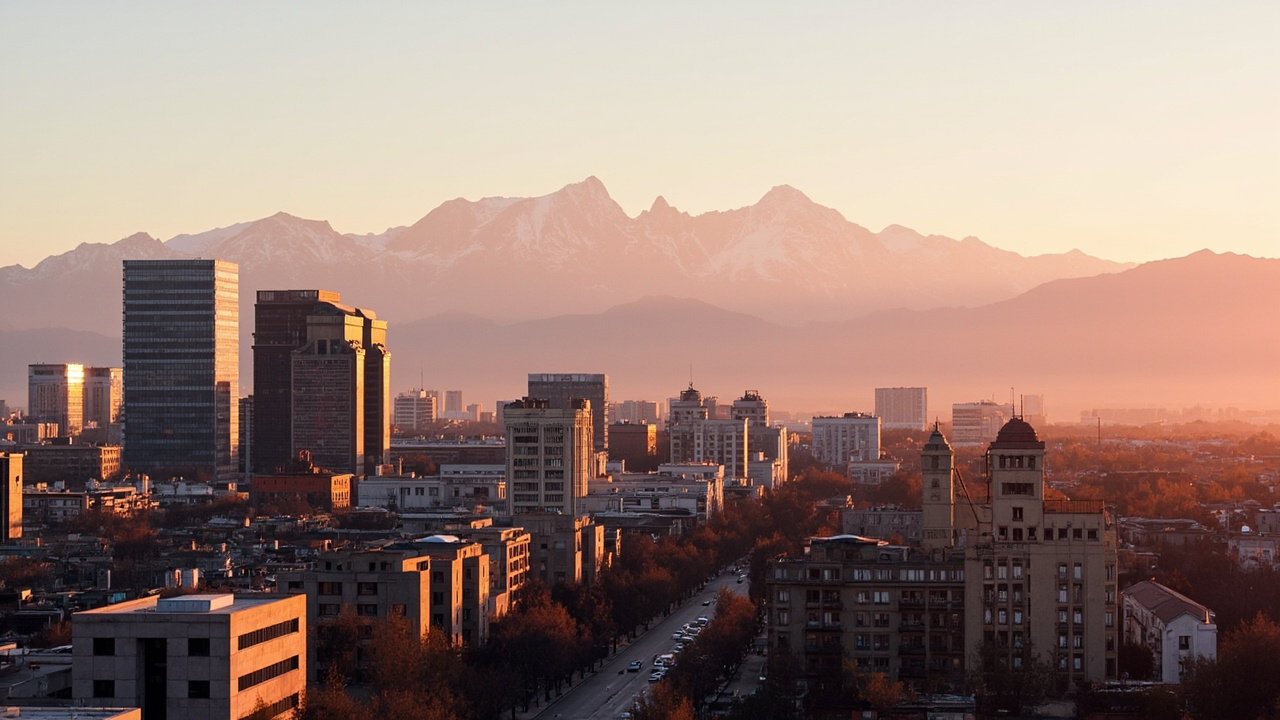
The cab driver in Urumqi didn’t speak a word of English, and my Mandarin is limited to ordering noodles and saying thank you. We drove in silence past the parade of Soviet-era apartment blocks and gleaming new glass towers, the Tianshan mountains a jagged white wall on the southern horizon. He pointed at the sky, then at me, and grinned. I didn’t understand until he pulled over at a roadside stand and bought me a chunk of fresh naan bread, still warm from the clay oven. That was my first hour in Urumqi, and it set the tone for everything that followed: this city doesn’t explain itself to you, but it feeds you anyway.
Urumqi is the gateway to China’s far west, a place that feels less like the China most tourists imagine and more like a crossroads of Central Asia. It’s the most remote major city on Earth, the furthest from any ocean, and it sits at the base of the Tianshan range, the natural border between China and the rest of the continent. For first-time visitors, it’s a launching pad for the grasslands of the Ili Valley, the frozen lakes of the Altai, and the ancient Silk Road cities of Turpan and Kashgar. But Urumqi itself deserves more than a layover.
This guide covers the ten places I think are worth your time in and around Urumqi, based on multiple trips over the past seven years. I’ll tell you what to skip, what to prioritize, and how to navigate a city where English signage is rare and the food is unlike anything you’ll find in Beijing or Shanghai.
Quick answer
Urumqi is China’s western gateway, best visited from May to September when the grasslands are green and the mountain passes are open. Most international visitors can enter China visa-free for up to 30 days (as of 2026), which covers a typical Xinjiang itinerary. Budget at least 3-4 days for Urumqi and its immediate surroundings, and expect to pay around $50-80 per day (CNY 360-580) for a mid-range hotel, meals, and local transport.
The Short Version
If you only have 90 seconds, here’s the deal: Urumqi is not a beautiful city, but it’s a fascinating one. The food is spectacular, the mountains are close, and the cultural mix of Uyghur, Han, Kazakh, and Mongolian communities makes it unlike anywhere else in China. Don’t skip the Xinjiang Regional Museum, don’t miss the Grand Bazaar at night, and absolutely take a day trip into the Tianshan range. Skip the Red Hill Tower if you’re short on time, and don’t bother with the so-called “Heavenly Lake” if you’ve seen better alpine lakes elsewhere. The real magic is in the streets, the markets, and the mountain valleys beyond the city limits.
How I Picked These
I’ve been to Urumqi four times since 2019, including two trips specifically for this guide. I rode the new metro lines, got lost in the bazaar, hiked in the Tianshan foothills, and ate more lamb than I care to admit. I talked to Uyghur tea shop owners, Kazakh herders, Han Chinese engineers, and a Russian-speaking tour guide who’d been showing people around Xinjiang since the 1990s. I also made plenty of mistakes, which I’ll share so you don’t repeat them. The places below are the ones I’d go back to, the ones I’d recommend to a friend, and the ones that survived the “would I actually want to be here right now” test.
Comparison Table
| Rank | Place | Best For | Approx Cost (USD) | Time Needed | When to Go |
|---|---|---|---|---|---|
| 1 | Xinjiang Regional Museum | History & culture | Free | 2-3 hours | Year-round |
| 2 | Grand Bazaar | Food & shopping | $5-20 | 2-4 hours | Evenings |
| 3 | Tianshan Tianchi (Heavenly Lake) | Scenery | $45 (incl. shuttle) | Full day | June-September |
| 4 | Southern Pastures (Nanshan) | Grasslands & hiking | $30-50 | Full day | May-September |
| 5 | Red Hill Park | City views | $3 | 1-2 hours | Sunset |
| 6 | Xinjiang Silk Road Museum | Silk Road history | $5 | 1-2 hours | Year-round |
| 7 | Shuimogou Park | Hot springs & relaxation | $10 | Half day | Year-round |
| 8 | Urumqi Zoo | Family outing | $8 | 2-3 hours | Spring/Autumn |
| 9 | People’s Park | Local life | Free | 1 hour | Morning |
| 10 | Salt Lake | Photography | $15 | Half day | Year-round |
1. Xinjiang Regional Museum — The Best Museum in Western China
I spent three hours in this museum and still felt like I’d rushed. The first time I visited, I was the only foreigner in the building, and an elderly Uyghur security guard took it upon himself to walk me through the Silk Road exhibits, pointing at artifacts and saying “old, very old” in heavily accented English. It was the most charming museum experience I’ve had anywhere.
The museum’s crown jewel is the Loulan Beauty, a 3,800-year-old mummy with strikingly preserved Caucasian features, found in the Taklamakan Desert. She’s displayed in a climate-controlled room with a handful of other mummies, and it’s genuinely eerie to see the expression on her face frozen in time. The rest of the museum covers Xinjiang’s ethnic groups, the Silk Road trade routes, and the region’s complex history.
The building itself is modern and well-maintained, with English labels on most exhibits. The security is thorough, so bring your passport and expect a bag check. The museum is free, but you need to reserve a ticket in advance through the official WeChat mini-program, which is a pain for foreigners. If you can’t figure it out, show up early and explain at the gate; they’re usually accommodating.
- Location: 581 Xibei Road, Saybagh District
- Entry fee: Free (reservation required)
- Opening hours: 10:00-18:00, closed Mondays
- Getting there: Take Metro Line 1 to Xinjiang Library Station, Exit C, walk 5 minutes north
- When to visit: Weekday mornings, before the school groups arrive
- Insider tips: Bring your passport; the reservation system is strict. The mummy exhibit is at the back of the second floor, don’t miss it. Photography is allowed but no flash. The gift shop has decent postcards.
I still think about that security guard. He told me he’d worked at the museum for 22 years and had never been to Beijing. He asked if I’d seen the Great Wall, and when I said yes, he nodded slowly and said “good, good” before walking me back to the entrance.
2. Grand Bazaar — The Heartbeat of the City
The Grand Bazaar is touristy, chaotic, and absolutely essential. I’ve been here at noon, at midnight, and at 7 AM, and it’s a completely different place each time. The main building is a modern reconstruction of a traditional bazaar, but the surrounding streets are where the real action happens.
By day, the bazaar is a maze of spice stalls, carpet shops, and souvenir vendors hawking the same camel figurines you’ll see everywhere in Xinjiang. But at night, the food street comes alive. Grilled lamb skewers sizzle over charcoal, fresh naan bread comes out of clay ovens by the dozen, and the air is thick with the smell of cumin and smoke. I ate the best lamb pilaf of my life here, from a stall run by a Uyghur woman who’d been cooking the same recipe for thirty years.
The bazaar is also where you’ll find the city’s most visible Uyghur culture. You’ll hear Uyghur, Mandarin, and Kazakh being spoken in equal measure, and the call to prayer from the nearby Id Kah Mosque drifts over the market at sunset. It’s a sensory overload in the best possible way.
- Location: Tuanjie Road, Tianshan District
- Entry fee: Free (food and shopping extra)
- Opening hours: 10:00-22:00, food stalls until late
- Getting there: Metro Line 1 to Erdaoqiao Station, Exit A, walk 3 minutes
- When to visit: Evenings, especially Friday nights
- Insider tips: Bargain hard for souvenirs, but not for food. The dried fruit stalls on the second floor have better prices than the ground floor. Try the “big plate chicken” (dapanji) at one of the restaurants on the north side. Don’t be afraid to eat at the stalls with the longest queues.
I once watched a group of tourists pay $30 for a carpet that I’d seen the same vendor sell to a local for $10. He winked at me as they walked away.
3. Tianshan Tianchi (Heavenly Lake) — Worth the Hype, With Caveats
I have complicated feelings about Heavenly Lake. On one hand, it’s genuinely beautiful: a turquoise alpine lake surrounded by snow-capped peaks and pine forests, about 70 miles east of Urumqi. On the other hand, it’s become a factory of tourism, with busloads of Chinese tourists arriving every hour and a cable car that ferries people up the mountain like a ski resort.
The lake itself is stunning, especially in the morning when the water is still and the mountains reflect perfectly in the surface. You can walk around the lake in about two hours, or take a boat ride across it. The cable car to the top of the mountain offers panoramic views, but it’s expensive and often crowded.
The real magic is in the surrounding trails. Most tourists stick to the boardwalk around the lake, but if you hike up the eastern side, you’ll find quieter paths with better views and fewer selfie sticks. I spent an afternoon walking the forest trails and saw maybe five other people.
- Location: Tianshan Tianchi Scenic Area, Fukang City
- Entry fee: $45 (CNY 320) including shuttle bus
- Opening hours: 8:00-19:00 (summer), 9:00-17:00 (winter)
- Getting there: Take a bus from Urumqi’s South Suburban Bus Station (2 hours), or join a day tour from any hotel in the city
- When to visit: Weekday mornings, June-September
- Insider tips: The shuttle bus from the entrance to the lake takes 40 minutes and is mandatory. Bring your own food; the restaurants at the lake are overpriced and mediocre. The hiking trail on the eastern shore is marked but rough, wear proper shoes. In winter, the lake freezes and you can walk on it, but it’s brutally cold.
I made the mistake of visiting on a Saturday in July. The queue for the shuttle bus was 45 minutes, and the boardwalk was shoulder-to-shoulder. Go on a weekday or don’t go at all.
4. Southern Pastures (Nanshan) — Where the City Meets the Grasslands
The Southern Pastures, about 40 miles south of Urumqi, are where the city’s residents go to escape the summer heat. This is a broad valley system in the northern foothills of the Tianshan, dotted with Kazakh herding communities, alpine meadows, and pine forests. It’s the closest thing to the stereotypical “Xinjiang grassland” experience without driving eight hours to the Ili Valley.
I spent a night in a Kazakh yurt here, which was one of the most memorable experiences of my time in China. The family who hosted me didn’t speak a word of English, but we communicated through gestures, a translation app, and a shared love of grilled lamb. They served me fermented mare’s milk, which tastes exactly like it sounds, and I pretended to like it out of politeness.
The main activities are hiking, horseback riding, and just sitting in the grass watching the clouds roll over the mountains. There are several villages in the valley, each with its own character. Xibaiyanggou is the most developed, with guesthouses and restaurants. The more remote villages require a bit of a hike to reach.
- Location: Nanshan Scenic Area, Urumqi County
- Entry fee: $5-10 (CNY 35-70) depending on the specific area
- Opening hours: Always open
- Getting there: Take a bus from the South Suburban Bus Station (1.5 hours) or hire a driver for the day ($50-70)
- When to visit: May-September, especially June when the flowers are in bloom
- Insider tips: Negotiate horse riding prices before you get on. The yurt stays are basic but authentic, bring a sleeping bag if you’re fussy. The hiking trail from Xibaiyanggou to the waterfall is about 2 hours each way and well-marked. Learn a few words of Kazakh; the herders appreciate the effort.
The yurt family’s grandmother, who must have been in her 80s, insisted I try her homemade yogurt. It was the most sour thing I’ve ever eaten, but I finished the whole bowl. She laughed and patted my head.
5. Red Hill Park — The City’s Best Free View
Red Hill Park is the closest thing Urumqi has to a central landmark, a red sandstone hill in the middle of the city topped with a 200-year-old pagoda. It’s not a destination in itself, but it’s a great place to get your bearings and watch the city spread out below.
The park is popular with locals, especially in the evenings when families come out to walk, fly kites, and dance. The climb to the pagoda takes about 20 minutes, and the view from the top stretches across the city to the Tianshan range. On clear days, you can see the snow-capped peaks that ring the city.
I’ve been here at sunset twice, and both times I’ve been struck by how peaceful it feels despite being in the middle of a city of 4 million people. The park is well-maintained, with flower beds, fountains, and plenty of benches.
- Location: Hongshan Road, Tianshan District
- Entry fee: $3 (CNY 20) for the pagoda, free for the park
- Opening hours: 7:00-21:00 (summer), 8:00-19:00 (winter)
- Getting there: Metro Line 1 to Hongshan Station, Exit B, walk 10 minutes east
- When to visit: Sunset, any day of the week
- Insider tips: The pagoda is worth the entry fee for the view. Bring water; the climb is steeper than it looks. The park is busiest in the early evening, which is part of the charm. If you’re there on a weekend, you might catch a traditional Uyghur music performance near the main entrance.
I once saw an elderly man practicing calligraphy with water on the pavement, writing characters that evaporated within minutes. He did it for hours, and no one paid him any attention.
6. Xinjiang Silk Road Museum — A Quieter Alternative
This smaller museum, located in a renovated industrial building, focuses specifically on the Silk Road’s history through Xinjiang. It’s less comprehensive than the Regional Museum, but it’s also less crowded and more focused. If you’re interested in the trade routes, the caravanserais, and the cultural exchange that defined this region for centuries, this is worth a visit.
The museum has a good collection of artifacts from the Han and Tang dynasties, including pottery, coins, and textiles from Central Asia. The exhibits are well-curated, with English translations that are actually readable, which is rare in China.
- Location: 121 Xibei Road, Saybagh District
- Entry fee: $5 (CNY 35)
- Opening hours: 10:00-18:00, closed Tuesdays
- Getting there: Metro Line 1 to Xinjiang Library Station, Exit C, walk 10 minutes
- When to visit: Any day except Tuesday
- Insider tips: Combine this with the Regional Museum, they’re within walking distance of each other. The gift shop has some genuinely interesting books about Xinjiang’s history. Allow 1-2 hours.
I was the only visitor for most of my time here. The woman at the ticket counter seemed genuinely surprised that a foreigner had found the place.
7. Shuimogou Park — Hot Springs and Soviet Architecture
Shuimogou, which translates to “Water Mill Ditch,” is a park in the northeastern part of Urumqi known for its hot springs. The area was developed in the 1950s as a spa resort, and the architecture reflects that era: sturdy, utilitarian, and strangely charming in a mid-century socialist way.
The hot springs themselves are the main draw. You can soak in a private pool for about $10 per hour, or visit the public bathhouse for less. The water is genuinely hot and mineral-rich, and there’s something deeply relaxing about soaking in a pool while looking out at the mountains.
The park also has a small lake, walking trails, and a few historical buildings from the Qing dynasty. It’s a good place to spend a lazy afternoon if you need a break from the city’s intensity.
- Location: Shuimogou District, northeastern Urumqi
- Entry fee: $5 (CNY 35) for the park, $10-20 for hot springs
- Opening hours: 8:00-21:00
- Getting there: Take bus 104 or 106 from the city center, about 30 minutes
- When to visit: Weekday afternoons
- Insider tips: The private hot spring pools are worth the extra cost. Bring your own towel and flip-flops. The restaurant near the entrance serves decent Uyghur food. The park is especially nice in autumn when the leaves change color.
I went here on a cold November day and spent two hours in a hot spring pool, watching snow fall on the mountains. It was the most relaxed I’ve been in China.
8. Urumqi Zoo — A Mixed Bag
I’m including the zoo with reservations. It’s not a great zoo by international standards, and some of the animal enclosures are depressingly small. But it’s a fascinating glimpse into how Chinese families spend their weekends, and the zoo has a few animals you won’t see elsewhere, including wild Bactrian camels and Przewalski’s horses.
The zoo is popular with local families, and on weekends it’s packed with kids running around, eating cotton candy, and taking photos with the animals. If you’re traveling with children, this is a good way to spend a few hours. If you’re an adult traveler with limited time, I’d skip it.
- Location: 158 Xinhua South Road, Tianshan District
- Entry fee: $8 (CNY 55)
- Opening hours: 8:30-18:30
- Getting there: Metro Line 1 to Erdaoqiao Station, Exit B, walk 15 minutes south
- When to visit: Weekday mornings
- Insider tips: The Przewalski’s horse exhibit is the highlight. The camel rides are popular with kids but the animals look tired. Bring snacks; the food options inside are limited.
I watched a young boy feed a carrot to a camel while his grandmother filmed it on her phone. The camel chewed slowly, unimpressed by the attention.
9. People’s Park — The City’s Living Room
People’s Park is Urumqi’s oldest public park, a green space in the heart of the city that’s been around since the late 19th century. It’s not a tourist attraction in the traditional sense, but it’s the best place to observe everyday life in Urumqi.
In the mornings, you’ll see elderly people doing tai chi, dancing, or playing Chinese chess. In the afternoons, families come out with strollers and picnics. In the evenings, the park transforms into a social hub, with groups of Uyghur men playing cards, Kazakh women selling milk tea, and Han Chinese couples strolling hand in hand.
The park also has a small lake, a pagoda, and a monument to the city’s history. It’s a peaceful place to sit, read, and watch the world go by.
- Location: 88 Renmin Road, Tianshan District
- Entry fee: Free
- Opening hours: 6:00-22:00
- Getting there: Metro Line 1 to People’s Square Station, Exit A, walk 5 minutes
- When to visit: Early morning or late afternoon
- Insider tips: The milk tea sold by the Kazakh women near the lake is sweet and delicious. Bring a book and find a bench near the water. The park is a great place to practice your Mandarin, as locals are often curious about foreigners.
I sat on a bench here for an hour one afternoon, and a retired Han Chinese man struck up a conversation. He told me he’d lived in Urumqi for 50 years and had seen the city transform from a small town to a metropolis.
10. Salt Lake — An Otherworldly Landscape
About 20 miles southeast of Urumqi, Salt Lake is exactly what it sounds like: a vast, shallow lake that’s so salty you can float in it without trying. The lake is surrounded by white salt flats that stretch to the horizon, and the effect is almost lunar.
The lake is popular with Chinese tourists who come to take photos and float in the water. The salt content is so high that you bob on the surface like a cork, and getting the water in your eyes is a painful mistake I made once and won’t make again.
The surrounding area is stark and beautiful, with the Tianshan mountains rising in the distance. It’s a quick trip from Urumqi and makes for a good half-day excursion if you have extra time.
- Location: Dabancheng District, southeast of Urumqi
- Entry fee: $15 (CNY 105)
- Opening hours: 9:00-19:00
- Getting there: Take a bus from the North Suburban Bus Station (1 hour) or hire a driver
- When to visit: Any time, but the light is best in the late afternoon
- Insider tips: Bring goggles if you plan to float; the salt water is brutal on your eyes. The changing rooms are basic, bring your own towel. The wind can be strong, so bring a jacket even in summer. The salt flats are great for photography, especially at sunset.
I spent an hour floating in the lake, staring at the sky, and feeling completely weightless. It was the most surreal experience of my trip, and I still think about it.
FAQ summary
Urumqi is China’s western gateway, accessible visa-free for most international visitors for up to 30 days as of 2026. The best time to visit is May to September, with June being ideal for grassland scenery. The Xinjiang Regional Museum and the Grand Bazaar are the city’s top attractions, and day trips to Tianshan Tianchi and the Southern Pastures are the most popular excursions. Budget $50-80 per day (CNY 360-580) for a comfortable trip, and note that English is not widely spoken, so a translation app is essential. WeChat Pay and Alipay are widely accepted, but cash is still useful for small vendors.
FAQ
Q: Do I need a visa to visit Urumqi as a tourist? A: As of 2026, most international visitors can enter China visa-free for up to 30 days. This covers a typical Urumqi itinerary. Check the latest visa-free transit policies before booking, as rules can change.
Q: Is Urumqi safe for foreign tourists? A: Yes, Urumqi is safe for tourists. The city has a visible security presence, and you’ll go through security checks at museums, train stations, and major attractions. Petty crime is rare, but use common sense in crowded areas like the Grand Bazaar.
Q: How many days should I spend in Urumqi? A: I’d recommend 3-4 days: one day for the museums and bazaar, one day for a day trip to Tianshan Tianchi, one day for the Southern Pastures, and a flexible day for whatever catches your interest.
Q: Is English widely spoken in Urumqi? A: No, English is not widely spoken. Hotel staff and younger people may have basic English, but most locals don’t. Download a translation app like Pleco or Google Translate (with offline packs) before you arrive, and learn a few basic Mandarin phrases.
Q: Can I use WeChat Pay or Alipay in Urumqi? A: Yes, WeChat Pay and Alipay are widely accepted in Urumqi, including at most restaurants, shops, and attractions. Set them up before you arrive, as the registration process requires a foreign passport. See our payment guide for details.
Q: Do I need a VPN for my phone in Urumqi? A: Yes, if you want to access Google, WhatsApp, Instagram, or other Western services, you’ll need a VPN. The Chinese government blocks these sites, and Urumqi is no exception. Set up your VPN before you arrive, as the app stores in China are restricted. Check our SIM card and internet guide for recommendations.
Q: What’s the best way to get around Urumqi? A: The metro system (Line 1) covers the main tourist areas, and taxis are cheap and plentiful. For day trips outside the city, you can take buses from the suburban bus stations or hire a private driver for the day. The high-speed rail network connects Urumqi to other Xinjiang cities like Turpan and Kashgar.
The Honest Wrap-up
Urumqi isn’t for everyone. If you’re looking for the polished, tourist-friendly China of Beijing and Shanghai, you might find this city rough around the edges. The air can be hazy, the traffic is chaotic, and the language barrier is real. But if you’re willing to embrace the chaos, you’ll be rewarded with some of the most memorable experiences China has to offer: the taste of freshly baked naan from a clay oven, the sight of the Tianshan mountains glowing at sunset, the warmth of a Kazakh family sharing their yurt with a stranger.
This list is for the traveler who wants to see a different side of China, who’s curious about the Silk Road and the cultures that shaped it, and who understands that the best travel experiences often come from the places that don’t make the postcards. If that sounds like you, book the flight. And when you get there, buy some naan from a roadside stand. It’ll be the best thing you eat all trip.
Topics
More guides you may like

Top 10 Bridges in China
China's bridges are engineering marvels spanning mountains, rivers, and seas. Here are 10 of the most spectacular, from ancient stone to modern steel.
8 min read

Top 10 Buddhist Sites in China
From the Leshan Giant Buddha to the Dunhuang Caves, these 10 Buddhist sites represent 2,000 years of China's spiritual heritage.
9 min read

Top 10 Day Trips from Beijing You Shouldn't Miss
Beijing is packed with history, but some of China's best experiences are just a few hours away. Here are 10 day trips that will transform your visit.
9 min read

Top 10 Hidden Gems in China Off the Beaten Path
Beyond the Great Wall and Terracotta Warriors, China has incredible hidden destinations few tourists ever reach. Here are 10 underrated gems worth the detour.
9 min read

Top 10 Markets and Shopping Streets in China
From Shanghai's Bund to Beijing's Silk Street - 10 markets where foreigners can haggle, explore, and bring home authentic Chinese goods.
9 min read

Top 10 Museums in China You Shouldn't Miss
China's museums span 5,000 years of civilization. These 10 - from the Palace Museum to Xi'an's terracotta gallery - are unmissable for culture lovers.
9 min read