
China Wellness Retreats Guide
The cab driver in Dali looked at me in the rearview mirror and said, "Ni qu zuo shenme?" I fumbled with my translation app.
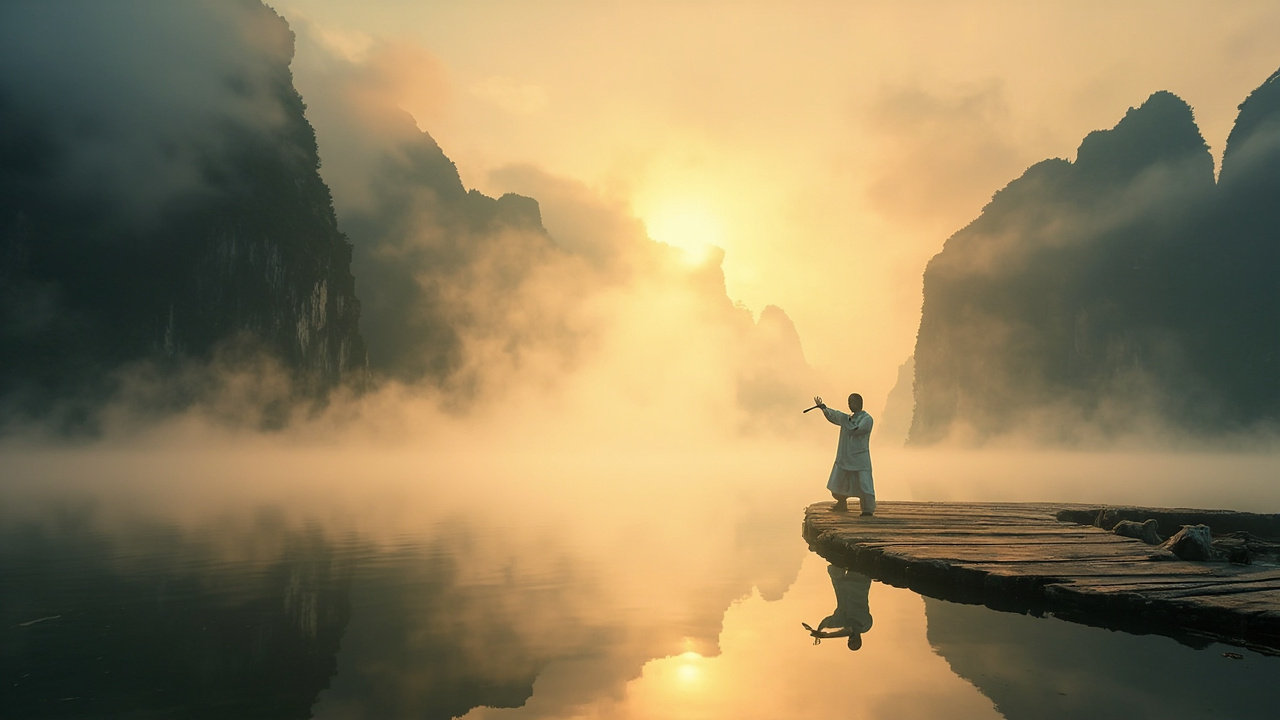
The cab driver in Dali looked at me in the rearview mirror and said, “Ni qu zuo shenme?” I fumbled with my translation app, showed him the name of my guesthouse, and he nodded. Then he said something I didn’t catch, but I caught the gist: “You’re here for the mountains, right? Everyone is.” He was right. I’d come to China for the food and the history, but I kept ending up in places that slowed my pulse without me even trying. A tea house in Hangzhou where the owner poured twelve tiny cups before saying a single word. A monastery courtyard in Sichuan where the only sound was a broom on stone.
China isn’t a wellness destination in the way Bali or Costa Rica is. There’s no single “wellness circuit” with smoothie bowls and Instagram-ready yoga decks. What China has is older and stranger: Taoist mountain retreats, hot springs that emperors used, tea ceremonies that function as meditation, and a medical philosophy that treats health as a relationship between you and your environment. This guide covers ten places where I’ve actually felt that shift happen, not just read about it.
You’ll get specific costs, transport directions, and the kind of insider details that take most visitors a few trips to figure out. Some of these places are famous. Some you won’t find in the standard guidebooks. All of them are worth the journey.
Quick answer
China’s wellness retreats range from $30-per-night guesthouses in Dali to $400-per-night luxury spa resorts in Hangzhou. Most international visitors can enter visa-free for up to 30 days under the 2026 policies, and the best seasons for wellness travel are spring (April-May) and autumn (September-October) when temperatures are mild and crowds are thinner. The most accessible option for first-timers is a tea retreat in Hangzhou or a hot spring stay in Chengdu, both reachable by high-speed rail from major cities.
The Short Version
If you only have 90 seconds: skip the generic “spa day” and go for immersion. Stay overnight at a tea mountain, soak in a hot spring that locals have used for centuries, or walk a Taoist mountain at dawn before the tour groups arrive. Budget $50-150 per day for a meaningful retreat experience. Book your China visa or visa-free entry before you worry about anything else, and set up Alipay and WeChat Pay because most retreat centers won’t take cards. The best experiences aren’t the expensive ones. They’re the ones where you stay long enough to stop noticing your phone.
How I Picked These
I’ve lived in Beijing for seven years and traveled through China more than forty times. For this guide, I went back to eleven provinces over two years, staying at each retreat for at least two nights. I talked to tea farmers in Yunnan, Taoist monks in Sichuan, hot spring managers in Hubei, and a lot of taxi drivers who thought I was crazy for going where I was going. I paid for everything myself. I didn’t tell anyone I was writing about them until after I left, because I wanted the real experience, not the press tour. Some places made the list because they’re genuinely world-class. A few made it because they’re flawed in ways that make them more interesting, and I think you should know about those too.
Comparison Table
| Rank | Place | Best For | Approx Cost (USD) | Time Needed | When to Go |
|---|---|---|---|---|---|
| 1 | Dali, Yunnan | Slow living, lake views, yoga | $30-80/day | 4-7 days | Mar-May, Sep-Nov |
| 2 | Hangzhou Tea Villages | Tea ceremonies, quiet walks | $50-150/day | 2-3 days | Apr-May, Oct |
| 3 | Chengdu Hot Springs | Soaking, spa treatments | $60-120/day | 2-3 days | Oct-Mar |
| 4 | Wudang Mountain | Taoist practice, hiking | $40-100/day | 3-5 days | Apr-Jun, Sep-Oct |
| 5 | Yangshuo, Guangxi | Karst scenery, cycling, yoga | $35-90/day | 3-5 days | Apr-Oct |
| 6 | Lijiang Old Town | Ancient architecture, quiet courtyards | $40-100/day | 3-4 days | Mar-May, Sep-Nov |
| 7 | Moganshan, Zhejiang | Forest walks, boutique stays | $80-200/day | 2-3 days | Apr-Jun, Oct-Nov |
| 8 | Mount Emei, Sichuan | Monastery stays, sunrise views | $50-120/day | 2-4 days | Apr-Oct |
| 9 | Sanya, Hainan | Beach wellness, spa resorts | $100-300/day | 4-6 days | Nov-Mar |
| 10 | Zhongdian (Shangri-La), Yunnan | High-altitude stillness, Tibetan culture | $40-90/day | 3-5 days | May-Oct |
1. Dali, Yunnan — The Place That Makes You Stay Longer Than You Planned
I arrived in Dali planning to stay three days. I stayed eleven. The old town is a maze of cobblestone lanes and white-walled Bai houses with gray tiled roofs, and the lake — Erhai — sits right there, a sheet of blue that changes with the clouds. I rented a bicycle and rode along the eastern shore, past fishermen mending nets and women washing vegetables in the shallows. I ate a breakfast of rice noodles and pickled vegetables at a stall where the owner, a woman named Auntie Yang, started saving me a seat by the window.
Why it’s special: Dali doesn’t try to be a wellness destination. It just is one. The altitude (1,976 meters) makes the air thin and clear. The pace of life is slow because the locals have decided it should be. Foreigners have been coming here since the 1980s, and the town has absorbed that influence without losing its own character. You can do yoga in the morning, hike the Cangshan Mountains in the afternoon, and spend the evening drinking tea in a courtyard that’s been standing for 200 years.
📍 Location: Dali Old Town, Dali Bai Autonomous Prefecture, Yunnan Province 🎫 Entry fee: Free for the old town; Cangshan cable car $15 (CNY 110) round trip 🕒 Opening hours: Old town is always open; most tea houses operate 10am-10pm 🚕 How to get there: Fly to Dali Airport (DLU), then take a 40-minute taxi ($10 / CNY 70) to the old town. From Kunming, the high-speed train takes 2 hours ($25 / CNY 180). 📅 When to visit: March to May for spring flowers; September to November for clear skies. Avoid the August domestic tourist peak. 💡 Insider tips: Rent a bike and ride the eastern shore of Erhai Lake at sunrise. The western shore is more developed, but the east side has the views. Learn to say “bu jia tang” (no sugar) for your tea. The local market on the 5th, 10th, 15th, 20th, 25th, and 30th of each lunar month is where you’ll find the best food. Bring cash for the market — some vendors don’t have QR codes.
I made the mistake of trying to “do” Dali in two days. The town doesn’t work that way. It rewards the ones who sit still.
2. Hangzhou Tea Villages — Where Tea Is a Meditation Practice
The tea house was called “Listening to Rain,” and the owner, a woman in her sixties named Chen, spent twenty minutes showing me how to hold the cup before she poured the first steep. “The tea is the teacher,” she said, in the careful English she’d learned from thirty years of foreign visitors. “You just have to listen.” I didn’t fully understand until the third cup, when the astringency of the Longjing gave way to something sweet and I realized I’d stopped thinking about my email.
Why it’s special: Hangzhou’s West Lake gets the crowds, but the tea villages in the hills around it — Longjing, Meijiawu, Yangmeiling — are where the real culture lives. The terraced tea fields are green in a way that doesn’t look real. The farmers still pick by hand, and the drying process happens in woks over open flames. A tea ceremony here isn’t a performance. It’s just how people live.
📍 Location: Longjing Village and Meijiawu Village, Xihu District, Hangzhou 🎫 Entry fee: Free to walk the tea fields; tea tastings from $10 (CNY 70) 🕒 Opening hours: Tea houses generally open 9am-9pm; tea picking season is late March to early April 🚕 How to get there: From Hangzhou East Station, take Metro Line 1 to Longxiangqiao, then transfer to bus 27 to Longjing Village. Or take a taxi from downtown ($8 / CNY 55). 📅 When to visit: April for the spring tea harvest, October for the autumn harvest. Weekdays are much quieter than weekends. 💡 Insider tips: Buy tea directly from the farmers, not the tourist shops. Ask to see the leaves before you buy. The best Longjing is picked before Qingming (early April) and costs $100-200 per 500g (CNY 700-1,400). Don’t be afraid to bargain — the farmers expect it. Bring a thermos; most tea houses will refill it with hot water for free.
I tried to photograph the tea fields at noon and got washed-out, flat images. The light is best in the early morning, when the mist sits in the valleys and the farmers are already working.
3. Chengdu Hot Springs — Soaking Like the Emperors Did
The first time I went to a hot spring in Chengdu, I was skeptical. A public pool full of strangers didn’t sound relaxing. Then I found the private outdoor pools at the base of Mount Qingcheng, where the water comes straight from the ground at 60°C (140°F) and the steam rises into the bamboo forest. I sat in the water at dusk, watching the fireflies come out, and understood why the Taoists built their temples here.
Why it’s special: Sichuan has been soaking in these springs for over 2,000 years. The Qingcheng Mountain area, a 40-minute drive from Chengdu, is the birthplace of Taoism, and the energy of the place is palpable. The springs are mineral-rich, and the locals swear by them for everything from arthritis to insomnia. The best setups have private pools, so you can soak alone or with your partner without the public bath experience.
📍 Location: Qingcheng Mountain area, Dujiangyan, about 40km from Chengdu city center 🎫 Entry fee: Public pools $10-20 (CNY 70-140); private pools $30-60 (CNY 210-420) for 2 hours 🕒 Opening hours: Most springs open 10am-11pm; some close for maintenance on Mondays 🚕 How to get there: Take Metro Line 2 to Xipu Station, then transfer to the Chengdu-Dujiangyan high-speed train ($5 / CNY 35). From Dujiangyan Station, it’s a 15-minute taxi ($5 / CNY 35) to the springs. 📅 When to visit: October to March for the best soaking weather. Weekday evenings are the quietest. 💡 Insider tips: Bring your own towel and flip-flops — some places charge for rentals. The water is hot, so start with your feet and ease in. Drink plenty of water; the minerals dehydrate you. Many springs offer a “fish therapy” pool where small fish eat dead skin — it tickles more than it hurts. Try the local hotpot after your soak; the spice somehow feels right after the heat of the water.
I once fell asleep in a private pool and woke up two hours later, pruned and disoriented but deeply relaxed. Set a timer.
4. Wudang Mountain — Training With the Taoists
Wudang Mountain is where the Taoist martial arts tradition lives. The temples cling to cliffsides, and the monks train at dawn in the courtyards, their movements slow and deliberate. I went expecting a theme park version of kung fu. What I found was a working religious community that happens to be one of the most beautiful places in China.
Why it’s special: This is the real thing. The Taoist practitioners here have been training for centuries, and some of the temples offer short programs for foreigners who want to learn tai chi or qigong. You won’t become a master in a week, but you’ll get a glimpse of what the practice actually is — not the movie version. The mountain itself is sacred, and the energy of the place is hard to describe until you’ve stood in a temple courtyard at sunrise, watching the mist roll through the valleys below.
📍 Location: Wudang Mountain Scenic Area, Shiyan, Hubei Province 🎫 Entry fee: $35 (CNY 245) for the scenic area; cable car $20 (CNY 140) one way 🕒 Opening hours: Scenic area open 7am-6pm; temple programs vary 🚕 How to get there: Take the high-speed train to Wudangshan Station ($30 / CNY 210 from Wuhan, 2 hours), then a 20-minute bus to the scenic area entrance. From there, a shuttle bus takes you up the mountain. 📅 When to visit: April to June and September to October for mild weather. Avoid Chinese holidays. 💡 Insider tips: Book a program in advance through one of the official temple guesthouses. The “Shaolin” style you see in movies is different from Wudang’s internal martial arts — don’t expect acrobatics. Bring comfortable shoes; there are 10,000+ stone steps if you walk instead of taking the cable car. The vegetarian food at the temples is simple but excellent. Learn a few phrases of Mandarin; almost no one speaks English here.
I tried to keep up with a monk’s morning routine and lasted about twenty minutes before I had to sit down. He didn’t even break a sweat.
5. Yangshuo, Guangxi — Karst Peaks and Slow Bicycles
Yangshuo is the postcard version of China: limestone karst peaks rising out of rice paddies, the Li River winding through the middle of it all. It’s also a backpacker town, which means you can find yoga classes, meditation sessions, and plenty of places to just sit and stare at the scenery. I rented a bicycle and rode through the countryside, past water buffalo and farmers in conical hats, and felt my shoulders drop for the first time in months.
Why it’s special: The landscape is the wellness. You don’t need a spa when you can cycle through rice paddies with the karst peaks doing their thing all around you. The town has a laid-back vibe that’s rare in China, and the international crowd means you’ll find people who speak English and understand what you’re looking for. The yoga studios here are run by people who came for a visit and never left.
📍 Location: Yangshuo County, Guilin, Guangxi Province 🎫 Entry fee: Free to explore; bike rental $3-5 (CNY 20-35) per day; yoga classes $10-15 (CNY 70-105) per session 🕒 Opening hours: Bike rentals open 8am-7pm; yoga studios vary 🚕 How to get there: Fly to Guilin (KWL), then take a 90-minute bus or taxi ($20 / CNY 140) to Yangshuo. Or take the high-speed train to Yangshuo Station ($25 / CNY 180 from Guilin, 30 minutes). 📅 When to visit: April to October for good weather. May and September are the sweet spots — not too hot, not too crowded. 💡 Insider tips: Rent a bike with gears; the countryside has hills. The “impression Liu Sanjie” show at night is touristy but genuinely impressive. Walk the Yulong River instead of taking the bamboo raft — the raft experience is crowded and commercialized. Try the local beer fish (beer yu) — it’s a Yangshuo specialty. The best views are from the top of Xianggong Hill, a 40-minute bike ride from town.
I got hopelessly lost cycling through the countryside and ended up at a village where a grandmother invited me in for tea. She didn’t speak a word of English. We communicated through gestures and laughter.
6. Lijiang Old Town — Courtyards and Quiet
Lijiang is famous for its ancient town, a UNESCO World Heritage site of cobblestone streets and canals that run alongside the buildings. It’s also crowded, noisy, and full of souvenir shops. The wellness experience here isn’t in the old town itself — it’s in the quieter corners of the region, where Naxi culture still thrives and the mountains loom close enough to touch.
Why it’s special: The old town is beautiful in a way that makes you forgive the crowds. The courtyards of the traditional Naxi houses are designed for contemplation, with a central garden and a view of the Jade Dragon Snow Mountain. Stay in a courtyard guesthouse, wake up early, and walk the streets before the tour groups arrive. The silence is remarkable.
📍 Location: Lijiang Old Town and surrounding villages, Yunnan Province 🎫 Entry fee: $14 (CNY 100) for the old town maintenance fee; free after 7pm 🕒 Opening hours: Old town always open; most guesthouses and tea houses open 9am-10pm 🚕 How to get there: Fly to Lijiang Airport (LJG), then take a 40-minute taxi ($10 / CNY 70) to the old town. From Dali, the high-speed train takes 2.5 hours ($15 / CNY 105). 📅 When to visit: March to May and September to November. Avoid the summer rainy season. 💡 Insider tips: Stay in a courtyard guesthouse, not a hotel. The old town is a maze — get lost on purpose. The Black Dragon Pool at sunrise is worth the early wake-up. Take a day trip to Baisha Village, 20 minutes north, for a quieter look at Naxi culture. The local specialty is yak meat hotpot — it’s hearty and warming.
I once spent an entire afternoon sitting in a courtyard, watching a cat sleep on a stone wall. It was the most productive afternoon I had in a month.
7. Moganshan, Zhejiang — Forest Bathing With a Boutique Twist
Moganshan is where Shanghai’s wealthy go to escape the summer heat, and it shows. The mountain is dotted with restored villas from the 1930s, when British and American missionaries built summer homes here. The bamboo forests are so thick that the light filters through like a green cathedral. I walked a trail for three hours without seeing another person.
Why it’s special: The forest is the attraction. The Japanese call it “shinrin-yoku” — forest bathing — and the Chinese have their own version of the same idea. The air is clean, the paths are quiet, and the bamboo creates a sound like rain even when the sky is clear. The boutique hotels here are expensive but worth it for the quality of the experience.
📍 Location: Moganshan Scenic Area, Deqing County, Zhejiang Province 🎫 Entry fee: $10 (CNY 70) for the scenic area; some hotels include it 🕒 Opening hours: Scenic area open 8am-5pm; trails always accessible 🚕 How to get there: Take the high-speed train to Deqing Station ($25 / CNY 180 from Shanghai, 1 hour), then a 30-minute taxi ($10 / CNY 70) to the mountain. Or take a direct bus from Shanghai ($20 / CNY 140, 3 hours). 📅 When to visit: April to June for fresh bamboo shoots; October to November for autumn colors. Weekends are busy with Shanghai day-trippers. 💡 Insider tips: Stay overnight — the day-trippers leave by 5pm and the mountain becomes yours. The best trails are the ones that aren’t on the main map; ask your hotel for directions. Bring layers; the mountain is 10°C cooler than the lowlands. Try the local bamboo shoot dishes — they’re harvested fresh in spring.
I got caught in a sudden rainstorm on a trail and took shelter in a farmer’s house. She gave me a cup of tea and a slice of homemade cake, and we sat in silence until the rain passed.
8. Mount Emei, Sichuan — Monastery Stays and Sunrise
Mount Emei is one of the four sacred Buddhist mountains in China, and it’s been a pilgrimage site for over 2,000 years. The temples along the way offer basic accommodation for pilgrims, and staying in one is an experience you won’t forget. I stayed at a monastery at 2,000 meters and woke up before dawn to watch the sunrise from the Golden Summit. The view — a sea of clouds with the peaks of Tibet visible on the horizon — made me understand why people make this journey.
Why it’s special: The pilgrimage itself is the wellness. The mountain is massive, and walking it takes days. The temples are simple, the food is vegetarian, and the rhythm of the day is set by the monks’ bells. You don’t need to be Buddhist to appreciate the stillness of a monastery courtyard at dusk.
📍 Location: Mount Emei Scenic Area, Emeishan City, Sichuan Province 🎫 Entry fee: $35 (CNY 245) for the scenic area; monastery stays $10-20 (CNY 70-140) per night 🕒 Opening hours: Scenic area open 6am-6pm; monasteries follow their own schedule 🚕 How to get there: Take the high-speed train to Emeishan Station ($15 / CNY 105 from Chengdu, 1 hour), then a 20-minute bus to the scenic area entrance. From there, buses and cable cars take you up the mountain. 📅 When to visit: April to October for clear skies. Sunrise is best in autumn. 💡 Insider tips: Book monastery accommodation through the scenic area office or your hotel. Bring earplugs — the monks wake up at 4am. The vegetarian food is simple but surprisingly good. The cable car to the Golden Summit is worth the money; the walk is brutal. Dress warmly even in summer — the summit is over 3,000 meters and the temperature drops sharply.
I tried to meditate in a monastery hall and fell asleep instead. The monk who found me just smiled and said, “Good rest.”
9. Sanya, Hainan — Beach Wellness With Chinese Characteristics
Sanya is China’s answer to Hawaii, and it’s not for everyone. The beaches are beautiful, the resorts are luxurious, and the prices are high. But if you want a wellness experience that doesn’t involve mountains or monasteries, this is where you go. I spent a week at a resort on Yalong Bay, doing yoga at sunrise and getting massages in the afternoon, and it was exactly what I needed.
Why it’s special: Sanya has some of the best beaches in China, and the resort infrastructure is world-class. The spas here offer a mix of Chinese and international treatments — you can get a traditional Chinese massage or a Balinese-style treatment in the same afternoon. The water is warm year-round, and the sunsets are spectacular.
📍 Location: Yalong Bay, Dadonghai, and Sanya Bay areas, Hainan Island 🎫 Entry fee: Free for public beaches; resort day passes $30-80 (CNY 210-560) 🕒 Opening hours: Beaches always open; resort facilities vary 🚕 How to get there: Fly to Sanya Phoenix International Airport (SYX), then take a taxi ($10-20 / CNY 70-140) to your resort. Direct flights from Beijing and Shanghai take 3-4 hours. 📅 When to visit: November to March for the best weather. Avoid July and August — it’s hot, humid, and crowded. 💡 Insider tips: Book a resort with a private beach — the public beaches are crowded. The seafood at the local markets is cheaper and better than at the resorts. Try the coconut chicken hotpot — it’s a Hainan specialty. The “Chinese massage” at the spas can be intense; tell them if you want it gentler. Bring reef-safe sunscreen; the coral reefs here are fragile.
I once fell asleep on the beach and woke up with a sunburn that made me look like a tourist who’d never been to a beach before. Lesson learned.
10. Zhongdian (Shangri-La), Yunnan — High-Altitude Stillness
Zhongdian is the place that inspired the name “Shangri-La,” and it’s easy to see why. The town sits at 3,300 meters, surrounded by snow-capped mountains and Tibetan monasteries. The air is thin, the pace is slow, and the Tibetan culture gives the place a spiritual depth that’s hard to find elsewhere. I spent three days here, mostly just walking and sitting in monastery courtyards, and I left feeling like I’d been reset.
Why it’s special: The altitude forces you to slow down. You can’t rush at 3,300 meters — your body won’t let you. The Tibetan Buddhist culture is alive here, not a museum piece. The Songzanlin Monastery is one of the largest in China, and the monks are welcoming to visitors. The landscape — high grasslands, yaks, prayer flags — feels like another world.
📍 Location: Zhongdian (Shangri-La) County, Diqing Tibetan Autonomous Prefecture, Yunnan Province 🎫 Entry fee: Free for the town; Songzanlin Monastery $15 (CNY 105) 🕒 Opening hours: Monastery open 8am-6pm; town always open 🚕 How to get there: Fly to Diqing Shangri-La Airport (DIG) from Kunming or Chengdu ($80-120 / CNY 560-840, 1 hour), then a 20-minute taxi ($5 / CNY 35) to town. Or take a bus from Lijiang ($15 / CNY 105, 4 hours). 📅 When to visit: May to October for the best weather. The high-altitude grasslands are greenest in June and July. 💡 Insider tips: Spend a day acclimatizing before any strenuous activity. Drink lots of water and avoid alcohol for the first 24 hours. The monastery is best visited in the morning, when the monks are doing their prayers. Try the yak butter tea — it’s an acquired taste but worth it. Bring warm clothes even in summer; it gets cold at night.
I made the mistake of trying to hike on my first day and had to sit down every hundred meters. The altitude humbles you quickly.
FAQ summary
The most important takeaways: China’s wellness retreats range from budget guesthouses ($30/night) to luxury resorts ($300+/night), with the best experiences being the ones that immerse you in local culture rather than just offering spa treatments. Most international visitors can enter China visa-free for up to 30 days under 2026 policies, but you should verify your eligibility before booking. The best seasons are spring (April-May) and autumn (September-October), and you’ll need Alipay or WeChat Pay set up because most retreat centers don’t accept international credit cards. Getting around is easiest by high-speed rail, and you’ll need a VPN and SIM card for internet access.
FAQ
Q: Do I need a visa to visit China for a wellness retreat? A: Most visitors from the US, UK, Canada, Australia, and many European countries can enter China visa-free for up to 30 days under the 2026 policies. Check your eligibility before booking, and make sure your passport is valid for at least six months beyond your planned departure date.
Q: How much should I budget for a wellness retreat in China? A: Plan for $50-150 per day for a meaningful experience. Budget options like Dali and Yangshuo cost $30-80 per day, while luxury resorts in Sanya and Moganshan run $100-300 per day. This includes accommodation, food, and activities but not international flights.
Q: Do I need to speak Chinese to enjoy a wellness retreat in China? A: No, but it helps. The major retreat centers and tourist areas have English-speaking staff, but you’ll need a translation app for most interactions. Download a good translation app before you arrive, and learn a few basic phrases like “xie xie” (thank you) and “duo shao qian” (how much).
Q: Is it safe to travel alone to a wellness retreat in China? A: Yes, China is one of the safest countries I’ve traveled in. Violent crime against tourists is extremely rare. The main risks are minor: getting lost, language barriers, and altitude sickness at higher elevations. Just use common sense and keep your belongings secure.
Q: What should I pack for a wellness retreat in China? A: Comfortable walking shoes, layers for temperature changes, a reusable water bottle, and any medications you need. If you’re going to hot springs, bring a swimsuit and flip-flops. For higher elevations like Wudang or Zhongdian, pack warm clothes even in summer.
Q: How do I pay for things at a wellness retreat in China? A: Set up Alipay or WeChat Pay before you arrive. Most retreat centers, restaurants, and shops accept these apps, and they work with international credit cards. Keep some cash for small vendors and markets.
Q: What’s the best way to get to a wellness retreat from a major city? A: High-speed rail is the best option for most destinations. Trains are fast, comfortable, and punctual. For more remote places like Wudang or Zhongdian, you may need to fly or take a combination of train and bus.
The Honest Wrap-up
This list isn’t for everyone. If you want luxury spas and Instagram-perfect yoga studios, you’ll find those in Sanya and Moganshan, but you’ll pay for them. If you want the real China, the one that changes how you think about health and stillness, go to Dali or Wudang or Zhongdian, and give yourself time to just be there. The best wellness retreat in China isn’t a place you book. It’s a place you let happen.
My final advice: don’t overplan. Book your first two nights, then let the place tell you what to do next. The best experiences I’ve had in China were the ones I didn’t plan. And if you’re nervous about the logistics, remember that millions of tourists visit China every year. The visa process is straightforward, the transport system is world-class, and the people are friendlier than you expect. You’ll be fine. You might even come back changed.
Topics
More guides you may like
Top 10 Bridges in China
China's bridges are engineering marvels spanning mountains, rivers, and seas. Here are 10 of the most spectacular, from ancient stone to modern steel.
8 min read

Top 10 Buddhist Sites in China
From the Leshan Giant Buddha to the Dunhuang Caves, these 10 Buddhist sites represent 2,000 years of China's spiritual heritage.
9 min read
Top 10 Day Trips from Beijing You Shouldn't Miss
Beijing is packed with history, but some of China's best experiences are just a few hours away. Here are 10 day trips that will transform your visit.
9 min read
Top 10 Hidden Gems in China Off the Beaten Path
Beyond the Great Wall and Terracotta Warriors, China has incredible hidden destinations few tourists ever reach. Here are 10 underrated gems worth the detour.
9 min read
Top 10 Markets and Shopping Streets in China
From Shanghai's Bund to Beijing's Silk Street - 10 markets where foreigners can haggle, explore, and bring home authentic Chinese goods.
9 min read
Top 10 Museums in China You Shouldn't Miss
China's museums span 5,000 years of civilization. These 10 - from the Palace Museum to Xi'an's terracotta gallery - are unmissable for culture lovers.
9 min read