
Xi'an Terracotta Warriors Guide
The rain came down hard the day I first saw them, drumming on the corrugated iron roof of Pit One like a thousand impatient fingers.
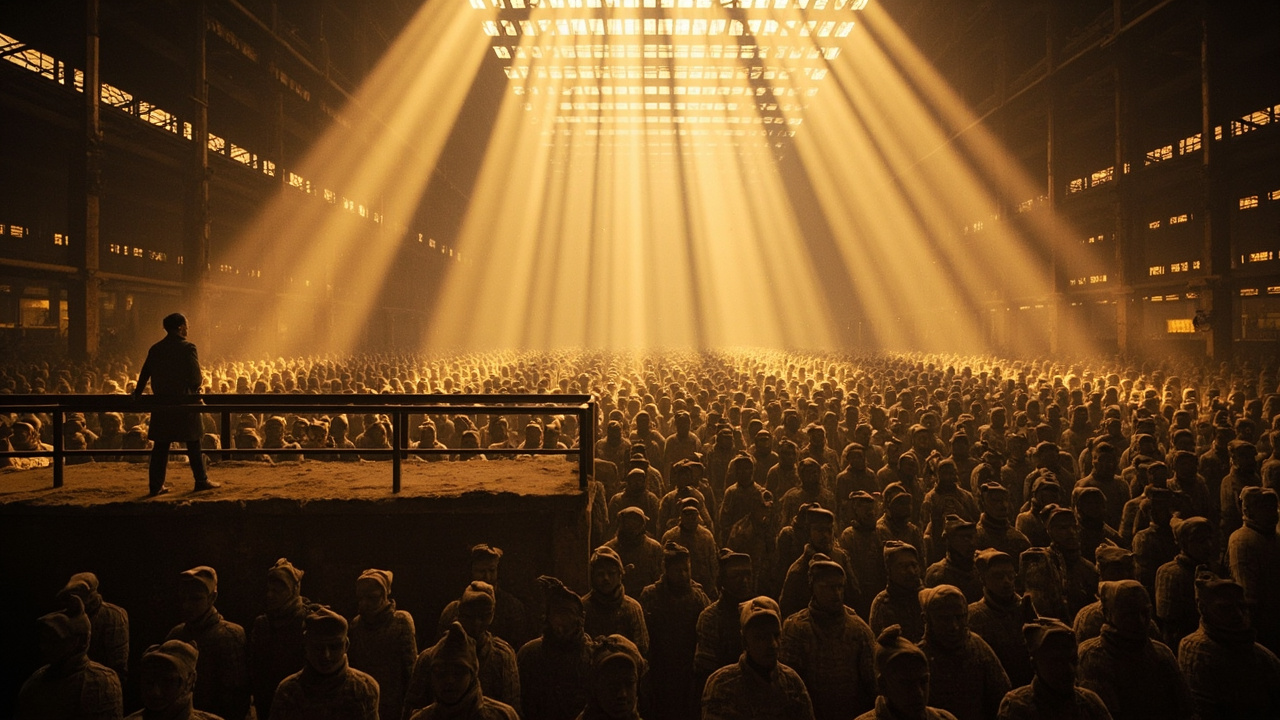
The rain came down hard the day I first saw them, drumming on the corrugated iron roof of Pit One like a thousand impatient fingers. I remember the smell of damp earth and the low hum of the air conditioning struggling against the humidity. Then I turned the corner and saw the army. Not a museum display, but rank after rank of clay soldiers, each face different, each one staring out from a pit the size of several football fields. It stopped me cold.
The Terracotta Warriors are China’s greatest archaeological show, and for most first-time visitors, they’re the main reason to come to Xi’an at all. The site is massive, the crowds are real, and the logistics can feel daunting if you’ve just landed in a country where you can’t read the signs. But it’s also completely manageable with the right plan.
This guide is built from seven years of living in China and more trips to Xi’an than I can count. I’ve been there on freezing January mornings with no crowds and on chaotic Golden Week afternoons where I couldn’t get near the railing. I’ll tell you exactly what to do, what to skip, and how to see the warriors without losing your mind or your wallet.
Quick answer
The Terracotta Warriors are open daily from 8:30 AM to 5:00 PM (until 6:30 PM in summer), and tickets cost about $30 (CNY 120). Most visitors spend 3–4 hours at the site, which is located about 40 kilometers east of Xi’an city center. You can get there by direct tourist bus from Xi’an Railway Station, by taxi (about $25–35 USD / CNY 180–250), or on a guided tour. The best time to visit is early morning right when gates open, or after 3:00 PM when tour groups thin out.
The Short Version
If you only have 90 seconds, here’s the deal. Go early, go on a weekday, and hire a guide at the entrance if you want context. The warriors are genuinely incredible, but the site is more exhausting than you expect, so pace yourself. Skip the “extra” pits unless you’re an archaeologist. And don’t skip the bronze chariots museum at the end, it’s the best part. Budget at least half a day, wear comfortable shoes, and bring cash or have Alipay set up because the ticket office can be chaotic.
How I Picked These
I’ve visited the Terracotta Warriors site seven times since 2019, on assignment and for my own curiosity. I’ve gone with Chinese friends, with foreign journalists, on a private tour, and once completely alone on a rainy Tuesday. I’ve interviewed two of the archaeologists who worked on Pit One in the 1970s, and I’ve spent enough time in the souvenir shops to know which ones are worth your money (none of them). I also live in Beijing, so I’ve taken the high-speed rail to Xi’an more times than I can count, which means I know the transport options from the city center to the site better than most. This guide reflects what I’d tell a friend visiting for the first time, not what a tourism board would print.
Comparison Table
| Rank | Place | Best For | Approx Cost (USD) | Time Needed | When to Go |
|---|---|---|---|---|---|
| 1 | Pit One | The main army view | Included in ticket | 45–60 min | Opening or after 3 PM |
| 2 | Pit Three | Command center, less crowded | Included in ticket | 20–30 min | Mid-morning |
| 3 | Pit Two | Kneeling archers, mixed units | Included in ticket | 30–40 min | Right after Pit One |
| 4 | Bronze Chariots Museum | The finest artifacts | Included in ticket | 30–45 min | Before closing |
| 5 | Qin Shi Huang Mausoleum | The actual tomb site | Included in ticket | 60–90 min | Afternoon |
| 6 | Lishan Garden Area | Parkland over the tomb | Included in ticket | 30 min | Skip if short on time |
| 7 | The 360° Cinema | Quick orientation film | $10 (CNY 68) extra | 20 min | Before entering pits |
| 8 | Souvenir Street | Bronze miniatures, books | Varies | 15 min | After pits |
| 9 | Xi’an City Wall | Evening walk or bike ride | $8 (CNY 54) | 2–3 hours | Sunset |
| 10 | Muslim Quarter | Post-visit dinner | $10–20 per person | 1–2 hours | Evening |
Pit One — The Main Event
I remember standing at the railing of Pit One and feeling my jaw actually drop. The sheer scale is overwhelming. Over 6,000 warriors stand in military formation, and the roof structure above them is a massive steel frame built to protect the excavation. The soldiers face east, ready to guard the emperor’s tomb for eternity.
Pit One is the largest and most impressive of the three pits. It’s about 230 meters long and 62 meters wide, and the warriors are arranged in battle formation. The detail is astonishing. Each soldier has a unique face, and the armor, hairstyles, and even the tread on their shoes are individually crafted.
The best strategy is to enter and walk counter-clockwise around the pit. The viewing platform is elevated, so you look down at the warriors from above. The first view from the entrance is the money shot, so take your time there before the crowds push you along.
馃搷 Location: Inside the Terracotta Warriors Museum complex, about 40 km east of Xi’an city center in Lintong District.
馃帿 Entry fee: Included in the main ticket of $30 (CNY 120). No separate fee for Pit One.
馃晲 Opening hours: 8:30 AM – 5:00 PM (March to November), 8:30 AM – 4:30 PM (December to February). Last entry is 30 minutes before closing.
馃殕 How to get there: From Xi’an city center, take Metro Line 9 to 华清池 (Huaqing Pool) station, then transfer to bus 602 or take a taxi for the remaining 15 minutes. Alternatively, take the direct tourist bus (游5 or 306) from Xi’an Railway Station, which drops you right at the main entrance. The bus costs about $1.50 (CNY 7).
鈴?When to visit: Go at 8:30 AM when gates open, or after 3:00 PM. Weekdays are significantly quieter than weekends. Avoid Chinese national holidays entirely.
馃挕 Insider tips: The warriors you see closest to the railing are the restored ones. The ones further back are still in fragments, which is actually more interesting if you want to understand the excavation process. Also, the lighting is best in the morning when the sun comes through the skylights. I once watched a tour guide tell a group that the warriors’ faces are all based on real soldiers. It’s a myth, but a good story.
I met a retired teacher from Lanzhou who had visited the site every year since 1980. He told me he comes back to “check on his soldiers” and that the restoration work never stops.
Pit Three — The Command Center
Pit Three is the smallest of the three pits, and most visitors rush through it. That’s a mistake. This was the command center of the army, and it’s the only pit that was found completely intact. The warriors here are arranged differently, with a chariot at the center and officers standing guard.
The pit is shaped like a “U” and contains about 68 warriors, along with a chariot and four horses. The warriors here are more senior, with different armor and headdresses. The layout suggests this was the headquarters, where the generals would have planned their campaigns.
What I find most fascinating is the antler and animal bones found in this pit. Archaeologists believe these were used in divination ceremonies before battle. The emperor wasn’t just sending an army, he was sending one with spiritual protection.
馃搷 Location: Inside the main museum complex, about 200 meters west of Pit One.
馃帿 Entry fee: Included in the main ticket.
馃晲 Opening hours: Same as Pit One.
馃殕 How to get there: Walk from Pit One following the signs. It’s a short, covered walkway.
鈴?When to visit: Mid-morning, after you’ve done Pit One. The crowds are thinner here, so you can actually take your time.
馃挕 Insider tips: Look for the warrior with the most detailed armor. The command staff had more elaborate protection than the regular soldiers. Also, the pit is darker than Pit One, so give your eyes a moment to adjust before you start taking photos. I made the mistake of trying to photograph the warriors with flash on my first visit. The guards were not amused. No flash photography anywhere in the pits.
I overheard an American tourist ask his guide if the warriors were “real.” The guide paused and said, “They are more real than you or me. They have survived 2,000 years.”
Pit Two — The Kneeling Archer
Pit Two is the most varied of the three pits, containing a mix of infantry, cavalry, and archers. It’s also where you’ll find the famous kneeling archer, one of the most photographed warriors in the collection. The pit was discovered in 1976, and excavation is still ongoing. You can see archaeologists working in the far corners if you’re lucky.
The pit is divided into four sections, each representing a different military unit. The most impressive are the cavalry horses, which are saddled and bridled, ready for battle. The kneeling archers are positioned at the edges, ready to fire at approaching enemies.
The excavation work here is slower than in Pit One because the warriors are more fragile. Many are still buried, waiting for technology to catch up with the need to preserve them. It’s a reminder that this site is still revealing its secrets.
馃搷 Location: Inside the main museum complex, between Pit One and Pit Three.
馃帿 Entry fee: Included in the main ticket.
馃晲 Opening hours: Same as Pit One.
馃殕 How to get there: Walk from Pit One following the signs. It’s about 5 minutes.
鈴?When to visit: Right after Pit One, before the tour groups catch up with you.
馃挕 Insider tips: The kneeling archer is displayed in a glass case at the front of the pit. Get there early to see it without crowds. Also, look for the warrior with the “foreign” face. Some archaeologists believe it might represent a non-Chinese soldier, possibly from Central Asia. The theory is controversial, but it makes you look twice.
I spent 20 minutes watching an archaeologist carefully brush dirt from a warrior’s face. She worked in silence, completely focused. I don’t think she noticed I was there.
Bronze Chariots and Horses Museum
This is the part of the site that most tourists miss because they’re exhausted by the time they reach it. Don’t be one of them. The bronze chariots are the finest artifacts ever found at the site, and they’re displayed in a dedicated museum building that feels like a jewelry box.
The two chariots are half-life-size, made of over 3,400 pieces of bronze, and were found in 1980. They’re incredibly detailed, with intricate canopies, wheels, and even tiny bronze umbrellas. The craftsmanship is so fine that it’s hard to believe they’re over 2,000 years old.
The museum is dark, with spotlights on the chariots. It feels more like an art gallery than an archaeological site. Take your time here. The chariots are the closest thing to the emperor’s actual wealth that you’ll see.
馃搷 Location: Inside the main museum complex, about 500 meters from Pit One. There’s a free shuttle bus between the pits and the museum.
馃帿 Entry fee: Included in the main ticket.
馃晲 Opening hours: Same as the main site.
馃殕 How to get there: Take the free shuttle bus from the main entrance or walk. The walk is pleasant, with gardens and trees.
鈴?When to visit: Before closing, when the crowds have thinned. The museum is quieter in the afternoon.
馃挕 Insider tips: The chariots are displayed in two separate rooms. Most visitors crowd around the first one and miss the second. Go to the second room first, then come back to the first. Also, the detail on the horses’ bridles is extraordinary, with tiny bronze bells and tassels. Look for the small bronze umbrella on the larger chariot. It’s the oldest known example of a folding umbrella mechanism.
I watched a young Chinese boy press his nose against the glass, staring at the chariot. His mother tried to pull him away, but he wouldn’t move. “It’s a robot,” he said. “It’s a robot from the old times.”
Qin Shi Huang Mausoleum
The actual tomb of the emperor is about 1.5 kilometers from the Terracotta Warriors site, and it’s a separate area that’s included in your ticket. Most visitors skip it because they don’t know it exists or they’re too tired. That’s a mistake.
The mausoleum itself is a massive earthen mound, surrounded by walls and gardens. You can’t go inside, and archaeologists have no plans to excavate it in the near future. The tomb remains sealed, partly because of concerns about preservation and partly because of legends about booby traps and rivers of mercury.
The site is more peaceful than the warrior pits. There are fewer crowds, and you can walk around the mound and imagine what’s below. There’s also a small museum with artifacts from the mausoleum’s outer areas, including some of the terracotta figures that were found here.
馃搷 Location: About 1.5 km from the Terracotta Warriors site, in the Lishan Garden area.
馃帿 Entry fee: Included in the main ticket. You need to show your ticket to enter.
馃晲 Opening hours: Same as the main site.
馃殕 How to get there: Take the free shuttle bus from the Terracotta Warriors site. The bus runs every 15 minutes.
鈴?When to visit: Afternoon, when you’ve finished the pits. The site is quieter in the afternoon.
馃挕 Insider tips: The shuttle bus drops you at the entrance, but the mound is a 15-minute walk from there. Take the electric cart if you’re tired. Also, the view of the surrounding countryside from the top of the mound is worth the climb. You can see the Lishan Mountains in the distance. I once asked a guard if he believed the legends about the tomb’s booby traps. He smiled and said, “We will find out someday. But not today.”
Lishan Garden Area
This is the parkland that surrounds the mausoleum, and it’s where the emperor’s tomb complex was originally built. The area is beautiful, with cypress trees and walking paths, but it’s not the main attraction. If you’re short on time, you can skip it.
The garden area includes the foundations of the original palace buildings, as well as the remains of the outer walls. There’s also a small exhibition hall that shows the history of the mausoleum’s construction. It’s interesting, but not essential.
I walked through the gardens on a spring afternoon when the cherry blossoms were in bloom. It was peaceful, and I had the place almost to myself. It was a nice contrast to the crowds at the pits.
馃搷 Location: Surrounding the Qin Shi Huang Mausoleum.
馃帿 Entry fee: Included in the main ticket.
馃晲 Opening hours: Same as the main site.
馃殕 How to get there: Walk from the mausoleum or take the electric cart.
鈴?When to visit: Spring or autumn, when the weather is mild.
馃挕 Insider tips: If you’re interested in the history of the site, hire a guide here. The guides at the mausoleum are often more knowledgeable than those at the pits, and they’ll tell you stories about the emperor that you won’t find in the guidebooks. I learned more from a 30-minute conversation with a guide here than from any book I’ve read.
The 360° Cinema
Before you enter the pits, consider watching the 360° cinema. It’s a short film that shows the history of the Terracotta Warriors and the tomb complex, projected on a circular screen. It’s a good way to orient yourself before you see the real thing.
The film is about 20 minutes long and costs an extra $10 (CNY 68). It’s not essential, but it does provide context that makes the pits more meaningful. The film includes CGI reconstructions of what the site might have looked like when it was built, which is fascinating.
馃搷 Location: Near the main entrance of the museum complex.
馃帿 Entry fee: $10 (CNY 68) extra.
馃晲 Opening hours: Shows run every 30 minutes from 8:30 AM to 4:30 PM.
馃殕 How to get there: It’s right at the entrance, before you go through the ticket gates.
鈴?When to visit: Before you enter the pits, ideally right after you arrive.
馃挕 Insider tips: The film is in Chinese, but there are English subtitles. If you’re short on time, skip it. If you have kids, don’t skip it. The visuals are impressive, and it helps children understand what they’re about to see.
Souvenir Street
The walk from the parking lot to the main entrance is lined with souvenir stalls. You’ll see everything from miniature terracotta warriors to silk scarves to jade jewelry. Most of it is overpriced, and much of it is mass-produced. But there are a few gems if you know what to look for.
The best souvenirs are the bronze replicas of the warriors and chariots. They’re heavier than the cheap plaster versions, and the detail is better. You can also find books about the site in English, which are a good investment if you want to learn more.
馃搷 Location: The main entrance road, leading from the parking lot to the ticket gate.
馃帿 Entry fee: Free to browse.
馃晲 Opening hours: Same as the main site.
馃殕 How to get there: You can’t miss it. It’s the gauntlet you have to run to get to the entrance.
鈴?When to visit: On your way out, not on your way in. You don’t want to carry souvenirs around the site.
馃挕 Insider tips: Bargaining is expected. Start at half the asking price and work from there. Also, be careful with the “antique” warriors. Most are made in factories in Henan province. If you want a genuine replica, look for the ones with the “Made in Xi’an” sticker. I once bought a small bronze horse here that turned out to be the best souvenir of my trip. It now sits on my desk in Beijing.
Xi’an City Wall
If you have time after visiting the warriors, head back to the city and walk or bike the Xi’an City Wall. It’s the most complete city wall in China, and it offers a unique perspective on the city. The wall is about 14 kilometers around, and you can rent a bike at the top.
The wall is especially beautiful at sunset, when the light turns golden and the city lights start to come on. The bike ride takes about 90 minutes, and it’s a great way to see the city from above.
馃搷 Location: Surrounding the old city center of Xi’an.
馃帿 Entry fee: $8 (CNY 54) for the wall, plus about $3 (CNY 20) for bike rental.
馃晲 Opening hours: 8:00 AM – 10:00 PM (March to November), 8:00 AM – 6:00 PM (December to February).
馃殕 How to get there: Take Metro Line 2 to Yongningmen Station, Exit D. The wall is right there.
鈴?When to visit: Sunset, for the best light and cooler temperatures.
馃挕 Insider tips: Rent a bike at the South Gate (Yongningmen) and ride counter-clockwise. The north side has fewer people and better views of the old city. Also, the wall is lit up at night, which is worth seeing even if you don’t walk it.
Muslim Quarter
After a day at the warriors, you’ll be hungry. The Muslim Quarter is the best place to eat in Xi’an, and it’s a short walk from the City Wall. The area is a maze of narrow streets filled with food stalls and restaurants, and it’s been the center of Xi’an’s Muslim community for centuries.
The food is a mix of Chinese and Middle Eastern influences, and the signature dish is roujiamo, a flatbread sandwich filled with spiced meat. It’s often called the “Chinese hamburger,” and it’s delicious. You should also try biangbiang noodles, which are wide, hand-pulled noodles served with chili oil and garlic.
馃搷 Location: Northwest of the Bell Tower, in the old city center.
馃帿 Entry fee: Free to enter.
馃晲 Opening hours: Most stalls open from 10:00 AM to midnight.
馃殕 How to get there: Take Metro Line 2 to Zhonglou Station, Exit C. Walk west for 5 minutes.
鈴?When to visit: Evening, when the streets come alive with food stalls and crowds.
馃挕 Insider tips: The best roujiamo is at a small shop called 樊记 (Fan Ji), which has been around since the 1920s. It’s easy to miss, so look for the crowd. Also, be prepared for a lot of noise and chaos. The Muslim Quarter is not for everyone, but it’s an experience.
FAQ summary
The Terracotta Warriors are open daily from 8:30 AM to 5:00 PM (4:30 PM in winter), with tickets at $30 (CNY 120). The site is 40 km east of Xi’an, reachable by tourist bus from Xi’an Railway Station for about $1.50 (CNY 7) or by taxi for $25–35 USD. Most visitors spend 3–4 hours at the site, and the best time to visit is early morning or after 3 PM on weekdays. The ticket includes access to all three pits, the Bronze Chariots Museum, and the Qin Shi Huang Mausoleum. Visitors should arrive early to avoid crowds, especially during Chinese holidays. Payment apps like Alipay are essential for buying tickets and food, and a SIM card with VPN is recommended for navigation and translation.
FAQ
Q: How do I get from Xi’an city center to the Terracotta Warriors? A: The easiest way is the direct tourist bus (游5/306) from Xi’an Railway Station, which costs about $1.50 (CNY 7) and takes 60–90 minutes. Alternatively, take Metro Line 9 to Huaqing Pool station and transfer to bus 602, or take a taxi for $25–35 USD (CNY 180–250).
Q: How much time do I need at the Terracotta Warriors? A: Plan for 3–4 hours. This gives you time to see all three pits, the Bronze Chariots Museum, and the Qin Shi Huang Mausoleum without rushing. If you want to watch the 360° cinema or take a guided tour, add another hour.
Q: Is it better to visit the Terracotta Warriors in the morning or afternoon? A: Morning, right when gates open at 8:30 AM, is the best time. The site is quieter, and the light is better for photos. After 3:00 PM is also good, as tour groups start to leave. Avoid midday when the crowds are heaviest.
Q: Do I need a guide to visit the Terracotta Warriors? A: No, but it helps. The site has English signage, and you can rent an audio guide for about $5 (CNY 30). A private guide costs $30–50 USD (CNY 200–350) and can provide context you won’t get from the signs. If you’re on a budget, the audio guide is a good compromise.
Q: Can I take photos at the Terracotta Warriors? A: Yes, but no flash photography inside the pits. The flash can damage the ancient pigments. You can take photos freely in the museum and outside areas. Tripods are not allowed inside the pits.
Q: What should I wear when visiting the Terracotta Warriors? A: Comfortable shoes are essential, as you’ll be walking a lot. The site is mostly covered, but you’ll be outside between pits and at the mausoleum. In summer, bring a hat and water. In winter, dress warmly, as the pits are not heated.
Q: Is the Terracotta Warriors site accessible for people with mobility issues? A: Yes, but with some challenges. The site has ramps and elevators, and there are electric carts for getting between the pits and the mausoleum. The viewing platforms at the pits are accessible by elevator. However, the walk from the parking lot to the entrance is long, so consider hiring a wheelchair or using the electric cart.
The Honest Wrap-up
The Terracotta Warriors are one of those rare places that actually live up to the hype. Standing in front of Pit One, with thousands of soldiers stretching into the distance, is a moment you won’t forget. But the site can be overwhelming, and the crowds can drain the magic if you go at the wrong time.
This guide is for first-time visitors who want to see the warriors without the stress. It’s not for serious archaeologists or people who’ve been before. If you follow the advice here, you’ll see the best of the site, avoid the worst of the crowds, and leave with a genuine appreciation for what the first emperor of China built.
One final piece of advice: don’t try to do too much in one day. The warriors are exhausting, both physically and emotionally. Pair them with a quiet evening at the City Wall or a meal in the Muslim Quarter, but don’t try to squeeze in a trip to the Huaqing Pool hot springs on the same day. You’ll thank me later.
And if you’re planning a longer trip, consider combining Xi’an with Beijing or Chengdu, both of which are easily reachable by high-speed rail. The warriors are a highlight of any China itinerary, but they’re even better when you’re not rushing to the next thing.
Topics
More guides you may like

Top 10 Bridges in China
China's bridges are engineering marvels spanning mountains, rivers, and seas. Here are 10 of the most spectacular, from ancient stone to modern steel.
8 min read

Top 10 Buddhist Sites in China
From the Leshan Giant Buddha to the Dunhuang Caves, these 10 Buddhist sites represent 2,000 years of China's spiritual heritage.
9 min read

Top 10 Day Trips from Beijing You Shouldn't Miss
Beijing is packed with history, but some of China's best experiences are just a few hours away. Here are 10 day trips that will transform your visit.
9 min read

Top 10 Hidden Gems in China Off the Beaten Path
Beyond the Great Wall and Terracotta Warriors, China has incredible hidden destinations few tourists ever reach. Here are 10 underrated gems worth the detour.
9 min read

Top 10 Markets and Shopping Streets in China
From Shanghai's Bund to Beijing's Silk Street - 10 markets where foreigners can haggle, explore, and bring home authentic Chinese goods.
9 min read

Top 10 Museums in China You Shouldn't Miss
China's museums span 5,000 years of civilization. These 10 - from the Palace Museum to Xi'an's terracotta gallery - are unmissable for culture lovers.
9 min read