
Things to Do in Wuhan
The first thing I noticed was the fog. Not the pollution kind people warn you about, but river fog — thick, white, rolling off the Yangtze at 6am when I…
Things to Do in Wuhan
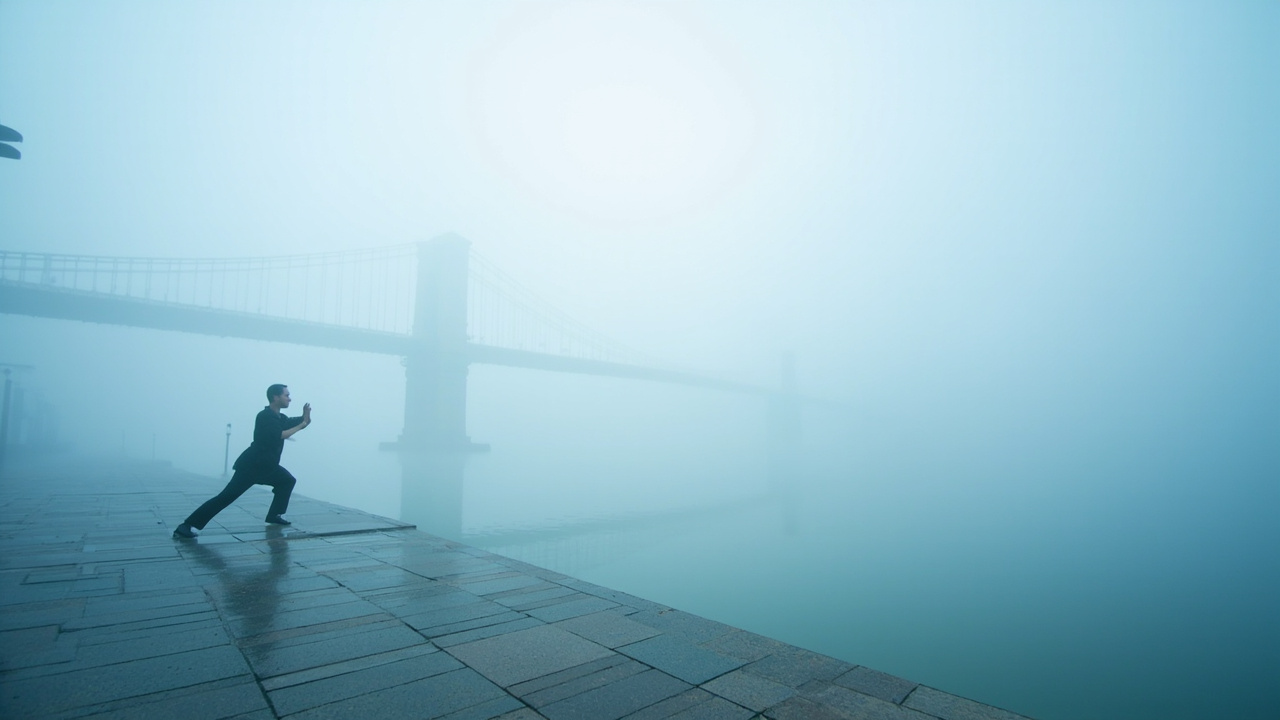
The first thing I noticed was the fog. Not the pollution kind people warn you about, but river fog — thick, white, rolling off the Yangtze at 6am when I walked out of my hotel near Hankou. A man was doing tai chi on the promenade with a thermos of tea balanced on a railing. Behind him, a bridge disappeared into the mist. I’d come to Wuhan because it’s the biggest city in central China and I figured I should understand it. I stayed four days. I could’ve stayed a week.
Wuhan gets skipped. Tourists fly Beijing to Shanghai to Xi’an to Chengdu and never touch the middle. That’s a mistake. This is a city of 13 million people where the Han River meets the Yangtze, splitting the place into three old towns — Wuchang, Hankou, Hanyang — each with its own personality. It’s where the 1911 revolution started. It has one of China’s best museums, a lake bigger than most city parks, and food that locals will argue about for hours. It’s also cheap, walkable in chunks, and genuinely less touristed than the headline cities.
What you’ll get here: ten places I actually went, with real prices, real transit directions, and the stuff I wish someone had told me before I showed up with the wrong shoes.
Quick answer
Wuhan’s top things to do are the Hubei Provincial Museum (free, needs booking), Yellow Crane Tower (about $10 / ¥70), East Lake’s Green Way (free), and the Hankou riverfront at night. Most nationalities can now enter China visa-free for up to 30 days, so Wuhan is easy to add to a Beijing–Shanghai route by high-speed rail. Budget about $50–70 per day for a comfortable trip.
The Short Version
If you have 90 seconds: do the museum, walk the East Lake Green Way at sunset, eat hot dry noodles for breakfast (they cost $1), and cross the Yangtze on the ferry for 30 cents instead of taking a taxi. Skip Yellow Crane Tower if you hate crowds and reconstructed buildings. Give Wuhan two full days minimum. It’s not a checklist city — it’s a wander-and-eat city.
How I Picked These
I’ve been through Wuhan four times since 2019, including a week-long stay in 2024 where I did almost nothing but walk. I asked the receptionist at my hostel in Wuchang, a taxi driver named Liu who took me to his favorite noodle shop, and a museum guide who told me which halls to skip when tour groups arrive. I cut anything that felt like filler. I also cut one famous temple because honestly, it wasn’t worth your time. Everything below is somewhere I’d send a friend.
Comparison Table
| Rank | Place | Best For | Approx Cost (USD) | Time Needed | When to Go |
|---|---|---|---|---|---|
| 1 | Hubei Provincial Museum | History, the chime bells | Free | 3–4 hrs | Weekday morning |
| 2 | East Lake Green Way | Cycling, sunsets | Free (bike ~$2/hr) | Half day | Late afternoon |
| 3 | Yellow Crane Tower | Views, the classic photo | $10 (¥70) | 2 hrs | Early morning |
| 4 | Hankou Riverfront | Night walks, skyline | Free | 1–2 hrs | After dark |
| 5 | Hubu Alley | Street food crawl | $5–10 | 1–2 hrs | Evening |
| 6 | Yangtze Ferry | Cheap river crossing | $0.30 (¥2) | 20 min | Sunset |
| 7 | Wuhan University | Campus, cherry blossoms | Free (¥20 in bloom) | 2 hrs | March–April |
| 8 | Guiyuan Temple | Quiet, Buddhist art | $1.50 (¥10) | 1.5 hrs | Morning |
| 9 | Wuhan Yangtze Bridge | Walking the top deck | Free | 1 hr | Sunrise or dusk |
| 10 | Jianghan Road | Colonial architecture, shopping | Free | 1–2 hrs | Evening |
Hubei Provincial Museum — the reason to come to Wuhan
I nearly skipped this. I’d been to enough provincial museums. Then a guide named Chen pulled me aside near the entrance and said, “You have to see the bells at 11.” She meant the bianzhong — a set of 65 bronze chime bells from 433 BC, dug out of a tomb in 1978, still playable. A musician plays them twice a day. The sound is low and strange, like something from underwater.
This is the best museum in central China, full stop. The Chu State gallery alone justifies the trip — lacquered boxes, silk, a sword still sharp after 2,500 years. It’s free, which is almost absurd given the quality.
📍 Wuchang District, on Donghu Road, near the East Lake 🎟️ Free, but you MUST reserve a slot on the museum’s WeChat account the day before. Bring your passport. 🕐 Tuesday–Sunday 9am–5pm, closed Mondays. Last entry 4pm. 🚇 Take Metro Line 8 to Hubei Provincial Museum station, Exit A. Walk 3 minutes. ⏰ Go on a weekday morning. Tour groups hit around 10am and 2pm. The bell performance is at 11am and 3pm. 💡 Download the museum’s English audio guide via their WeChat mini-program — the in-person English tours are inconsistent. Set up WeChat Pay before you arrive or you can’t book anything.
I spent four hours here and only left because my feet hurt. The sword of Goujian is in a dark room with a spotlight on it. Nobody talks in that room.
East Lake Green Way — where locals actually go
A friend in Shanghai told me East Lake was “just a lake.” He was wrong. It’s 33 square kilometers of water ringed by a 100-kilometer path, and the section called the Green Way is where Wuhan goes to breathe. I rented a bike for ¥15 ($2) and rode for two hours without seeing the same view twice.
Why it matters: this is the anti-tourist attraction. No tickets, no touts, no selfie sticks. Just families, joggers, old men fishing, and lotus flowers the size of dinner plates in summer. The light at 5pm turns the water gold.
📍 Wuchang District, multiple entrances. The Moshan and Tingtao sections are the most scenic. 🎟️ Free. Bike rental ¥15–30/hour ($2–4). 🕐 Open 24 hours, but bike rentals run roughly 8am–6pm. 🚇 Line 8 to East Lake Green Way station, Exit C, then walk to the rental stand. ⏰ Late afternoon on a weekday. Weekends are packed with families. 💡 Bring cash or make sure your Alipay works — some small rental stands don’t take foreign cards. Mosquito repellent in summer is not optional.
I got mildly lost near the Moshan entrance and a retired teacher walked me back to the main path for 15 minutes. She refused to take the water bottle I offered.
Yellow Crane Tower — worth it, with caveats
Here’s my honest take: the current tower is a 1985 reconstruction. The original burned down multiple times. You are not seeing ancient architecture. You are seeing a very good modern building on a historic site with a great view.
That said, the view is genuinely great. From the top you get the Yangtze, the bridge, and the whole sprawl of Wuchang. Li Bai wrote poems about this place. The vibe is real even if the bricks aren’t.
📍 Wuchang District, on Snake Hill by the river 🎟️ ¥70 ($10). No discount for foreigners, no student rate without a Chinese ID. 🕐 8am–6pm daily, slightly shorter hours in winter. 🚇 Line 4 to Fuxing Road station, Exit A, walk 10 minutes uphill. ⏰ Go at 8am opening. By 10am it’s a queue. Avoid Chinese public holidays entirely. 💡 The park around the tower is free and honestly nicer than the tower itself. If you’re on a budget, skip the ticket and walk the grounds.
I paid the ¥70, went up, took one photo, and spent the next hour in the free park below watching old men play Chinese chess. That was the better hour.
Hankou Riverfront — the night walk
Wuhan’s skyline lights up at 7pm and the riverfront in Hankou is where you watch it happen. I walked from the Jianghan Road metro stop down to the water and stood there for 40 minutes. Ferries crossed. A cruise boat with neon on it went by. Some teenagers were filming a dance video.
This is a free attraction and one of the best things in the city. The colonial-era buildings behind you — old banks, customs houses, a former concession district — are lit up too. It’s the closest Wuhan gets to a Shanghai Bund moment, and it’s less crowded.
📍 Hankou District, along Yanjiang Avenue 🎟️ Free 🕐 Best from 7–10pm. The light show runs most nights. 🚇 Line 2 to Jianghan Road station, Exit C, walk 5 minutes to the river. ⏰ Any dry evening. Rain kills it. 💡 The riverfront is long — walk north toward the Yangtze Bridge for quieter sections. Grab a beer from a convenience store and sit on the steps like everyone else.
I bought a ¥5 can of local beer and sat next to a guy who was doing the same thing. We didn’t talk. It was perfect.
Hubu Alley — eat here, but know what you’re doing
Hubu Alley is a food street in Wuchang, and yes, it’s touristy. It’s also where you eat hot dry noodles (reganmian), the dish Wuhan is famous for. I paid ¥7 ($1) for a bowl at 7am and understood immediately why locals are obsessive about it.
The alley gets packed after 6pm. Go early or go late. The best stalls are the ones with a line of locals, not the ones with English menus and photos.
📍 Wuchang District, near the Yellow Crane Tower 🎟️ Free to walk. Food ¥5–30 per item ($0.70–4). 🕐 Stalls run roughly 6am–10pm, best at breakfast and after 8pm. 🚇 Line 4 to Fuxing Road, Exit A, walk 8 minutes. ⏰ Breakfast is the move. Reganmian is a morning food. 💡 Learn to say “reganmian” (ruh-gahn-mee-en). Point at what you want. Most stalls take WeChat Pay only — set up Alipay or WeChat Pay before you come or you’ll be stuck.
I tried doupi (sticky rice wrapped in bean skin) and a sesame paste noodle dish I still think about. The vendor laughed at my pronunciation and gave me extra.
Yangtze Ferry — the 30-cent river crossing
Forget the sightseeing cruises. Take the commuter ferry. It costs ¥2 ($0.30), runs every 20 minutes, and gives you the same river view as the ¥150 tourist boat. I rode it three times.
📍 Multiple piers. The Wuhan Guanzhikou–Zhonghua Road route is the most useful for tourists. 🎟️ ¥2 ($0.30). Pay with cash or a transit card. 🕐 Roughly 6am–10pm, more frequent at rush hour. 🚇 Line 2 to Jianghan Road, then walk to Wuhan Guanzhikou pier. ⏰ Sunset. Non-negotiable. 💡 Stand at the back of the boat for the best photos. Locals will push past you to get off — let them.
An old man on my second crossing pointed at the bridge and said something I didn’t understand. I nodded. He nodded back. Good conversation.
Wuhan University — cherry blossoms and old buildings
Wuhan University is one of the prettiest campuses in China, and in late March the cherry blossoms draw crowds from across the country. Outside blossom season it’s a quiet, hilly campus with 1930s architecture worth a wander.
📍 Wuchang District, on Luojia Hill near East Lake 🎟️ Free most of the year. ¥20 ($3) during cherry blossom season, and you must book ahead. 🕐 Campus open daily, but buildings close in the evening. 🚇 Line 2 to Jiedaokou station, then a short taxi or 15-minute walk. ⏰ Weekday mornings. Blossom season (late March) is chaos — go at 7am or skip it. 💡 You need your passport to enter during blossom season. The reservation system is WeChat-only.
I went in October, no blossoms, no crowds. Sat on a wall overlooking East Lake for an hour. Better than the photos I’ve seen of the blossom rush.
Guiyuan Temple — the quiet one
Guiyuan Temple is a working Buddhist temple in Hanyang, and it’s the calmest place I found in Wuhan. ¥10 ($1.50) gets you in. Inside there’s a hall with 500 arhat statues, each with a different face, and a vegetarian restaurant that locals swear by.
📍 Hanyang District, on Cuiwei Road 🎟️ ¥10 ($1.50) 🕐 8am–5pm daily 🚇 Line 6 to Zhongjiacun, Exit B, walk 10 minutes ⏰ Weekday morning. It’s small — 90 minutes is plenty. 💡 The vegetarian lunch is ¥30 ($4) and worth it. Bring small cash for incense if you want to participate.
I watched a woman pray for 20 minutes without moving. I don’t know what she was praying for. It felt rude to wonder.
Wuhan Yangtze Bridge — walk the top deck
The Yangtze Bridge was the first bridge built across the river here, finished in 1957 with Soviet help. You can walk across the top deck — cars below, trains inside — and it takes about 40 minutes each way. Sunrise is the move.
📍 Connects Wuchang and Hanyang 🎟️ Free 🕐 Open 24 hours 🚇 Line 4 to Fuxing Road, then walk to the bridge approach ⏰ Sunrise or dusk. Midday is brutal in summer. 💡 The pedestrian walkway is on both sides. The east side has the better view of Yellow Crane Tower.
I walked it at 6am and had the whole deck to myself except for one jogger and a guy selling boiled eggs from a cart.
Jianghan Road — colonial architecture and shopping
Jianghan Road is Wuhan’s main pedestrian shopping street, lined with 1920s buildings from the old foreign concessions. It’s not a must-see, but it’s a pleasant evening walk and connects to the riverfront. Good for souvenirs, bad for authentic food.
📍 Hankou District 🎟️ Free 🕐 Shops roughly 10am–10pm 🚇 Line 2 to Jianghan Road, Exit C ⏰ Evening, when the buildings are lit 💡 Eat elsewhere. The restaurants here are overpriced. Use it as a walking route to the river.
I bought a fridge magnet and regretted it. The riverfront two blocks away was better.
FAQ summary
Wuhan’s must-dos are the Hubei Provincial Museum (free, book ahead on WeChat), the East Lake Green Way (free, rent a bike), and the Hankou riverfront at night (free). Yellow Crane Tower costs ¥70 ($10) and is worth it mainly for the view. Most foreign visitors can now enter China visa-free for up to 30 days, and Wuhan connects to Beijing, Shanghai, and Guangzhou by high-speed rail in 4–6 hours. Budget $50–70 per day. Set up Alipay or WeChat Pay before arrival — many stalls are cashless.
FAQ
Q: Is Wuhan worth visiting for a first-time China trip? A: Yes, if you have 2–3 spare days and want a less touristed city with great food and a top-tier museum. It’s not a substitute for Beijing or Xi’an, but it’s a strong addition.
Q: Do I need a visa to visit Wuhan in 2026? A: Most nationalities can enter China visa-free for up to 30 days under current policy, and Wuhan also participates in the 240-hour transit program. Check your specific passport against the latest rules before booking — see our visa-free transit guide.
Q: How do I get to Wuhan from Beijing or Shanghai? A: High-speed rail. Beijing West to Wuhan takes about 4.5 hours; Shanghai Hongqiao to Wuhan is about 4 hours. Book on Trip.com or the official 12306 app. See our China train guide for the booking process.
Q: Is English spoken in Wuhan? A: Less than in Beijing or Shanghai. Hotel staff usually manage basic English; taxi drivers and restaurant workers generally don’t. Have a translation app ready and save your hotel address in Chinese characters.
Q: Do I need a VPN in Wuhan? A: Yes, if you want Google, Instagram, WhatsApp, or Gmail. Install and test your VPN before you fly — they’re hard to download once you’re inside China. See our SIM and internet guide.
Q: What’s the best time of year to visit Wuhan? A: Late March to May and September to November. Summer is brutally hot and humid — Wuhan is one of China’s “furnace cities.” Winter is cold and gray but cheap and uncrowded.
Q: How much does a day in Wuhan cost? A: Roughly $50–70 for a mid-range traveler: $30–50 hotel, $10–15 food, $5–10 transport and tickets. Budget travelers can do it on $25–30.
The Honest Wrap-up
This list is for people who like cities, not just monuments. If you want a checklist of ancient wonders, go to Xi’an. If you want to eat breakfast for a dollar, ride a ferry for thirty cents, and stand on a bridge at sunrise with nobody around, Wuhan delivers. It’s not polished. Some of it is ugly. The traffic is loud and the summer is punishing. But it’s real in a way that more famous Chinese cities have partly lost. Book two days, pack light, set up your payment apps before you land, and don’t skip the museum. That’s the whole advice. I’d give it to a friend.
More guides you may like
Top 10 Bridges in China
China's bridges are engineering marvels spanning mountains, rivers, and seas. Here are 10 of the most spectacular, from ancient stone to modern steel.
8 min read

Top 10 Buddhist Sites in China
From the Leshan Giant Buddha to the Dunhuang Caves, these 10 Buddhist sites represent 2,000 years of China's spiritual heritage.
9 min read
Top 10 Day Trips from Beijing You Shouldn't Miss
Beijing is packed with history, but some of China's best experiences are just a few hours away. Here are 10 day trips that will transform your visit.
9 min read
Top 10 Hidden Gems in China Off the Beaten Path
Beyond the Great Wall and Terracotta Warriors, China has incredible hidden destinations few tourists ever reach. Here are 10 underrated gems worth the detour.
9 min read
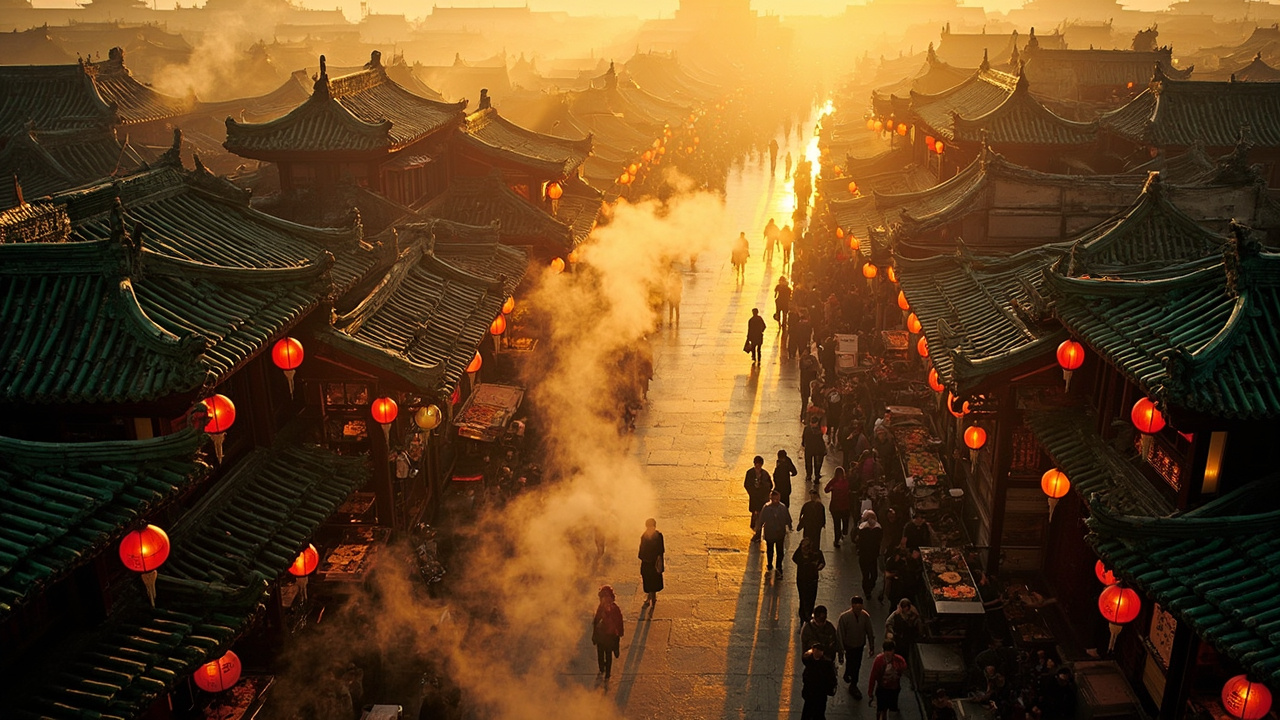
Top 10 Markets and Shopping Streets in China
From Shanghai's Bund to Beijing's Silk Street - 10 markets where foreigners can haggle, explore, and bring home authentic Chinese goods.
9 min read
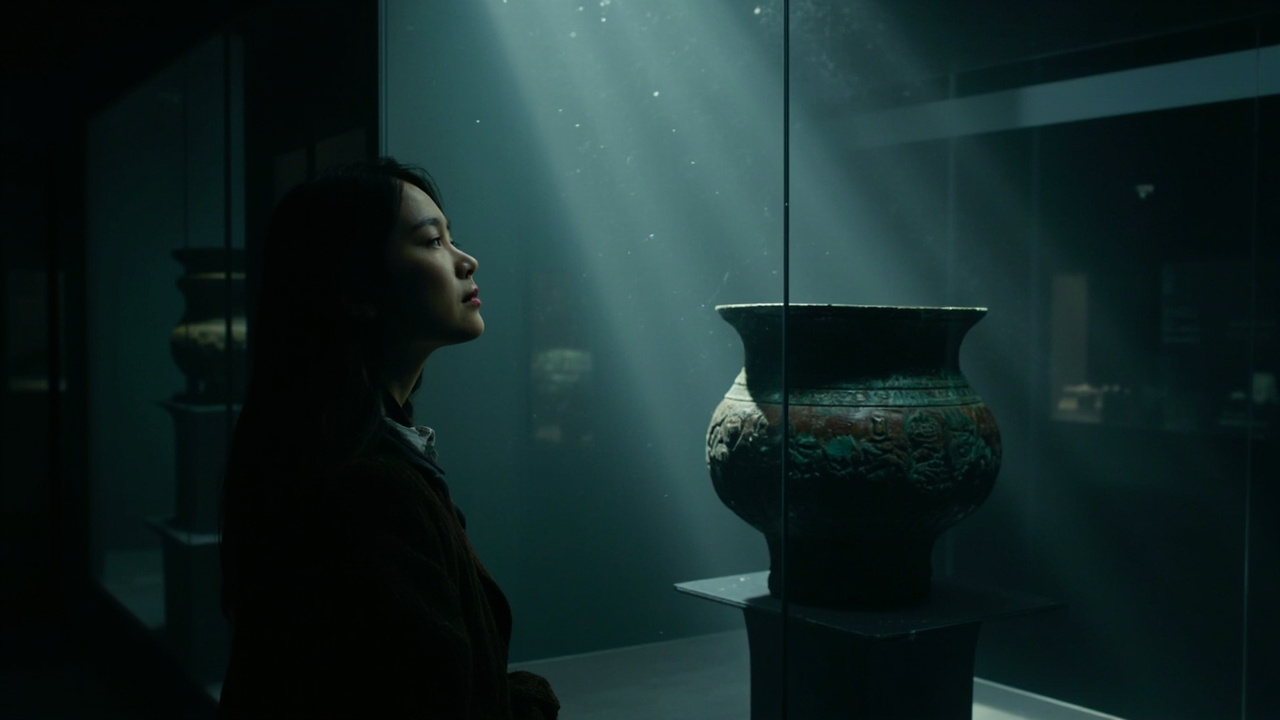
Top 10 Museums in China You Shouldn't Miss
China's museums span 5,000 years of civilization. These 10 - from the Palace Museum to Xi'an's terracotta gallery - are unmissable for culture lovers.
9 min read