
Spicy Food Trails China
The first time I ate Hunan food in Changsha, I made a mistake that I still think about. I ordered 'medium spicy.' The waiter looked at me, then at my…
Spicy Food Trails China
The first time I ate Hunan food in Changsha, I made a mistake that I still think about. I ordered “medium spicy.” The waiter looked at me, then at my friend, then back at me. He said something in Changsha dialect that I didn’t catch, and my friend translated: “He says medium spicy doesn’t exist here.” I laughed. He didn’t. Twenty minutes later I was sweating through my shirt, tears running down my face, and the table next to us was watching me with genuine concern. That was fifteen years ago. I’ve been chasing that feeling across China ever since.
China’s spicy food isn’t one thing. It’s at least four distinct traditions, each with its own philosophy. Sichuan uses numbing peppercorns that make your lips vibrate. Hunan goes straight for heat without the numbing. Guizhou ferments its chilies into sour, funky pastes. Yunnan layers smoke and herbs on top of the burn. Most tourists try one and think they’ve experienced Chinese spice. They haven’t.
This guide covers ten trails I’ve actually walked, eaten, and recovered from over seven years living in Beijing and dozens of trips south. I’ll tell you where to go, what to order, how much it costs, and which mistakes I made so you don’t have to.
Quick answer
China’s best spicy food trails run through Sichuan (Chengdu, Chongqing), Hunan (Changsha), Guizhou (Guiyang), and Yunnan (Kunming and Xishuangbanna). A focused 10-day spicy trail costs roughly $800–$1,200 (CNY 5,800–8,700) per person including food, transport, and budget hotels, not counting international flights. Most American and European passport holders can enter China visa-free for up to 30 days as of 2026, so you can book flights and go. Best months are October–November and March–April, when heat and humidity won’t fight you on top of the chili.
The Short Version
If you have 90 seconds: fly into Chengdu, spend three days eating hotpot and mapo tofu, take the high-speed train to Chongqing for two days of street-stall noodles, then fly to Changsha for two days of Hunan food that will humble you. Skip the tourist hotpot chains. Eat where the menu has no English. Carry tissues, drink room-temperature water not ice, and never trust a restaurant that offers a “mild” option. That’s the trail.
How I Picked These
I didn’t pull this list from a magazine. I’ve lived in Beijing since 2019 and traveled through China more than 40 times. For this guide I went back through my notes from the last five years, cross-checked with friends who live in Chengdu, Guiyang, and Kunming, and re-visited six of these spots in 2025 to make sure they still exist and still matter. A few famous places got cut because they’ve become tourist traps with watered-down spice. A few tiny places got added because a taxi driver or a hostel receptionist insisted I try them, and they were right. If a place is on this list, I’ve eaten there and paid my own bill.
Comparison Table
| Rank | Place | Best For | Approx Cost (USD) | Time Needed | When to Go |
|---|---|---|---|---|---|
| 1 | Chengdu, Sichuan | Numbing heat, hotpot culture | $40–70/day | 3–4 days | Oct–Nov, Mar–Apr |
| 2 | Chongqing | Street noodles, fiery hotpot | $35–60/day | 2–3 days | Mar–May, Sep–Nov |
| 3 | Changsha, Hunan | Pure chili heat, no numbing | $30–55/day | 2–3 days | Apr–May, Oct |
| 4 | Guiyang, Guizhou | Sour-fermented chili, minority food | $25–45/day | 2–3 days | May–Oct |
| 5 | Kunming, Yunnan | Smoky, herbal spice | $30–50/day | 2 days | Year-round |
| 6 | Xishuangbanna, Yunnan | Dai-style tropical spice | $35–60/day | 3 days | Nov–Apr |
| 7 | Xi’an night market | Cumin-heavy Muslim spice | $25–40/day | 1–2 days | Apr–Oct |
| 8 | Wuhan | Pepper-heavy Hubei heat | $30–50/day | 2 days | Mar–May, Sep–Nov |
| 9 | Nanning, Guangxi | Sour + spicy border fusion | $25–45/day | 2 days | Oct–Mar |
| 10 | Lanzhou | Chili oil over noodles | $20–35/day | 1–2 days | May–Sep |
1. Chengdu 鈥?Where Your Mouth Goes Numb Before It Burns
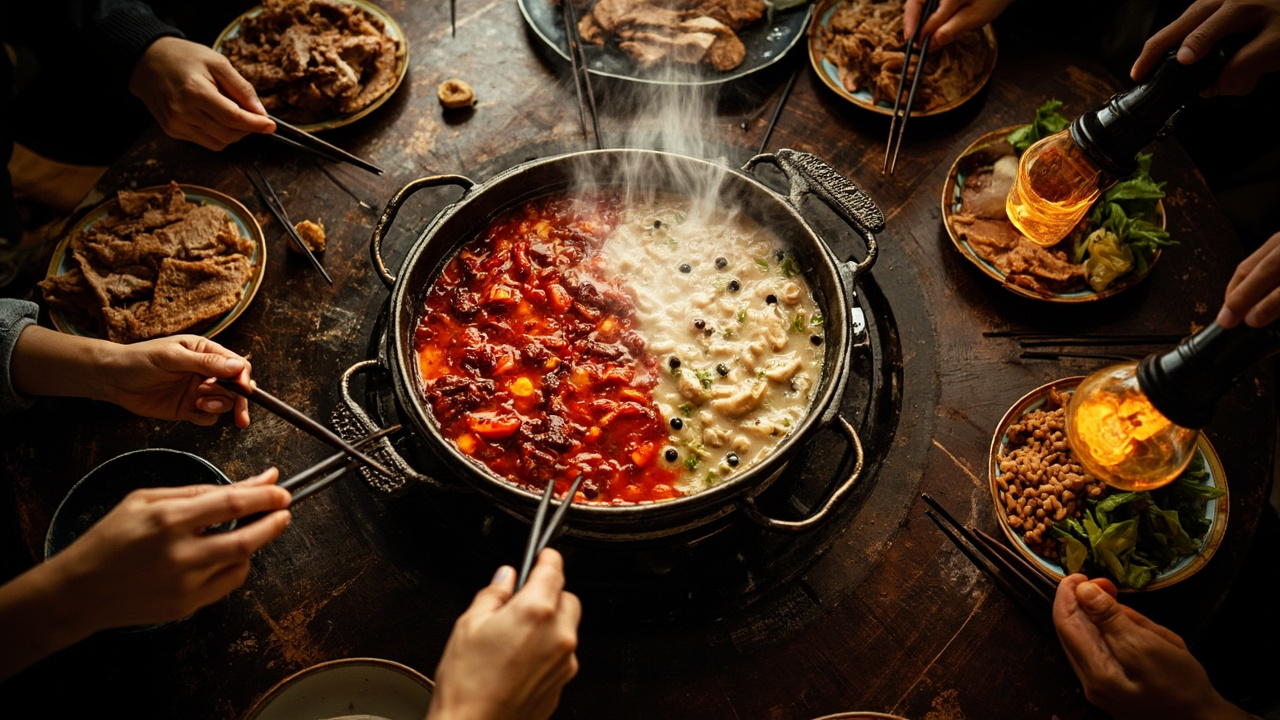
I still remember my first real Sichuan hotpot in a back alley off Jinli Street. The pot arrived divided in two, one side a red lava of beef tallow and chilies, the other a pale bone broth that my Sichuanese friend called “the tourist side.” I dipped a piece of tripe into the red side, ate it, and felt my lips start to buzz like a phone on vibrate. That’s m谩, the numbing sensation from Sichuan peppercorns. It’s not a gimmick. It’s the whole point.
Chengdu is where spicy food becomes a philosophy. The city has more teahouses than restaurants, and people will spend four hours over a hotpot arguing about which peppercorn harvest was better. What makes it special isn’t just the heat, it’s the balance. Sichuan cooking layers m谩 (numbing) and l脿 (hot) with sweet, sour, and fragrant notes so nothing overwhelms. If you only eat one spicy meal in China, eat it here.
馃搷 Location: Jinjiang and Qingyang districts. The best spots are in the alleys around Kuanzhai Xiangzi and near Sichuan University.
馃帿 Entry fee: Free to walk around. A hotpot meal for two runs $25–45 (CNY 180–320). Mapo tofu at a local shop is $3–5 (CNY 20–35).
馃晲 Opening hours: Hotpot restaurants typically 11am–2am. Small noodle shops 7am–9pm, often closed one random day a week.
馃殕 How to actually get there: Fly into Chengdu Tianfu International (TFU) or Shuangliu (CTU). From Tianfu, take Metro Line 18 to Chengdu South Railway Station, then Line 1 or 7 to your hotel. From the airport, a DiDi (Chinese Uber) to downtown is $15–20 (CNY 110–145).
鈴?When to visit: October and November are perfect. March and April are good. Avoid July and August, when humidity makes hotpot feel like a punishment.
馃挕 Insider tips: Set up Alipay or WeChat Pay before you arrive, because many hotpot places don’t take foreign cards. Ask for w膿i l脿 (微辣, mild) if you’re nervous, but know that mild here is still hotter than most Thai food. Order m谩o xu毛 xu毛 if you want the numbing to hit hard. And never, ever drink the hotpot broth at the end. Locals don’t.
I met a retired teacher named Mr. Chen at a teahouse in People’s Park who told me, in slow Mandarin, that the secret to surviving Sichuan food is to eat slowly and drink warm tea between bites. He was right.
2. Chongqing 鈥?The City That Eats Spice for Breakfast
Chongqing doesn’t do gentle. I arrived on a rainy Tuesday, checked into a hostel in Yuzhong, and by 8am was standing at a plastic stool eating xiǎo mi脿n (小面), a bowl of thin wheat noodles drowned in chili oil, pickled vegetables, and ground pork. It cost me 80 cents. It was one of the best breakfasts of my life.
This is the city that invented modern hotpot, or at least perfected it. The geography is insane, a vertical maze of hills and rivers, and the food matches. Chongqing hotpot is beefier and more aggressive than Chengdu’s, with more tallow and less subtlety. Street food here is cheap and relentless. You can eat five meals a day for under $20 and never repeat a dish.
馃搷 Location: Yuzhong and Jiangbei districts. The best street food clusters are around Jiefangbei and along the Nan’an riverside.
馃帿 Entry fee: Free. A bowl of xiao mian is $1–2 (CNY 8–15). Hotpot for two is $20–35 (CNY 145–255).
馃晲 Opening hours: Noodle stalls open 6:30am and close when they run out, often by 10am. Hotpot runs 5pm–3am.
馃殕 How to actually get there: Fly into Chongqing Jiangbei International (CKG), then take Metro Line 10 to Hongtudi and transfer to Line 6. Or take the high-speed train from Chengdu, which takes 1 hour 20 minutes and costs $20–30 (CNY 145–220).
鈴?When to visit: March–May and September–November. Summer is brutal, 40掳C with humidity. Winter is gray but the food is just as good.
馃挕 Insider tips: Chongqing is built on hills, so Google Maps will lie to you about walking times. Add 50% to any estimate. Many noodle stalls only accept WeChat Pay, so have it ready. If you can’t handle extreme heat, ask for shǎo l脿 (少辣), but expect them to ignore you. The famous Hongya Cave is a tourist trap; eat one street over instead.
I once watched a grandmother at a stall near Ciqikou argue with her grandson about whether his noodles had enough chili. She added three more spoonfuls. He ate them. He was maybe seven years old.
3. Changsha 鈥?Hunan Heat Without the Numbing
Hunan food doesn’t numb you. It just burns. That’s the difference, and it matters. Where Sichuan uses peppercorns to distract your nerves, Hunan goes straight for the pain receptors with fresh and dried chilies, garlic, and fermented black beans. The result is cleaner, sharper, and honestly harder to handle if you’re not used to it.
I ate at a tiny restaurant in Changsha’s Pozi Street area where the chef, a woman in her sixties, refused to let me order the “foreigner version” of her dishes. She pointed at the menu, then at me, and said, “This one. You eat this one.” It was a plate of xiǎo chǎo ròu (小炒肉), sliced pork stir-fried with green chilies. I finished it, barely. She smiled and gave me a free bowl of rice.
馃搷 Location: Furong and Tianxin districts. Pozi Street and Taiping Street are the main food streets.
馃帿 Entry fee: Free. Meals at local restaurants run $4–8 (CNY 30–60) per person.
馃晲 Opening hours: Most restaurants 11am–2pm and 5pm–9pm. Street food stalls run later, often until midnight.
馃殕 How to actually get there: Fly into Changsha Huanghua International (CSX), then take the Maglev to Changsha South Railway Station and Metro Line 2 into the city. Or take the high-speed train from Wuhan (1.5 hours, $25–40 / CNY 180–290).
鈴?When to visit: April–May and October are ideal. Summer is hot and humid. Winter is cold and damp.
馃挕 Insider tips: Hunan restaurants rarely offer a mild option, so if you can’t handle heat, this might not be your city. Order chòu dòufu (stinky tofu) from a street stall, it’s a Changsha specialty and much better than it sounds. English menus are rare, so download a translation app with camera OCR before you arrive. A local SIM or eSIM is essential here.
I made the mistake of ordering “medium” on my first night in Changsha. The waiter laughed. I cried. We both learned something.
4. Guiyang 鈥?Guizhou’s Sour-Fermented Secret
Most tourists skip Guizhou. That’s their loss. Guiyang’s food is built on fermented chilies, sour fish soup, and a funk that takes getting used to but becomes addictive. The local style is called suān tāng (酸汤), a sour soup made from fermented tomatoes and rice, spiked with chilies and herbs. It’s spicy in a completely different way, more tangy than burning.
I ate at a Miao minority restaurant outside the city center where the owner brought out a clay pot of sour fish soup and explained, through a translation app, that her family had been making it the same way for four generations. The soup was sour, smoky, and hot in waves. I drank three bowls.
馃搷 Location: Yunyan and Nanming districts. The best minority restaurants are in the surrounding villages, 30–60 minutes by car.
馃帿 Entry fee: Free. Sour fish soup for two is $12–20 (CNY 85–145). Street snacks $1–3 (CNY 8–20).
馃晲 Opening hours: Restaurants 11am–9pm. Street food stalls 7am–10pm.
馃殕 How to actually get there: Fly into Guiyang Longdongbao International (KWE), then take Metro Line 2 into the city. Or take the high-speed train from Kunming (2 hours, $30–45 / CNY 220–325).
鈴?When to visit: May–October. The climate is mild year-round, but summer is best for the surrounding villages.
馃挕 Insider tips: Guizhou food is less tourist-friendly than Sichuan or Hunan, so bring a translation app. Ask for suān tāng yú (酸汤鱼) at any local restaurant and you’ll get the real thing. The local baijiu (rice liquor) is strong, 50%+ ABV, and often shared at meals. Pace yourself.
A taxi driver in Guiyang once pulled over to buy me a bag of roasted chilies from a roadside vendor. He insisted they were the best in the province. He was right.
5. Kunming 鈥?Yunnan’s Smoky, Herbal Heat
Kunming is where Chinese spice gets weird, in the best way. Yunnan cooking uses smoke, herbs, and fermented ingredients to build heat that feels layered rather than flat. The famous dish here is guò qiáo mǐxiàn (过桥米线), “crossing the bridge noodles,” a bowl of hot broth you assemble at the table with raw meat, vegetables, and chilies. It’s a ritual as much as a meal.
I ate my first proper version at a shop near Green Lake Park, where the broth arrived at a rolling boil and the waiter dropped in each ingredient in a specific order. The chili oil at the end turned the whole bowl red. It was one of the most satisfying meals I’ve had in China.
馃搷 Location: Wuhua and Panlong districts. Green Lake Park area has the best noodle shops.
馃帿 Entry fee: Free. A bowl of crossing-the-bridge noodles is $4–7 (CNY 30–50).
馃晲 Opening hours: Noodle shops 7am–9pm. Some close on Mondays.
馃殕 How to actually get there: Fly into Kunming Changshui International (KMG), then take Metro Line 6 to East Bus Station and transfer to Line 3. Or take the high-speed train from Guiyang (2 hours, $30–45 / CNY 220–325).
鈴?When to visit: Year-round. Kunming is called the “Spring City” for a reason, temperatures stay mild.
馃挕 Insider tips: Yunnan food varies wildly by region, so ask what style a restaurant serves. The local chili paste, hú l脿 jiàng (糊辣酱), is smoky and worth buying to take home. Many shops in the Green Lake area accept Alipay but not foreign cards.
I once sat next to a Yunnan chef on a train who spent 40 minutes explaining the difference between Dai, Bai, and Yi cooking styles. I understood maybe half of it. The half I understood changed how I eat.
6. Xishuangbanna 鈥?Dai Food at the Thai Border
Xishuangbanna feels less like China and more like northern Thailand. The Dai minority here cooks with lemongrass, galangal, lime, and chilies, creating a tropical spice that’s sour, fresh, and hot all at once. If you like Thai food, you’ll love this. If you don’t, skip it.
I spent three days in Jinghong, the capital, eating at night markets and small family restaurants. The standout was a grilled fish stuffed with lemongrass and chilies, wrapped in banana leaf, and served with a dipping sauce that nearly took my head off. It cost $6 (CNY 45).
馃搷 Location: Jinghong city, especially the Gaozhuang Night Market and the Dai villages along the Mekong.
馃帿 Entry fee: Free. Meals $3–8 (CNY 20–60) per person.
馃晲 Opening hours: Night markets 6pm–midnight. Restaurants 10am–10pm.
馃殕 How to actually get there: Fly into Xishuangbanna Gasa International (JHG) from Kunming (1 hour, $50–90 / CNY 360–650). Or take the new high-speed train from Kunming (3.5 hours, $30–50 / CNY 220–360).
鈴?When to visit: November–April, the dry season. Avoid the rainy summer months.
馃挕 Insider tips: The night market at Gaozhuang is the best single food destination in the region. Bring small bills, some vendors don’t take digital payment. The local Dai beer, Lancangjiang, is light and pairs well with the food. English is rare here, so a translation app is essential.
I met a Dai woman at the night market who sold me a plate of grilled chilies stuffed with pork. She didn’t speak a word of Mandarin, only Dai. We communicated entirely through pointing and smiling. Best $2 I ever spent.
7. Xi’an 鈥?Muslim Quarter Cumin Heat
Xi’an’s spice is different. It’s cumin-heavy, oil-rich, and comes from the city’s Hui Muslim community. The signature dish is yáng ròu pào mó (羊肉泡馍), lamb soup with torn flatbread, but the real spice trail runs through the Muslim Quarter’s night market. Cumin lamb skewers, chili-oil noodles, and ròu jiā mó (肉夹馍), the “Chinese hamburger,” all hit hard in their own way.
I ate my way through the Muslim Quarter on a cold November night, starting with skewers and ending with a bowl of b铆谩ng b铆谩ng mi脿n (biangbiang noodles), thick hand-pulled noodles drenched in chili oil and garlic. The whole meal cost under $10.
馃搷 Location: Lianhu District, specifically Beiyuanmen Street in the Muslim Quarter.
馃帿 Entry fee: Free. Street food $1–4 (CNY 8–30) per item.
馃晲 Opening hours: Night market 5pm–midnight. Some stalls open earlier.
馃殕 How to actually get there: Fly into Xi’an Xianyang International (XIY), then take the Airport Intercity Railway to Xi’an North Station and Metro Line 2 to Bell Tower. Or take the high-speed train from Beijing (4.5 hours, $75–110 / CNY 545–800).
鈴?When to visit: April–October. Winter is cold but the food is just as good and the crowds are smaller.
馃挕 Insider tips: The Muslim Quarter is touristy, but the food is still legit. Skip the stalls with photos of Anthony Bourdain, go one street deeper. Cash is still useful here. Try the yáng ròu chu脿n (lamb skewers) with extra cumin.
A Hui vendor once refused to let me pay for a second skewer, insisting it was “for the guest.” I tried to argue. He won.
8. Wuhan 鈥?Hubei’s Pepper-Forward Heat
Wuhan doesn’t get enough credit for its food. The local style is pepper-forward, less numbing than Sichuan, less pure-heat than Hunan. The signature dish is r猫 gān mi脿n (热干面), dry-tossed noodles with sesame paste and chili oil, usually eaten for breakfast. It’s cheap, fast, and delicious.
I ate my first bowl at a stall near Wuhan University, standing up, at 7am, surrounded by students. It cost 60 cents. I had three more before noon.
馃搷 Location: Wuchang and Hankou districts. The best noodle stalls are near universities and old neighborhoods.
馃帿 Entry fee: Free. A bowl of hot dry noodles is $1–2 (CNY 8–15).
馃晲 Opening hours: Noodle stalls 6am–11am. Many close when they sell out.
馃殕 How to actually get there: Fly into Wuhan Tianhe International (WUH), then take Metro Line 2 into the city. Or take the high-speed train from Changsha (1.5 hours, $25–40 / CNY 180–290).
鈴?When to visit: March–May and September–November. Summer is brutally hot.
馃挕 Insider tips: Hot dry noodles are a breakfast food, so don’t try to order them at dinner. Mix them thoroughly before eating, the sesame paste settles. Most stalls only take WeChat Pay.
I once watched a Wuhan local add four spoonfuls of chili oil to his noodles before 7am. He looked at me like I was the weird one for only adding two.
9. Nanning 鈥?Guangxi’s Sour-Spicy Border Fusion
Nanning sits close to Vietnam, and the food reflects it. The local style blends sour, spicy, and fresh, with pickled vegetables, river fish, and a lot of lime. It’s lighter than Sichuan or Hunan, but still packs heat. The signature dish is suān lā fěn (酸辣粉), sour-spicy noodles with peanuts and pickled greens.
I ate at a tiny shop in Nanning’s Zhongshan Road area where the owner, a woman in her fifties, made me try three different chili pastes before letting me order. Each one was different. Each one was good.
馃搷 Location: Qingxiu and Xingning districts. Zhongshan Road is the main food street.
馃帿 Entry fee: Free. Meals $2–6 (CNY 15–45) per person.
馃晲 Opening hours: Street food 5pm–midnight. Restaurants 10am–10pm.
馃殕 How to actually get there: Fly into Nanning Wuxu International (NNG), then take the airport bus or Metro Line 1 into the city.
鈴?When to visit: October–March. Summer is hot and humid.
馃挕 Insider tips: Guangxi food uses more pickled ingredients than other regions, so be ready for sour notes. The local luós墨 fěn (snail rice noodles) are famous but divisive, try them once. English menus are rare.
A Nanning vendor once handed me a bowl of noodles and said, in broken English, “Eat fast, get cold.” She was right.
10. Lanzhou 鈥?Chili Oil Over Hand-Pulled Noodles
Lanzhou is technically in Gansu, a province most tourists skip entirely. That’s a mistake. The city’s signature dish, Lánzhōu lā mi脿n (兰州拉面), is famous worldwide, but the real version is nothing like what you’ve had abroad. It’s hand-pulled noodles in clear beef broth, topped with chili oil, cilantro, and sliced beef. The chili oil is the point, red, fragrant, and only mildly hot.
I ate at a tiny shop near the Yellow River, where the noodle-puller, a young man in his twenties, threw dough through the air like a circus act. The bowl cost $2. I had two.
馃搷 Location: Chengguan District, especially around the Yellow River and Zhangye Road.
馃帿 Entry fee: Free. A bowl of noodles is $1.50–3 (CNY 10–20).
馃晲 Opening hours: Noodle shops 6am–2pm, then 5pm–9pm. Some close between services.
馃殕 How to actually get there: Fly into Lanzhou Zhongchuan International (LHW), then take the airport train to Lanzhou West Station. Or take the high-speed train from Xi’an (3 hours, $40–60 / CNY 290–435).
鈴?When to visit: May–September. Winter is cold and dry.
馃挕 Insider tips: Lanzhou noodles are a breakfast and lunch food, not dinner. The chili oil is added at the end, ask for duō l脿 (多辣) if you want more. Most shops don’t have English menus, but the dish is universal.
The noodle-puller at the shop I visited once let me try to pull my own noodles. I failed spectacularly. He laughed, then gave me a free bowl anyway.
FAQ summary
China’s spicy food trails are concentrated in Sichuan, Hunan, Guizhou, and Yunnan, with secondary trails in Xi’an, Wuhan, Nanning, and Lanzhou. A 10-day spicy food trip costs roughly $800–$1,200 (CNY 5,800–8,700) per person excluding international flights. Most Western passport holders can enter China visa-free for up to 30 days in 2026, and Alipay or WeChat Pay is essential because many small restaurants don’t accept foreign cards. Best travel months are October–November and March–April.
FAQ
Q: Do I need a visa to travel to China for a spicy food trip in 2026? A: Most American, European, and Southeast Asian passport holders can enter China visa-free for up to 30 days as of 2026. Check your specific nationality before booking, as policies change. If you need a visa, apply at least 4–6 weeks in advance.
Q: How spicy is Chinese food really, compared to Thai or Indian food? A: Sichuan and Hunan food is generally hotter than most Thai or Indian dishes you’ll find in the West. Sichuan adds numbing (m谩) on top of heat, which is a different sensation. Hunan is pure chili heat with no numbing. Guizhou and Yunnan are milder but more complex.
Q: Can I pay with a credit card at spicy food restaurants in China? A: Rarely. Most small restaurants, street stalls, and hotpot places only accept WeChat Pay or Alipay. Set up Alipay or WeChat Pay before you arrive, linked to a foreign card. Carry some cash as backup for night markets.
Q: Do I need a VPN or a local SIM card? A: Yes, if you want to use Google, Instagram, or WhatsApp. Install a VPN before you arrive. For internet, buy a local SIM or eSIM at the airport, which is cheaper and faster than roaming.
Q: Is English widely spoken at these restaurants? A: No. Outside major hotels and tourist areas, English is rare. Download a translation app with camera OCR (like Google Translate or Pleco) before you go. Pointing at menus and using pictures works well.
Q: What’s the best way to travel between these cities? A: High-speed rail connects most of them. Chengdu to Chongqing is 1.5 hours, Changsha to Wuhan is 1.5 hours, Kunming to Guiyang is 2 hours. For longer routes like Beijing to Chengdu, fly. Book trains through the official 12306 app or Trip.com.
Q: What should I do if the food is too spicy for me? A: Drink warm water or milk, not cold soda. Eat rice or plain noodles between bites. Ask for w膿i l脿 (微辣, mild) but understand it’s still spicy. If you’re struggling, order a bowl of plain rice and eat it slowly.
The Honest Wrap-up
This list is for people who actually like spicy food and want to understand it, not just survive it. If you’re the kind of traveler who orders “mild” at Thai restaurants and means it, half of these places will be miserable for you. That’s fine. Skip Hunan and Chongqing, start with Yunnan and Xi’an, and work your way up.
If you’re the other kind, the kind who reads the word “numbing” and gets excited, book the flight. Start in Chengdu, end in Changsha, and give yourself two weeks. Bring tissues, bring a translation app, and bring a willingness to be humbled by a bowl of noodles that costs less than a coffee at home.
One last thing: the best spicy meal of your trip probably won’t be at a famous restaurant. It’ll be at a plastic stool on a side street, ordered by pointing, eaten while sweating, and remembered for years. Go find it.
More guides you may like
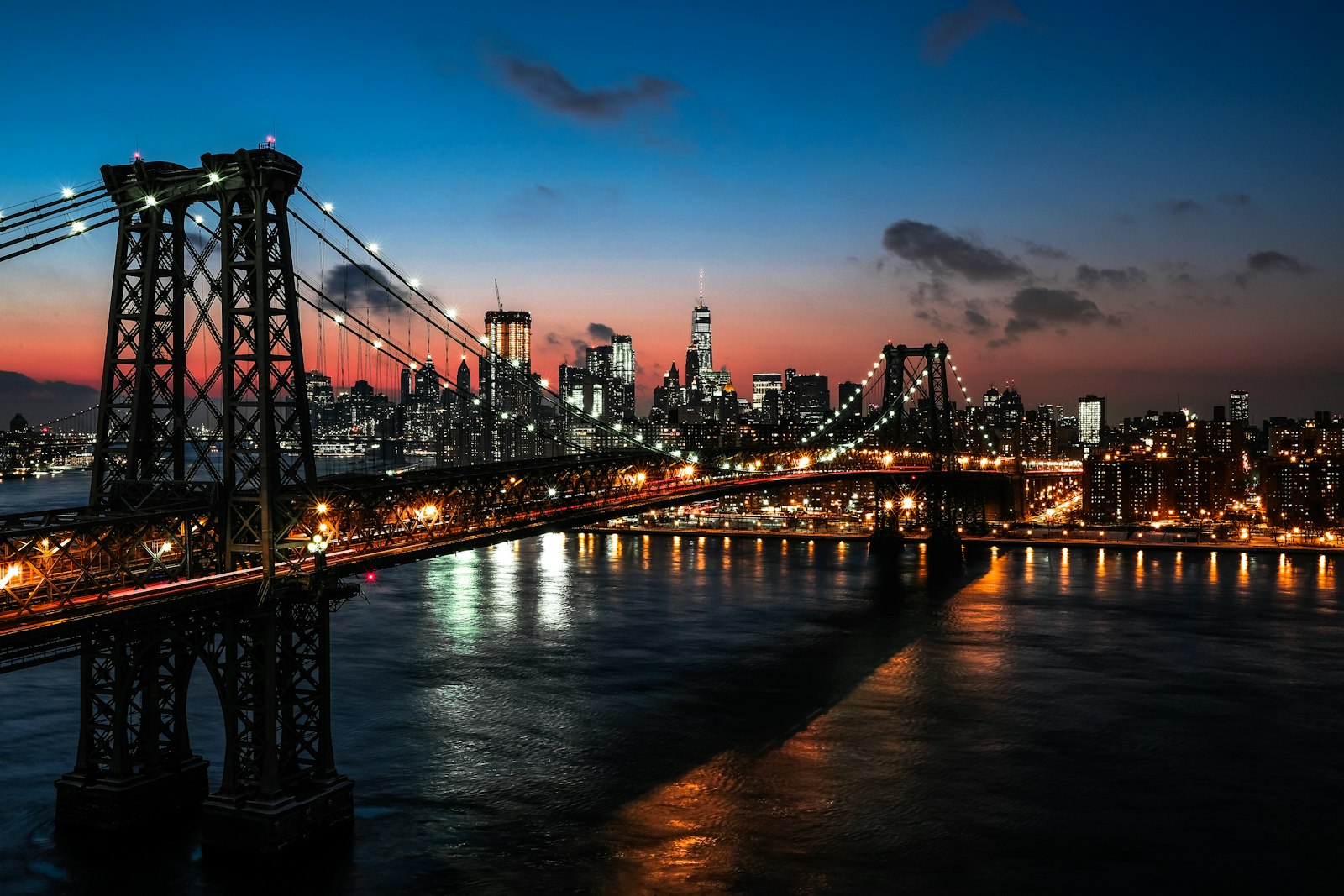
Top 10 Bridges in China
China's bridges are engineering marvels spanning mountains, rivers, and seas. Here are 10 of the most spectacular, from ancient stone to modern steel.
8 min read

Top 10 Buddhist Sites in China
From the Leshan Giant Buddha to the Dunhuang Caves, these 10 Buddhist sites represent 2,000 years of China's spiritual heritage.
9 min read
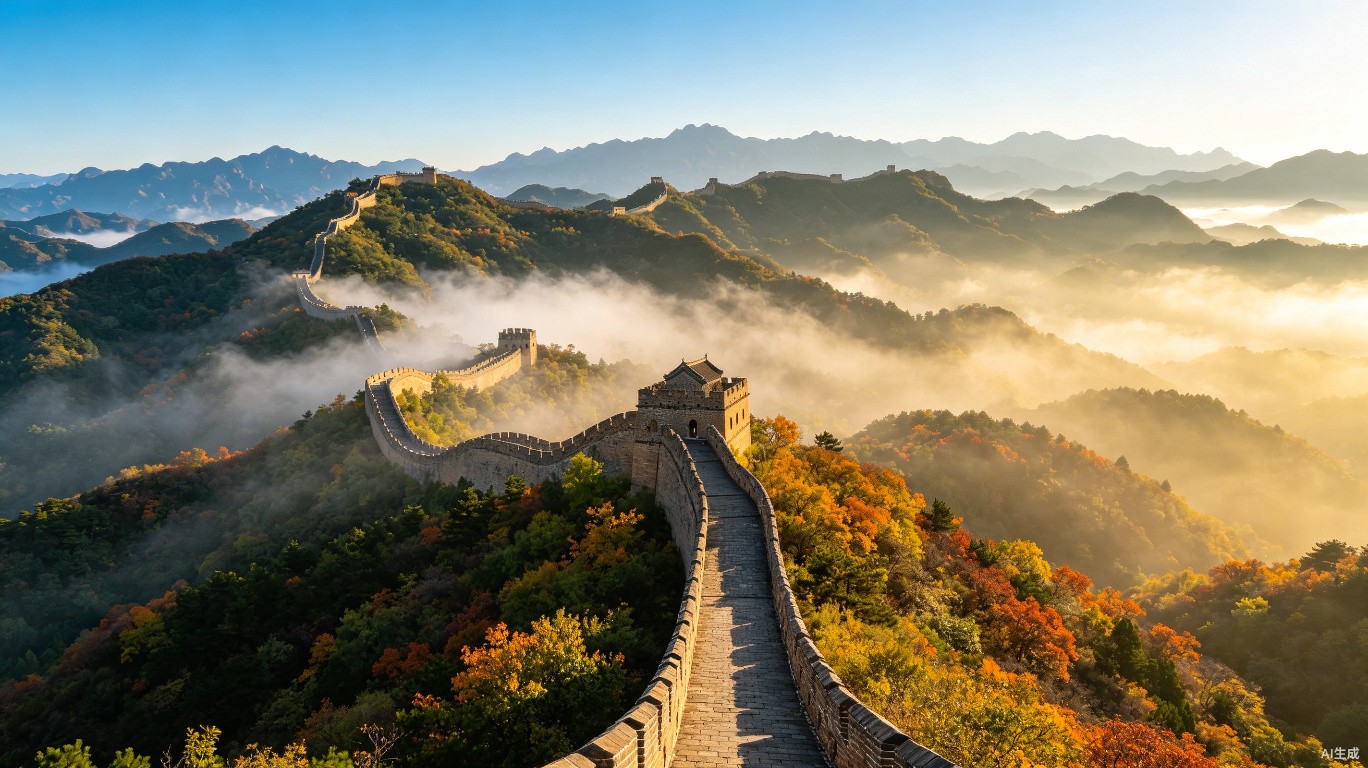
Top 10 Day Trips from Beijing You Shouldn't Miss
Beijing is packed with history, but some of China's best experiences are just a few hours away. Here are 10 day trips that will transform your visit.
9 min read
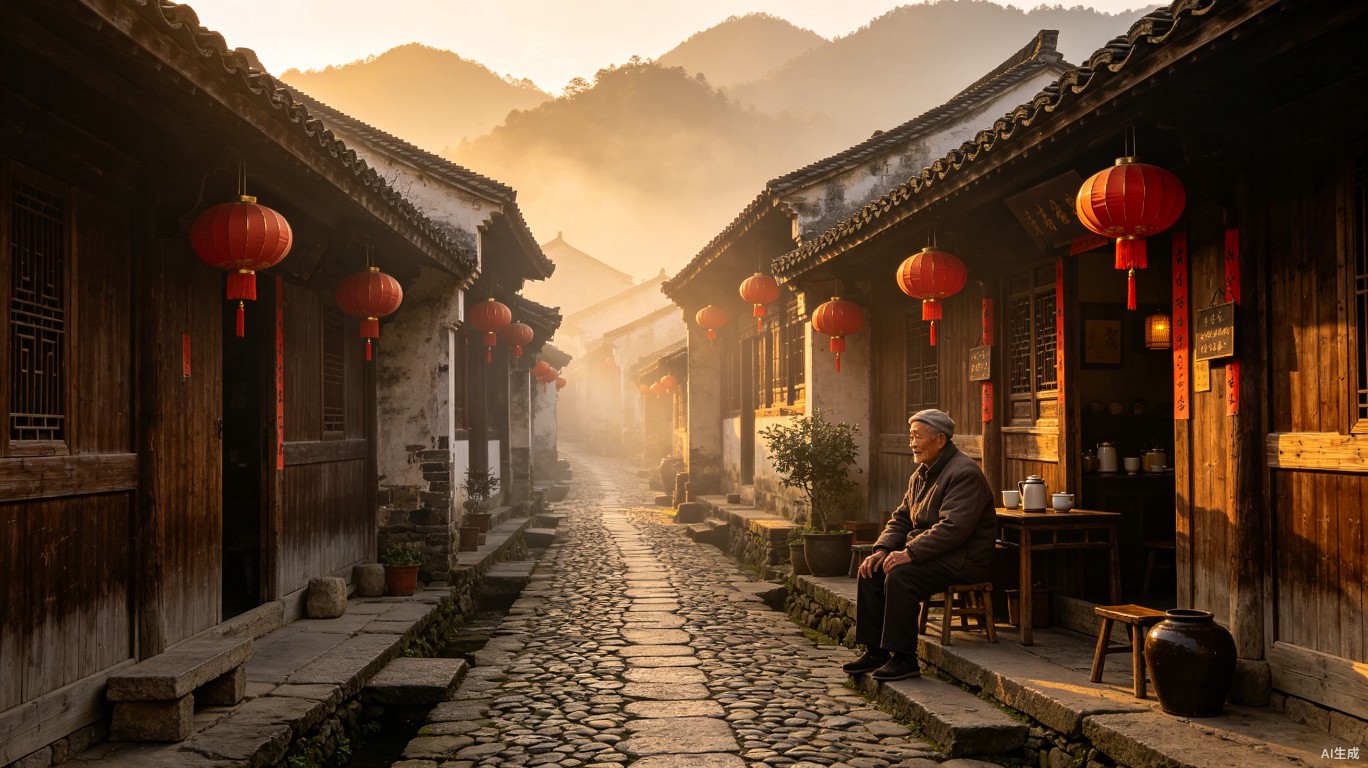
Top 10 Hidden Gems in China Off the Beaten Path
Beyond the Great Wall and Terracotta Warriors, China has incredible hidden destinations few tourists ever reach. Here are 10 underrated gems worth the detour.
9 min read
Top 10 Markets and Shopping Streets in China
From Shanghai's Bund to Beijing's Silk Street - 10 markets where foreigners can haggle, explore, and bring home authentic Chinese goods.
9 min read
Top 10 Museums in China You Shouldn't Miss
China's museums span 5,000 years of civilization. These 10 - from the Palace Museum to Xi'an's terracotta gallery - are unmissable for culture lovers.
9 min read