
Yinchuan Travel Guide
The first thing I noticed in Yinchuan was the smell of cumin. I'd stepped off the train from Xi'an at 7 a.m., still groggy, and walked straight into a…
Yinchuan Travel Guide
The first thing I noticed in Yinchuan was the smell of cumin. I’d stepped off the train from Xi’an at 7 a.m., still groggy, and walked straight into a breakfast stall where a man in a white skullcap was grilling lamb skewers over charcoal. Skewers. For breakfast. He looked at me like I was the strange one for hesitating.
That’s Yinchuan in a nutshell. It’s the capital of Ningxia, a small autonomous region wedged between the Gobi Desert and the Yellow River, and it’s one of the few Chinese cities where the Muslim Hui minority is the cultural anchor rather than a footnote. You hear Arabic script on shop signs next to Chinese characters. You smell lamb cooking everywhere. And you’re standing on ground that was once the heart of the Western Xia empire, a civilization so thoroughly erased by the Mongols that archaeologists are still piecing it together from fragments.
Most foreign tourists skip this city entirely. They fly into Beijing, do the Great Wall, take the train to Xi’an, and head south. Yinchuan sits northwest, closer to Inner Mongolia than to any of the famous stops. That’s exactly why I liked it. Nobody was trying to sell me a “cultural experience.” People were just living their lives, and I got to watch.
This guide covers the ten places worth your time in and around Yinchuan, with real prices, real transport details, and the kind of small things I wish someone had told me before I went.
Quick answer
Yinchuan is visa-free for most American, European, and Southeast Asian passport holders under China’s 240-hour transit policy, though you’ll need an onward ticket to a third country. Plan for 2–3 days and roughly $60–90 per day ($430–650 CNY) including food, transport, and entry fees. The best months are May, June, September, and October — summer is brutally dry and hot, winter drops below freezing. High-speed rail connects Yinchuan to Xi’an in about 3 hours, and the airport has direct flights from Beijing, Shanghai, and Chengdu.
The Short Version
Come for the Western Xia tombs, stay for the lamb. Two days is enough to see the city’s highlights; three if you want to add the Helan Mountain rock carvings and a desert day trip. Skip it if you hate mutton, dust, and places where almost nobody speaks English. Come if you want a version of China that doesn’t feel like it was built for tourists.
How I Picked These
I’ve been to Yinchuan three times over seven years, most recently in October 2025. The first trip was a mistake — I was trying to get from Beijing to Dunhuang and the train schedule forced a stopover. I ended up staying four days. Since then I’ve come back twice on purpose.
The places below are the ones I’d send a friend to. I’ve eaten at the night market stalls, gotten lost in the old town, paid too much for a taxi to the tombs because I didn’t know the bus schedule, and spent an afternoon with a Hui tea vendor named Ma who explained why his family’s eight-treasure tea uses rock sugar from Gansu instead of Ningxia. I’ve left out the spots that felt like tourist traps, even the famous ones.
Comparison Table
| Rank | Place | Best For | Approx Cost (USD) | Time Needed | When to Go |
|---|---|---|---|---|---|
| 1 | Western Xia Imperial Tombs | History, photography | $10 ($70 CNY) | 3–4 hours | Sep–Oct, weekday mornings |
| 2 | Ningxia Museum | Context before tombs | Free | 2 hours | Any day except Monday |
| 3 | Zhenbeibao Western Film Studio | Movie buffs, odd scenery | $11 ($80 CNY) | 3 hours | Spring or fall |
| 4 | Helan Mountain Rock Carvings | Ancient art, hiking | $9 ($65 CNY) | Half day | May–Oct |
| 5 | Shapotou Desert (Zhongwei) | Sand dunes, Yellow River | $14 ($100 CNY) | Full day | May–Sep |
| 6 | Nanguan Mosque | Islamic architecture | Free | 45 minutes | Any time except prayer |
| 7 | Haibao Pagoda | Buddhist history | $5 ($35 CNY) | 1 hour | Morning |
| 8 | Yinchuan Night Market | Street food | $8–15 ($60–110 CNY) | 2 hours | 7–10 p.m. |
| 9 | Shuidonggou | Paleolithic site, caves | $12 ($85 CNY) | Half day | Apr–Oct |
| 10 | Yellow River Scenic Area | River views, boat rides | $8 ($55 CNY) | 2–3 hours | Late afternoon |
Western Xia Imperial Tombs 鈥?Pyramids in the Desert
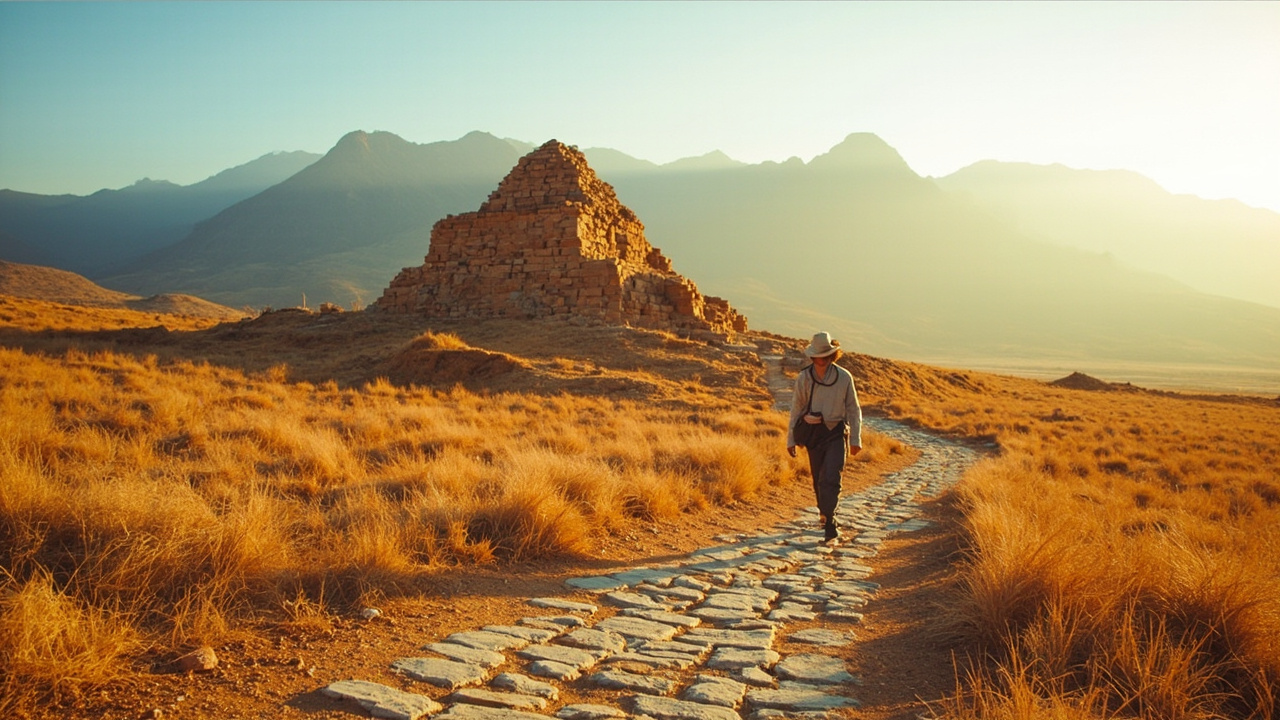
I stood at the base of Tomb No. 3 for twenty minutes before I understood what I was looking at. From a distance, the tombs look like giant termite mounds — conical earthen shapes rising out of flat desert. Up close, you realize they’re the burial sites of emperors from a dynasty that ruled this region for nearly 200 years and then vanished from history so completely that Chinese scholars didn’t seriously study them until the 1970s.
The Western Xia (1038–1227) built their own script, their own calendar, their own bureaucracy. Then Genghis Khan’s armies wiped them out, and the Mongols made a point of destroying their records. What’s left is a field of about nine royal tombs and 250 smaller ones, scattered across 50 square kilometers of dry grassland with the Helan Mountains as a backdrop.
The site is genuinely eerie. There’s almost no shade, no crowds, and the wind makes a low humming sound through the gaps in the reconstructed walls. Bring water and a hat.
📍 Location: About 35 km west of Yinchuan, in the Helan Mountain foothills, Xixia District.
🎫 Entry fee: $10 ($70 CNY) for the main tomb area, plus $4 ($30 CNY) for the shuttle bus that takes you between tombs. The museum at the entrance is included.
🕒 Opening hours: 8 a.m. to 6 p.m. daily, April through October. Closes at 5 p.m. in winter. Last entry is one hour before closing.
🚕 How to actually get there: There’s a direct tourist bus from Yinchuan Railway Station (not the high-speed rail station — the old one downtown) that leaves at 8:30 a.m. and returns around 2 p.m. Cost is about $4 ($30 CNY). Otherwise, a taxi from downtown is roughly $15–20 ($110–145 CNY) each way. If you’re using Alipay or WeChat Pay, you can book a Didi, but cell signal at the tombs is patchy.
⏰ When to visit: September and October are ideal — cool mornings, clear skies. Avoid July and August, when temperatures hit 95°F (35°C) and there’s no shade. Go on a weekday morning if you can; weekends bring domestic tour groups.
💡 Insider tips: The shuttle bus is worth it — the tombs are spread out and walking between them in the heat is miserable. The on-site museum has English signage and gives you the historical context you’ll need to make sense of what you’re seeing. Bring cash for the small vendors outside the gate; some don’t take mobile payment. And don’t skip Tomb No. 3 — it’s the best-preserved and the one most people photograph.
I made the mistake of going at noon in July on my first visit. I lasted 40 minutes before retreating to the air-conditioned museum.
Ningxia Museum 鈥?Do This First
I almost skipped this. Museums in smaller Chinese cities can be hit-or-miss, and I figured I’d rather spend my time outside. That was dumb. The Ningxia Museum gave me the framework I needed to understand everything else I saw in the region.
The collection covers the Western Xia dynasty in detail, including reconstructed script tablets, Buddhist sculptures, and a full-size replica of a tomb interior. There’s also a strong section on Hui Muslim culture — clothing, calligraphy, religious objects — that explains the Islamic thread running through the city.
📍 Location: Renmin Square, Jinfeng District, central Yinchuan.
🎫 Entry fee: Free. Bring your passport for the security check.
🕒 Opening hours: 9 a.m. to 5 p.m., Tuesday through Sunday. Closed Mondays. Last entry at 4:30 p.m.
🚇 How to actually get there: Take Metro Line 1 to Renmin Square Station, Exit B. The museum is the big building on the north side of the square. You can’t miss it.
⏰ When to visit: Any weekday morning. It’s rarely crowded, but school groups come through on weekday afternoons.
💡 Insider tips: The English audio guide costs about $3 ($20 CNY) and is worth it — the English placards are minimal. The Western Xia gallery is on the second floor; start there. Photography is allowed but no flash. The gift shop sells excellent reproductions of Western Xia script rubbings for around $10 ($70 CNY).
I spent two hours here and wished I’d budgeted three.
Zhenbeibao Western Film Studio 鈥?Weird, Wonderful, and Fake
This place is strange. It’s a film studio built to look like an old frontier town, and it’s been used in more than 100 Chinese movies and TV shows, including Zhang Yimou’s Red Sorghum. The buildings are fake. The dust is real. And somehow the whole thing works.
You walk through mud-brick walls, fake storefronts, and a replica of a traditional village that looks like it was abandoned in 1920. There are props scattered everywhere — old carts, broken pottery, hanging lanterns. It’s a photographer’s playground, and Chinese tourists love it.
📍 Location: Zhenbeibao Town, about 20 km northwest of downtown Yinchuan, Xixia District.
🎫 Entry fee: $11 ($80 CNY). Some sections require an additional ticket.
🕒 Opening hours: 8 a.m. to 6 p.m. daily, April through October. 9 a.m. to 5 p.m. in winter.
🚌 How to actually get there: Bus 17 from Yinchuan Railway Station goes directly to the studio. The ride takes about 45 minutes. Taxis cost around $12 ($85 CNY) from downtown.
⏰ When to visit: Spring and fall. Summer is hot and crowded. Go in the morning before the tour buses arrive around 10 a.m.
💡 Insider tips: Wear closed-toe shoes — the ground is dusty and uneven. The studio is more fun if you’ve seen at least one Chinese western; if not, just enjoy the atmosphere. There’s a small food court inside with decent lamb noodles for about $4 ($30 CNY). Bring a SIM card with data so you can look up what you’re seeing.
I met a retired couple from Chengdu here who insisted on taking my photo in front of every building. I now have 47 pictures of myself looking confused in front of fake storefronts.
Helan Mountain Rock Carvings 鈥?3,000 Years of Graffiti
The rock carvings at Helan Mountain are one of those sites that sneaks up on you. You hike up a dry canyon, and suddenly there are images pecked into the cliff faces — animals, human faces, abstract symbols — some of them 3,000 years old.
Nobody knows exactly who made them. The carvings span multiple eras, from Neolithic hunters to nomadic herders to early Buddhist pilgrims. The most famous is a sun god figure with radiating lines around its head, but my favorite was a simple ibex standing on a ledge, carved so deeply it’s still sharp after millennia.
📍 Location: Helan Mountain Nature Reserve, about 50 km northwest of Yinchuan.
🎫 Entry fee: $9 ($65 CNY), includes the shuttle to the canyon entrance.
🕒 Opening hours: 8 a.m. to 5:30 p.m., April through October. Closed in winter due to snow.
🚗 How to actually get there: There’s no public bus. You’ll need a taxi or a tour. A round-trip taxi from downtown runs about $30–40 ($220–290 CNY), and drivers will usually wait for you. Many hostels in Yinchuan organize day trips for around $25 ($180 CNY) per person.
⏰ When to visit: May through October. Go early — the canyon gets hot by noon, and the shuttle buses stop running if there’s rain.
💡 Insider tips: The hike is moderate but rocky; wear real shoes. Bring more water than you think you need. The carvings are spread along a 1 km trail, so budget 2–3 hours. There’s a small visitor center with English explanations, but the signage on the trail is mostly Chinese. Download a translation app before you go.
The day I went, a local guide pointed out a carving I would have walked right past — a tiny sheep, no bigger than my thumb, hidden behind a rock.
Shapotou Desert 鈥?Sand Dunes and the Yellow River
Shapotou is technically in Zhongwei, a city about 2 hours from Yinchuan by train, but it’s worth the trip. It’s where the Tengger Desert meets the Yellow River, and the landscape is genuinely surreal — massive sand dunes dropping straight into a wide, slow-moving river.
You can slide down the dunes on a wooden board (yes, really), take a boat across the river, or just walk along the edge and watch the light change. The sand is fine and pale, almost white in the afternoon sun.
📍 Location: Shapotou Scenic Area, Zhongwei, Ningxia.
🎫 Entry fee: $14 ($100 CNY), plus extra for activities like sandboarding ($8/$55 CNY) and boat rides ($10/$70 CNY).
🕒 Opening hours: 8 a.m. to 6 p.m., May through October. Closed in winter.
🚄 How to actually get there: High-speed train from Yinchuan to Zhongwei takes about 1.5 hours and costs $8–12 ($55–85 CNY). From Zhongwei station, take a taxi to the scenic area — about 20 minutes, $6 ($45 CNY). See the China train travel guide for booking tips.
⏰ When to visit: May through September. Late afternoon is best — the light is softer and the sand isn’t scorching.
💡 Insider tips: Bring a scarf or buff for the sand. Sunglasses are essential. The sandboarding is fun but you’ll get sand in places you didn’t know you had. There are showers at the exit for about $2 ($15 CNY). The Yellow River boat ride is worth it — it’s a different perspective on the dunes.
I tried sandboarding and wiped out spectacularly. A group of Chinese teenagers applauded.
Nanguan Mosque 鈥?The Heart of Hui Yinchuan
Nanguan Mosque is the largest and most important mosque in Yinchuan, and it’s a good place to understand the Hui Muslim community that shapes so much of the city’s culture. The current building is modern — the original was built in the Ming dynasty and rebuilt several times — but the atmosphere is genuine.
The architecture blends Islamic and Chinese elements: green domes, Arabic calligraphy, and traditional Chinese roof tiles. Non-Muslims can visit outside prayer times, but women should cover their hair and everyone should dress modestly.
📍 Location: Nanguan Street, Xingqing District, central Yinchuan.
🎫 Entry fee: Free.
🕒 Opening hours: 8 a.m. to 6 p.m. daily, but closed to non-Muslims during the five daily prayers (especially Friday midday).
🚶 How to actually get there: It’s a 15-minute walk from the old town center, or a short taxi ride from anywhere downtown. Metro Line 1 stops at Xingqing District, about 10 minutes away on foot.
⏰ When to visit: Mid-morning on a weekday. Avoid Friday around noon.
💡 Insider tips: Dress conservatively — long pants or skirts, covered shoulders. Women should bring a scarf. Photography is allowed in the courtyard but not inside the prayer hall. The surrounding streets have excellent Hui restaurants; look for hand-pulled noodles and lamb soup.
A shopkeeper near the mosque, a Hui man named Ma, invited me for tea and told me his family had lived in the neighborhood for six generations.
Haibao Pagoda 鈥?The Oldest Thing in Yinchuan
Haibao Pagoda is a brick-and-wood tower that dates back to the 5th century, making it one of the oldest surviving structures in the region. It’s not as famous as the big pagodas in Xi’an or Beijing, but that’s part of its charm — you can climb to the top for a view over the city, and you’ll likely be the only foreigner there.
The pagoda has survived earthquakes, wars, and centuries of neglect. It leans slightly, which locals will tell you is a sign of its age and resilience.
📍 Location: Haibao Pagoda Park, Xingqing District, north of the old town.
🎫 Entry fee: $5 ($35 CNY).
🕒 Opening hours: 8 a.m. to 6 p.m. daily, year-round.
🚌 How to actually get there: Bus 4 or 18 from downtown stops near the park entrance. A taxi from the city center costs about $4 ($30 CNY).
⏰ When to visit: Morning, when the light hits the pagoda from the east. Weekdays are quiet.
💡 Insider tips: The climb to the top is steep and the stairs are narrow — not for anyone with mobility issues. The park around the pagoda is pleasant for a stroll. There’s a small teahouse nearby where you can sit and recover.
I climbed to the top, looked out over the city, and realized I could see the desert on the horizon.
Yinchuan Night Market 鈥?Where to Eat Everything
The night market is the reason I’d come back to Yinchuan even if there were no tombs or mountains. It’s a long street of food stalls that opens around 7 p.m. and runs until midnight, and it’s where the city actually lives.
You’ll find lamb skewers, hand-pulled noodles, grilled flatbread, spicy cold noodles, and a dozen things you won’t recognize. The smell is overwhelming in the best way — cumin, chili, charcoal smoke, and something sweet I still can’t identify.
📍 Location: Guangming Square area, Xingqing District, near the old town.
🎫 Entry fee: Free to walk around. Budget $8–15 ($60–110 CNY) for a full meal.
🕒 Opening hours: 6 p.m. to midnight, daily. Busiest from 8 to 10 p.m.
🚶 How to actually get there: It’s a 10-minute walk from Nanguan Mosque, or a short taxi ride from anywhere downtown.
⏰ When to visit: Any evening, but weekends are packed. Go hungry.
💡 Insider tips: Bring cash — some stalls don’t take mobile payment, though most do. The lamb skewers are the safest bet if you’re unsure what to order. Look for stalls with long lines; they’re usually the best. Don’t be afraid to point at what you want. And try the eight-treasure tea — it’s a Ningxia specialty.
I ate six lamb skewers, a bowl of noodles, and something fried that I still can’t name. Total cost: about $9 ($65 CNY).
Shuidonggou 鈥?Where Humans Lived 30,000 Years Ago
Shuidonggou is a Paleolithic archaeological site about 30 km east of Yinchuan, and it’s one of the earliest known human settlements in China. The site includes a museum, reconstructed dwellings, and a walk through the actual excavation area.
It’s not as visually dramatic as the tombs or the desert, but it’s fascinating if you care about deep history. The museum has good English signage and explains how early humans lived in this region during the last Ice Age.
📍 Location: Shuidonggou, Lingwu City, about 30 km east of Yinchuan.
🎫 Entry fee: $12 ($85 CNY).
🕒 Opening hours: 8 a.m. to 6 p.m., April through October. Closed in winter.
🚗 How to actually get there: No direct public transport. Taxis cost about $25 ($180 CNY) each way, or you can join a tour from Yinchuan.
⏰ When to visit: Spring or fall. Summer is hot and there’s little shade.
💡 Insider tips: The site is spread out; wear comfortable shoes. The reconstructed village is a bit cheesy but the actual excavation area is worth seeing. Bring water.
I went on a whim and ended up spending three hours there, mostly in the museum.
Yellow River Scenic Area 鈥?The River That Made China
The Yellow River is the cradle of Chinese civilization, and the section near Yinchuan is wide, slow, and surprisingly peaceful. The scenic area includes a boardwalk along the river, boat rides, and a small museum about the river’s role in Chinese history.
It’s not a must-see, but it’s a nice way to spend a late afternoon. The light on the water at sunset is beautiful.
📍 Location: Yellow River Scenic Area, about 15 km east of downtown Yinchuan.
🎫 Entry fee: $8 ($55 CNY), plus $10 ($70 CNY) for a boat ride.
🕒 Opening hours: 8 a.m. to 6 p.m., April through October.
🚌 How to actually get there: Bus 21 from downtown stops near the entrance. Taxis cost about $10 ($70 CNY).
⏰ When to visit: Late afternoon, especially in September and October.
💡 Insider tips: The boat ride is worth it if the weather is good. The boardwalk is flat and easy. There’s a small restaurant at the entrance with decent noodles.
I sat by the river for an hour and watched a fisherman pull in a net. He didn’t catch anything, but he seemed happy about it.
FAQ summary
Yinchuan is visa-free for most Western and Southeast Asian passport holders under China’s 240-hour transit policy, but you need an onward ticket to a third country. Plan for 2–3 days and $60–90 per day ($430–650 CNY). The best time to visit is May, June, September, or October. High-speed rail connects Yinchuan to Xi’an in about 3 hours, and the city has direct flights from Beijing, Shanghai, and Chengdu. English is not widely spoken, so download a translation app and set up Alipay or WeChat Pay before you arrive.
FAQ
Q: Do I need a visa to visit Yinchuan? A: Most American, European, and Southeast Asian passport holders can enter China visa-free for up to 240 hours (10 days) under the transit policy, but you must have an onward ticket to a third country. Check the China visa-free transit guide for the full list of eligible nationalities and entry points.
Q: How do I get to Yinchuan from Beijing or Xi’an? A: High-speed trains run from Xi’an to Yinchuan in about 3 hours ($25–40 / $180–290 CNY). From Beijing, it’s about 6–7 hours by high-speed rail, or a 2-hour flight. See the China train travel guide for booking details.
Q: Is English spoken in Yinchuan? A: Not much. Hotel staff at international chains may speak some English, but elsewhere you’ll need a translation app. Download one before you arrive — Google Translate works if you have a VPN, but Baidu Translate is more reliable in China.
Q: What should I eat in Yinchuan? A: Lamb. Grilled skewers, hand-pulled noodles with lamb, lamb soup, and eight-treasure tea. The night market is the best place to try everything. Budget $8–15 ($60–110 CNY) for a full meal.
Q: Do I need a VPN in Yinchuan? A: Yes, if you want to use Google, Instagram, or WhatsApp. Install a VPN before you arrive — most don’t work once you’re inside China. See the China SIM card and internet guide for setup tips.
Q: How much does a trip to Yinchuan cost? A: Budget $60–90 per day ($430–650 CNY) for mid-range travel, including accommodation, food, transport, and entry fees. Hostels start around $10 ($70 CNY) per night; mid-range hotels are $30–50 ($220–360 CNY).
Q: Is Yinchuan worth visiting for a first-time China trip? A: Only if you have extra time and want something different from the standard Beijing–Xi’an–Shanghai route. It’s not a must-see, but it’s genuinely rewarding if you’re interested in Islamic culture, desert landscapes, or Western Xia history.
The Honest Wrap-up
Yinchuan isn’t for everyone. If you’ve never been to China and you only have two weeks, stick to the classics — Beijing, Xi’an, Shanghai, maybe Chengdu. Those cities are easier, more foreigner-friendly, and have more of the things you probably came to see.
But if you’ve done the highlights and you want a version of China that feels less polished and more real, Yinchuan is worth the detour. It’s dusty, it’s quiet, and almost nobody speaks English. That’s the point.
One last piece of advice: learn to say “xièxie” (thank you) and “duōshǎo qián” (how much). It won’t make you fluent, but it’ll make people smile. And try the lamb skewers. Trust me.
More guides you may like
Top 10 Bridges in China
China's bridges are engineering marvels spanning mountains, rivers, and seas. Here are 10 of the most spectacular, from ancient stone to modern steel.
8 min read

Top 10 Buddhist Sites in China
From the Leshan Giant Buddha to the Dunhuang Caves, these 10 Buddhist sites represent 2,000 years of China's spiritual heritage.
9 min read
Top 10 Day Trips from Beijing You Shouldn't Miss
Beijing is packed with history, but some of China's best experiences are just a few hours away. Here are 10 day trips that will transform your visit.
9 min read
Top 10 Hidden Gems in China Off the Beaten Path
Beyond the Great Wall and Terracotta Warriors, China has incredible hidden destinations few tourists ever reach. Here are 10 underrated gems worth the detour.
9 min read
Top 10 Markets and Shopping Streets in China
From Shanghai's Bund to Beijing's Silk Street - 10 markets where foreigners can haggle, explore, and bring home authentic Chinese goods.
9 min read
Top 10 Museums in China You Shouldn't Miss
China's museums span 5,000 years of civilization. These 10 - from the Palace Museum to Xi'an's terracotta gallery - are unmissable for culture lovers.
9 min read