
China Train Sleepers Guide
The first time I took an overnight train in China, I was on the K-series from Xi'an to Dunhuang, and the man in the bunk below me spent the first hour…
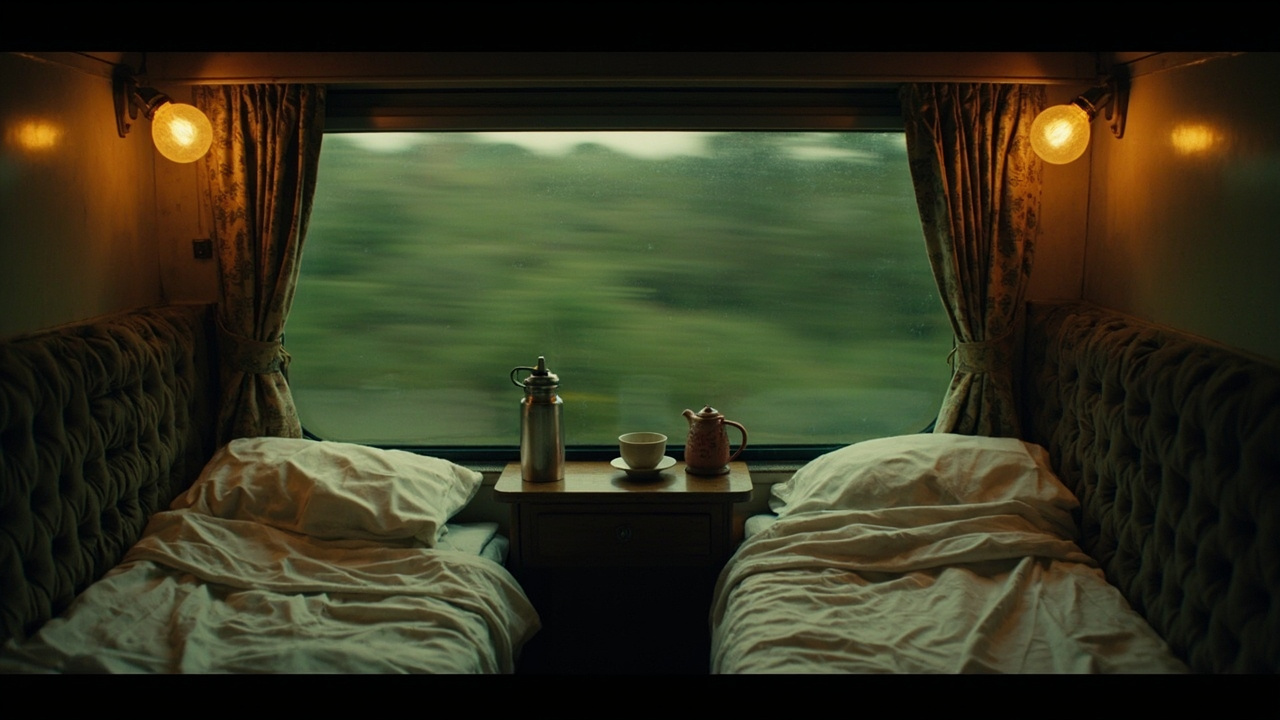
China Train Sleepers Guide
The first time I took an overnight train in China, I was on the K-series from Xi’an to Dunhuang, and the man in the bunk below me spent the first hour trying to teach me how to peel a hard-boiled egg with one hand while the train lurched through the Wei River valley. I failed. He laughed, peeled it for me, and handed it over with a little bag of pickled mustard greens. That’s the thing about Chinese sleeper trains — you don’t just get from A to B, you get a small, strange, oddly intimate slice of the country that no flight can give you. The soft sleeper berths are clean, the hard sleeper berths are social, and the hard seat cars are a contact sport. I’ve done all three, more times than I can count, and I still book sleepers whenever the timing works.
This guide is for first-time visitors who’ve never set foot on a Chinese train and are trying to figure out whether the overnight option is worth it, which class to book, and how not to end up in the wrong car at 2 a.m. with no idea where you are.
Quick answer
China’s overnight sleeper trains are a cheap, comfortable, and genuinely fun way to cover long distances — a soft sleeper berth on a 12-hour route typically costs $45–$90 (CNY 320–650), versus $120+ for the equivalent high-speed daytime ticket. Book on Trip.com or the official 12306 app at least 3–7 days ahead, bring your passport (it’s your ticket), and choose a soft sleeper (软卧) if you want a door and four berths, or a hard sleeper (硬卧) if you want to save money and meet people. Most foreign tourists on a 240-hour visa-free transit or full tourist visa can use these trains without any extra paperwork.
The Short Version
If you only read one paragraph: book a soft sleeper, lower bunk, on a Z- or T-series train, for any route over 10 hours. Bring earplugs, a sleep mask, wet wipes, and your own toilet paper. Download a translation app. Don’t book the hard seat unless you’re on a budget and enjoy chaos. The overnight train is not a compromise — for certain routes it’s the best part of the trip.
How I Picked These
I’ve taken sleeper trains on roughly 30 routes across China over seven years, from the 40-hour monster from Beijing to Lhasa to the four-hour hop from Shanghai to Huangshan. I’ve traveled in hard seat, hard sleeper, soft sleeper, and once, memorably, in a deluxe two-berth cabin on the Beijing–Hong Kong through train. I’ve also spent a lot of time on China’s high-speed rail network, which is faster but doesn’t replace the sleeper experience. The routes below are the ones I’d actually recommend to a friend — not the longest, not the cheapest, but the ones where the overnight train is genuinely the right call.
Comparison Table
| Rank | Route | Best For | Approx Soft Sleeper (USD) | Time | When to Go |
|---|---|---|---|---|---|
| 1 | Beijing → Xi’an | First-timers, Terracotta Warriors | $55 (CNY 400) | 11–13 hrs | Apr–May, Sep–Oct |
| 2 | Xi’an → Dunhuang | Silk Road scenery | $65 (CNY 470) | 14 hrs | May–Sep |
| 3 | Chengdu → Lhasa | Tibet access, altitude acclimation | $110 (CNY 800) | 36 hrs | May–Oct |
| 4 | Shanghai → Huangshan | Weekend mountain trip | $45 (CNY 320) | 10 hrs | Mar–May, Sep–Nov |
| 5 | Beijing → Harbin | Ice Festival | $70 (CNY 500) | 12 hrs | Dec–Feb |
| 6 | Guangzhou → Guilin | Karst landscapes | $50 (CNY 360) | 11 hrs | Apr–Oct |
| 7 | Kunming → Dali | Yunnan loop | $40 (CNY 290) | 8 hrs | Year-round |
| 8 | Lanzhou → Zhangye | Danxia rainbow mountains | $35 (CNY 250) | 7 hrs | Jun–Sep |
| 9 | Beijing → Pingyao | Ancient walled city | $50 (CNY 360) | 10 hrs | Apr–Oct |
| 10 | Shanghai → Xi’an | Skip the flight | $70 (CNY 500) | 14 hrs | Year-round |
1. Beijing to Xi’an — The Classic First Sleeper
I took this one on a Tuesday night in October, and by the time the train pulled out of Beijing West Station, I’d already made friends with a retired schoolteacher in the next berth who insisted I try her homemade mooncakes. The Z19 departs around 8 p.m. and arrives in Xi’an just after 7 a.m., which means you sleep through the boring part and wake up to the Terracotta Warriors.
This is the route I recommend to every first-timer. It’s long enough to feel like an adventure but short enough that you don’t arrive wrecked. The soft sleeper cabins have four berths, a door that closes, and a small table. The hard sleeper is open-plan with six berths per bay — cheaper, louder, and honestly more fun if you’re sociable.
📍 Location: Departs Beijing West Railway Station (北京西站), Line 7 or 9, Exit A. Arrives Xi’an Railway Station, Line 4. 🎫 Ticket: Soft sleeper approx $55 (CNY 400); hard sleeper approx $35 (CNY 250). 🕒 Departure: Z19 leaves around 20:00, arrives 07:30. Book 5–7 days ahead in peak season. 🚆 How to get there: Take Line 7 to Beijing West, follow signs for “Railway Station” — the sleeper platform is usually 8 or 9. ⏰ When to visit: Spring and autumn. Summer is hot and crowded; winter is fine but Xi’an is cold. 💡 Insider tips: Bring your passport — it’s scanned at the gate and again on the train. The dining car (餐车) serves decent fried rice and beer until about 10 p.m. The top bunk is cheapest but hardest to climb; the lower bunk costs a bit more and is worth it. Bring a power bank — outlets are shared and often broken. I still think about that schoolteacher’s mooncakes.
2. Xi’an to Dunhuang — The Silk Road Overnight
The K-series train from Xi’an to Dunhuang is slow, rattly, and one of the most atmospheric rides in China. You leave the loess plateau behind, cross the Hexi Corridor, and wake up to desert. I did this in June, and somewhere around 3 a.m. I woke up, pulled back the curtain, and saw nothing but stars and sand.
This is the route for anyone doing the Silk Road properly. Dunhuang’s Mogao Caves are the payoff, and arriving by train feels right in a way that flying doesn’t. The train is older, the berths are a bit worn, but the scenery is worth it.
📍 Location: Xi’an Railway Station, Line 4. Arrives Dunhuang Station, about 20 minutes from the city center by taxi ($3–4 / CNY 20–30). 🎫 Ticket: Soft sleeper approx $65 (CNY 470); hard sleeper approx $40 (CNY 290). 🕒 Departure: Usually leaves Xi’an around 18:00–20:00, arrives Dunhuang mid-morning. 🚆 How to get there: Line 4 to Xi’an Railway Station, Exit C. The station is chaotic — arrive 90 minutes early. ⏰ When to visit: May to September. The desert is brutal in July and August but the evenings are perfect. 💡 Insider tips: Book the Mogao Caves tickets online before you leave — they sell out weeks ahead. Bring a scarf for the sand. The dining car on this route is basic; buy snacks at Xi’an station. Cash is still useful in Dunhuang for small vendors. A Uyghur vendor at the Dunhuang night market sold me a lamb skewer that was so good I went back three nights in a row.
3. Chengdu to Lhasa — The Tibet Train
This is the big one. The Z322 from Chengdu to Lhasa takes about 36 hours, crosses the Tanggula Pass at 5,072 meters, and requires a Tibet Travel Permit that you can only get through a registered tour agency. I did it in September, and the altitude hit me harder than I expected — I had a headache for the last eight hours.
But it’s worth it. The train has oxygen outlets in every berth, the scenery through the Kunlun Mountains is otherworldly, and arriving in Lhasa by rail is a slow, respectful way to acclimatize.
📍 Location: Chengdu Railway Station, Line 1 or 7. Arrives Lhasa Station, about 20 minutes from Barkhor. 🎫 Ticket: Soft sleeper approx $110 (CNY 800); hard sleeper approx $75 (CNY 540). Permit required. 🕒 Departure: Departs Chengdu around 20:00, arrives Lhasa two days later. 🚆 How to get there: Line 1 to Chengdu Railway Station, Exit A. The Tibet-bound trains board from a separate area. ⏰ When to visit: May to October. Winter is possible but cold and some facilities close. 💡 Insider tips: You need a Tibet Travel Permit arranged through an agency at least 20 days ahead — this is non-negotiable. Bring altitude sickness medication. The oxygen outlets are above each berth; use them if you feel bad. Don’t shower on arrival day. The Tibetan family in the next cabin shared butter tea with me at dawn somewhere past Golmud, and I’ve never forgotten it.
4. Shanghai to Huangshan — The Weekend Mountain Escape
I took the overnight train from Shanghai to Huangshan on a Friday night in April, mostly because I didn’t want to waste a day of hiking on travel. The train leaves Shanghai South around 8 p.m. and arrives at Huangshan Station around 6:30 a.m., which puts you at the cable car by 8.
This is the sleeper route I recommend most to people based in Shanghai. It’s short, cheap, and the payoff — the Yellow Mountains at sunrise — is one of the best things in China.
📍 Location: Shanghai South Railway Station, Line 1 or 3. Arrives Huangshan Station, then a 1-hour bus to the scenic area. 🎫 Ticket: Soft sleeper approx $45 (CNY 320); hard sleeper approx $30 (CNY 210). 🕒 Departure: Leaves Shanghai South around 20:00, arrives Huangshan around 06:30. 🚆 How to get there: Line 1 or 3 to Shanghai South, Exit 4. The station is smaller and easier than Shanghai Hongqiao. ⏰ When to visit: March to May and September to November. Avoid Chinese public holidays. 💡 Insider tips: Buy your Huangshan entry ticket and cable car ticket online in advance. Stay overnight on the mountain if you can — sunrise is the whole point. Bring layers; it’s cold at the top even in summer. The train’s hard sleeper is fine on this route. I made the mistake of wearing sneakers instead of hiking boots and spent the next day with wet feet and regrets.
5. Beijing to Harbin — The Ice Festival Train
If you’re going to Harbin for the Ice and Snow Festival in January or February, the overnight train from Beijing is the move. I did it in January, and stepping off the train into -25°C air at 7 a.m. is a memory that stays with you.
The train itself is warm, the berths are standard, and you arrive in time for a full day. Harbin’s ice sculptures are genuinely spectacular, and the train ride is part of the experience.
📍 Location: Beijing Station or Beijing Chaoyang Station. Arrives Harbin Station, Line 1. 🎫 Ticket: Soft sleeper approx $70 (CNY 500); hard sleeper approx $45 (CNY 320). 🕒 Departure: Multiple overnight options, usually leaving between 19:00 and 22:00. 🚆 How to get there: Beijing Station is on Line 2, Exit B. Chaoyang Station is on Line 3. ⏰ When to visit: Late December to mid-February for the festival. Book tickets 2 weeks ahead. 💡 Insider tips: Bring serious winter gear — the train is warm but the platform is not. The festival tickets sell out; book online. Hand warmers are sold everywhere in Harbin but cheaper at the station. Download a translation app; English is limited. A Harbin local on the train told me to eat the local red sausage (红肠) and he was absolutely right.
6. Guangzhou to Guilin — The Karst Route
I took this one in May, mostly because I wanted to see the karst hills appear out the window as the train crossed into Guangxi. The train leaves Guangzhou around 8 p.m. and arrives in Guilin around 7 a.m., which means you wake up to green peaks and mist.
Guilin itself is a bit touristy, but the Li River and the surrounding countryside are worth the trip. The sleeper is a comfortable, cheap way to get there from the Pearl River Delta.
📍 Location: Guangzhou Station, Line 2 or 5. Arrives Guilin North or Guilin Station. 🎫 Ticket: Soft sleeper approx $50 (CNY 360); hard sleeper approx $32 (CNY 230). 🕒 Departure: Usually leaves Guangzhou around 19:00–21:00, arrives Guilin early morning. 🚆 How to get there: Line 2 or 5 to Guangzhou Station. The station is central and easy. ⏰ When to visit: April to October. The Li River cruise is best in spring and autumn. 💡 Insider tips: Guilin has two stations — make sure you know which one you’re arriving at. The Li River cruise is worth it but book ahead. Bring mosquito repellent in summer. The train’s dining car is decent on this route. The woman in the bunk across from me spent the whole night video-calling her family, and honestly, it was kind of lovely.
7. Kunming to Dali — The Yunnan Short Hop
This is the shortest sleeper on the list and the one I take most often when I’m in Yunnan. The train leaves Kunming around 10 p.m. and arrives in Dali around 6 a.m., which is perfect — you sleep, you wake up, you’re in Dali.
Dali is one of my favorite places in China. The old town, the lake, the mountains behind it — it’s the kind of place where you plan to stay three days and end up staying ten.
📍 Location: Kunming Station, Line 1. Arrives Dali Station, about 30 minutes from the old town. 🎫 Ticket: Soft sleeper approx $40 (CNY 290); hard sleeper approx $25 (CNY 180). 🕒 Departure: Leaves Kunming around 22:00, arrives Dali around 06:00. 🚆 How to get there: Line 1 to Kunming Station, Exit A. The station is modern and easy to navigate. ⏰ When to visit: Year-round, but spring and autumn are best. Summer is rainy. 💡 Insider tips: Dali has two stations — Dali Station (for the old town) and Dali East (for the new city). Book the right one. The old town is 30 minutes by taxi ($5 / CNY 35). Renting a scooter in Dali is the best way to see the lake. An old Bai woman sold me a bowl of rice noodles at the Dali morning market that cost 80 cents and was better than most restaurant meals I’ve had.
8. Lanzhou to Zhangye — The Rainbow Mountains
I did this route in July, mostly because I wanted to see the Danxia landform at sunrise. The train leaves Lanzhou around 11 p.m. and arrives in Zhangye around 6 a.m., which is early but manageable.
Zhangye’s rainbow mountains are one of the most photographed landscapes in China, and the sleeper train is the easiest way to get there from Lanzhou.
📍 Location: Lanzhou Station, Line 1. Arrives Zhangye Station, about 40 minutes from the Danxia scenic area. 🎫 Ticket: Soft sleeper approx $35 (CNY 250); hard sleeper approx $22 (CNY 160). 🕒 Departure: Leaves Lanzhou around 22:00–23:00, arrives Zhangye early morning. 🚆 How to get there: Line 1 to Lanzhou Station. The station is central. ⏰ When to visit: June to September. The colors are best in late afternoon light. 💡 Insider tips: The Danxia scenic area is 40 minutes from Zhangye by taxi ($8 / CNY 55). Go at sunset, not sunrise — the light is better. Bring water; there’s nowhere to buy it at the top. The train’s hard sleeper is fine on this route. I got to the scenic area at 7 a.m. and realized I’d misread the opening hours — it didn’t open until 8. I sat outside with a thermos of tea and watched the sun come up over the mountains anyway. Not a bad mistake.
9. Beijing to Pingyao — The Ancient City Sleeper
Pingyao is one of the best-preserved ancient walled cities in China, and the overnight train from Beijing is the easiest way to get there. I took it in October, and arriving at dawn, walking through the city gate before the tourists showed up, was one of the best travel moments I’ve had.
The train leaves Beijing around 9 p.m. and arrives in Pingyao around 7 a.m. The station is a 15-minute walk from the old town.
📍 Location: Beijing West or Beijing Station. Arrives Pingyao Station, walkable to the old town. 🎫 Ticket: Soft sleeper approx $50 (CNY 360); hard sleeper approx $32 (CNY 230). 🕒 Departure: Leaves Beijing around 21:00, arrives Pingyao around 07:00. 🚆 How to get there: Line 7 or 9 to Beijing West, or Line 2 to Beijing Station. ⏰ When to visit: April to October. Winter is cold but the city is quiet. 💡 Insider tips: The old town entry ticket covers most of the sights and costs about $18 (CNY 125). Stay inside the walls if you can. The train station is a 15-minute walk from the south gate. Bring cash for small vendors. A noodle shop owner in Pingyao refused to let me pay for breakfast because I’d complimented her cat. I still think about that cat.
10. Shanghai to Xi’an — The Long Haul
This is the longest sleeper on my list, and the one I take when I want to skip the flight and see a bit of the country. The train leaves Shanghai around 6 p.m. and arrives in Xi’an around 8 a.m. the next day, which is a full 14 hours.
It’s not the most scenic route, but it’s comfortable, cheap, and gets you from the east coast to the interior without the airport hassle.
📍 Location: Shanghai Station, Line 1, 3, or 4. Arrives Xi’an Railway Station, Line 4. 🎫 Ticket: Soft sleeper approx $70 (CNY 500); hard sleeper approx $45 (CNY 320). 🕒 Departure: Leaves Shanghai around 18:00, arrives Xi’an around 08:00. 🚆 How to get there: Line 1, 3, or 4 to Shanghai Station, Exit 4. The station is central. ⏰ When to visit: Year-round. Spring and autumn are best for Xi’an sightseeing. 💡 Insider tips: This route has a proper dining car with hot meals. Bring your own snacks anyway. The soft sleeper is worth the extra money on this route. Set an alarm — the train arrives early. I shared a cabin with a Shanghai businessman who spent the whole night on his phone, and a Xi’an student who spent the whole night reading. They never spoke. I found this deeply funny.
FAQ summary
The most important things to know: book soft sleeper (软卧) for privacy and hard sleeper (硬卧) for budget and socializing; your passport is your ticket and must be carried at all times; book 3–7 days ahead on Trip.com or the official 12306 app, and 2+ weeks ahead for Tibet or holidays. Prices range from $25 to $110 (CNY 180–800) depending on route and class. Overnight sleepers are cheaper than high-speed daytime trains on long routes and often the only sensible way to reach places like Dunhuang, Lhasa, and Zhangye.
FAQ
Q: Do I need a visa to take overnight trains in China? A: It depends on your nationality. Many European and Asian passport holders can enter China visa-free for 30 days in 2026, and 55 countries including the US, UK, and Australia can use the 240-hour visa-free transit if they’re transiting to a third country. If you’re on a standard tourist visa, it works fine for all sleeper trains except Tibet, which requires a separate permit. Check the current visa-free rules before booking.
Q: How do I book a sleeper train ticket as a foreigner? A: Use Trip.com (English, accepts foreign cards, small booking fee) or the official 12306 app (cheaper, but the English version is clunky). You’ll need your passport number. Book 3–7 days ahead for most routes, 2+ weeks for Tibet, holidays, or summer weekends. Your passport is scanned at the gate and again by the conductor — no paper ticket needed.
Q: What’s the difference between soft sleeper and hard sleeper? A: Soft sleeper (软卧) has four berths in a closed cabin with a door, costing roughly $45–$110 (CNY 320–800). Hard sleeper (硬卧) has six berths in an open bay with no door, costing roughly $25–$75 (CNY 180–540). Soft sleeper is quieter and more private; hard sleeper is cheaper and more social. Both have bedding, a pillow, and a shared table.
Q: Is it safe to sleep on a Chinese train? A: Yes, generally very safe. Keep your passport and valuables in a money belt or under your pillow. The conductor checks tickets and keeps an eye on the car. I’ve never had anything stolen, and I’ve taken dozens of these trains. That said, don’t leave your phone charging unattended in the corridor.
Q: Do I need a VPN or SIM card for the train? A: You’ll want a Chinese SIM card or eSIM before you travel, and a VPN installed before you arrive if you want to use Google, WhatsApp, or Instagram. Train wifi exists on some newer trains but is unreliable. Download offline maps and a translation app.
Q: Can I pay for things on the train with Alipay or WeChat Pay? A: The dining car usually accepts cash and sometimes WeChat Pay, but not always Alipay. Set up Alipay or WeChat Pay before your trip and keep a few hundred yuan in cash as backup. Small vendors at stations often prefer cash.
Q: What should I bring on an overnight train? A: Earplugs, a sleep mask, wet wipes, toilet paper (the train’s supply runs out), a power bank, snacks, a refillable water bottle, and a light layer — the AC can be aggressive. Bring your own tea bags if you want hot drinks; there’s a hot water dispenser in every car.
The Honest Wrap-up
This guide is for travelers who want to see China slowly, who don’t mind a slightly lumpy bed, and who think a 12-hour train ride sounds like an adventure rather than a chore. It’s not for people who need a shower every morning, who can’t sleep unless it’s silent, or who are on a tight schedule where every hour counts. If that’s you, take the high-speed train or fly — no shame in it. But if you’ve got a little time and a little curiosity, book a soft sleeper on the Beijing–Xi’an route, bring a good book, and let the country roll past your window. You’ll arrive tired, but you’ll arrive with a story. And honestly, that’s the whole point.
More guides you may like
Top 10 Bridges in China
China's bridges are engineering marvels spanning mountains, rivers, and seas. Here are 10 of the most spectacular, from ancient stone to modern steel.
8 min read

Top 10 Buddhist Sites in China
From the Leshan Giant Buddha to the Dunhuang Caves, these 10 Buddhist sites represent 2,000 years of China's spiritual heritage.
9 min read

Top 10 Day Trips from Beijing You Shouldn't Miss
Beijing is packed with history, but some of China's best experiences are just a few hours away. Here are 10 day trips that will transform your visit.
9 min read

Top 10 Hidden Gems in China Off the Beaten Path
Beyond the Great Wall and Terracotta Warriors, China has incredible hidden destinations few tourists ever reach. Here are 10 underrated gems worth the detour.
9 min read

Top 10 Markets and Shopping Streets in China
From Shanghai's Bund to Beijing's Silk Street - 10 markets where foreigners can haggle, explore, and bring home authentic Chinese goods.
9 min read
Top 10 Museums in China You Shouldn't Miss
China's museums span 5,000 years of civilization. These 10 - from the Palace Museum to Xi'an's terracotta gallery - are unmissable for culture lovers.
9 min read