
Huizhou Travel Guide
The old woman at the noodle stall in Tunxi didn't look up when I sat down. She just slid a bowl of chou gui fu toward me — fermented tofu, gray-green and…
Huizhou Travel Guide
The old woman at the noodle stall in Tunxi didn’t look up when I sat down. She just slid a bowl of chou gui fu toward me — fermented tofu, gray-green and smelling like a farmhouse cellar — and went back to wiping the counter with a rag that had seen better decades. I’d ordered it by pointing at a photo, having no idea what it was. One bite in, I understood why Huizhou food doesn’t try to be liked. It’s sour, fermented, salty, and completely unapologetic. Sort of like the region itself.
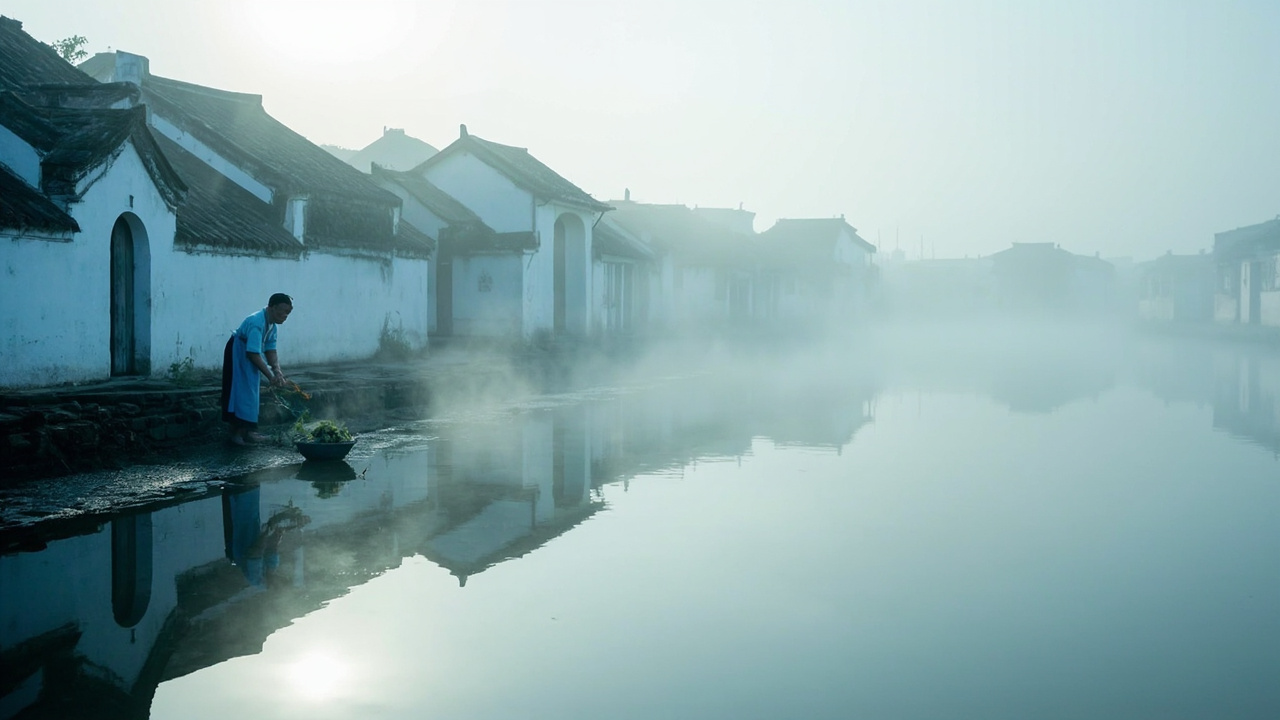
Huizhou is one of those places that foreign tourists skip because it doesn’t have a single headline attraction. There’s no Great Wall, no Terracotta Army, no pandas. Instead there’s a scattered network of whitewashed villages with black-tiled roofs, carved wooden ancestral halls, and narrow stone alleys where you’ll hear more chickens than cars. The region covers parts of modern Anhui and Jiangxi provinces, and the historic core — the stuff worth traveling for — sits around the city of Huangshan and the towns of Yi County (Yixian) and She County, about 3 hours by high-speed rail from Shanghai.
I’ve been back three times. The first trip I did it wrong: rushed through in two days, stayed in a chain hotel, ate at a restaurant with an English menu. The second trip I stayed a week, learned to say duo shao qian badly, and got adopted by a tea farmer named Mr. Wang who still sends me WeChat messages about his grandchildren. The third trip I brought my parents. That’s the version of Huizhou I want to write about here — the one that rewards slowing down.
This guide covers the ten places worth your time, how to actually get to them, what they cost, and the mistakes I made so you don’t have to.
Quick answer
Huizhou’s historic villages are best visited between March and May or September to November, when the weather is mild and the crowds are manageable. Most international visitors can enter China visa-free for up to 30 days under the 2026 policy, and the region is reachable by high-speed rail from Shanghai (about 3 hours to Huangshan North Station) or Hangzhou (1.5 hours). Budget roughly $60–120 (¥430–860) per day for accommodation, food, and transport if you’re staying in guesthouses and eating local. You’ll need Alipay or WeChat Pay set up before you arrive — almost nothing in these villages takes cash or foreign cards.
The Short Version
If you have 90 seconds: base yourself in Tunxi (the old town district of Huangshan City), day-trip to Hongcun and Xidi, and don’t skip Chengkan just because it’s less famous. Stay in a converted merchant house, eat the stinky tofu, and rent a bike for at least one afternoon. Two nights minimum, four is better. Skip the cable car up Huangshan Mountain if you’re short on time — the villages are the point.
How I Picked These
I’ve spent about five weeks total in the Huizhou region across three trips, mostly in spring and autumn. I stayed in 11 different guesthouses, ate at maybe 40 small restaurants, and got lost on foot more times than I’d like to admit. I also leaned on recommendations from three people: a Tunxi taxi driver named Liu who drove me to villages not on any map, a hostel receptionist in Hongcun who grew up in the area, and Mr. Wang, the tea farmer. Anything I couldn’t verify in person or through them, I’ve flagged as approximate. I’ve deliberately left out the places that only exist for tour buses.
Comparison Table
| Rank | Place | Best For | Approx Cost (USD) | Time Needed | When to Go |
|---|---|---|---|---|---|
| 1 | Hongcun | Iconic village scenery, photography | $15–25 (¥105–180) | Half day | Weekday mornings, Mar–May |
| 2 | Xidi | Quieter architecture, fewer crowds | $15 (¥105) | 2–3 hours | Weekday afternoons |
| 3 | Chengkan | Feng shui layout, authentic feel | $12 (¥85) | Half day | Any weekday |
| 4 | Tunxi Old Street | Food, shopping, base camp | Free | Evening | Any evening |
| 5 | Tangmo | Off-the-radar village life | $8 (¥55) | 2 hours | Weekday mornings |
| 6 | Huangshan (Mt.) | Hiking, sunrise views | $30–60 (¥215–430) | Full day+ | Apr–May, Sep–Oct |
| 7 | Shexian (Huizhou Ancient City) | City walls, memorial arches | $12 (¥85) | Half day | Weekday mornings |
| 8 | Tangyue Archways | Filial piety architecture | $10 (¥70) | 1–2 hours | Any clear day |
| 9 | Nanping | Film-set village, quiet lanes | $8 (¥55) | 2 hours | Weekday afternoons |
| 10 | Qiyun Mountain | Taoist temples, red cliffs | $10 (¥70) | Half day | Clear mornings |
Hongcun — the village on the back of a water buffalo
I arrived in Hongcun at 7am on a Tuesday, which turned out to be the single smartest decision of the whole trip. The tour buses don’t start until 9. For two hours I had the Moon Pond almost to myself — just me, three elderly women washing vegetables, and a duck that clearly resented my presence.
Hongcun is the postcard village. It’s shaped, according to local lore, like a water buffalo: the Moon Pond is the stomach, the two large trees at the entrance are the horns, and the waterways that thread through every alley are the intestines. The 900-year-old layout still functions — the water is still used for washing, and the reflections in the Moon Pond at dawn are genuinely worth the early alarm.
It’s also the most touristy village in the region. By 10am the main lanes are packed with Chinese tour groups holding little flags, and every third doorway sells the same souvenir fans. But the side alleys are still quiet, and if you walk 10 minutes in any direction from the pond you’ll find yourself alone with laundry lines and cats.
📍 Location: Yi County (Yixian), about 70 km northwest of Huangshan City 🎫 Entry fee: $15 (¥105) for a 3-day pass; the village itself is walkable, no extra fees 🕒 Opening hours: 7:30am–5:30pm (last entry 5pm); the village is technically open all night if you’re staying inside 🚕 How to actually get there: From Huangshan North Railway Station, take bus 1 to the long-distance bus station, then a minibus to Yixian (about 1 hour, $3/¥20), then a local bus or taxi to Hongcun (15 min, $2/¥15). Or just take a Didi from Tunxi — about $25 (¥180) each way. ⏰ When to visit: Weekday mornings, ideally arriving before 8am. Avoid Chinese public holidays entirely. 💡 Insider tips: Buy the ticket at the main gate, not from touts. Stay overnight inside the village if you can — you get in after hours and the atmosphere at dusk is completely different. The Moon Pond is best photographed at sunrise and again around 4pm. Bring cash for the small snack stalls, though most guesthouses take WeChat Pay. 🍜 I tried the local chou gui fu here for the first time and genuinely thought I’d been poisoned. It’s an acquired taste. I now crave it.
Xidi — the village that knows it’s beautiful
Xidi is Hongcun’s quieter sibling, and I’ll say it plainly: if you only have time for one, I’d pick Xidi. It’s less photogenic in the obvious way — no big reflective pond — but the architecture is finer, the crowds are thinner, and the whole place feels less like a stage set.
The village was home to the Hu family, wealthy merchants who built their fortunes in the salt trade and then spent them on carved wooden screens, stone gateways, and ancestral halls with beams so intricately carved you’ll stand there with your neck craned for 20 minutes. The main hall, Jing’ai Tang, has a wooden screen that took three craftsmen seven years to complete. I stood in front of it for a long time.
What I like about Xidi is that people still live there. Not in a performative way — just normal life. I watched a man in his 70s repair a wooden doorframe with hand tools while his wife hung chili peppers behind him. Nobody was selling tickets to watch.
📍 Location: Yi County, about 15 km from Hongcun 🎫 Entry fee: $15 (¥105), includes a map and a few small museums 🕒 Opening hours: 7:30am–5:30pm 🚕 How to actually get there: From Hongcun, a taxi is about $5 (¥35) and takes 20 minutes. From Yixian bus station, local buses run every 30 minutes ($1/¥7). ⏰ When to visit: Weekday afternoons, ideally after 2pm when the morning groups have left 💡 Insider tips: The village is small — 2 hours is enough unless you’re a photographer. The teahouse near the main entrance is overpriced; walk 5 minutes into the residential lanes and you’ll find a tiny one run by an old couple that charges $1 (¥7) for a glass of local green tea. Bring small bills. The stone lanes get slippery after rain. ☕ I made the mistake of trying to “do” Xidi and Hongcun in one day. Don’t. They’re 20 minutes apart but each deserves its own half-day.
Chengkan — the village that feng shui built
Chengkan is the one I almost skipped, and it would have been the biggest mistake of the trip. It’s less famous than Hongcun or Xidi, which means fewer tour groups and a more lived-in feel. The village was laid out according to bagua feng shui principles — eight gates, a central axis, water channels positioned to channel good fortune — and you can actually feel it when you walk around. The lanes curve in ways that make no practical sense but somehow feel right.
The star attraction is the Luo Dongshu Ancestral Hall, a Ming dynasty building with 99 rooms and a courtyard that catches light in a way I can only describe as deliberate. The carvings here are older and rougher than Xidi’s — less refined, more human.
What I remember most is the silence. I visited on a Wednesday in late March and for an hour I saw maybe six other tourists. A woman was drying radishes on a bamboo mat in the middle of the main lane. A dog slept in a doorway. It felt like the village had decided to let me visit rather than perform for me.
📍 Location: Huizhou District, about 25 km northwest of Tunxi 🎫 Entry fee: $12 (¥85) 🕒 Opening hours: 8am–5pm 🚕 How to actually get there: From Tunxi, take a Didi ($15/¥105, 40 minutes) or the local bus from Huangshan bus station. There’s no direct high-speed rail link. ⏰ When to visit: Any weekday. Spring and autumn are best; summer is humid and the lanes trap heat. 💡 Insider tips: The village is small and you can walk it in 90 minutes, but the surrounding fields are lovely — bring a camera. The ticket office is at the main gate; don’t buy from anyone approaching you outside. There’s a small restaurant near the entrance that serves excellent yansi (salted bamboo shoots) — order it with rice. 🍚 I ate lunch at a family-run place with no menu. The grandmother brought out whatever she’d cooked that morning. It cost $4 (¥30) and was one of the best meals of the trip.
Tunxi Old Street — where you actually sleep and eat
Tunxi isn’t a village — it’s the old commercial district of Huangshan City, and it’s where I’d base myself for the whole trip. The main street is a 1.5-km stretch of Ming and Qing architecture that’s been converted into shops selling tea, ink stones, wood carvings, and the same embroidered bags you’ll see in every Chinese tourist town. It’s touristy. It’s also genuinely charming at night, when the red lanterns come on and the day-trippers leave.
The real reason to stay here is food. Tunxi has the best Huizhou restaurants in the region, and the local cuisine is one of China’s eight great culinary traditions. It’s heavy on fermented ingredients, wild herbs, freshwater fish, and pork. The signature dish is chou gui fu (fermented tofu), which smells like a gym sock and tastes like nothing else on earth. There’s also mao doufu (hairy tofu), yan xian sun (salted bamboo shoots), and chou jue cai (fermented vegetable). If you’re a picky eater, this is not your region.
📍 Location: Tunxi District, central Huangshan City 🎫 Entry fee: Free 🕒 Opening hours: Shops open around 9am, close around 9pm; restaurants run later 🚕 How to actually get there: From Huangshan North Railway Station, take bus 21 or a Didi ($6/¥45, 25 minutes). From the airport, it’s a 15-minute taxi. ⏰ When to visit: Evenings, especially Friday and Saturday. Weekday evenings are quieter. 💡 Insider tips: The restaurants on the main street are fine but overpriced. Walk one block off the main drag — anywhere — and prices drop by 40%. The best chou gui fu I found was at a tiny place with no English sign, three doors down from a pharmacy. Get a local SIM or eSIM before you arrive; the free wifi in cafés is unreliable. Most shops take WeChat Pay and Alipay, but a few older vendors still prefer cash. 🍽️ I ate chou gui fu four times in one week. By the fourth time I was ordering it on purpose. It grows on you.
Tangmo — the village nobody told you about
Tangmo is a small village about 20 minutes from Chengkan, and I only found it because my taxi driver Liu insisted. “Hongcun is for tourists,” he said. “Tangmo is for Chinese people who want to see a real village.” He was right.
There’s no ticket gate, no tour groups, no souvenir stands. Just a cluster of whitewashed houses around a small pond, a few ancestral halls in various states of repair, and a lot of old people sitting on stools watching the world go by. The village dates back over 1,000 years and was home to a famous Ming dynasty calligrapher, but nobody there will tell you that unless you ask.
I spent two hours walking around, and the only other visitor I saw was a Chinese photographer with a large-format camera. We nodded at each other. That was the whole interaction.
📍 Location: Huizhou District, about 10 km from Chengkan 🎫 Entry fee: $8 (¥55) — sometimes collected, sometimes not, depending on the day 🕒 Opening hours: Daylight hours only 🚕 How to actually get there: There’s no public transport. Hire a taxi from Tunxi for the day ($40/¥290) and combine Tangmo with Chengkan and Tangyue. ⏰ When to visit: Any clear day, morning or late afternoon 💡 Insider tips: Bring cash — there’s nowhere to buy anything except a tiny shop that sells bottled water. The village is quiet and residential; keep your voice down. If you’re into photography, the light in the main lane around 4pm is beautiful. Don’t expect English signage; download a translation app before you go. 📷 I took maybe 200 photos here and deleted all but 12. It’s not a place that photographs well — it’s a place you just stand in.
Huangshan (Yellow Mountain) — the mountain that eats a full day
I’ll be honest: I almost didn’t include Huangshan in this guide, because it’s technically not Huizhou — it’s the mountain the region is named after, and it’s a completely different kind of experience. But it’s 40 minutes from Tunxi and most visitors combine the two, so here it is.
Huangshan is one of China’s most famous mountains, and it’s genuinely spectacular — granite peaks, twisted pine trees, and seas of cloud that roll in and out depending on the weather. It’s also brutally crowded. On a clear Saturday in October, the cable car queue can be 90 minutes. The paths are narrow and steep, and the “steps” are often just carved footholds in rock.
If you go, go on a weekday, go early (first cable car is at 6:30am), and be prepared for weather that changes every 20 minutes. The sunrise from Bright Summit is famous but requires either staying overnight in a hotel on the mountain (expensive, $150+/¥1,080) or hiking up in the dark with a headlamp. I did the latter and it was one of the best experiences of my life, but I wouldn’t recommend it to anyone who isn’t reasonably fit.
📍 Location: Huangshan Scenic Area, about 60 km from Tunxi 🎫 Entry fee: $30 (¥215) for the scenic area, plus $12–20 (¥85–145) per cable car segment 🕒 Opening hours: 6:30am–4:30pm (last cable car down) 🚕 How to actually get there: From Tunxi, take a bus to the scenic area transfer station ($5/¥35, 1 hour), then a shuttle to the cable car base. Or take a Didi to the Yungu cable car station ($25/¥180). ⏰ When to visit: April–May and September–October for clear skies; avoid Chinese holidays at all costs 💡 Insider tips: Bring layers — it’s 10°C colder on the mountain than in the valley. Wear proper shoes, not sneakers. Buy your ticket online in advance through the official WeChat mini-program. There are no ATMs on the mountain; bring cash for snacks. The “sea of clouds” phenomenon is real but only happens maybe 30% of mornings. 🥾 I hiked up in the dark and got to Bright Summit 20 minutes before sunrise. There were already 200 people there. It was still worth it.
Shexian (Huizhou Ancient City) — the city that was the capital
Shexian, also called Huizhou Ancient City, was the administrative capital of the region for over 1,000 years, and it shows. There’s a proper city wall, a beautiful old bridge (Taiping Bridge, rebuilt in the Ming dynasty), and the Xu Guo Stone Archway, an eight-legged memorial arch that’s the only one of its kind in China. It’s a real city, not a village — about 100,000 people live there — which means you get a mix of historic sites and normal urban life.
The highlight for me was the Huizhou Merchants’ Residence, a sprawling complex of courtyards and gardens that belonged to a salt merchant family. The carvings and stonework are extraordinary, and the interpretive signs are actually in English, which is rare in this region.
📍 Location: She County, about 25 km east of Tunxi 🎫 Entry fee: $12 (¥85) for a combined ticket covering the main sites 🕒 Opening hours: 8am–5:30pm 🚕 How to actually get there: From Tunxi, take a bus from the long-distance station ($3/¥20, 40 minutes) or a Didi ($20/¥145) ⏰ When to visit: Weekday mornings; the archway is best photographed before 10am 💡 Insider tips: The combined ticket is good for two days, so you can split your visit. The old street along the river is free and worth a wander. There’s a small teahouse near the archway that serves excellent local maofeng tea for $2 (¥15). English is limited; bring a translation app. 🏛️ I spent an hour at the archway trying to photograph it without a tour group in the frame. I failed.
Tangyue Archways — seven arches in a row
The Tangyue Archways are a set of seven memorial arches built between the Ming and Qing dynasties to honor the Bao family’s virtuous ancestors. They stand in a line in the middle of a field, which sounds boring until you see them — seven stone structures, each 10–15 meters tall, with intricate carvings and inscriptions. It’s a strange, powerful sight.
The site is small and rarely crowded. I spent about an hour there, mostly sitting on a bench and looking at them. There’s a small museum nearby with English explanations of the filial piety stories behind each arch, which helps make sense of what you’re seeing.
📍 Location: About 6 km from Shexian 🎫 Entry fee: $10 (¥70) 🕒 Opening hours: 8am–5pm 🚕 How to actually get there: Combine with Shexian — a taxi from the city is about $5 (¥35) ⏰ When to visit: Any clear day; late afternoon light is best 💡 Insider tips: The site is exposed — bring sun protection in summer. There’s a small shop selling drinks but no real food. The ticket includes the museum, which is worth 20 minutes. 🧱 I met a retired teacher there who explained the Confucian principles behind each arch. I understood maybe half of it, but it made the visit much richer.
Nanping — the village that became a film set
Nanping is a small village that’s been used as a filming location for several Chinese movies, including Crouching Tiger, Hidden Dragon. You can see why — the lanes are narrow, the buildings are old, and the whole place has a cinematic quality. It’s also quieter than Hongcun or Xidi, with maybe 20% of the visitors.
The village has a few small ancestral halls and a lovely little stream running through it. There’s not a lot to “do” — it’s more of a place to wander and absorb. I spent two hours there and felt like I’d seen everything, but I also felt calm, which is worth something.
📍 Location: Yi County, about 10 km from Hongcun 🎫 Entry fee: $8 (¥55) 🕒 Opening hours: 8am–5pm 🚕 How to actually get there: Taxi from Hongcun ($6/¥45, 15 minutes) or from Yixian ⏰ When to visit: Weekday afternoons 💡 Insider tips: There’s no English signage at all. Bring a translation app. The village is small; combine it with Hongcun or Xidi rather than making a special trip. There’s a small noodle shop near the entrance that serves a decent bowl for $2 (¥15). 🎬 I watched a Chinese family argue about whether a particular alley was in Crouching Tiger. I have no idea who was right.
Qiyun Mountain — the Taoist mountain with red cliffs
Qiyun Mountain is a small Taoist mountain about 30 minutes from Tunxi, and it’s the most underrated place in this guide. The cliffs are a striking red sandstone, the temples are built into the rock face, and the whole thing feels like a miniature version of Huangshan without the crowds.
The hike up takes about 90 minutes at a moderate pace, and there are several temples and pavilions along the way. The views from the top are genuinely impressive — you can see the surrounding villages and, on a clear day, the distant peaks of Huangshan. The Taoist monks who live there are friendly and will sometimes offer you tea.
📍 Location: Xiuning County, about 33 km from Tunxi 🎫 Entry fee: $10 (¥70) 🕒 Opening hours: 8am–5pm 🚕 How to actually get there: Didi from Tunxi ($18/¥130, 40 minutes) or a local bus from Huangshan bus station ⏰ When to visit: Clear mornings; avoid rainy days as the steps get slippery 💡 Insider tips: Wear proper shoes — the steps are steep and uneven. Bring water; there’s only one small shop halfway up. The temples are active religious sites; be respectful. The cable car (optional) costs $8 (¥55) each way. ⛰️ I met a monk at the top who’d been living there for 22 years. He asked where I was from, nodded, and poured me tea. We didn’t speak again.
FAQ summary
The most important things to know before visiting Huizhou: international visitors from most countries can enter China visa-free for up to 30 days in 2026, and the region is easily reached by high-speed rail from Shanghai (3 hours) or Hangzhou (1.5 hours). Budget $60–120 (¥430–860) per day for a comfortable mid-range trip, and plan for 3–5 days minimum to see the main villages without rushing. You must set up Alipay or WeChat Pay before arrival — cash is rarely accepted and foreign cards almost never work in this region. Spring (March–May) and autumn (September–November) are the best seasons; avoid Chinese public holidays entirely.
FAQ
Q: Do I need a visa to visit Huizhou in 2026? A: Most international visitors — including US, UK, EU, Australian, and Southeast Asian passport holders — can enter China visa-free for up to 30 days under the current policy. Check the latest visa-free rules before booking, as policies can change. If you’re not eligible, apply for a standard tourist visa through your nearest Chinese embassy.
Q: How do I get to Huizhou from Shanghai? A: Take the high-speed train from Shanghai Hongqiao Station to Huangshan North Station — about 3 hours, $45–70 (¥325–505) depending on class. Trains run several times daily. From Huangshan North, buses and taxis connect to Tunxi and the villages. See the China train guide for booking tips.
Q: Is English spoken in Huizhou? A: Not really. Outside of a few hotels in Tunxi and the main ticket offices at Hongcun and Xidi, English is rare. Download a translation app (Baidu Translate or Google Translate with offline Chinese) before you arrive. Learn a few basic phrases — ni hao (hello), xie xie (thank you), duo shao qian (how much).
Q: How much should I budget per day? A: Mid-range travelers should budget $60–120 (¥430–860) per day. That covers a guesthouse room ($30–60/¥215–430), three meals at local restaurants ($15–25/¥105–180), entry fees ($10–30/¥70–215), and transport. Budget travelers can do it for $40–60 (¥290–430) by staying in hostels and eating street food.
Q: Do I need a VPN or a local SIM card? A: Yes to both, ideally. Google, Instagram, WhatsApp, and most Western apps are blocked in China. Either install a reliable VPN before you arrive or use a local eSIM or SIM card with a roaming plan that bypasses the firewall. Hotel wifi works but is unreliable and often blocked.
Q: Can I use cash or credit cards in the villages? A: Almost never. Alipay and WeChat Pay are the standard, and you’ll need to link an international card before you arrive. A few larger guesthouses accept cash, but small restaurants and shops usually don’t. Set up Alipay or WeChat Pay before you fly.
Q: What’s the best time of year to visit? A: Late March to mid-May and mid-September to early November. Spring has flowers and mild weather; autumn has clear skies and golden light. Summer is hot, humid, and crowded; winter is cold and many guesthouses close. Avoid Chinese New Year, Golden Week (early October), and any public holiday.
The Honest Wrap-up
This guide is for travelers who are okay with a bit of friction. If you need English menus, reliable wifi, and someone to hold your hand, Huizhou will frustrate you. If you’re willing to point at food you don’t recognize, get lost in alleys with no signage, and accept that the best moments happen when you’re not trying to have them — this region will reward you more than almost anywhere else in China.
It’s not for people who want to “do” China in a week. It’s for people who want to sit in a teahouse for two hours and watch rain fall on a 600-year-old roof.
One last thing: book your guesthouse directly through WeChat or a Chinese booking app if you can. The international platforms mark up prices by 30–50%, and the family-run places — the ones worth staying in — often aren’t listed there at all. Ask your first host for recommendations. That’s how I found half the places in this guide.
More guides you may like
Top 10 Bridges in China
China's bridges are engineering marvels spanning mountains, rivers, and seas. Here are 10 of the most spectacular, from ancient stone to modern steel.
8 min read

Top 10 Buddhist Sites in China
From the Leshan Giant Buddha to the Dunhuang Caves, these 10 Buddhist sites represent 2,000 years of China's spiritual heritage.
9 min read
Top 10 Day Trips from Beijing You Shouldn't Miss
Beijing is packed with history, but some of China's best experiences are just a few hours away. Here are 10 day trips that will transform your visit.
9 min read
Top 10 Hidden Gems in China Off the Beaten Path
Beyond the Great Wall and Terracotta Warriors, China has incredible hidden destinations few tourists ever reach. Here are 10 underrated gems worth the detour.
9 min read
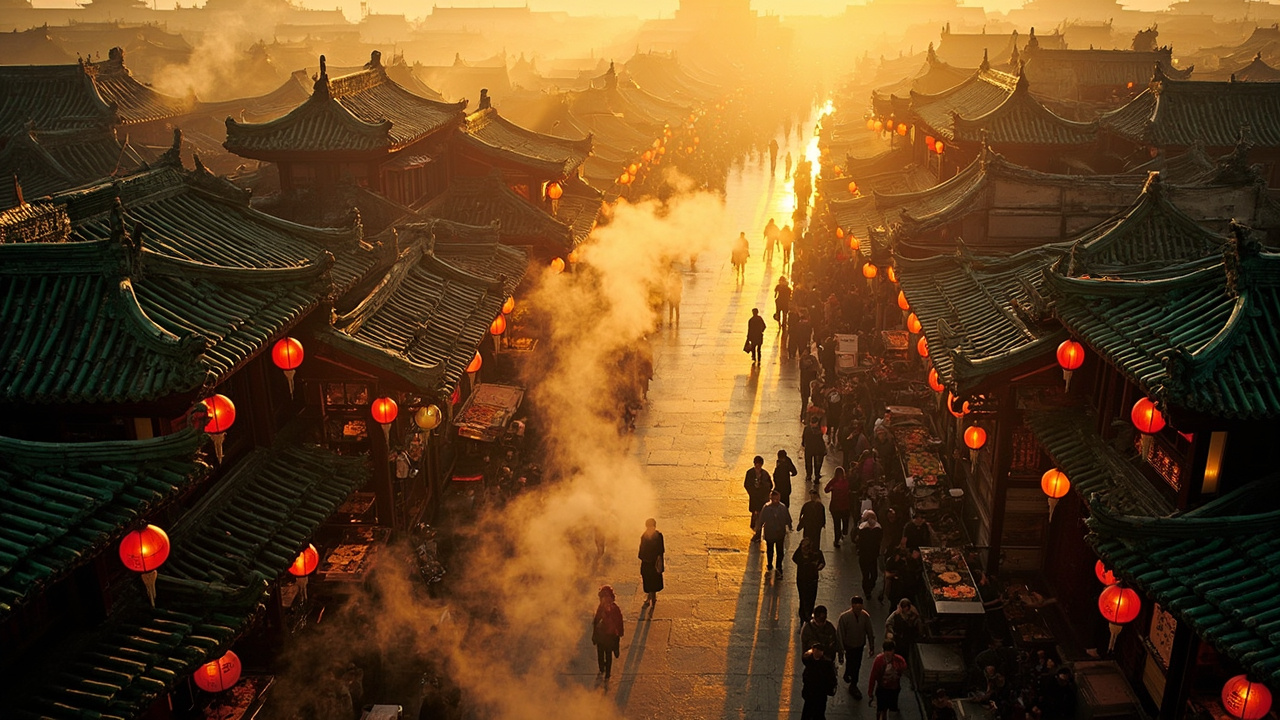
Top 10 Markets and Shopping Streets in China
From Shanghai's Bund to Beijing's Silk Street - 10 markets where foreigners can haggle, explore, and bring home authentic Chinese goods.
9 min read
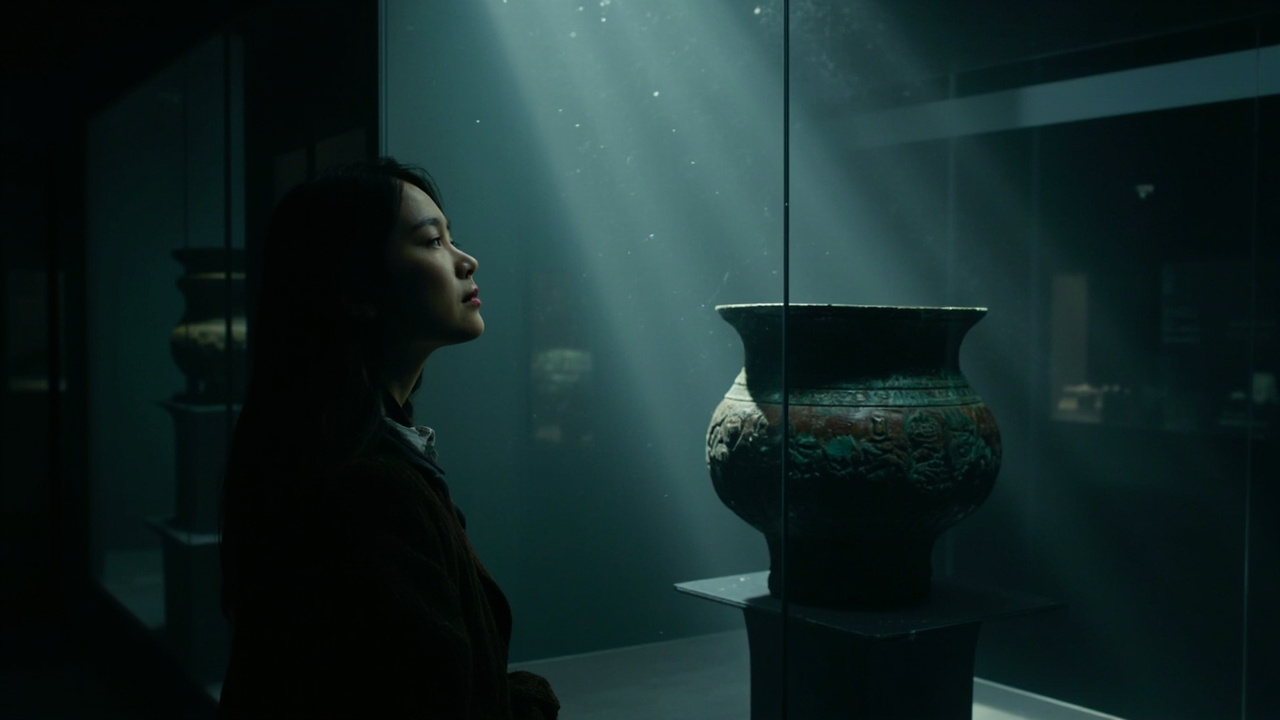
Top 10 Museums in China You Shouldn't Miss
China's museums span 5,000 years of civilization. These 10 - from the Palace Museum to Xi'an's terracotta gallery - are unmissable for culture lovers.
9 min read